Tear Notch Packaging & Steam Pouch Manufacturing: How to Choose
August 3, 2026
Plastic Bag Supplier Kuala Lumpur Malaysia: Same-Day Walk-In & Delivery
September 29, 2026
Tea Packaging Malaysia: Pouches, Sachets & Supplier Guide
Tea is one of the most sensitive products in the grocery aisle. Oxygen, moisture, light, and even strong aromas from neighbouring products can degrade its flavour within weeks — which is why tea packaging is not just a box with a label, but a carefully engineered barrier system. With the global tea market projected to keep growing steadily, according to market research from Mordor Intelligence, the shelf appeal of Malaysian tea brands competing internationally has never mattered more. For Malaysian tea brands selling loose-leaf, tea bags, herbal infusions, or ready-to-drink bottles, the tea packaging supplier Malaysia brands work with determines how long the product stays fresh on the shelf and how premium it looks in the consumer’s hand.
This guide breaks down the tea packaging options available in Malaysia — pouch formats, barrier materials, printing and branding choices, and the exact criteria for choosing a tea packaging supplier. Whether you are a startup launching a single-serve herbal tea pouch or an established brand upgrading to high-barrier stand-up pouches, the information here applies to both.
Types of Tea Packaging
The right format depends on the product form and how consumers use it:
- Loose-leaf tea — best protected in stand-up pouches or flat pouches with a reclosable zipper, since consumers open and close the pack repeatedly.
- Tea bags (envelopes) — usually packed in foil sachets or cartons with an inner liner to block moisture and odour.
- Herbal tea and infusions — increasingly sold as individual pillow pouches or stick packs, often with premium matte finishes.
- Ready-to-drink (RTD) tea — packed in spout pouches or bottles; the spout pouch format is popular for single-serve RTD products because it is lightweight and easy to drink from.
Each format has different barrier requirements, so it is worth mapping your product’s shelf-life target before choosing.
Pouch Formats for Tea
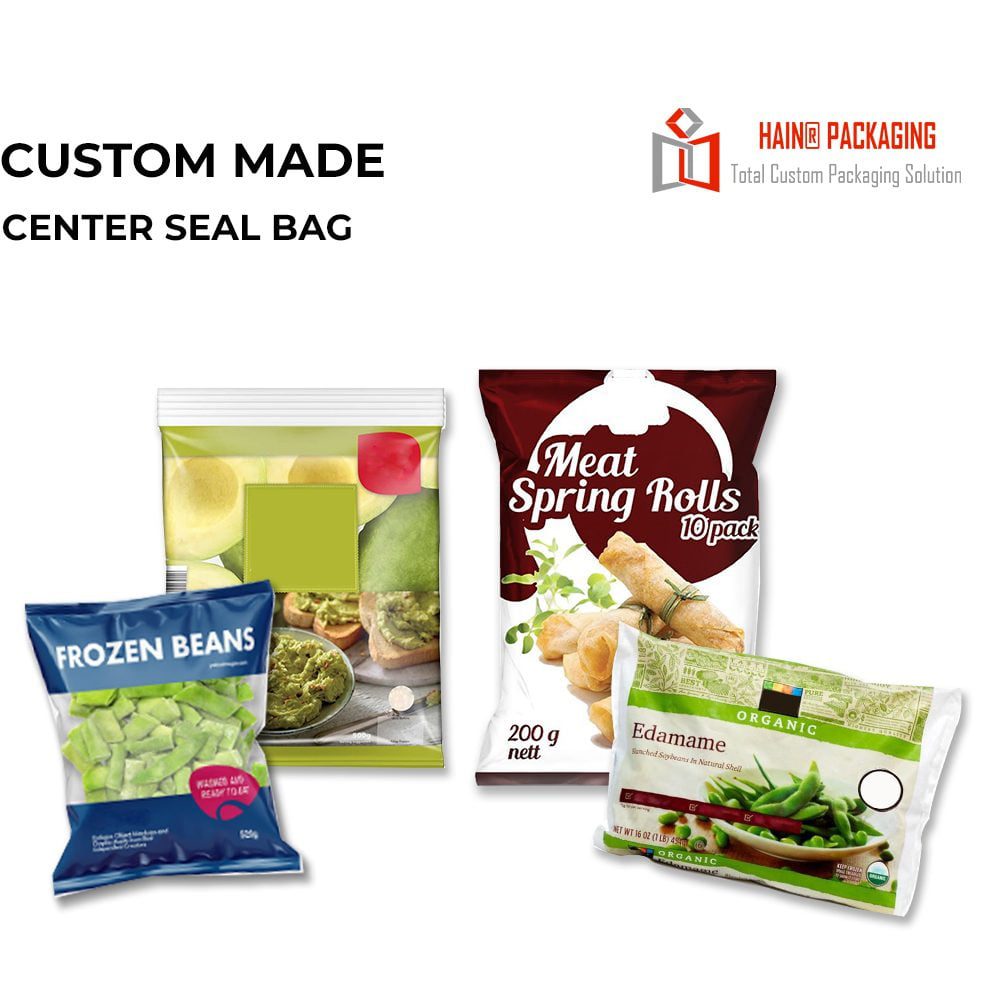
Flexible packaging dominates modern tea packaging because it offers the best barrier-to-cost ratio and prints beautifully. The main formats:
| Format | Best For | Key Advantage |
|---|---|---|
| Stand-up pouch with zipper | Loose-leaf and premium tea | Reclosable, shelf display, large print area |
| Three-side seal pouch | Tea bags, single-serve portions | Low cost, compact, easy tear notch |
| Flat pouch | Sample packs, herbal tea | Minimal material use, economical |
| Sachet / pillow pouch | Individual tea bags | Space-efficient for multipacks |
| Stick pack | Powdered tea, instant mixes | Portion control, on-the-go use |
| Spout pouch | RTD and liquid concentrates | Leak-proof, convenient drinking |
Most tea brands in Malaysia use a combination: a stand-up pouch for retail and sachets or stick packs for single servings and promotional samples.
Barrier Materials That Keep Tea Fresh
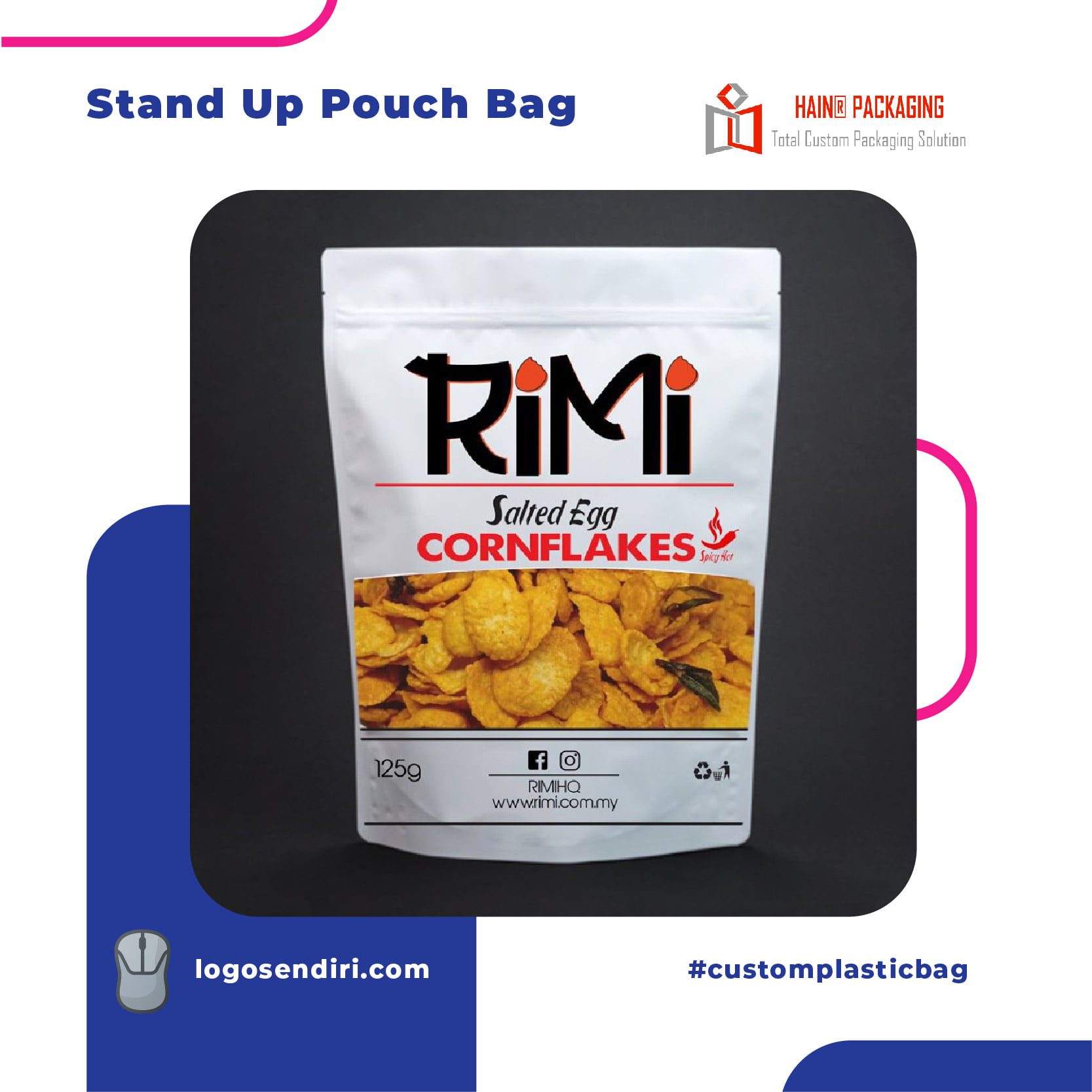
Tea’s enemies are oxygen, moisture, light, and odour. The barrier structure of your pouch determines how well it blocks all four:
- Aluminium foil laminate — the gold standard. Foil blocks oxygen, moisture, and light completely, giving 12–24 months of shelf life. Used in most premium tea packaging.
- Metalised PET (VMPET) — almost as protective as foil at a lower cost, with a shiny silver or gold appearance.
- Kraft with foil liner — a natural, matte exterior that suits organic and artisanal tea brands, backed by a foil inner layer for real protection.
- Clear PET/PE with EVOH — for brands that want to show the leaf, though EVOH barriers are more sensitive to humidity.
- PLA and compostable films — growing in demand among eco-conscious buyers; barrier performance is improving but still below foil. See our eco-friendly and recyclable packaging guide for the full comparison.
A simple rule: if your tea must survive 12 months on the shelf, use foil or a high-barrier laminate. If you sell fast-moving local tea in small volumes, metalised PET is usually enough.
Custom Printing & Branding for Tea Brands
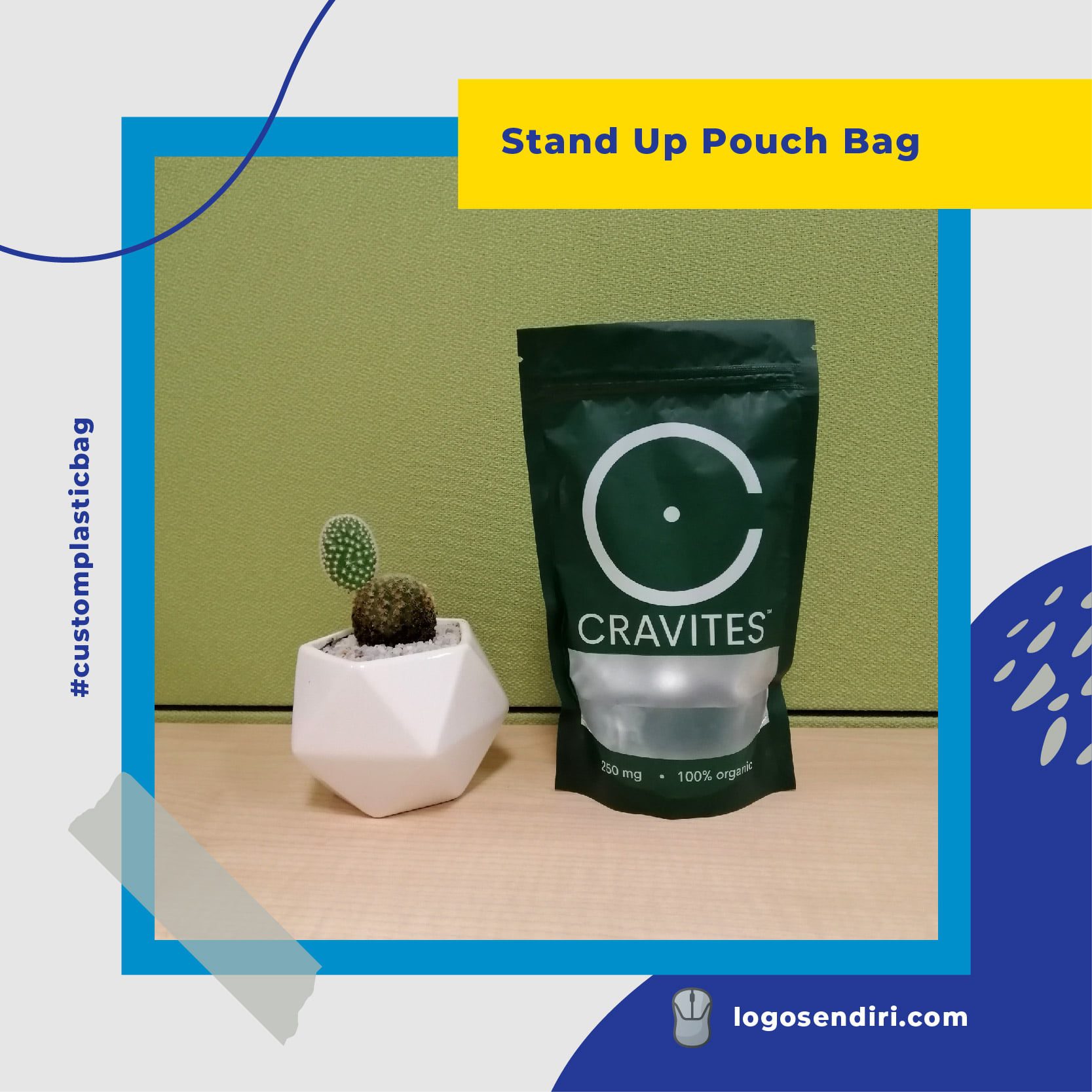
Tea is an emotional purchase, and packaging is the brand. Modern rotogravure and flexographic printing in Malaysia can deliver:
- Full-colour rotogravure with sharp gradients, ideal for photography of tea leaves and brewing scenes.
- Matte or soft-touch lamination for a premium herbal tea feel.
- Embossing and spot UV to highlight logo and pattern details.
- Gold or silver metallic inks for luxury gifting ranges.
- QR codes and certification marks (halal, organic, EU organic) printed directly on the pack.
Because print quality is a direct sales tool for tea, most Malaysian tea brands choose rotogravure printing on stand-up pouches — the same production approach used for custom coffee packaging, where shelf appeal decides the purchase.
Shelf Life & Freshness Considerations
Beyond the barrier itself, three details control how long your tea stays fresh:
- Nitrogen flushing. Replacing the air inside the pouch with nitrogen before sealing removes oxygen that would otherwise oxidise the tea. This is standard for premium loose-leaf packaging.
- Moisture control. Tea absorbs humidity quickly, which ruins both flavour and texture. A foil barrier plus a properly sealed zipper is the practical answer.
- Odour protection. Tea picks up surrounding smells. A foil inner layer prevents cross-contamination from other products in the distribution chain.
If you are ordering small batches, these features remain available — modern suppliers offer flexible packaging with low MOQs and transparent pricing, so even a startup can afford foil structures and nitrogen flushing.
E-Commerce & Retail-Ready Tea Packaging
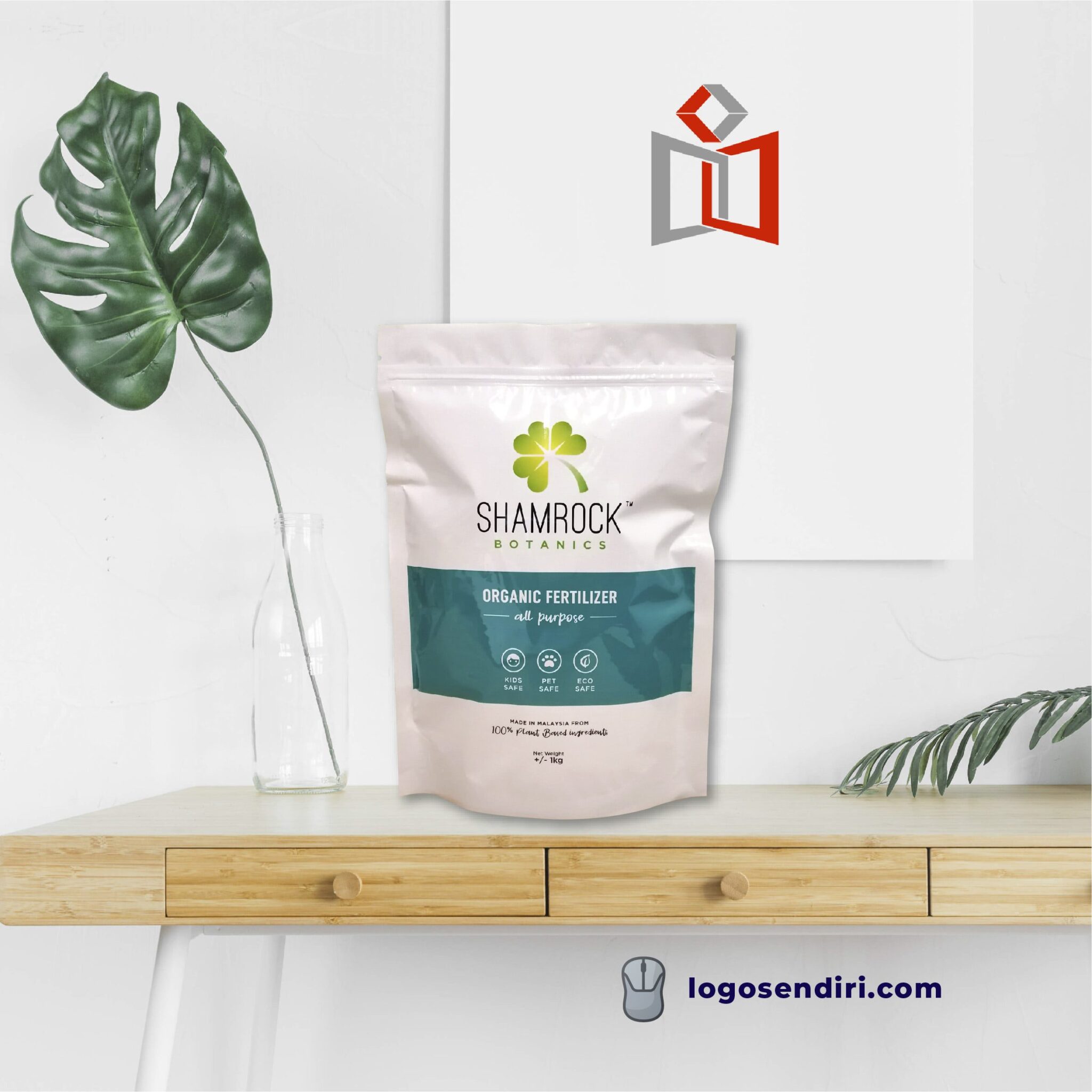
Malaysian tea brands rarely sell through a single channel anymore. The same product moves through shopee, lazada, physical supermarkets, and export markets — and each channel has packaging expectations. For e-commerce, pouches must survive courier handling and stacking, which favours stand-up pouches with strong bottom gussets and puncture-resistant film rather than flimsy sachets. For retail shelves, the pack needs a hang hole or a shape that stands upright without support, so the artwork stays visible in a crowded display.
Export buyers add another layer: compliance documentation, bilingual labelling space, and barrier performance data for customs and quality audits. A supplier who can provide full packaging test reports and halal documentation makes the export process significantly smoother, since the paperwork is already in place before your container ships.
How to Choose a Tea Packaging Supplier in Malaysia
Use this checklist when evaluating suppliers:
- Food-grade and halal compliance. Confirm the film and inks are food-contact safe and, if you export, that the facility holds the relevant certifications.
- Barrier testing data. Ask for oxygen and moisture transmission rates (OTR/WVTR) for the proposed structure — not just verbal assurances.
- Print proofing. A reliable supplier offers colour proofs or a pre-production sample before the full run.
- MOQ and lead time. Match the supplier’s minimum order to your cash flow and launch date.
- Consistent quality control. Ask how they test seal strength and barrier integrity across batches.
- Sachet-to-pouch flexibility. A supplier who can produce both sachets and stand-up pouches lets you scale formats as your range grows — the same logic that applies when sourcing sachet packaging in Malaysia.
FAQ
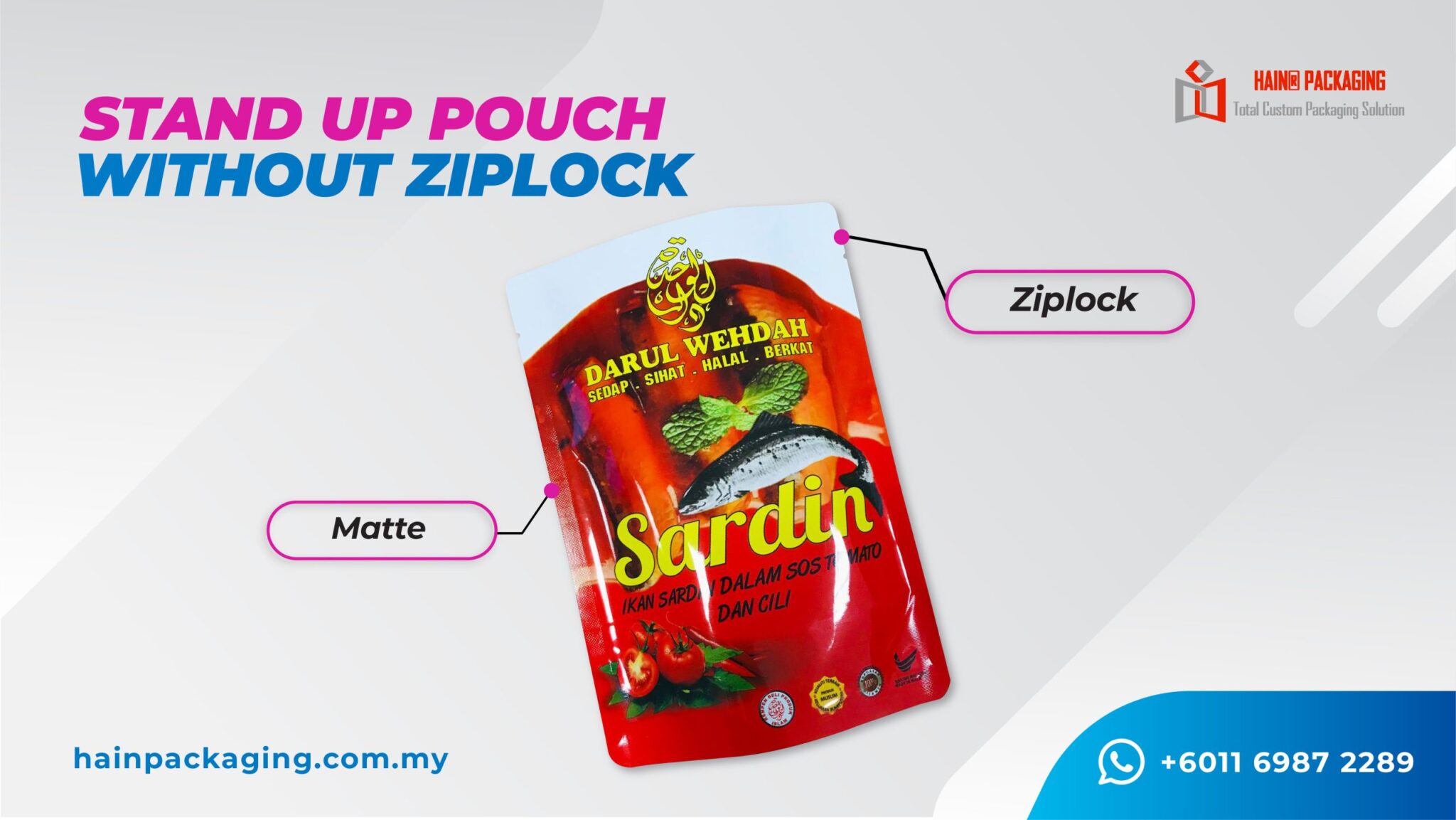
What is the best packaging for loose-leaf tea?
A stand-up pouch with a zipper and a foil or high-barrier laminate. It protects against moisture and odour while allowing repeated opening and closing.
How long does tea stay fresh in foil packaging?
With a foil barrier and nitrogen flushing, most teas maintain quality for 12–24 months. Without a foil layer, expect significantly shorter shelf life.
Can herbal tea be packed in compostable pouches?
Yes, but barrier performance is lower than foil. Compostable films suit fast-selling products with short shelf life or brands that prioritise eco-credentials.
Is rotogravure printing worth the cost for a small tea brand?
For stand-up pouches, yes — rotogravure gives the sharpest colour reproduction and the per-unit cost drops quickly as quantity increases.
Can I use the same packaging for tea bags and loose-leaf tea?
Not ideally. Loose-leaf needs a reclosable high-barrier pouch, while tea bags suit simpler sachets. Using one format for both usually means overpaying for one product or under-protecting the other.
Where can I get custom tea packaging with low minimum order?
Many Malaysian flexible packaging manufacturers offer reduced MOQs for standard pouch sizes. Ask for a MOQ quotation alongside your sample request.
Conclusion
Tea packaging in Malaysia offers more choices than ever — from foil-laminated stand-up pouches that keep loose-leaf tea fresh for two years, to sachets and stick packs that make herbal tea convenient to sell and to drink. The winning formula is simple: match the barrier to your shelf-life target, invest in printing that sells the brand, and choose a supplier who proves quality with data and samples.
Ready to package your tea range? HAIN Packaging supplies custom tea pouches and sachets in Malaysia — request a free sample and quotation today.