Specialty Packaging: Pet Food, Agriculture & Cosmetics
May 26, 2026
Tea Packaging Malaysia: Pouches, Sachets & Supplier Guide
August 3, 2026
Tear Notch Packaging & Steam Pouch Manufacturing: How to Choose
Every packaging buyer has felt the frustration: a sachet that refuses to tear, a pouch that rips open and spills its contents, or a steam pouch that bursts because the venting was never designed properly. Tear notch packaging exists to solve the first two problems, and steam pouch manufacturing exists to solve the third. Both are small details that decide whether a product feels premium or cheap in the consumer’s hand — and both are fully customisable when you work with the right flexible packaging manufacturer in Malaysia.
This guide walks through what tear notches are, how steam pouches are manufactured, and the exact checklist to use when you brief a supplier. By the end, you will know which easy-open feature fits your product, which film structure survives autoclave or microwave conditions, and how to avoid the most common mistakes that lead to rejected batches.
What Is a Tear Notch?
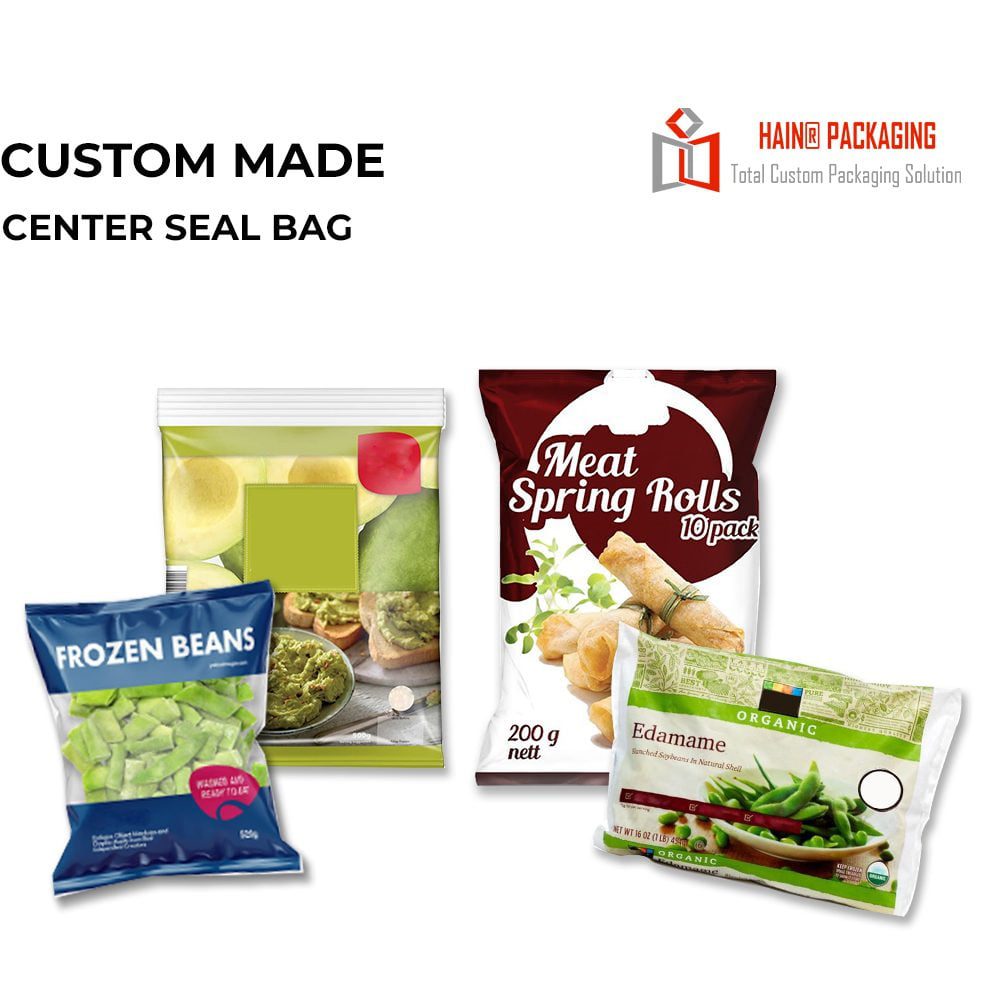
A tear notch is a small V-shaped or curved cut made into the edge or seal area of a flexible pouch, sachet, or bag. It gives the consumer a precise starting point so the film tears in a controlled straight line instead of shredding unpredictably. In Malaysia, you will find tear notches on everything from sachet packaging for sauces and condiments to coffee bags, snack packs, and single-serve sachets.
Tear notches are usually created during the pouch-forming stage with a dedicated notch cutter, or applied later as laser scoring on the film surface. The notch depth, angle, and position are all adjustable, which means the opening experience can be tuned to match the film’s tear resistance.
Why Tear Notch Packaging Matters
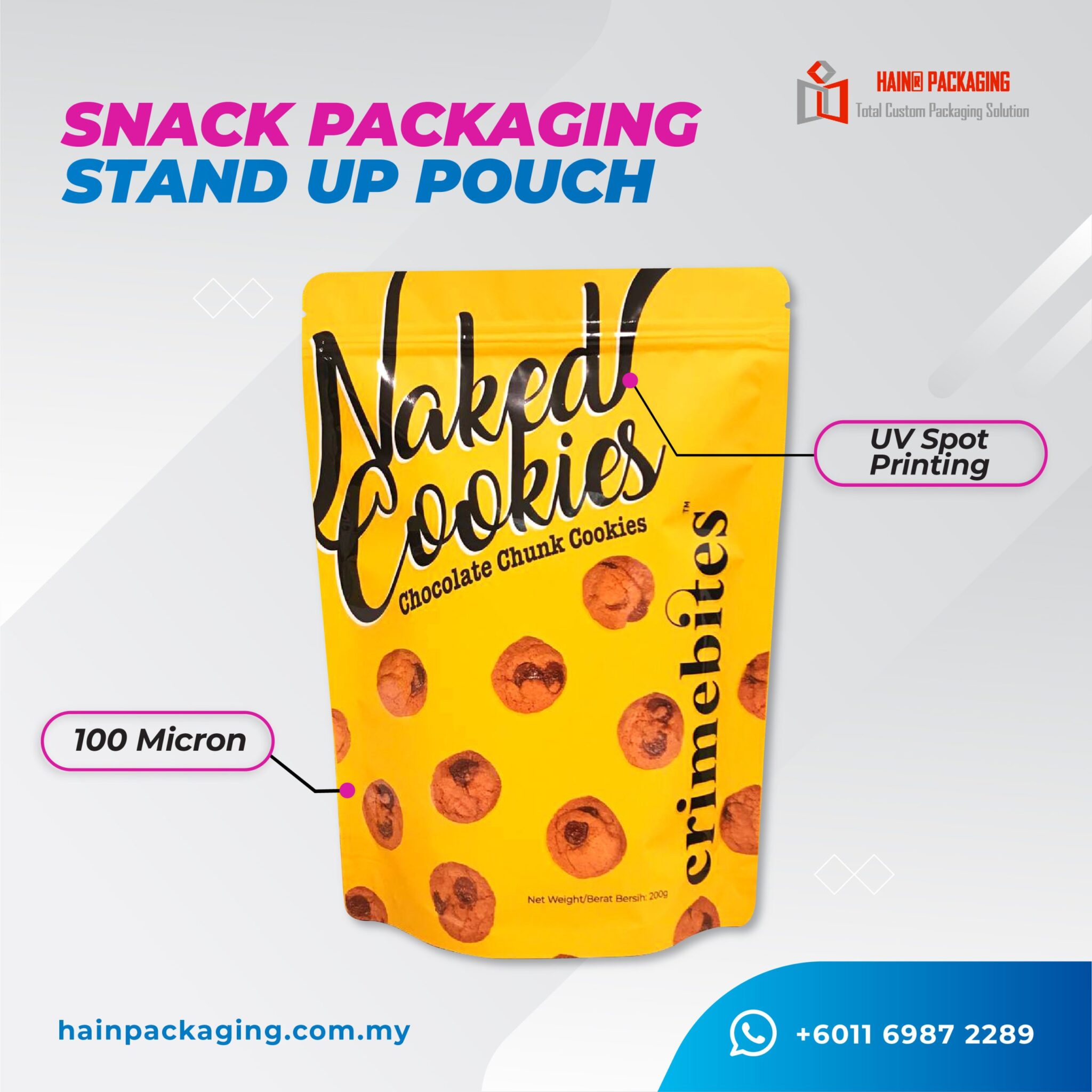
Easy-open packaging is no longer a nice-to-have; it is a consumer expectation. Studies cited by packaging industry publications such as PackWorld consistently show that hard-to-open packaging is one of the top complaints shoppers have about food products, and a difficult opening experience can directly reduce repeat purchase intent.
For Malaysian F&B brands, the practical benefits are concrete:
- Fewer product returns — customers rarely complain about a product they can open easily.
- Better perceived quality — a clean, straight tear feels engineered; a ragged rip feels cheap.
- Accessibility — elderly consumers and people with reduced hand strength benefit from low-force opening.
- Consistent portion control — a controlled tear prevents the pouch from splitting and spilling the contents.
Types of Easy-Open Features Compared
Not all easy-open features are the same. Here is how the main options stack up:
| Feature | How It Works | Best For | Force to Open |
|---|---|---|---|
| V-notch tear notch | Small cut at the edge that directs the tear | Sachets, stand-up pouches, snack packs | Low–medium |
| Half-moon notch | Curved cut for a wider grip point | Retort pouches, thicker films | Medium |
| Laser scoring | Micro-perforation line in the film surface | Premium pouches, films that resist tearing | Low |
| Peelable seal | Seal layer that separates cleanly | Lidding films, easy-peel pouches | Very low |
| Perforation | Row of pin holes across the film | Large bags, bulk packs | Medium |
The choice depends on film thickness, product weight, and the opening experience you want. A thin OPP sachet only needs a simple V-notch, while a high-barrier retort pouch usually needs a laser score or half-moon notch because the film is much tougher.
What Is a Steam Pouch?
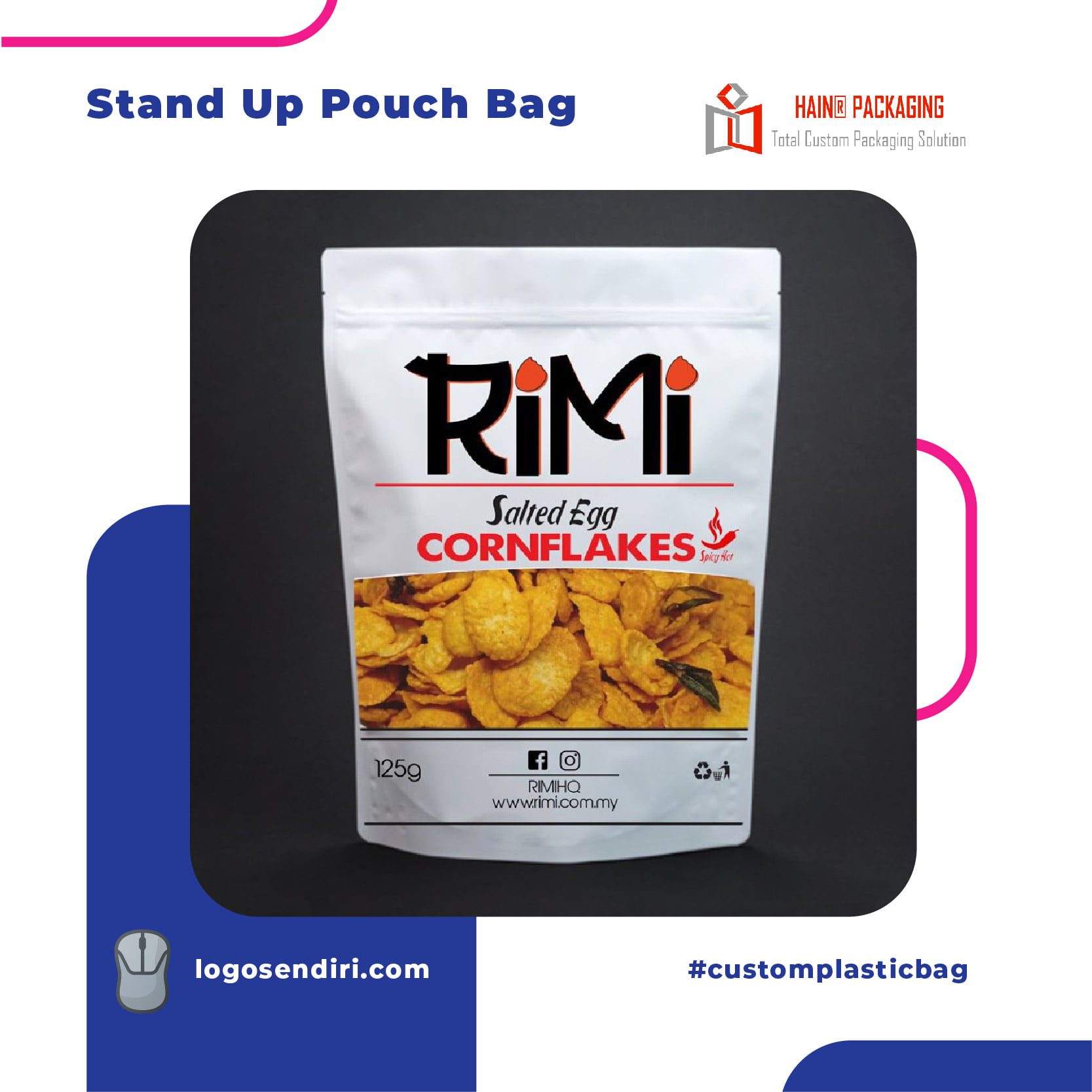
A steam pouch is a flexible pouch designed to cook or reheat food inside a microwave without the user transferring the contents to a dish. It works through a combination of a venting mechanism — usually a laser-scored vent or a special valve — and a film structure that withstands steam pressure without bursting. Popular applications include frozen vegetables, rice, seafood, dim sum, and ready meals.
Steam pouch manufacturing is closely related to retort pouch production, because both require films that survive high heat and moisture. The difference is that retort pouches are sterilised in an autoclave for long shelf life, while steam pouches are designed for short, intense microwave cooking in the consumer’s kitchen.
How Steam Pouches Are Manufactured: Step by Step
If you are briefing a manufacturer, this is the sequence your steam pouch order will follow:
- Film selection. The base structure is usually a laminate such as PET/CPP or PA/CPP, chosen for heat resistance and puncture strength. Retort-grade structures add an aluminium foil or EVOH layer when longer shelf life is needed.
- Lamination. The layers are bonded with adhesives that can withstand high temperature. Poor lamination is the number one cause of delamination failures in steam and retort pouches.
- Printing. Rotogravure or flexographic printing applies your artwork. Printing inks sit between the film layers so they never touch food.
- Slitting. The printed roll is cut into the exact widths needed for pouch forming.
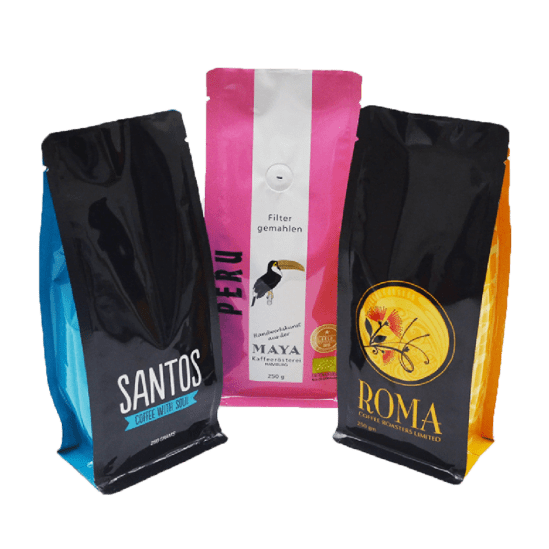
- Pouch forming. The film is folded and sealed into the chosen format — three-side seal, centre seal, stand-up, or flat bottom. Seal strength is verified at this stage.
- Venting application. A laser-scored vent line or steam valve is added. This is the most critical step: the vent must release pressure gradually instead of tearing the pouch open.
- Tear notch application. If your design includes a tear notch, it is cut into the seal edge here.
- Quality control. Every batch is tested for seal integrity, vent performance, and burst pressure before shipping.
Choosing the Right Film for Steam Pouches
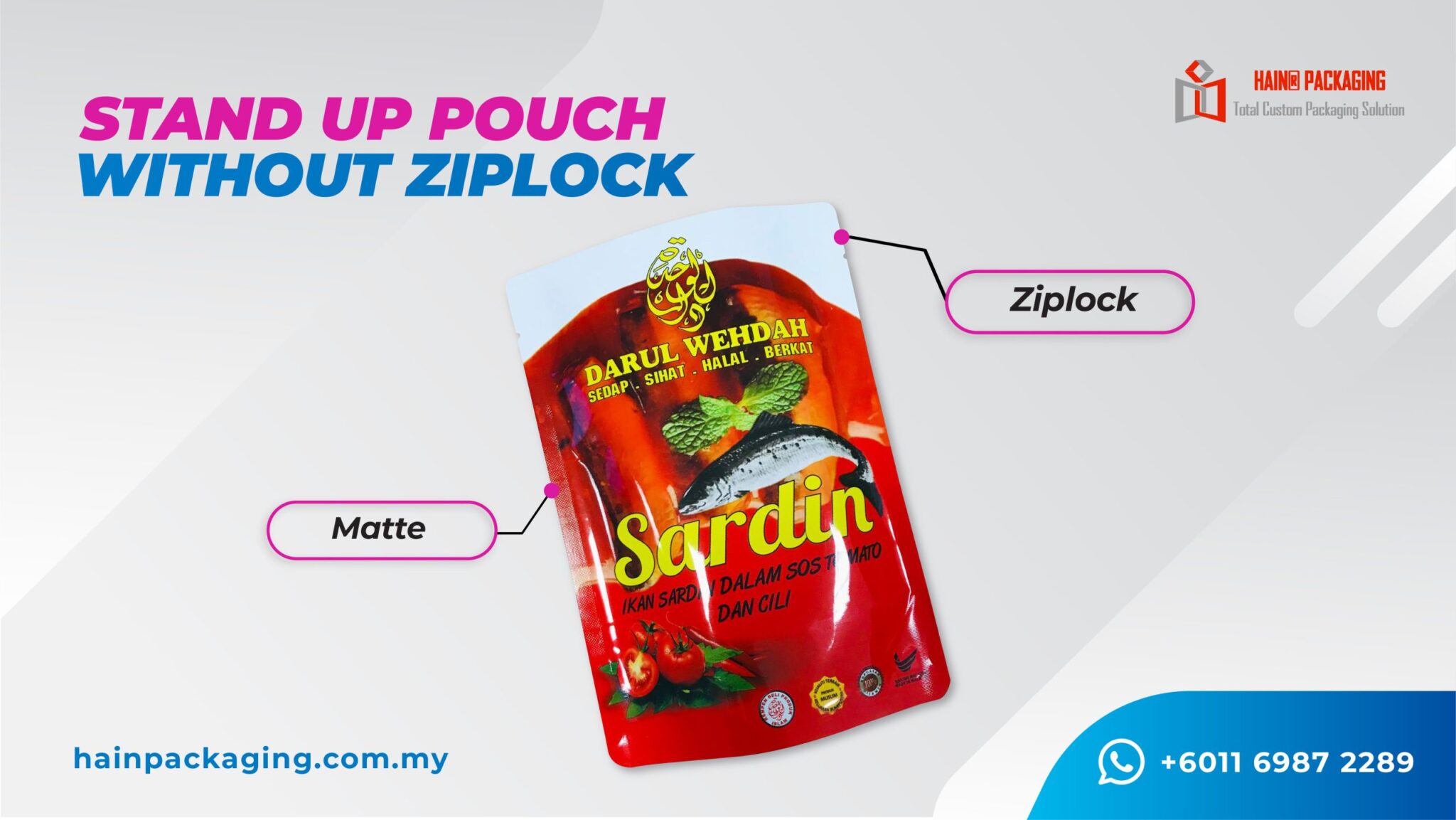
The film is the backbone of a steam pouch. If it is too thin, it bursts; if the vent is misplaced, food splatters; if the adhesive fails, the pouch delaminates. Key specifications to discuss with your supplier:
- Heat resistance: the film must handle at least 120°C of internal steam temperature.
- Venting performance: laser scoring depth must be consistent across the whole batch, or some pouches will not vent at all.
- Food safety: the inner layer must be food-grade and, where required, halal-compliant — the same standard expected of halal and food-safe packaging.
- Barrier properties: if the product needs long shelf life, ask for foil or EVOH barrier layers.
Common Mistakes to Avoid When Ordering
- Skipping the seal-strength test. A steam pouch that fails under pressure is a food-safety risk, not just a quality issue.
- Copying a competitor’s vent design. Vent position must match your product’s volume, weight, and moisture content.
- Choosing the wrong notch for the film. A thin film with a deep notch can tear accidentally in transit.
- Ignoring minimum order quantities. Steam pouch manufacturing is a specialised process, so confirm the MOQ and lead time before committing — the same advice applies to any flexible packaging MOQ and pricing decision.
- Not requesting samples. Always ask for pre-production samples and run a real microwave test with the actual product inside.
FAQ

What is the difference between a tear notch and laser scoring?
A tear notch is a physical cut at the edge of the pouch, while laser scoring is a micro-perforation line on the film surface. Notches suit most sachets and pouches; laser scoring is preferred for tough, high-barrier films.
Can a steam pouch be used in a conventional oven?
No. Steam pouches are designed for microwave use only. If you need oven-safe packaging, specify an ovenable film structure with your manufacturer.
Is a steam pouch the same as a retort pouch?
Not exactly. A retort pouch is sterilised in an autoclave for ambient shelf life, while a steam pouch cooks food in the microwave. The film requirements overlap, but the venting and sealing specifications are different.
How much does tear notch packaging cost?
The tear notch itself is a low-cost addition — usually a small percentage of the pouch price. Laser scoring and specialised venting add more, but the exact figure depends on film structure, print colours, and order volume.
Can I add a tear notch to existing packaging designs?
In most cases, yes. If you are re-ordering an existing pouch, your supplier can add a notch cutter or laser scoring unit to the production line without redesigning the artwork.
Conclusion
Tear notch packaging and steam pouch manufacturing are small engineering details with outsized impact on the consumer experience. A clean tear builds trust in your brand; a properly vented steam pouch keeps your food safe and your customers happy. The key is to work with a manufacturer who understands film structures, venting physics, and quality control — and to always test samples before committing to a full run.
Ready to brief your supplier? HAIN Packaging manufactures custom tear-notch pouches, steam pouches, and retort pouches in Malaysia — request samples and a quotation for your product today.