How Ice Cream & Puff Pastry Packaging Handles Two Extremes
October 6, 2026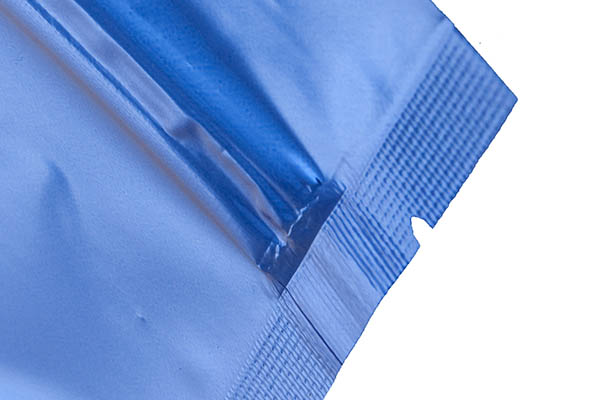
7 Checks for Modified Atmosphere & Easy-Open Packaging
October 6, 2026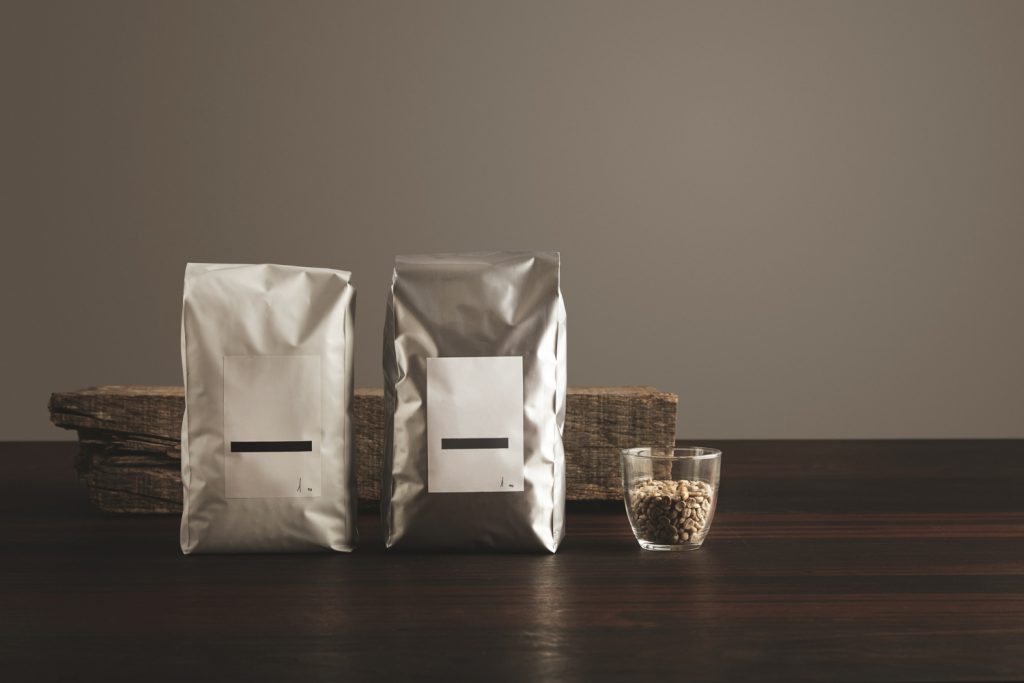
Shelf life is not a property of the pack alone. It is the result of a product, a structure, a fill process and a distribution route working together, and the pack is the part that can be specified with precision. Choosing long shelf life and barrier packaging that works starts from the way a product fails rather than from a material name. This guide sets out that reasoning for Malaysian producers of dry goods, coffee, tea, snacks and shelf-stable meals.
Key Takeaways
- Name the failure first: rancidity, staleness, caking, colour loss or aroma loss.
- Treat oxygen, moisture and light as three separate problems with three separate answers.
- Compare barrier data on the same units, at the same temperature and humidity.
- Judge closures and valves, because a strong film cannot compensate for a weak seal.
- Validate with a real shelf trial on the actual product before committing to volume.
Table of Contents
- Start with the failure mode
- Separate oxygen, moisture and light
- Read barrier data on one basis
- Compare structures
- Handle closures, valves and re-closure
- Validate with a shelf trial
- Use a buyer checklist
Long Shelf Life & Barrier Packaging Starts with the Failure Mode
Buyers often start with a material and work backwards, which is where budgets get wasted. A dry snack that goes soft needs moisture control, while a coffee that loses aroma needs oxygen control and a way to release carbon dioxide. Those two answers are not the same, and picking the wrong one adds cost without adding shelf days. Write the failure down first, then look for the cheapest structure that solves it.
The next input is the route. A product sold within three weeks in a climate-controlled store has a different brief from one shipped across the region over three months. Temperature, humidity, handling and light exposure all change the answer, so the target window and the route should be stated in the same sentence.
| Failure mode | Usual driver | Structural answer |
|---|---|---|
| Rancidity | Oxygen ingress | High oxygen barrier layer, low-leak seals |
| Softness or caking | Moisture ingress | Moisture barrier, desiccant where justified |
| Colour fade | Light exposure | Opaque layer or metallised surface |
| Aroma loss | Volatile escape | Tight barrier plus aroma-retaining inner layer |
| Pack swelling | Gas generation after filling | One-way valve or adjusted process |
Oxygen, Moisture and Light as Separate Problems
These three often get bundled into one word, barrier, which hides the trade-offs. A structure can be excellent against oxygen and only average against moisture, or the other way round. Light is different again, because it is solved by opacity rather than by a transmission figure. Ask which one is actually shortening the intended shelf window, and be willing to accept a lower figure on the others.
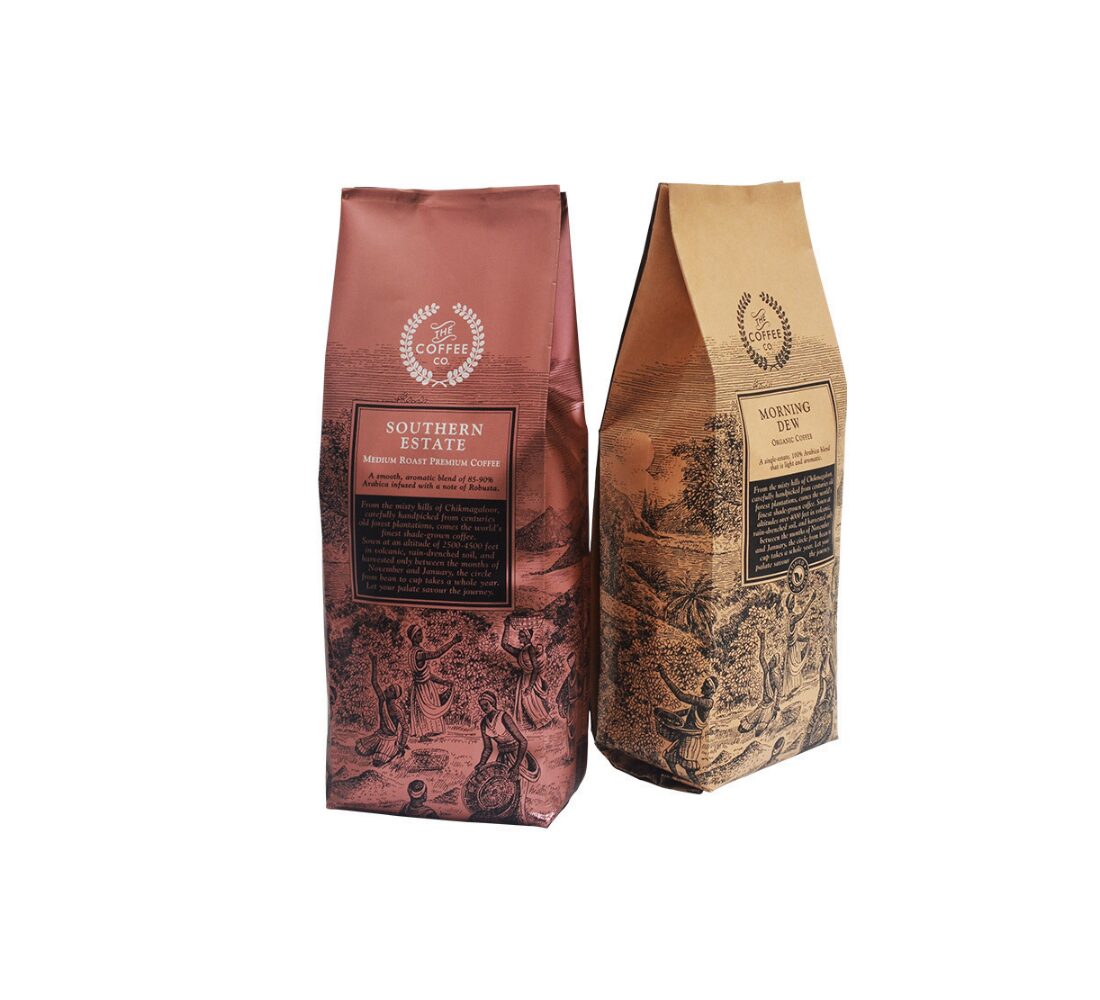
Roasted coffee is a good example. It needs protection from oxygen, but it also releases gas for a period after roasting, which is why a valve appears on many coffee packs. Tea and dry herbs lose volatile aroma compounds rather than going stale in the same way as a biscuit. Producers working on those categories can compare notes with the coffee packaging materials guide and the tea packaging guide.
Read Barrier Data on the Same Basis
Barrier figures are only comparable when the test conditions are identical. Transmission rates change with temperature and humidity, so a number quoted without those conditions tells you very little. Ask the supplier for the unit, the temperature, the relative humidity and the test method alongside the figure, then put competing quotes side by side in one table.
Also ask what happens after conversion. A film with good flat-sheet data can lose performance once it is printed, laminated, folded and sealed, because the weak points are usually the seal area, the fold and any perforation. Request data on the finished pouch where it exists, and treat flat-sheet figures as an upper bound rather than a promise.
Long Shelf Life & Barrier Packaging Structures Compared
Cost follows structure more than it follows brand. A metallised laminate typically costs more per square metre than a clear film of the same thickness, but the cheaper option may need an extra layer, a thicker gauge or an over-lacquer to reach the same window. Compare the finished pouch price at the target quantity, including any additional component, rather than comparing film prices alone.
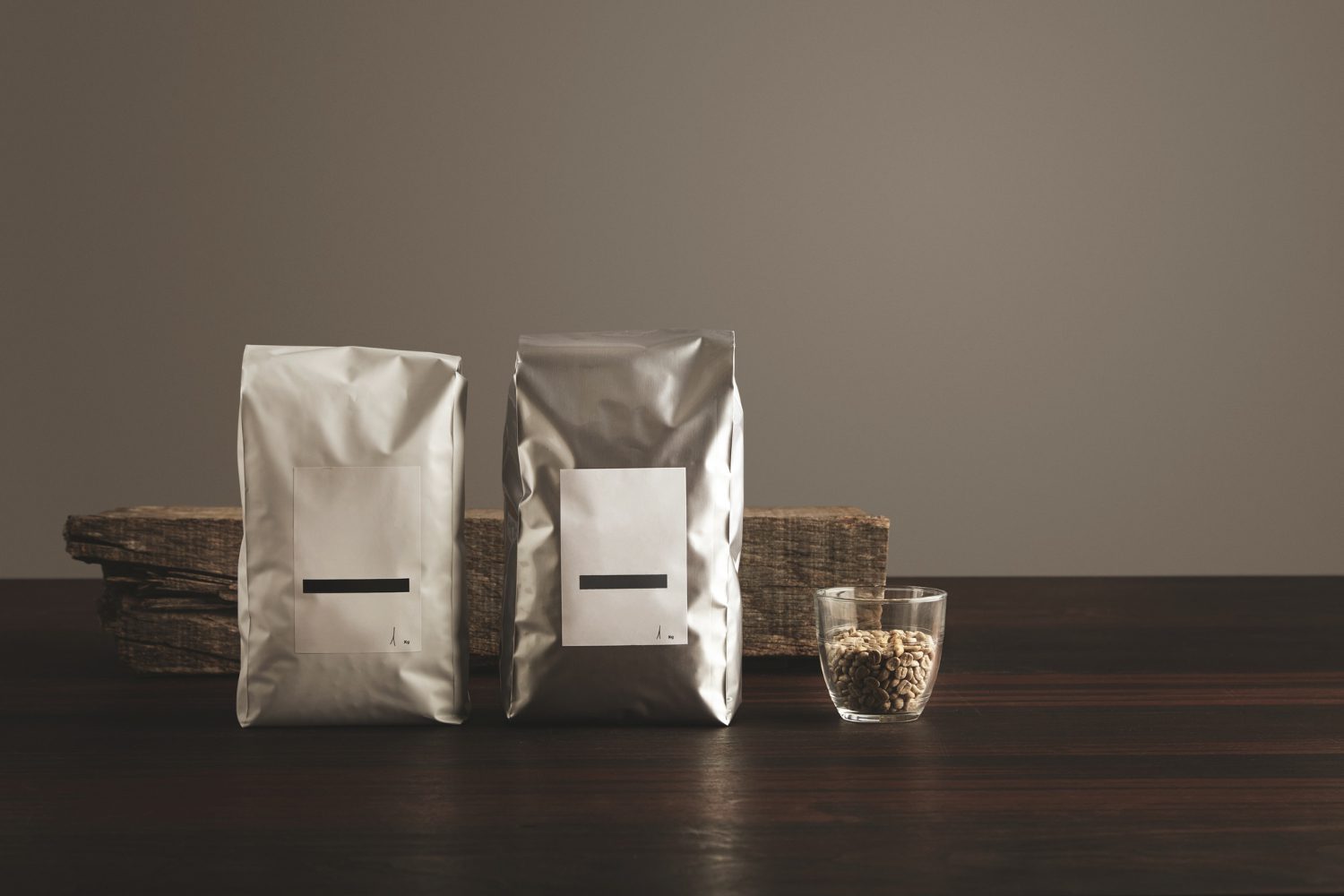
Once the failure mode and the target window are fixed, structure choice becomes a cost exercise. Metallised films and foil laminates give strong barrier against oxygen, moisture and light in one layer, which is why they appear across coffee, milk powder and long-life snacks. Clear high-barrier films keep product visibility but may need an over-lacquer or a secondary layer to reach the same result. Kraft laminates look right for natural positioning but usually need an inner barrier layer to perform.
The right question is how much barrier the window actually needs. Over-specifying is common and expensive, and it can also create a recycling problem that the brand will have to answer for later. Where a product already goes through a thermal process, the structure conversation overlaps with process design, so the retort and shelf life guide is a useful companion.
Closures, Valves and Re-Closure
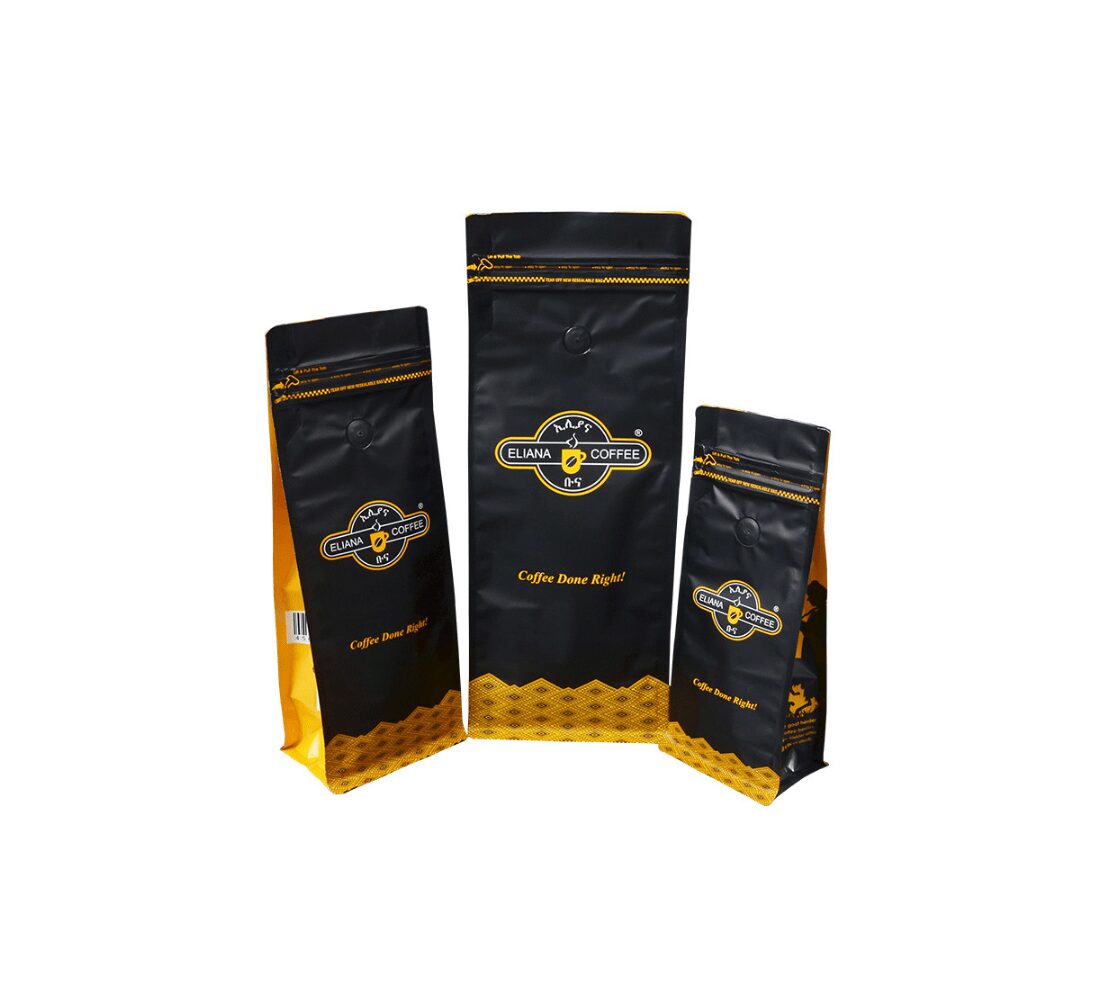
A pack is only as good as its weakest entry point. Zippers, spouts, valves and seals each introduce a path for gas or moisture, and a high-performance film does not fix a leaky closure. Test the finished pack, not the film: fill it, close it as staff would, then measure again after the intended window.
Re-closure matters once the pack is opened. A product consumed over several weeks needs a zipper or slider that still seals after repeated use, and the consumer will not treat it gently. Specify a cycle expectation, then test it on a bench rather than assuming the mechanism will hold.
Validate with a Real Shelf Trial
Laboratory data narrows the field; a shelf trial settles it. Pack the real product in the candidate structures, store them along the intended route, and test at intervals that match the claimed window. Measure the attribute that matches the failure mode, whether that is peroxide value, moisture content, crispness or aroma, and record it against a retained control.
Run the trial at the worst realistic conditions, not the best. Malaysian ambient storage can be hot and humid, and an export route can include container heat, so a trial run in an air-conditioned office will flatter the pack. Keep retained samples from every interval so a production query can be answered with evidence rather than opinion.
Standards and test methods are worth raising with the supplier at this stage. Resources from SIRIM can help frame conversations about Malaysian requirements, while the packaging supplier provides material and batch documentation. The brand owner remains responsible for validating the claim made on its own label with its own product and route.
Long Shelf Life & Barrier Packaging Buyer Checklist
- Name the dominant failure mode and the secondary one.
- State the target window and the distribution route in the same brief.
- Request barrier figures with units, temperature, humidity and test method.
- Ask for data on the converted pouch, not only the flat sheet.
- Test closures and valves on filled packs through the full window.
- Run a shelf trial at the worst realistic storage conditions.
- Keep retained samples at every interval and approve one reference pack.
Frequently Asked Questions
Is the highest barrier always the right choice?
No. Over-specifying adds cost and can create end-of-life problems. Match the barrier to the failure mode and the window, then stop.
Why does a pack fail even when the film data looks strong?
Because performance is usually lost at the seal, the fold or a perforation. Test the finished pouch, closed the way staff actually close it.
How long should a shelf trial run?
At least as long as the intended claim, with intervals that let you see the trend. Running it at the worst realistic conditions is more informative than extending it under ideal ones.
Does a valve solve every swelling problem?
No. A valve helps when gas is generated after filling, but the underlying process, fill temperature and hygiene conditions still need to be addressed.
Conclusion: Long Shelf Life & Barrier Packaging That Earns Its Cost
Effective long shelf life and barrier packaging comes from naming the failure mode, matching the barrier to the real window, and proving the result on the finished pack under the worst conditions you expect. Compare quotes on one basis, judge closures as carefully as film, and keep retained samples at every interval. For a structure and quantity discussion, contact HAIN Packaging through WhatsApp or review its packaging capabilities. There is more on this in E-Commerce & Small Business Packaging Malaysia: Complete Buying Guide.