
Microwave & Oven Safe Packaging: What to Specify
October 6, 2026
Choosing Long Shelf Life & Barrier Packaging That Works
October 6, 2026Ice cream and puff pastry sit at opposite ends of the packaging problem. One must stay frozen, smooth and protected from temperature swings, while the other must stay dry, layered and resistant to fat transfer. How ice cream and puff pastry packaging handles two extremes is therefore the useful question, because a single dessert catalogue often has to serve both. This guide compares the two failure modes, then shows where a shared print system can still work across a mixed range.
Key Takeaways
- Specify from the failure mode: ice cream fails through temperature abuse, pastry fails through moisture and crushing.
- Treat the cold chain as part of the pack, not as a separate logistics problem.
- Control fat transfer and layer separation before worrying about decorative finishes.
- Use one print system across different structures so a mixed range still looks coherent.
- Validate each format with a real distribution run before committing to printed volume.
Table of Contents
- Start with the failure mode
- Cold chain demands for ice cream
- Fat, layers and moisture in pastry
- Compare format choices
- Print, portioning and seasonal ranges
- Storage, transport and waste
- Use a buyer checklist
Ice Cream & Puff Pastry Packaging Starts with the Failure Mode
Every dessert pack is built to stop something specific from happening. Ice cream loses quality when it warms, refreezes and grows ice crystals, so the pack has to support an unbroken cold chain and resist condensation on the outside. Puff pastry loses quality when it absorbs moisture, loses its layers or gets crushed, so the pack has to manage water vapour and mechanical load. These are different problems, and a format chosen for one often underperforms on the other.
The practical step is to write down the dominant failure for each product before requesting samples. Note whether the risk is temperature, moisture, fat, crushing or aroma loss, then rank them. A product with two risks can still be specified, but the pack should be judged against the one that appears first in normal distribution.
| Product | Dominant failure | Secondary risk | Specification priority |
|---|---|---|---|
| Ice cream tub or pouch | Temperature abuse and refreeze | Condensation on outer surface | Cold-chain tolerance, seal at low temperature |
| Ice cream bar wrap | Sticking and surface damage | Print scuffing in cold handling | Release surface, low-temperature seal |
| Puff pastry block | Moisture pickup, layer loss | Corner crushing | Moisture barrier, rigid support |
| Filled pastry unit | Fat transfer and staining | Edge breakage | Grease-resistant contact layer, fit |
Cold Chain Demands for Ice Cream Packs
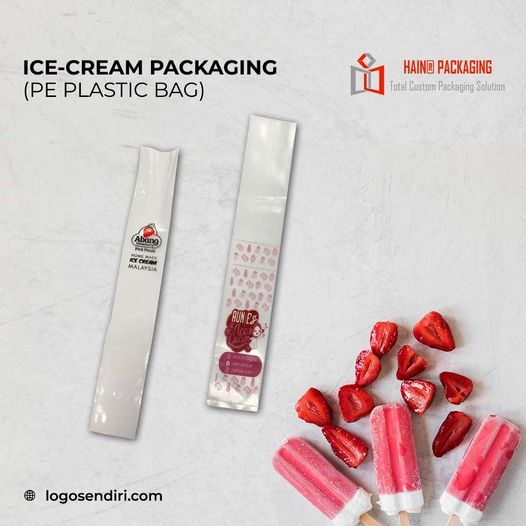
Frozen dessert packaging has to survive conditions that flexible film does not usually see. Seals become less forgiving at low temperature, printed surfaces attract condensation when a pack moves into a warm room, and any stiffness in the structure makes handling harder for staff wearing gloves. Specify seal performance at the temperature the product is packed and sold at, not only at ambient conditions.
Think about the handover points as well. The pack leaves the freezer, travels in a cold box or a delivery bag, sits on a retail shelf and then travels again to the customer. Each handover is a chance for partial thawing. Where the range is distributed through existing frozen lines, the frozen food packaging overview sets out how materials behave across that route.
Fat, Layers and Moisture in Puff Pastry
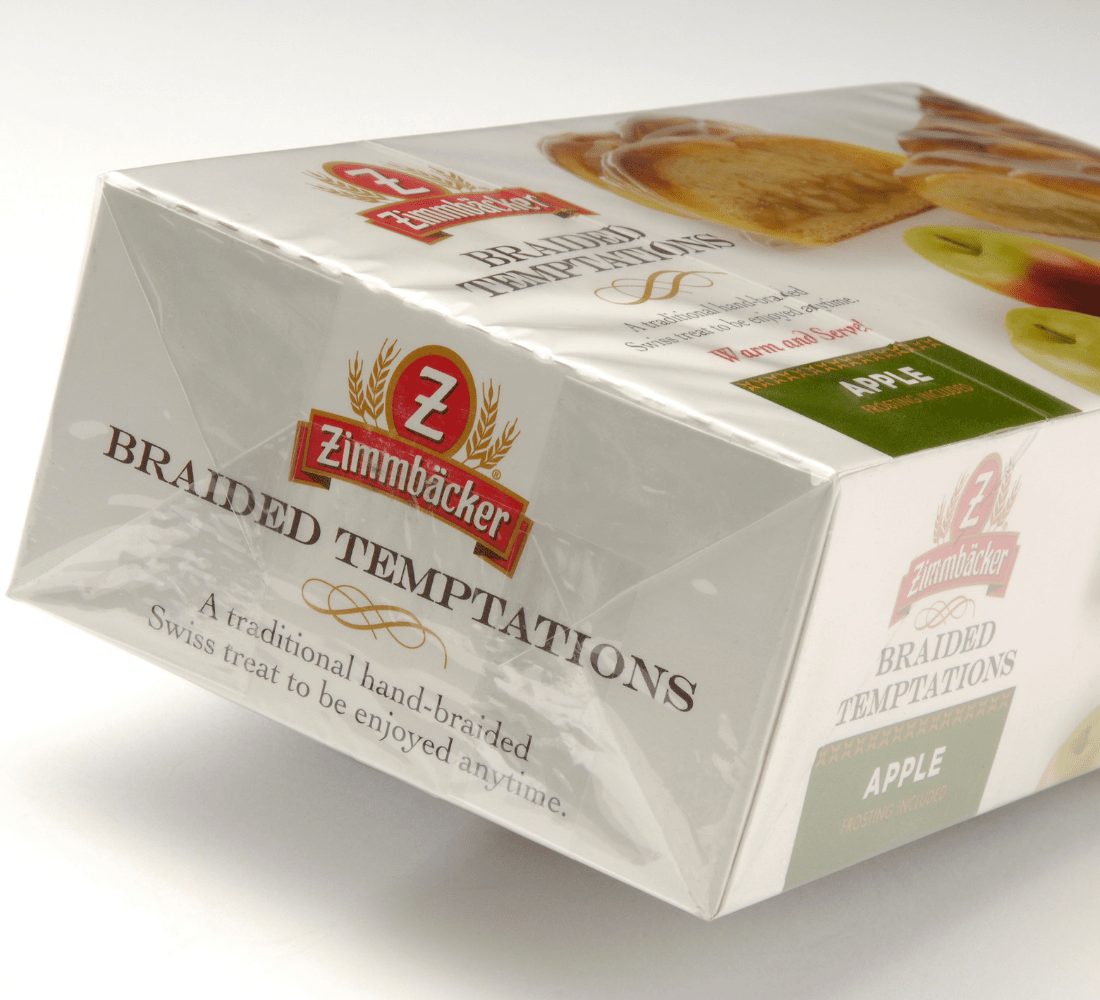
Puff pastry is a structure as much as a recipe. Layers separate because of fat and dough, and they collapse when the pack allows crushing or moisture migration. A format that fits closely without compressing the product is usually better than a larger pack that lets it move. Where the product has a filling, the contact layer also has to resist oil, because visible staining reads as a quality problem even when the pastry itself is intact.
Moisture moves in both directions. A dry pastry can take up water from a humid environment and lose crispness, while a filled product can lose moisture and dry out at the edges. Ask for barrier data that relates to the intended selling window, then validate it with the real product rather than with a generic test. Teams running frozen pastry lines can also check format detail against the pastry bag overview, which looks at fit and grease handling for that shape of product.
Ice Cream & Puff Pastry Packaging Format Choices
Formats split along the same lines as the failure modes. Ice cream suits tubs, lidded containers, pillow packs and wrap formats that tolerate condensation and low-temperature handling. Pastry suits trays, boxes, pillow packs with support and pouches with a grease-resistant inner layer, depending on whether the product is sold frozen or ambient. A mixed dessert range can use both, provided the visual system ties them together.
Where the same brand sells across a counter and a freezer, keep the format family small. Two or three constructions across the range are easier to source and easier for staff to pack correctly than six. Bakeries running both ambient and frozen items can also compare notes with the bakery and snack packaging guide, which covers format planning for mixed counters.
Print, Portioning and Seasonal Ranges
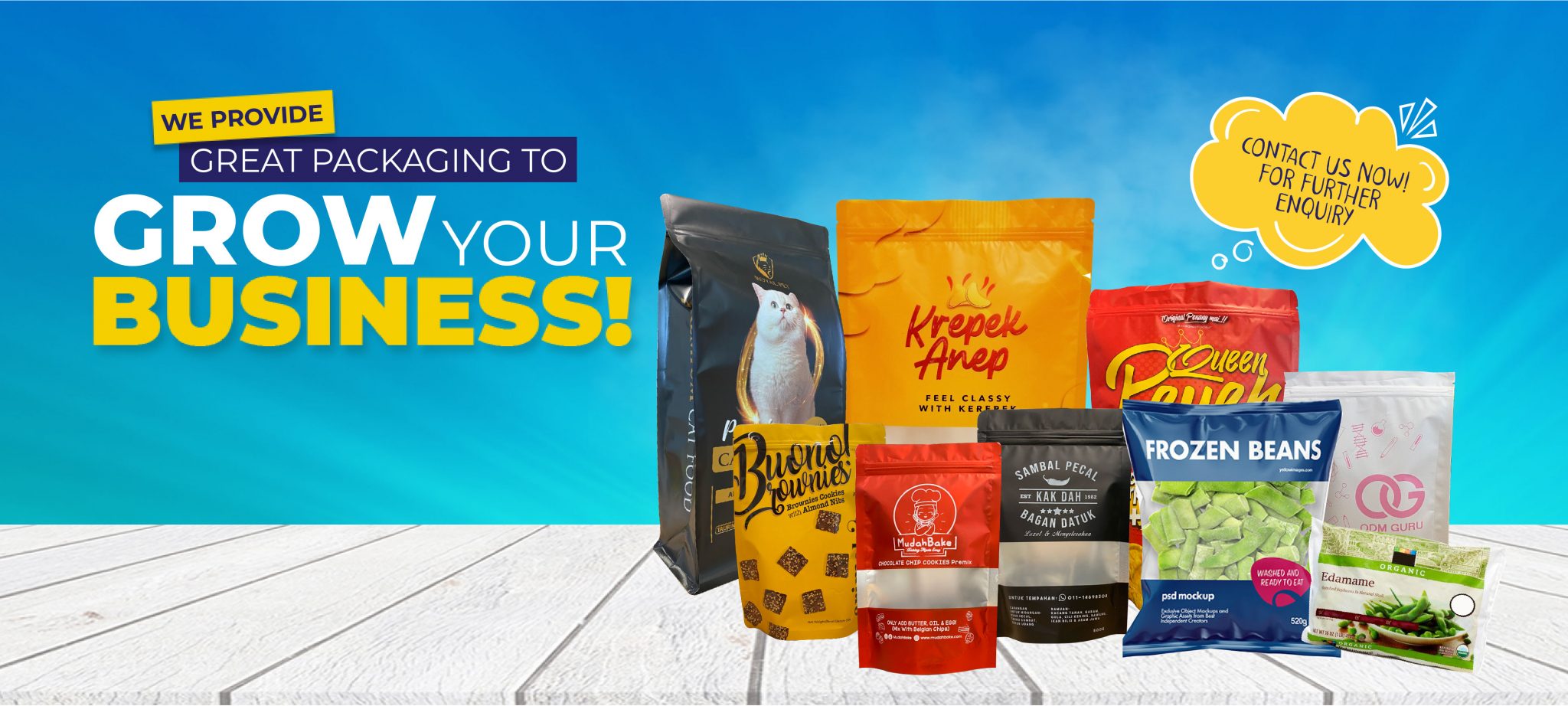
Dessert ranges change more often than staple lines. Festive periods, gifting seasons and limited flavours all create short runs, so the print approach should separate fixed brand elements from variable panels. Keep the logo, colour system and legal text stable, then reserve a panel for flavour, weight and date coding. This reduces artwork errors and makes repeat ordering faster.
Portioning drives pack size more than marketing does. Decide whether the unit is a single serve, a sharing pack or a multipack, then size the pack from the product rather than from a standard bag. A sharing format that leaves too much headspace will show frost or crumbs, which shoppers notice immediately.
Storage, Transport and Waste
Storage conditions matter as much as the pack itself. Frozen product needs stable stacking and protection from crushing under heavier items, while pastry needs dry, ventilated storage away from strong-smelling goods. Set a stacking height, a rotation rule and a maximum dwell time, then write them into the packing procedure.
Waste usually comes from three places: damaged outer packs, incorrect portioning and date confusion. Clear date coding, a sensible pack size ladder and a simple first-expiry-first-out rule remove most of it. Where a product moves between chilled and frozen states, label the intended state clearly so storage staff do not have to guess.
Standards and test methods are a useful frame for supplier discussions. Resources from SIRIM can help structure those conversations about Malaysian requirements, while the packaging supplier provides material and batch documentation. The producer remains responsible for validating shelf performance with its own recipe, distribution conditions and storage practice.
Ice Cream & Puff Pastry Packaging Buyer Checklist
- Write the dominant failure mode for each product and rank secondary risks.
- Confirm seal performance at the temperature the product is packed and sold at.
- Check grease resistance and moisture behaviour with the real recipe.
- Size the pack from the product, then confirm stacking and storage rules.
- Separate fixed brand elements from variable flavour and coding panels.
- Run a distribution trial covering every handover point in the route.
- Approve the dieline, print proof and retained sample before ordering volume.
Frequently Asked Questions
Can one pack serve both ice cream and puff pastry?
Rarely. The dominant failure modes are different, so a shared structure usually over-serves one product and under-serves the other. A shared print system across two structures is the better compromise.
Why does a frozen dessert pack show condensation?
Because the pack moves between temperature zones. Condensation is normal, but the outer surface and print should be specified so they still look acceptable after it forms.
How should portion size be decided?
From the product and the eating occasion. Measure the unit, choose single, sharing or multipack, then size the pack with controlled headspace rather than adopting a standard bag.
What causes crushed pastry corners?
Usually too much internal movement plus stacking load. A closer fit, a support tray or a lower stack height normally solves it before a thicker film is needed.
Conclusion: Ice Cream & Puff Pastry Packaging That Sells
Strong ice cream and puff pastry packaging starts from the way each product fails, then adds only the barrier, support and print features that address measured risks. Keep the format family small, separate fixed artwork from variable panels, and validate every handover point before scaling. For a practical quotation discussion, contact HAIN Packaging through WhatsApp or review its packaging capabilities.