E-Commerce & Small Business Packaging Malaysia: Complete Buying Guide
May 22, 2026
Traditional Malaysian & Frozen Snack Packaging: Kuih, Keropok & Beyond
May 22, 2026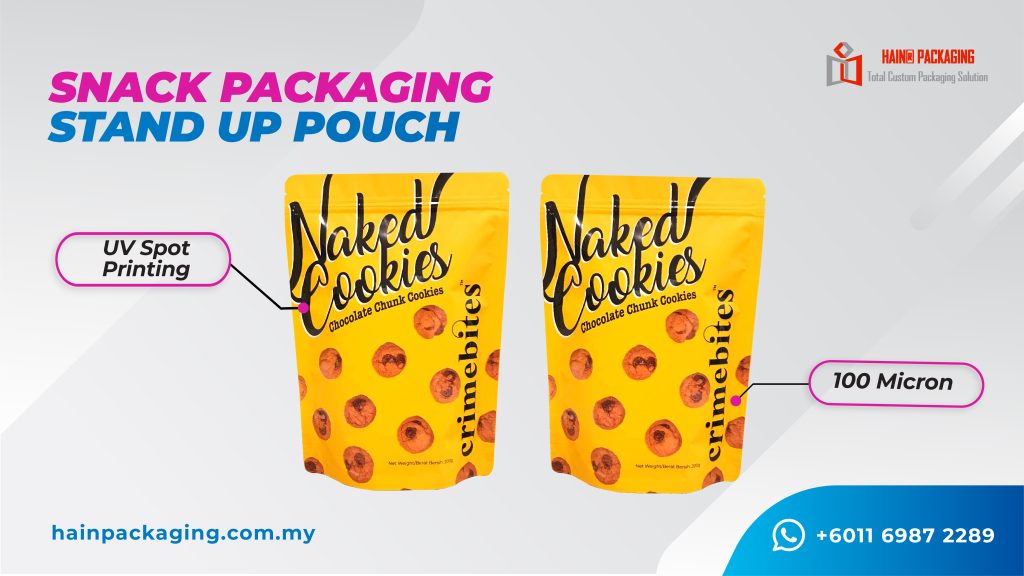
The Rise of Malaysia’s Bakery & Snack Industry — and the Packaging packaging printing services Malaysia That Drives It
Malaysia’s bakery and snack food sector is experiencing remarkable growth. According to recent industry reports, the country’s bakery products market is projected to reach over RM 3 billion by 2027, driven by rising urbanisation, a growing middle class, and increasing demand for convenient, on-the-go food options. From artisanal bakeries in Kuala Lumpur’s coffee districts to large-scale biscuit manufacturers in Selangor, the need for high-quality packaging has never been greater.
Packaging is not merely a container — it is a critical component of product preservation, brand differentiation, and consumer experience. For bakery and snack products specifically, packaging must protect against moisture, oxygen, light, and physical damage while communicating freshness and quality to the buyer. This is where flexible packaging solutions shine.
In this comprehensive guide, we explore the packaging requirements and options for 12 distinct product categories in Malaysia’s bakery and snack sector. Whether you are a small home baker scaling up or an established manufacturer reviewing your packaging line, this guide covers everything from biscuit packaging Malaysia solutions to confectionery pouches, from granola stand-up bags to custom-printed nut packaging.
Biscuit & Cookie Packaging Malaysia
Biscuits and cookies are among Malaysia’s most consumed snack products. From classic cream crackers to premium butter cookies, the packaging must preserve the signature crispness and crumb integrity that consumers expect.
Biscuit Packaging Malaysia: Preserving Crunch in Tropical Humidity
Malaysia’s tropical climate presents a unique challenge for biscuit packaging Malaysia. High ambient humidity (often 70–80% year-round) means that any packaging solution must provide an exceptional moisture barrier. Ordinary polybags will not suffice.
The ideal biscuit packaging structure uses multi-layered laminates — typically a combination of PET (for printability and strength), aluminium foil or metallised film (for moisture and oxygen barrier), and PE or CPP (for heat seal integrity). This combination delivers:
- Moisture vapour transmission rate (MVTR) below 1 g/m²/day
- Oxygen transmission rate (OTR) below 5 cc/m²/day
- Strong puncture resistance to prevent breakage during transport
For biscuits sold in bulk or family packs, stand-up pouches with bottom gussets offer excellent shelf presentation while accommodating varying fill weights. Side-gusseted flat pouches work well for smaller cookie portions sold in convenience stores.
Cookie Packaging Malaysia: Showcasing Premium Bakes
Cookie packaging Malaysia demands more visual appeal than standard biscuit packaging. Premium cookies — whether chocolate chip, oatmeal raisin, or shortbread — benefit from packaging that allows the consumer to see the product inside. This is where window pouches come into play.
A clear window panel (typically made from transparent PET or oriented polypropylene) lets the golden-brown colour and texture of the cookies speak for themselves. For double-sided window pouches, the consumer can inspect the product from both sides without opening the seal.
Key considerations for cookie packaging include:
- Tear notch: Easy-open features are essential for consumer convenience
- Resealable zipper: For cookies consumed over several sittings (especially larger packs)
- Custom printing: High-quality flexographic or rotogravure printing with food-safe inks
- Flat or stand-up format: Stand-up pouches work well for retail shelves; flat pouches for multipacks
Cracker Packaging: Balancing Protection and Portion Control
Crackers — whether cream crackers, rice crackers, or cheese-flavoured varieties — are more fragile than cookies and require additional structural protection. Cracker packaging solutions often incorporate:
- Rigidised laminates that resist flex-cracking during handling
- Inner trays or flow-wrap formats for individually portioned sleeves (common in the hotel and foodservice sector)
- Reclosable features for larger family packs to maintain freshness after opening
Pillow pouches or three-side seal bags are the most common format for the mass market, while premium brands increasingly adopt stand-up pouches with matte finishes and foil accents to signal higher quality.
Cake, Muffin & Pie Packaging Pouches

Cakes, muffins, and pies represent a different packaging challenge compared to biscuits. These products have higher moisture content, shorter shelf lives, and more irregular shapes that require flexible yet protective packaging.
Cake Packaging Pouch: Preserving Moisture and Freshness
A cake packaging pouch must do three things well: retain moisture, prevent crushing, and provide an airtight seal. Malaysian consumers expect cake to remain soft and moist for days after purchase — a requirement that demands packaging with low water vapour transmission.
For reference, visit Malaysian Packaging Manufacturers Association (MPMA).
The most effective cake packaging uses:
- Metallised PET/PE laminates for moisture and light barrier
- Stand-up pouches with wide bottoms to accommodate whole cakes or loaf cakes
- Flat zipper bags for sliced cake portions
- Gusseted bags for taller cake products like pound cake or chiffon cake
For cakes with decorative icing or cream fillings, a rigid plastic tray inside a flexible outer pouch provides the dual benefits of shape retention and barrier protection. This tray-in-pouch format is increasingly popular for premium cake brands in Malaysia’s online bakery market.
Muffin Packaging: Individual Wraps for On-the-Go
Muffin packaging has evolved significantly with the rise of grab-and-go bakery concepts. Individual muffin wraps need to:
- Provide grease resistance (muffins often have butter or oil content that can bleed through standard films)
- Offer easy opening without tearing the product
- Allow for window displays when sold in retail settings
Flow-wrap packaging with printed film is the most cost-effective solution for individually wrapped muffins. For multi-packs, a stand-up pouch with an inner tray insert prevents the muffins from shifting and crushing during transport.
Pie Packaging: Crust Protection for Malaysia’s Favourite Pastries
Malaysian pies — from curry puffs to chicken pies and fruit-filled pastries — require packaging that protects a delicate, flaky crust while presenting the product attractively.
Pie packaging solutions commonly feature:
- Bubble gusset pouches that provide air-cushioning around fragile pastry edges
- Window pouches to display the golden-brown crust
- Resealable formats for pies sold in multipacks
The key challenge for pie packaging is preventing moisture migration from the filling to the crust, which would turn a flaky pastry soggy. A high-barrier laminate with appropriate WVTR ratings is non-negotiable.
Wafer & Brownie Packaging Solutions
Wafer Packaging: Protecting a Delicate Structure
Wafers are among the most fragile snack products to package. Their light, airy, multi-layered structure is prone to shattering — and crushed wafers equal unhappy customers.
Wafer packaging prioritises structural protection above almost everything else. Effective solutions include:
- Multi-wall laminates with extra stiffness to resist transverse forces
- Individual stick-pack formats for wafer sticks (such as the popular cream-filled wafer sticks found in Malaysian convenience stores)
- Tray-in-box formats for premium chocolate-coated wafers
- Stand-up pouches with rigid bottom gussets for retail wafer blocks
Wafer products also have high sensitivity to moisture — a quality that makes the moisture barrier requirements just as stringent as those for biscuits. A good wafer pouch will use aluminium foil or high-barrier metallised film to achieve MVTR below 0.5 g/m²/day.
Brownie Packaging: Balancing Grease Resistance and Presentation
Brownie packaging must handle one unique challenge: grease migration. Brownies, with their high butter and chocolate content, can cause grease staining on standard packaging films, creating an unappealing oily appearance on the pouch exterior.
The solution lies in using films with a specialised grease-resistant coating or incorporating a barrier layer that prevents oil migration through the film structure. For brownie packaging specifically:
- Matte-finish laminates are preferred to mask minor surface variations
- Window pouches let the fudgy texture sell the product
- Stand-up pouches work well for retail sales
- Flat pouches with tear notches suit the online bakery market
Brownies typically have a shorter shelf life (7–14 days at room temperature) compared to biscuits, so modified atmosphere packaging (MAP) can extend freshness by reducing oxygen levels inside the pouch. This requires packaging films with very low oxygen transmission rates.
Granola & Trail Mix Pouch Packaging
Granola Packaging: Keeping Clusters Intact
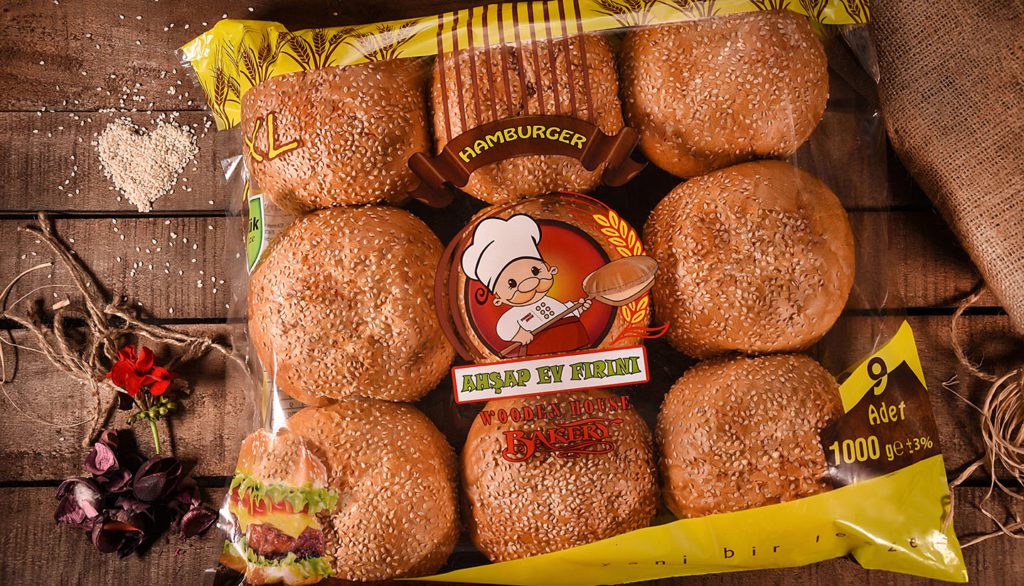
The granola market in Malaysia has grown significantly alongside health-conscious consumer trends. Granola packaging faces the challenge of keeping crunchy clusters intact while protecting the product from moisture, which would turn granola chewy and unappetising.
Stand-up pouches are the dominant format for granola packaging in Malaysia for several reasons:
- They allow for easy scooping and serving
- Resealable zippers maintain freshness across multiple uses
- Wide bottom gussets provide shelf stability
- Large front and back panels offer ample space for nutritional information and branding
For granola, the laminate structure should include:
- A metallised barrier layer to block moisture and light
- High-integrity heat seals to prevent seam failures during shipping
- Reinforced corners at stress points
Trail Mix Pouch: The On-the-Go Format
Trail mix pouch packaging serves a different purpose. While granola is often consumed at home, trail mix is the ultimate on-the-go snack — eaten during hikes, road trips, office breaks, and school lunches.
The ideal trail mix pouch is:
- Lightweight and portable — compact enough to fit in a bag or lunchbox
- Resealable — trail mix is rarely finished in one sitting
- Transparent or windowed — consumers want to see the mix of nuts, seeds, dried fruits, and chocolate pieces
- Durable — trail mix contains sharp-edged nuts and seeds that can puncture inferior films
Small stand-up pouches (75–200 g capacity) with clear windows and resealable zippers are the gold standard for trail mix packaging in Malaysia’s retail market.
Pillow pouches with tear notches are a simpler, lower-cost option for multipacks or economy ranges, though they sacrifice the resealability that consumers increasingly expect.
Confectionery Packaging Malaysia
Confectionery Packaging Malaysia: Colour, Shelf Appeal and Freshness
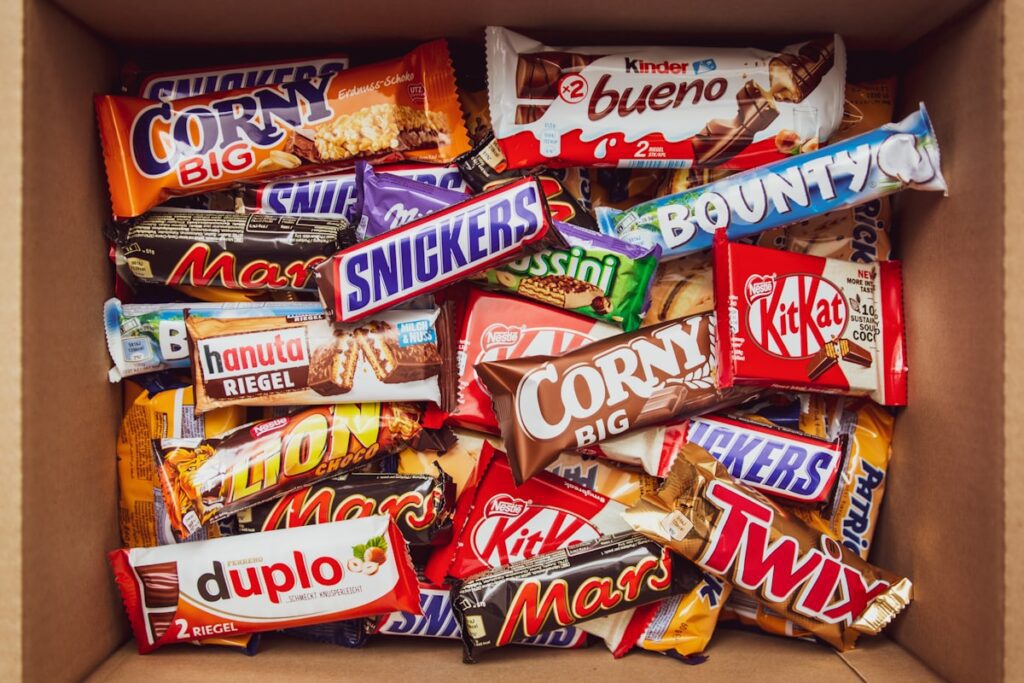
Confectionery packaging Malaysia covers everything from hard candies and lollipops to gummy sweets, marshmallows, and chocolate confections. The packaging must balance visual appeal (confectionery is an impulse-buy category) with functional freshness protection.
For Malaysian confectionery manufacturers, the most common packaging formats include:
- Flow-wrap pouches: Ideal for individually wrapped candies and chocolate bars. High-speed flow wrapping keeps unit costs low while providing a complete seal against moisture and contaminants.
- Stand-up pouches: Popular for bagged gummies, jelly sweets, and assorted candy mixes. Clear or windowed formats let the colourful sweets drive impulse purchases.
- Stick packs: Narrow, single-serving pouches perfect for throat lozenges, mint candies, and powdered confectionery.
- Bag-in-box: Used for bulk confectionery sold at wholesale or through vending channels.
Chocolate confectionery requires special attention to temperature stability — Malaysia’s year-round heat means packaging must offer some thermal insulation or at least prevent the chocolate from melting against the pouch walls. Metallised films help by reflecting radiant heat, while foil laminates provide the ultimate barrier.
Colour accuracy in printing is especially important for confectionery packaging. Bright, saturated colours printed on high-gloss film substrates create the shelf impact that drives impulse purchasing in convenience stores and hypermarkets like AEON, 99 Speedmart, and Village Grocer.
Nut & Dried Snack Packaging Options
Nut Packaging Malaysia: Oil Migration and Freshness Control
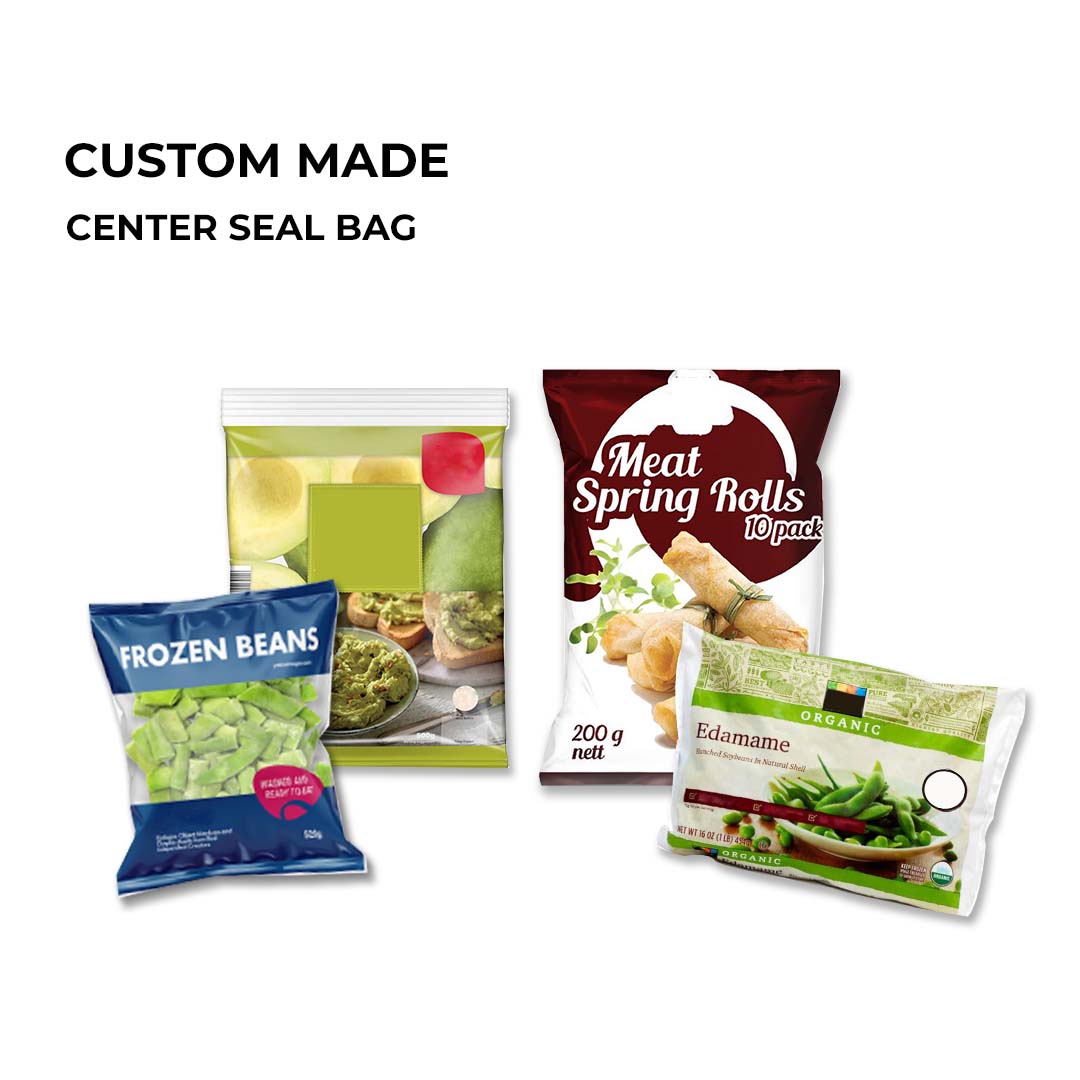
Nut packaging Malaysia presents a distinct set of challenges. Nuts are high in natural oils that can migrate to the packaging surface over time, causing staining and potential seal integrity issues. They are also highly susceptible to rancidity if exposed to oxygen, light, or elevated temperatures.
The essential requirements for nut packaging include:
- High oxygen barrier: Nuts oxidise quickly, developing off-flavours when exposed to oxygen. An aluminium foil layer or high-barrier metallised film with OTR below 2 cc/m²/day is recommended.
- Light barrier: UV light accelerates lipid oxidation. Opaque packaging or metallised films block harmful light wavelengths.
- Oil-resistant seals: The seal area must resist contamination from nut oils during the filling process to ensure hermetic closure.
- Puncture resistance: Almonds, macadamias, and pistachios have hard, sharp shells or kernels that can puncture standard films.
Stand-up pouches with resealable zippers dominate the retail nut packaging market in Malaysia, from 50 g single-serve packs to 500 g family bags. For bulk supply to bakeries and food manufacturers, laminated woven polypropylene bags offer superior strength and cost efficiency.
Cashew nuts — a Malaysian favourite — benefit from packaging with a clear window panel that highlights the creamy colour and uniform size of premium-grade cashews.
Dried Fruit and Snack Pack Combinations
Dried fruits — mango strips, raisins, cranberries, dates, and jackfruit chips — have their own packaging needs. These products are hygroscopic (they absorb moisture from the air), which can cause clumping, sugar crystallisation, or microbial growth.
Packaging for dried fruits must:
- Provide an excellent moisture barrier to prevent rehydration
- Use sealants that resist sugar contamination (sticky dried fruits can compromise heat seals)
- Offer transparent options when visual product inspection is valued
Combination snack packs — mixing nuts, dried fruits, seeds, and chocolate pieces — benefit from clear or windowed packaging that showcases the product variety. The packaging must also accommodate the different particle sizes and densities within the mix without shifting during transport.
Material Requirements for Snack Packaging
Regardless of the specific product, all bakery and snack packaging in Malaysia must meet certain material performance standards. Understanding these requirements is essential for selecting the right packaging solution.
Moisture Barrier
The moisture vapour transmission rate (MVTR) is the single most critical metric for snack packaging in tropical Malaysia. Products must remain crisp, dry, and shelf-stable despite ambient humidity levels that often exceed 80%.
- Low-moisture products (biscuits, crackers, wafers): MVTR below 1 g/m²/day
- Intermediate products (granola, nuts, brownies): MVTR between 1–5 g/m²/day
- High-moisture products (cakes, muffins): MVTR below 10 g/m²/day, with careful moisture management
Aluminium foil laminates offer the best moisture barrier (< 0.1 g/m²/day), followed by metallised films and high-barrier transparent films.
Oxygen Barrier
Oxidation causes rancidity in nuts, staleness in crackers, and flavour degradation in all snack products. The oxygen transmission rate (OTR) must be matched to product sensitivity.
- Highly sensitive (nuts, chocolate, fried snacks): OTR below 5 cc/m²/day
- Moderately sensitive (cookies, crackers): OTR below 20 cc/m²/day
- Less sensitive (hard candies, certain pastries): OTR below 100 cc/m²/day
Light Barrier
UV and visible light can degrade snack quality by accelerating oxidation and causing colour fading. Opaque or metallised packaging provides the best protection, while clear or windowed packaging trades some protection for visual merchandising appeal.
Grease and Oil Resistance
For products with high fat content — nuts, brownies, butter cookies, chocolate — the packaging film must resist grease migration that could compromise appearance, seal integrity, or print quality. Grease-resistant coatings or barrier layers are integrated into the laminate structure.
Seal Integrity
Heat seal strength is often overlooked but is critical for product freshness. Weak seals can fail during shipping, especially with heavier products like trail mix or bulk nut packs. The sealant layer (typically PE or CPP) must be selected for the product weight, fill temperature, and required seal temperature range.
Customisation: Windows, Tear Notches, Resealable Features
Tear notches deserve special attention because they decide how easily customers open snack packs — see our tear notch packaging and steam pouch manufacturing guide for the full engineering picture.
One-size-fits-all packaging rarely works in today’s competitive snack market. Custom features allow brands to differentiate their products and improve the consumer experience.
Window Pouches
A window pouch incorporates a transparent panel in an otherwise opaque bag, allowing consumers to see the product inside. For bakery and snack products, windows are particularly effective because visual appeal drives purchase decisions.
Options include:
- Single-sided windows: A transparent patch on the front panel
- Double-sided windows: Transparent panels on both sides
- Full-front windows: The entire front panel is transparent, with printing on the back
- Shaped windows: Custom die-cut shapes (circles, ovals, decorative silhouettes)
Window films must maintain adequate barrier properties in the transparent area. High-barrier transparent films (such as transparent metallised PET or SiO₂-coated films) can provide good barrier performance without sacrificing product visibility.
Tear Notches
A tear notch is a small cut or laser-etched line at the pouch edge that initiates a clean, straight tear across the film. This simple feature dramatically improves the consumer opening experience.
Not all films tear cleanly — laminates with aluminium foil may require laser scoring for a straight tear path. When specifying tear notches, the film orientation and laminate structure must be considered to ensure the tear propagates in the intended direction.
Resealable Zippers
Resealable zipper pouches have become the standard expectation for many snack categories in Malaysia. A press-to-close zipper at the pouch mouth allows consumers to open, consume, and reseal the pack multiple times without losing product freshness.
Zipper options include:
- Standard press-to-close: Simple and cost-effective
- Slider zippers: Easier to open for consumers with limited dexterity
- Child-resistant zippers: Required for certain product categories
The zipper must be compatible with the film structure and fill equipment. Retrofitting zipper applicators to existing form-fill-seal machines is possible but requires careful engineering.
Other Custom Features
- Euroslots: Die-cut hanging slots for retail peg displays
- Corner cuts: Angled corners for a more refined appearance
- Back-seal flaps: Extended back seals for additional branding space
- Argon gas flushing: Modified atmosphere packaging to extend shelf life
- Anti-static treatments: For reducing dust attraction on printed surfaces
Low MOQ Bakery Packaging for Small Bakeries
Why Low MOQ Matters for Small Bakeries
Malaysia’s home-based bakery sector has exploded in recent years, driven by platforms like Shopee, Lazada, Instagram, and WhatsApp marketing. These small businesses typically:
- Produce in small batches with frequent flavour rotations
- Cannot afford thousands of pre-printed bags sitting in inventory
- Need fast turnaround on packaging orders
- Require packaging that looks premium without premium minimum quantities
Low MOQ Packaging Solutions
Progressive packaging manufacturers in Malaysia now offer low minimum order quantity (MOQ) options specifically designed for small and medium bakery businesses:
- MOQ as low as 500–1,000 pieces per design — compared to the industry standard of 5,000–10,000
- Standard sizes with custom printing — using common pouch dimensions that fit standard product weights
- Digital printing for short runs — digital gravure and flexographic printing technologies make short runs economical, with no plate charges
- Blank or stock pouches with sticker labels — an entry-level option where generic pouches are customised with printed labels
What to Look for in a Low MOQ Supplier
When sourcing low MOQ packaging, bakery businesses should look for suppliers who offer:
- Flexible film structures (not just single-layer polyethylene)
- Custom printing with colour matching
- A choice of features (windows, zippers, tear notches)
- Consistent quality across all runs
- Responsive customer service for reorders and design changes
The right packaging partner grows with your business — starting with small, customisable orders and scaling up as production volumes increase.
FAQ: Bakery, Biscuit & Snack Packaging in Malaysia
1. What is the best packaging material for biscuits in Malaysia’s humid climate?
Multi-layered laminated films combining PET (for strength), aluminium foil or metallised film (for moisture barrier), and PE/CPP (for heat sealing) provide the best protection for biscuits in Malaysia’s tropical humidity. Look for packaging with MVTR below 1 g/m²/day.
2. Can I get custom-printed packaging with small minimum quantities?
Yes. Many packaging manufacturers in Malaysia now offer low MOQ options starting at 500–1,000 pieces per design using digital printing technology. This makes custom packaging accessible for home bakers, cottage industry producers, and small bakeries.
3. What is the difference between a stand-up pouch and a flat pouch?
A stand-up pouch has a gusseted bottom that allows it to stand upright on retail shelves, offering better product visibility and easy scooping. A flat pouch (three-side seal or pillow pouch) lies flat and is generally more cost-effective for single-use or multi-pack applications.
4. How do resealable zippers affect packaging cost?
Resealable zippers add approximately 10–20% to the pouch unit cost depending on zipper type, film structure, and order quantity. However, the improved consumer experience and potential for premium pricing often offset the additional cost.
5. Is window packaging suitable for all snack products?
Window packaging works best for products with visual appeal — decorated cookies, colourful confectionery, mixed trail mixes, or premium baked goods. For products sensitive to light (such as chocolate or certain nuts), a small window or opaque packaging with printed imagery may be more appropriate.
6. How do I choose the right pouch size for my product?
Consider your product volume, weight, and piece dimensions. The pouch should be large enough to allow easy filling but not so large that the product shifts excessively during transport. Most packaging manufacturers provide size guides and samples to help you select the right fit.
7. Can flexible packaging be recycled in Malaysia?
While most flexible packaging laminates are not curbside recyclable recyclable stand up pouch due to their multi-material structure, mono-material alternatives (such as all-PE or all-PP laminates) are becoming available. These recyclable-friendly options are still evolving in Malaysia but represent an important sustainability direction for the industry.
Conclusion: Choose the Right Packaging Partner for Your Bakery & Snack Brand
From the delicate crunch of a cream cracker to the moist richness of a chocolate brownie, every bakery and snack product in Malaysia deserves packaging that protects, preserves, and presents it at its best. Whether you are manufacturing biscuit packaging Malaysia solutions at industrial scale or hand-packaging artisanal cookies from a home kitchen, the right flexible packaging makes all the difference.
Key takeaways:
- Biscuits, cookies, and crackers require high-barrier laminates with strong moisture protection
- Cakes, muffins, and pies need packaging that retains moisture while protecting delicate structures
- Wafers and brownies demand specialised solutions for fragility and grease resistance
- Granola and trail mix benefit from stand-up pouches with resealable features
- Confectionery packaging prioritises visual shelf appeal alongside freshness protection
- Nuts and dried snacks need oxygen and light barriers to prevent rancidity
- Custom features — windows, tear notches, resealable zippers — enhance consumer experience
- Low MOQ options make professional packaging accessible to small bakeries
Ready to elevate your snack packaging? HAIN Packaging — a trusted name in Malaysia’s flexible packaging industry — offers custom flexible packaging solutions for bakery, biscuit, snack, and confectionery brands of all sizes. From high-barrier stand-up pouches to custom-printed window bags with resealable features, their team works with you to create packaging that sells. For the specifics, Malaysian F&B Packaging: Bakery, Sauce & Frozen covers it step by step.
Visit HAIN Packaging for Bakery & Snack Packaging Solutions →