Eco Friendly & Recyclable Packaging Malaysia: Your 2026 Sustainability Guide
May 22, 2026
Industrial, Agricultural & Specialty Bags Malaysia: Pouches for Feed, Fertilizer & More
May 22, 2026
Cling Film, Document Pouches & Specialty Packaging packaging supplier Malaysia Malaysia
< For more options, check out our guide on packaging printing Malaysia./p>When businesses think of packaging, standard poly bags and boxes usually come to mind first. But the reality of modern commerce — especially in Malaysia’s growing manufacturing, logistics, and e-commerce sectors — demands something broader. Between the basic poly bag and the custom-printed box lies an entire category of specialty packaging that solves real problems: products that leak, documents that need protection, fragile goods that must survive shipping, and consumer packages that need to open easily and close again.
This guide covers eight categories of specialty packaging available in Malaysia — from cling film for industrial wrapping to void fill for fragile shipments. Whether you run a factory, a courier service, or an online store, understanding these options helps you package smarter.
—
Cling Film & Stretch Film Packaging: Industrial Applications
Cling film packaging — also referred to as stretch film or pallet wrap — is one of the most widely used industrial packaging materials in Malaysia. It serves a single purpose with remarkable efficiency: securing products tightly on pallets for storage and transport.
How Cling Film Works
Cling film is a highly stretchable polyethylene film that clings to itself without adhesive. When wrapped around a pallet load, it applies compression that holds items in place, prevents shifting during transit, and protects against dust and moisture.
Key Applications
- Pallet unitisation: Wrapping finished goods before shipping to warehouses or customers
- Bundling: Securing multiple boxes, cartons, or loose items together
- Waterproofing: Adding a protective layer around pallets exposed to rain or humidity
- Tamper evidence: Stretch film reveals visible signs if a pallet has been opened
Cling Film vs. Stretch Film
In Malaysia, the terms “cling film” and “stretch film” are often used interchangeably. Technically:
| Type | Characteristics | Best For |
|---|---|---|
| Machine stretch film | Thinner gauge, high stretch rate (200–300%) | Automated pallet wrapping lines |
| Hand stretch film | Thicker gauge, lower stretch rate (50–100%) | Manual wrapping in smaller operations |
| Pre-stretched film | Already stretched during manufacturing | Consistent wrap, less worker fatigue |
| Coloured/UV film | Tinted or UV-resistant | Product identification or outdoor storage |
Sourcing in Malaysia
Industrial cling film is available in Malaysia through packaging suppliers and direct manufacturers. Most offer cling film packaging in various widths (300 mm to 1500 mm), gauges (12–30 micron), and core sizes (2″ or 3″ inner diameter). Some suppliers also offer custom-printed stretch film for brand visibility on pallets.
If you need high-volume stretch film for warehouse or logistics use, work with a supplier who can provide consistent gauge thickness and elongation properties — these directly affect wrap quality and cost per pallet.
—
Plastic Envelopes & Document Pouches: Secure Mailing
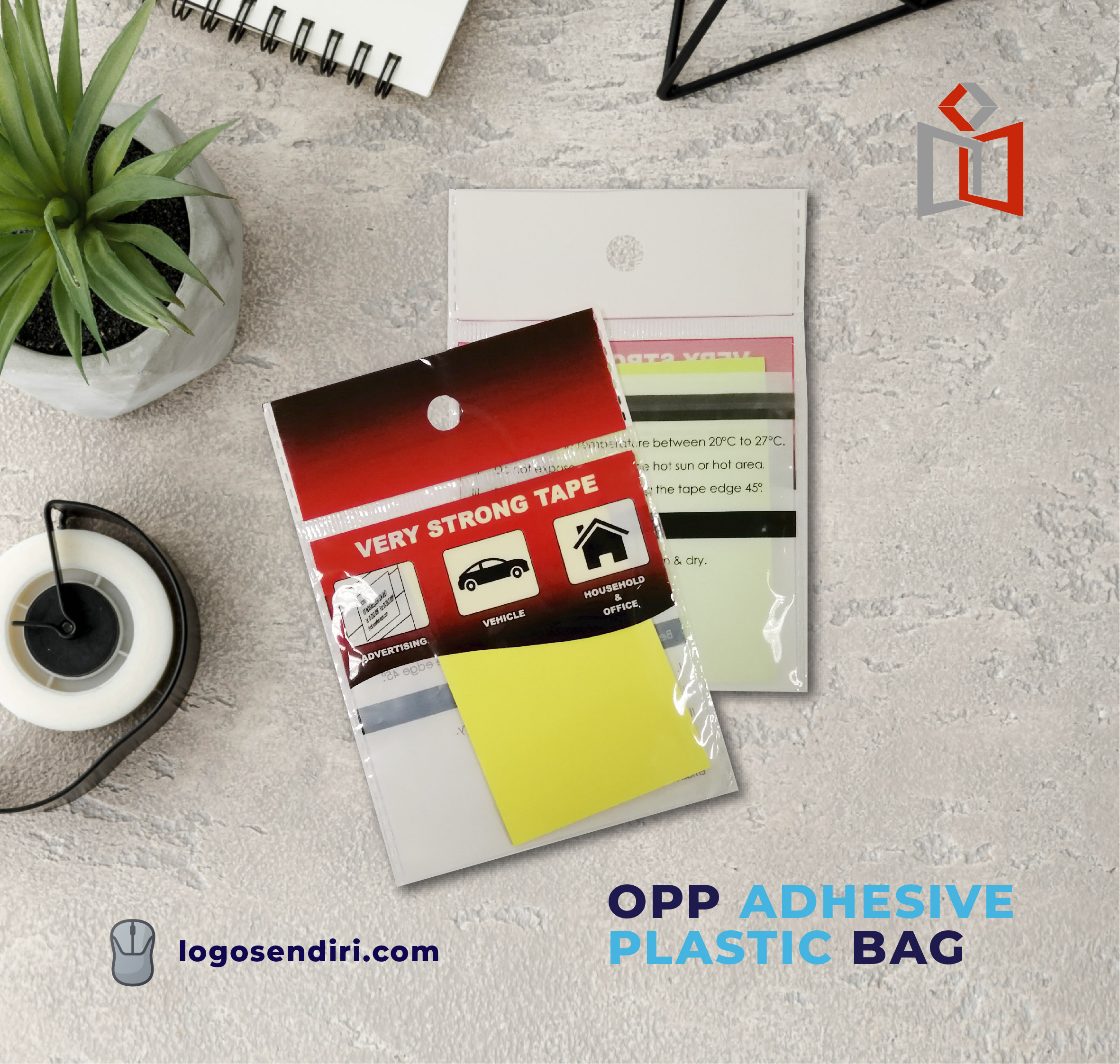
The humble plastic envelope Malaysia market has grown significantly alongside e-commerce and document courier services. Also called document pouch plastic envelopes, these are lightweight, waterproof alternatives to paper envelopes.
Why Plastic Envelopes?
Paper envelopes tear easily, absorb moisture, and offer minimal protection for important documents. Plastic envelopes solve all three problems:
- Water-resistant: Polyethylene or polypropylene material keeps documents dry
- Tear-resistant: Much stronger than paper, even when punctured
- Lightweight: Plastic envelopes weigh less than padded paper mailers
- Semi-transparent options: Allow visual inspection without opening
Types of Plastic Document Pouches
1. Self-Seal Plastic Envelopes
These have a permanent adhesive strip covered by a release liner. They are tamper-evident (peeling open leaves visible damage) and ideal for legal documents, contracts, and certificates.
2. Bubble-Lined Plastic Envelopes
Also called padded poly mailers. The interior bubble layer adds cushioning for items like hard drives, phones, or small electronic components. Common in e-commerce shipping.
3. Courier Pouch (Reusable)
Heavy-duty plastic pouches with a zip closure or snap button, used by courier companies for same-day or inter-branch document delivery. Many are designed for multiple trips.
4. A4 and A3 Presentation Pouches
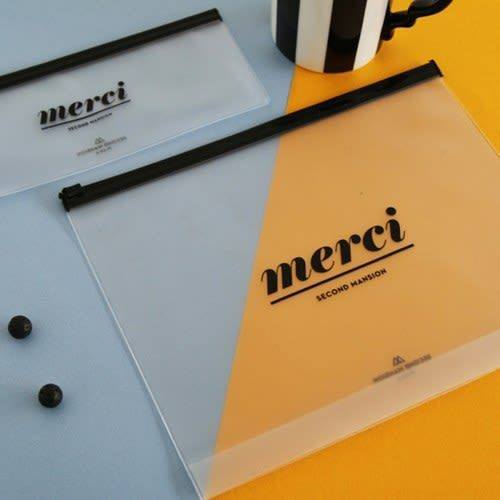
Clear front plastic document pouches used for certificates, menus, or presentation materials. Often have a flap or button closure.
Best Practices for Document Pouch Packaging
- Use document pouch plastic envelopes for any paper-based item that must arrive flat and dry
- For international shipping, choose thicker gauge (100+ micron) plastic to withstand handling
- Ensure the adhesive strip is at least 15 mm wide for a secure seal
- For courier return services, consider reusable pouches with tamper-proof seals
In Malaysia, plastic envelope Malaysia options range from single-piece retail packs to bulk wholesale boxes for courier companies and corporate users.
—
Flat Pouches: Simple, Versatile, Cost-Effective
Flat pouch Malaysia products are among the most versatile packaging formats available. A flat pouch is exactly what it sounds like — a simple bag made from two sheets of film sealed on three or four sides, with one open end for filling.
Why Choose Flat Pouches?
Flat pouches are the workhorse of product packaging:
- Low material cost: Minimal film usage compared to stand-up pouches
- Easy storage: Flat pouches stack flat, saving warehouse space
- Versatile sizing: Can be manufactured from 50 mm × 80 mm up to large sack sizes
- Multi-layer options: Available with barrier films for moisture, oxygen, or light protection
- Printable: Full-surface printing available for branding and product information
Common Applications
| Application | Pouch Type | Key Requirement |
|---|---|---|
| Retail products (small parts, accessories) | Plain or printed flat pouch | Clear window or full print |
| Food packaging (snacks, dried goods) | Barrier flat pouch | Multi-layer lamination |
| Hardware and tools | Heavy-duty flat pouch | Thicker gauge or reinforced seals |
| Garments and textiles | Large flat pouch | Perforation or resealable options |
| Promotional materials | Printed flat pouch | Full-colour print |
Choosing Flat Pouches in Malaysia
When sourcing flat pouch Malaysia products, consider:
- Film type: Polyethylene (PE) for general use, polypropylene (PP) for clarity, laminated films for barrier properties
- Seal type: Heat seal is standard; cold seal available for heat-sensitive products
- Thickness: Measured in microns — 50–80 micron for light items, 100–150 micron for heavier products
- Printing: Flexographic for simple designs, rotogravure for high-quality photographic prints
Most Malaysian packaging manufacturers offer flat pouches in custom sizes with short lead times (2–4 weeks) for custom-printed orders.
—
Reclosable Pouch Packaging: Convenience for Consumers
Reclosable pouch packaging (also called zipper pouches or resealable bags) adds a simple but valuable feature: the ability to open, remove part of the contents, and close again for later use.
The Consumer Benefit
Consumers love reclosable packaging because it solves a fundamental annoyance. Once a standard bag is opened, the contents must be consumed quickly, transferred to another container, or risk spilling. A reclosable pouch eliminates all three problems.
Types of Reclosable Pouches
1. Press-to-Close (Zipper) Pouches
The most common type. A plastic zipper track runs across the top of the pouch. The user presses the two tracks together to seal. Widely used for food, pet treats, hardware kits, and craft supplies.
2. Slider Zipper Pouches
Similar to press-to-close but with a plastic slider mechanism. Easier to open and close, especially for users with limited hand strength. Common in premium food packaging.
3. Pinch-and-Seal Bags
No zipper — the user folds the top and presses a tacky adhesive strip. Lower cost than zipper pouches but fewer resets. Used for bread bags and produce.
4. Wire Tie Bags
A metal wire embedded in the hem. Fold and twist to close. Simple, reusable, and very low cost. Used for coffee beans, dried foods, and bulk items.
Manufacturing Considerations
Reclosable pouch packaging adds complexity to manufacturing:
- The zipper track requires precise alignment during pouch forming
- Zipper material must match the base film (usually PE or PP)
- Filling speed may be slower because the zipper area must stay clean for sealing
- Cost premium: reclosable pouches cost 15–30% more than standard flat pouches
When to Use Reclosable Pouches
Reclosable packaging makes sense when:
- The product is consumed in multiple portions
- The product must stay fresh between uses
- The user needs to access the product repeatedly
- The product is a gift or set with multiple components
For Malaysian businesses, reclosable pouch packaging is especially popular in the food industry (snacks, dried seafood, spices) and the hardware/tool industry (screws, fittings, craft supplies).
—
Tear Notch Packaging: Easy Open Solutions
Tear notch packaging addresses one of the most common consumer complaints: packaging that is difficult to open. A tear notch is a small V-shaped cut or laser-perforated line at the edge of a pouch that initiates a controlled tear across the film.
How Tear Notches Work
The notch creates a stress concentration point. When the user pulls at the notch, the tear propagates along the film’s orientation rather than ripping randomly. This gives a clean, predictable opening.
Types of Tear Notches
| Type | Description | Best For |
|---|---|---|
| V-notch | Simple V cut at the pouch edge | Thin films (snacks, candies) |
| Laser score | Partial-depth laser cut across the pouch | Laminated films, stand-up pouches |
| Perforated tear line | Series of small holes creating a tear path | Larger pouches, multi-serving packs |
| Corner tear | Tear notch at the corner seam | Flat pouches, medical packaging |
Benefits of Tear Notch Packaging
- Improved user experience: Customers can open packaging without scissors or teeth
- Reduced product damage: Controlled tearing prevents the contents from spilling
- Tamper evidence: A torn notch is visible proof the package has been opened
- Brand perception: Easy-open packaging signals attention to quality
Implementing Tear Notches in Malaysia
Most Malaysian pouch manufacturers can add tear notches during the die-cutting stage. The additional cost is minimal — typically RM 0.01–0.03 per pouch depending on the type and precision required.
For laminated films (pet food, coffee, dried goods), laser scoring is the preferred method because it cuts through the outer layer without compromising the inner seal layer, maintaining barrier properties until the user opens the pack.
—
Four Side Seal Pouches: Clean, Professional Finish
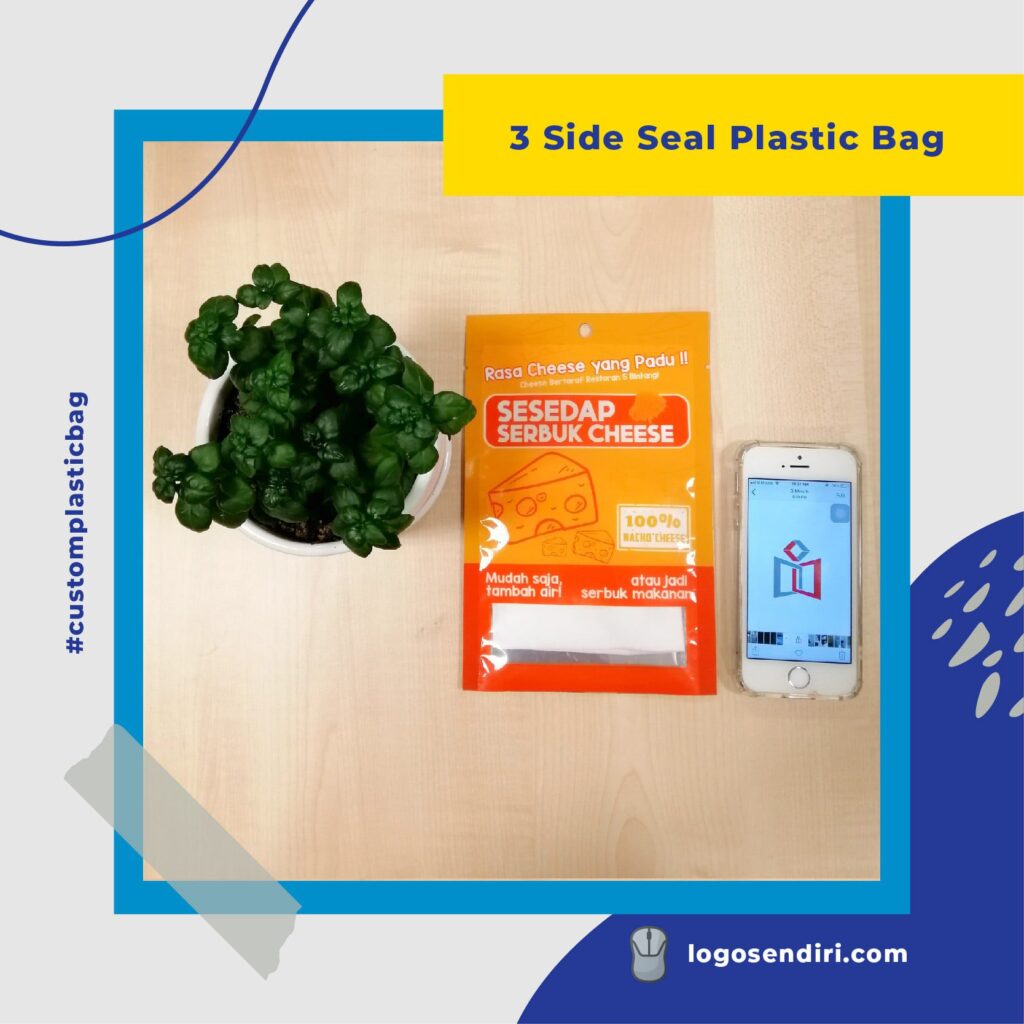
Four side seal pouch packaging offers one of the cleanest, most professional presentations available. As the name suggests, these pouches are sealed on all four sides, creating a pillow-like package with printed area on both front and back.
How Four Side Seal Pouches Are Made
Two sheets of film are placed together and heat-sealed around all four edges. A small unsealed section (or a filling nozzle) is used to insert the product before the final seal is applied. The result is a completely enclosed package with no open edges.
Key Advantages
- Full-surface printing: Both sides are continuous, uninterrupted surfaces ideal for high-impact graphics and product information
- Superior barrier protection: No open gussets or folded edges — every seam is a welded heat seal
- Professional appearance: The pillow shape and clean edges convey quality, especially in retail settings
- Moisture and oxygen barrier: With appropriate laminated films, four side seal pouches provide excellent protection against environmental factors
- Tamper evidence: Opening any sealed edge leaves visible damage
Applications
Four side seal pouches are commonly used for:
- Coffee packaging (ground and whole bean): One-way degassing valve can be added
- Nutritional supplements: Powders and capsules benefit from the moisture barrier
- Medical and pharmaceutical items: Sterile pouches for single-use devices
- Electronics components: Small parts that must stay dry
- Samples and promotional packs: Small quantities that need a premium look
Sizing and Customisation
In Malaysia, four side seal pouch sizes range from small sachets (50 mm × 70 mm) to large pillow pouches (300 mm × 400 mm). Custom sizing is standard. Most manufacturers offer:
- Clear, matte, or metallic film finishes
- Degassing valves for fresh coffee and produce
- Tear notches for easy opening
- Reclosable zipper options
- Full-colour rotogravure printing
The four side seal pouch is the go-to choice when presentation matters as much as protection.
—
Void Fill Packaging: Protecting Fragile Goods
Void fill packaging refers to materials used to fill empty space inside shipping cartons. When there is a gap between the product and the box walls, movement during transit can cause breakage. Void fill eliminates that movement.
Types of Void Fill Materials
1. Kraft Paper Void Fill
Crinkled or shredded kraft paper. Biodegradable, recyclable, and low cost. Ideal for lightweight products.
2. Air Pillows (Air Bags)
Plastic cushions filled with air. Lightweight, expand to fill spaces, and take minimal storage space when deflated. Widely used in e-commerce.
3. Foam Sheets or Peanuts
Expanded polystyrene (EPS) foam in sheet form or loose fill shapes. Excellent cushioning but non-biodegradable.
4. Bubble Wrap
Polyethylene sheets with trapped air bubbles. Standard for fragile items like glassware and electronics.
5. Paper Honeycomb
Expandable paper sheets that form a honeycomb structure. Eco-friendly alternative to foam.
6. Corrugated Inserts
Custom-cut corrugated dividers or inserts. Reusable and recyclable. Ideal for multi-item shipments.
Choosing Void Fill in Malaysia
When selecting void fill packaging for your products:
- Weight of product: Heavy items need denser void fill (foam, corrugated). Light items can use air pillows or paper
- Fragility level: Glass and ceramics need bubble wrap or custom foam. Durable goods can use loose fill
- Sustainability goals: Kraft paper, paper honeycomb, and corrugated inserts are eco-friendly options
- Storage space: Air pillows arrive deflated and take minimal space. Foam peanuts take significant storage volume
Void Fill Best Practices
- Fill voids completely — even 2 cm of movement space can cause damage during a drop
- In Malaysia’s humid climate, avoid paper-based void fill for long-term storage unless the carton is climate-controlled
- For international shipments, use void fill that meets ISPM-15 standards (wood-fibre materials) or plastic that is clearly labelled
Proper void fill packaging reduces damage claims, improves customer satisfaction, and often lowers overall shipping costs by preventing returns.
—
Customisation Options for Specialty Packaging
Specialty packaging doesn’t have to look generic. Most Malaysian packaging manufacturers offer extensive customisation:
Printing Options
| Option | Description | MOQ |
|---|---|---|
| Flexographic printing | Cost-effective for simple 1–4 colour designs | 5,000 pcs |
| Rotogravure printing | High-quality photographic printing, multi-colour | 10,000 pcs |
| Digital printing | Full-colour short runs, no plate cost | 500 pcs |
| Screen printing | For rigid plastic items like document pouches | 2,000 pcs |
Material Customisation
- Anti-static film: For electronic components
- UV-resistant film: For outdoor storage
- Anti-fog coating: For fresh produce packaging
- Biodegradable film: For eco-conscious brands
- Metallised or holographic film: For premium visual impact
Size and Shape
Almost every pouch type covered in this guide can be manufactured in custom dimensions. For flat pouches and reclosable bags, lead times for custom sizes are typically 2–3 weeks. For four side seal pouches and stretch film, custom widths are available with slightly longer lead times.
—
Choosing the Right Specialty Packaging for Your Product
With so many options, selecting the right cling film packaging or specialty pouch can feel overwhelming. Here is a decision framework:
Step 1: Identify Your Primary Need
| Need | Best Solution |
|---|---|
| Securing pallets for transport | Cling film / stretch film |
| Mailing documents or flat items | Plastic envelope / document pouch |
| Packaging dry goods for retail | Flat pouch or reclosable pouch |
| Creating a premium retail look | Four side seal pouch |
| Protecting fragile items in shipping | Void fill packaging |
| Offering easy-open consumer packs | Tear notch packaging |
| Allowing partial use and resealing | Reclosable pouch packaging |
Step 2: Consider Your Production Line
- Manual packing: Flat pouches and reclosable pouches are easiest to handle
- VFFS (Vertical Form Fill Seal) machines: Use roll-stock cling film or pre-made pouches
- High-speed automatic lines: Work with suppliers who offer consistent tolerance on seal strength and dimensions
Step 3: Factor in Logistics
- Storage space: Flat pouches and deflated air pillows store compactly. Cling film rolls need rack storage
- Shelf life: If your product needs a long shelf life, choose multi-layer barrier films and four side seal construction
- Climate: Malaysia’s high humidity and temperature affect film performance. Ensure your supplier offers heat-stabilised and moisture-resistant materials
Step 4: Budget Realistically
Specialty packaging always costs more than basic poly bags, but the return on investment comes from:
- Reduced product damage (lower returns)
- Better brand perception (higher sell-through)
- Improved customer experience (repeat purchases)
—
FAQ
Q1: What is the difference between cling film and stretch film?
A: The terms are largely interchangeable. “Cling film” emphasises the self-adhesive quality, while “stretch film” describes the material’s ability to stretch and apply compression. Both are used for wrapping pallets and bundling goods.
Q2: Can plastic envelopes be custom-printed with my logo?
A: Yes. Plastic envelope Malaysia manufacturers offer flexographic and digital printing. Minimum order quantities vary from 500 to 5,000 pieces depending on the printing method.
Q3: Are reclosable pouches suitable for liquid products?
A: Standard reclosable zipper pouches are not recommended for liquids. However, specialised reclosable pouches with liquid-tight zippers are available for gels, sauces, and personal care products.
Q4: How do I add a tear notch to my existing pouch design?
A: Contact your pouch manufacturer. Tear notches are added during the die-cutting stage and require a simple tool modification. Most manufacturers can produce samples within 1–2 weeks.
Q5: What void fill material is most eco-friendly?
A: Kraft paper and paper honeycomb are the most eco-friendly options. Air pillows use minimal plastic and can be made from recycled content. Avoid EPS foam peanuts if sustainability is a priority.
—
Conclusion
Specialty packaging in Malaysia goes far beyond basic poly bags. From industrial cling film packaging that secures pallet loads to fragile document pouch plastic envelopes that protect your important papers, from reclosable pouch packaging that consumers love to four side seal pouch solutions that create a premium retail presence — each category solves a specific packaging problem.
The key is matching the packaging format to your product’s physical requirements, your production line’s capabilities, and your customers’ expectations. When all three align, your packaging stops being just a container and starts being a competitive advantage.
Ready to explore specialty packaging for your product line? HAIN Packaging offers comprehensive solutions across all categories discussed here, including custom sizing, printing, and material selection. Whether you need bulk stretch film packaging for your warehouse or custom-printed flat pouch Malaysia products for retail, our team can help you select the right format for your needs.
→ Browse Specialty Packaging Solutions at HAIN Packaging
*For inquiries, contact us at [email protected] or WhatsApp +60 11-6987 2289.*