Spout Pouch vs Stand Up Pouch: Which Is Best for Your Product?
May 22, 2026
Frozen Food Packaging Guide: Freezer-Safe Films
May 22, 2026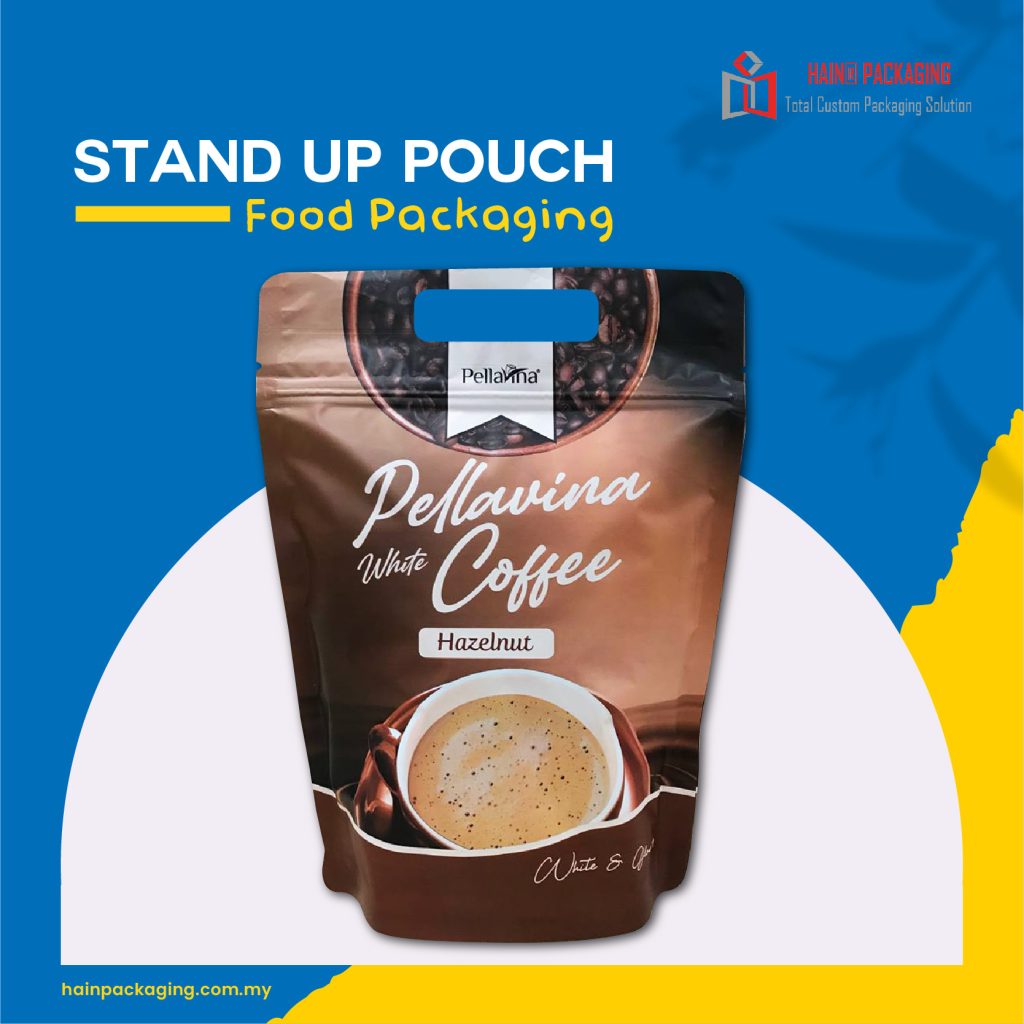
Stick Pack Vs Sachet — For industry insights and trends, refer to this resource.
Stick Pack Vs Sachet: ——|———————|————————|
| Shape | Flat rectangular pouch | Long narrow tube |
| Consumer perception | Traditional, affordable | Modern, premium |
| Shelf presence | Larger face for branding | Distinctive slender format |
| Ease of opening | Tear notch available | Easy-tear notch standard |
Stick Pack Vs Sachet — **Winner:** Stick pack for premium perception; sachet for maximum branding visibility.
Size and Fill Range
| Feature | Sachet | Stick Pack |
|———|——–|————|
| Typical fill weight | 5g – 50g | 1g – 15g |
| Typical dimensions | 50–120mm × 70–180mm | 15–35mm × 80–160mm |
| Minimum fill | 1g (small sachets) | 0.5g (micro stick packs) |
| Maximum fill | 100g+ (large sachets) | 50g (jumbo sticks) |
**Winner:** Sachet for larger fills; stick pack for small, precise portions.
Production Speed
Production speed is a critical factor for high-volume manufacturers.
| Machine Type | Sachet Output | Stick Pack Output | Speed Advantage |
|————-|————–|——————-|—————-|
| Single-lane | 30–60/min | 60–120/min | 2× faster |
| 4-lane | 120–240/min | 240–480/min | 2× faster |
| 8-lane | 240–480/min | 480–960/min | 2× faster |
| 10-lane | 300–600/min | 600–1200/min | 2× faster |
**Winner:** Stick pack. Stick pack machines typically operate at double the speed of sachet machines because the narrower forming tube allows faster film draw and seal cycles.
Cost Comparison
| Cost Factor | Sachet | Stick Pack | Notes |
|————-|——–|————|——-|
| Film material per unit | Lower | Higher (15–25% more) | More film per gram of product |
| Printing cost | Lower | Higher | Smaller print area, more complex registration |
| Machine investment | RM 40K–600K | RM 100K–500K | Higher entry for stick pack |
| Per-unit cost (10K qty) | RM 0.08–0.18 | RM 0.10–0.22 | Stick pack 15–30% higher |
| Per-unit cost (100K qty) | RM 0.03–0.09 | RM 0.04–0.12 | Gap narrows at volume |
**Winner:** Sachet for lower per-unit cost; stick pack can justify premium pricing through perceived value.
Material Usage
| Metric | Sachet | Stick Pack |
|——–|——–|————|
| Film area per gram (typical) | 12–18 cm²/g | 18–25 cm²/g |
| Material waste during production | 3–5% | 2–3% |
| Seal integrity | Good | Excellent (narrower seal area) |
| Barrier efficiency | Same material options | Same material options |
**Winner:** Sachet for material efficiency; stick pack for superior seal integrity.
Printing Area
| Feature | Sachet | Stick Pack |
|———|——–|————|
| Front panel | Full (up to 120mm × 80mm) | Limited (15–35mm width strip) |
| Back panel | Full printing | Usually reserved for product info |
| Total printable area | Approximately 200 cm² | Approximately 50 cm² |
| Readability | Excellent | Requires small font, simple design |
**Winner:** Sachet for brand storytelling and detailed product information.

Product Suitability Matrix
Choosing between sachet vs stick pack depends heavily on your product’s physical characteristics.
| Product Type | Recommended Format | Why |
|————-|——————-|—–|
| Sugar, salt, pepper | Stick pack | Small portion, high speed, premium feel |
| Instant coffee (3-in-1) | Either | Both widely used; stick pack for premium lines |
| Curry powder | Sachet | Larger portion (25–50g), needs branding area |
| Chilli sauce | Sachet | Liquid filling, larger volume per pack |
| Shampoo sample | Sachet | Larger volume (5–15ml), branding matters |
| Vitamin powder | Stick pack | Precise 1–5g dosing, pharmaceutical aesthetic |
| Energy gel | Stick pack | Single-serve, narrow format fits in pocket |
| Seasoning mix | Sachet | Multiple ingredients, needs ingredient panel |
| Protein powder | Stick pack | 15–30g daily serving, convenient on-the-go |
| Dried herbs | Sachet | Larger portions, aroma retention |
Decision Framework: Which Format Should You Choose?
Use this step-by-step framework to decide between stick pack vs sachet for your product.
Step 1: Determine Fill Weight
– **Under 15g** → Both are viable. Consider other factors.
– **15g–50g** → Sachet is more practical and cost-effective.
– **Over 50g** → Sachet or consider larger pouch formats like doypack Malaysia.
Step 2: Assess Branding Requirements
– **Full product story, ingredients, instructions needed** → Sachet provides 4× more printable area.
– **Minimal text, logo-focused** → Stick pack works well.
Step 3: Evaluate Production Volume
– **Under 100,000 units/month** → Equipment investment favours sachet.
– **Over 500,000 units/month** → Stick pack’s speed advantage becomes compelling.
– **Variable SKUs, frequent changeovers** → Sachet offers more flexibility.
Step 4: Consider Consumer Experience
– **On-the-go consumption** → Stick pack’s slim format is preferred.
– **Home use, shared product** → Sachet is easier to open and dispense.
– **Sampling / trial size** → Both work; sachet offers more brand real estate.
Step 5: Consider Larger Formats
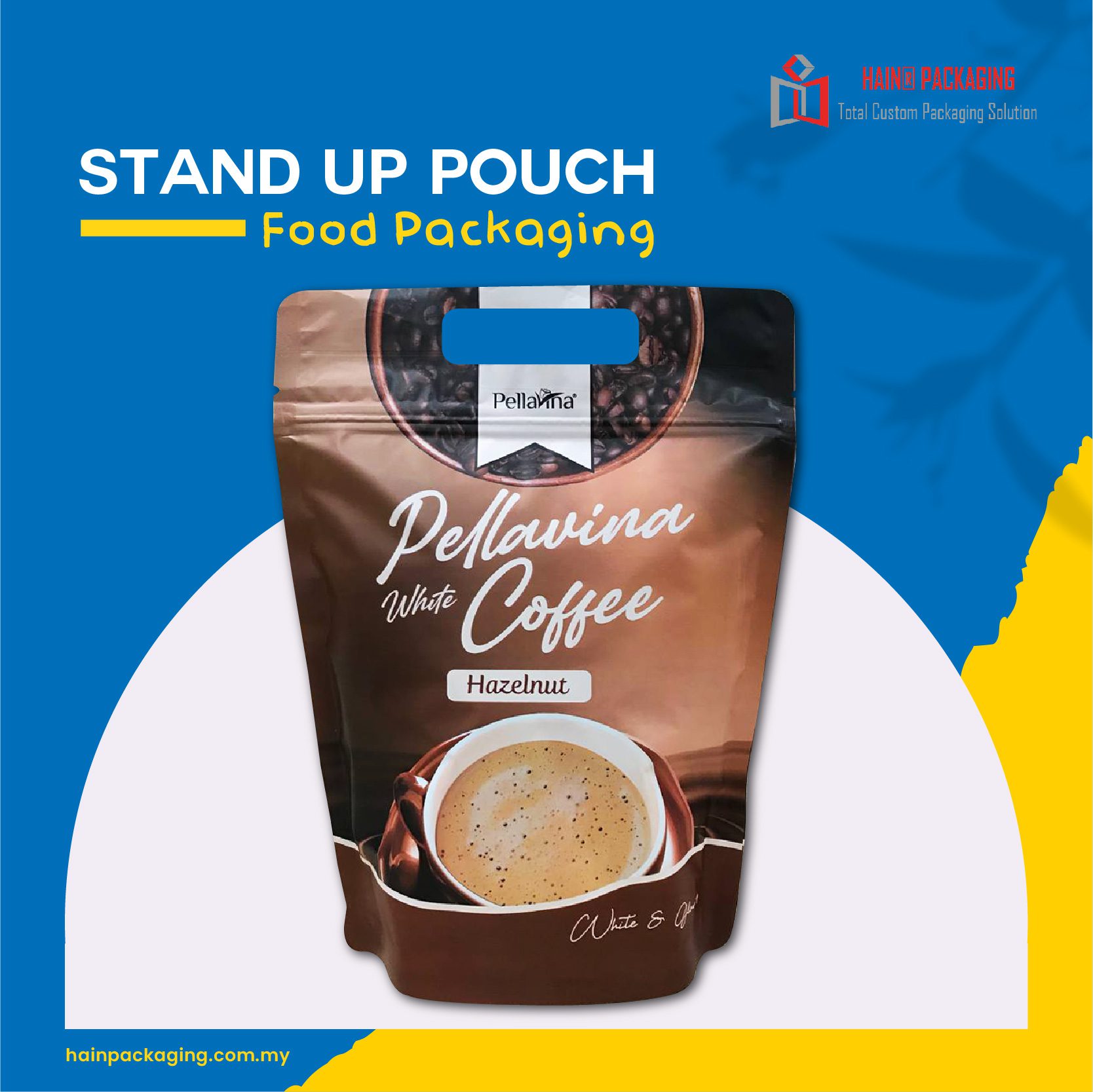
If your product requires fill weights above 50g or a shelf-ready stand-up format, consider our custom doypack pouch printing Malaysia options for spout pouches and stand-up pouch formats.
Step 6: Calculate Total Cost of Ownership
Factor in:
1. Equipment cost (purchase or contract packing)
2. Per-unit film material cost
3. Labour and overhead per unit
4. Expected shelf price premium
5. Brand perception value
Industry Applications: Real-World Examples
Coffee Industry
Malaysian 3-in-1 coffee brands commonly use stick packs for premium lines and pillow pouches for economy ranges. A major local coffee brand switched from sachet to stick pack and reported a 22% increase in perceived product value among consumers, allowing a RM 0.30 price premium per stick.
Supplement Industry
Vitamin C and collagen stick packs have become the fastest-growing format in Malaysia’s health supplement market, growing 35% year-on-year. The slim format fits easily into handbags and gym bags, driving repeat purchases.
Sauce and Condiment Industry
Traditional sachets remain dominant for chilli sauce and soy sauce because of the larger volume per pack (8–15g) and need for clear product identification on crowded condiment trays at Malaysian hawker centres.
Personal Care
Shampoo and body wash sampling favours sachets due to higher fill volumes (5–15ml) and the need to display product benefits and ingredients on the packaging.
Sachet Production Technology
Vertical Form Fill Seal (VFFS) Machines
VFFS is the dominant technology for sachet production, forming pouches from roll stock film:
– **Single-lane VFFS** — 30–60 sachets/min. Entry-level for SMEs. Investment: RM 40,000–100,000.
– **Multi-lane VFFS** — 4–8 lanes, 120–400 sachets/min. For high-volume producers. Investment: RM 200,000–600,000.
– **Servo-driven VFFS** — Precise film control, quick changeover, 200+ sachets/min. Investment: RM 150,000–400,000.
Stick Pack Production Technology
Stick Pack Machines
Stick pack equipment forms narrow tube-shaped sachets:
– Narrow forming tubes (15–35mm width)
– High-speed output: 60–120 sticks/min per lane
– Multi-lane configurations: 4, 6, 8, 10 lanes
– Investment: RM 100,000–500,000
Key Technical Differences from Sachet Machines
– **Forming tube** — Much narrower (15–35mm vs 50–120mm)
– **Seal jaws** — Designed for narrow seals with precise temperature control
– **Film unwind** — Requires precise tension control for narrow web widths
– **Filling system** — Typically auger fillers for powders; piston for liquids
– **Changeover time** — Stick pack changeover 30% faster due to simpler format
Material Options for Both Formats
For brands prioritising sustainability, HAIN also offers recyclable stand-up pouch Malaysia mono-material solutions that maintain strong barrier properties while improving end-of-life recyclability.
Both sachet and stick pack use the same material structures with the same barrier properties:
– **PET/PE** — Standard barrier for dry products
– **PET/AL/PE** — High barrier for oxygen-sensitive products
– **PET/AL/NY/PE** — Premium barrier with puncture resistance
– **OPP/PE** — Budget option for short shelf life
– **NY/PE** — Flexible structure for liquid products
Sachet Material Selection Guide
| Product Type | Barrier Need | Recommended Structure | Shelf Life |
|————-|————–|———————|————|
| Instant coffee (3-in-1) | High (oxygen + moisture) | PET/AL/PE | 12–18 months |
| Curry powder | Very high (aroma retention) | PET/AL/NY/PE | 18–24 months |
| Chilli sauce sachet | Moderate (short shelf life) | PET/PE | 6–9 months |
| Shampoo sample | Low (non-food) | OPP/PE | 24+ months |
| Energy gel | High (active ingredients) | PET/AL/PE | 12–15 months |
| Vitamin stick pack | Very high (potency retention) | PET/AL/NY/PE | 24+ months |
Printing Options for Both Formats
Sachet Printing
– **Rotogravure** — Premium 10-colour. MOQ: 20,000 pcs.
– **Flexographic** — 6-colour economy. MOQ: 10,000 pcs.
– **Digital** — Short runs. MOQ: 5,000 pcs.
– Print area: Full front + back (up to 200 cm²)
Stick Pack Printing
– **Rotogravure** — 6–8 colour. MOQ: 50,000 sticks.
– **Flexographic** — 4–6 colour. MOQ: 20,000 sticks.
– Print area: Strip printing on tube (approximately 50 cm²)
– Print resolution: 120–175 lpi (lines per inch)
Regulatory Compliance for Small Pack Formats
Food Products — KKM Requirements
– Food-grade material certification
– Label information: product name, ingredients, weight, manufacturer, Halal logo (if applicable), expiry date
– Batch coding for traceability
– Storage condition labelling
Pharmaceutical Products — NPRA Requirements
– GMP-compliant packaging materials
– Child-resistant closure (if required)
– Tamper-evident features
– Detailed product information panel
– Registration number display
Filling Considerations
Fill Weight Accuracy
– **Food products** — ±3% tolerance per KKM regulations
– **Pharmaceuticals** — ±1% tolerance per NPRA requirements
– **High-value products** — ±2% to minimise giveaway
Product Flow Characteristics
– **Free-flowing powders** — Auger filler with agitation
– **Non-free-flowing powders** — Auger with forced discharge
– **Liquids** — Piston filler or peristaltic pump
– **Pastes and viscous products** — Positive displacement pump
– **Granules** — Volumetric cup filler
How to Order Small Pack Formats from HAIN® Packaging
1. **Specify Product & Volume** — Tell us your product type, fill weight, and monthly volume.
2. **Format Recommendation** — We recommend sachet or stick pack based on your product characteristics.
3. **Material Selection** — Optimal film structure based on barrier needs.
4. **Design Submission** — Send your logo or let our team create artwork.
5. **Sample Approval** — Physical samples shipped within 7 days.
6. **Production & Delivery** — 14–21 working days. Nationwide delivery.
Consumer Preferences: Stick Pack vs Sachet in Malaysia
Understanding Malaysian consumer preferences can guide your format decision. Recent market observations reveal distinct patterns:
Urban vs Rural Preferences
In urban Klang Valley, stick packs are perceived as more modern and convenient, especially among younger consumers (18–35 age group). This demographic associates stick packs with premium imported products and health supplements. In suburban and rural markets, traditional sachets remain the preferred format because they are more familiar and offer larger branding that helps with shelf recognition.
Product Category Trends
- Coffee and beverages: Stick packs dominate the premium 3-in-1 coffee segment, while pillow pouch sachets lead the economy tier
- Sauces and condiments: Sachets hold an estimated 85% market share for single-serve sauces in Malaysia
- Health supplements: Stick packs have captured 60% of the vitamin C and collagen segment, growing 35% year-on-year
- Personal care: Sachets dominate the shampoo sampling market with approximately 90% share
Distribution and Logistics Considerations
The physical characteristics of sachet vs stick pack affect your supply chain:
Warehousing and Storage
Sachets, being flat and stackable, pack more efficiently into shipping cartons. A standard carton can hold approximately 2,000–4,000 sachets (depending on size) versus 1,500–3,000 stick packs. This gives sachets a 25–30% advantage in storage density and shipping cost efficiency.
Shelf Display
Stick packs offer superior shelf display options. Their slender profile allows brands to use gravity-fed dispensers and hanging displays that save counter space. Sachets typically require bin displays or hanging pegs that occupy more shelf area.
Retail Compliance
Some Malaysian retailers have specific requirements for small pack formats. For example, certain convenience store chains prefer stick packs for counter-top displays due to space constraints, while hypermarkets accept both formats. Check with your retail partners before finalising your format decision.
For additional packaging options suitable for retail, explore our doypack Malaysia range of shelf-ready stand-up pouches.
Real-World Cost Comparison: Sachet vs Stick Pack
To help Malaysian businesses make an informed decision, here is a detailed total cost analysis for a typical F&B product (instant coffee or powdered beverage):
| Cost Component | Sachet (30mm × 70mm) | Stick Pack (20mm × 100mm) | Difference |
|---|---|---|---|
| Film material cost per 1,000 units | RM 22.00 | RM 28.50 | +29.5% for stick pack |
| Printing cost per 1,000 units (flexo) | RM 8.00 | RM 10.00 | +25% for stick pack |
| Packaging labour per 1,000 units | RM 3.50 | RM 2.00 | −43% for stick pack (faster output) |
| Shipping cost per 10,000 units | RM 5.00 | RM 6.50 | +30% for stick pack (less dense) |
| Total cost per 1,000 units | RM 38.50 | RM 47.00 | +22% for stick pack |
| Shelf price premium achievable | Standard pricing | +15–30% premium | Can offset cost difference |
As the table shows, stick packs cost approximately 22% more to produce on a per-unit basis, but the ability to command a premium shelf price of 15–30% can offset — and in many cases exceed — the additional packaging cost. This is why premium coffee brands and supplement companies have increasingly adopted stick pack formats.
Case Examples: Malaysian Brands Using Stick Pack vs Sachet
Coffee Brand A (Economy Tier)
A local coffee manufacturer producing 500,000 sachets monthly for the economy market. They use pillow pouch sachets (PET/AL/PE) for their 25g 3-in-1 coffee packs. The brand competes on price and shelf-space dominance, making sachet the optimal choice. Their per-unit cost is approximately RM 0.035 per sachet.
Supplement Brand B (Premium Tier)
A Malaysian health supplement brand launched their vitamin C line in stick pack format at a 25% price premium over their previous sachet packaging. The switch to stick packs resulted in a 40% increase in retail velocity within six months, driven by the modern, pharmaceutical-grade appearance of the stick pack. They now produce 200,000 stick packs monthly at RM 0.055 per unit.
Condiment Brand C (Dual Format)
A major Malaysian condiment manufacturer uses both formats strategically: stick packs for their premium chilli sauce sampler (15g) sold in convenience stores, and traditional sachets for their economy range (25g) sold in hypermarkets and wholesale channels. This dual-format strategy allows them to capture both premium and budget-conscious consumers.
For brands considering flexible packaging for food products, our custom doypack pouch printing Malaysia service offers larger format alternatives for products requiring more than 50g fill weights.
Frequently Asked Questions
**Which is cheaper: stick pack or sachet?**
Sachets are generally 15–30% cheaper per unit on a per-pack basis. However, when comparing cost per gram of product, the difference narrows because stick packs use more film per gram of content.
**Which format has better production speed?**
Stick pack machines produce approximately 2× faster than comparable sachet machines due to narrower forming tubes and faster seal cycles.
**Can I print full branding on a stick pack?**
Stick packs have limited printing area (approximately 50 cm²) compared to sachets (approximately 200 cm²). Stick packs work best with simple, logo-focused designs.
**What is better for coffee: stick pack or sachet?**
Both are widely used. Stick packs offer a premium perception and faster production. Sachets (pillow pouches) offer more branding space and are more cost-effective for larger servings (25g+).
**Which format offers better seal integrity?**
Stick packs generally have better seal integrity because the narrower seal area allows more precise temperature control. However, modern VFFS sachet machines achieve excellent seal quality.
**What MOQ does HAIN offer for printed stick packs?**
Flexographic printed stick packs start at 20,000 pieces. Rotogravure at 50,000 pieces. Plain (unprinted) stick packs have lower MOQs.
**Can I get samples before ordering?**
Yes. HAIN® Packaging provides physical samples within 7 working days for quality testing and approval before full production. For businesses exploring stick pack vs sachet, finding the right packaging partner is essential.
Ready to Order Sachet / Stick Pack from HAIN® Packaging?
Don’t compromise on your packaging. Choose **HAIN® Packaging** as your trusted sachet / stick pack supplier in Malaysia for quality, customisation, and competitive pricing. For businesses exploring stick pack vs sachet, finding the right packaging partner is essential.
Contact us today via WhatsApp or email [email protected] for a free consultation and quotation. Whether you need stick pack vs sachet, choosing the right packaging partner is key to your success.
If you’re looking for a reliable packaging supplier, we at HAIN® Packaging are ready to help. Reach out to our sales representative for a consultation, or share your branding ideas with us.

HAIN® Packaging
No. B-6-3A, Streetmall, One South, Jalan OS, Taman Serdang Perdana, Section 6 Seri Kembangan, 43300 Selangor Darul Ehsan
Phone: +60 11-6987 2289
Email: [email protected]
Website: hainpackaging.com.my