Doypack Pouch Printing: Rotogravure vs Flexographic MY
May 15, 2026Spout Stand Up Pouch: Buyer’s Guide for Malaysia Brands
May 19, 2026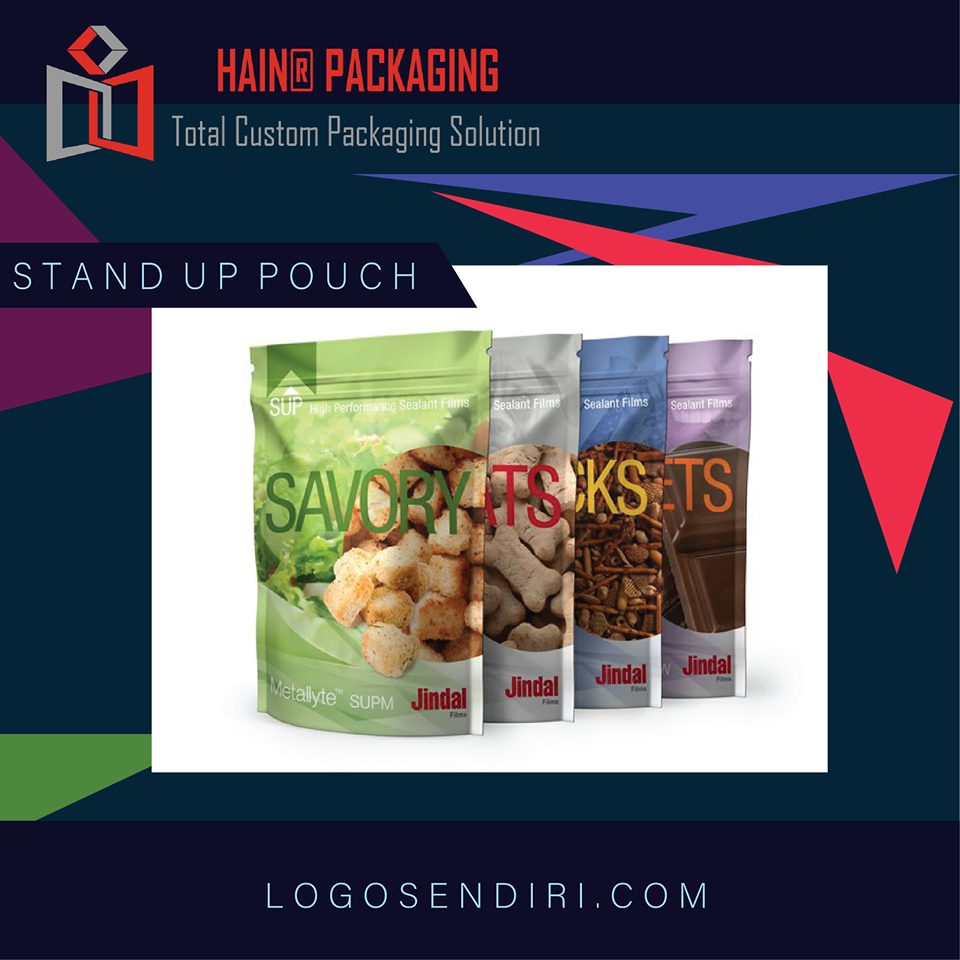
7 Key Differences Between Doypack and Stand Up Pouch for Malaysian Brands
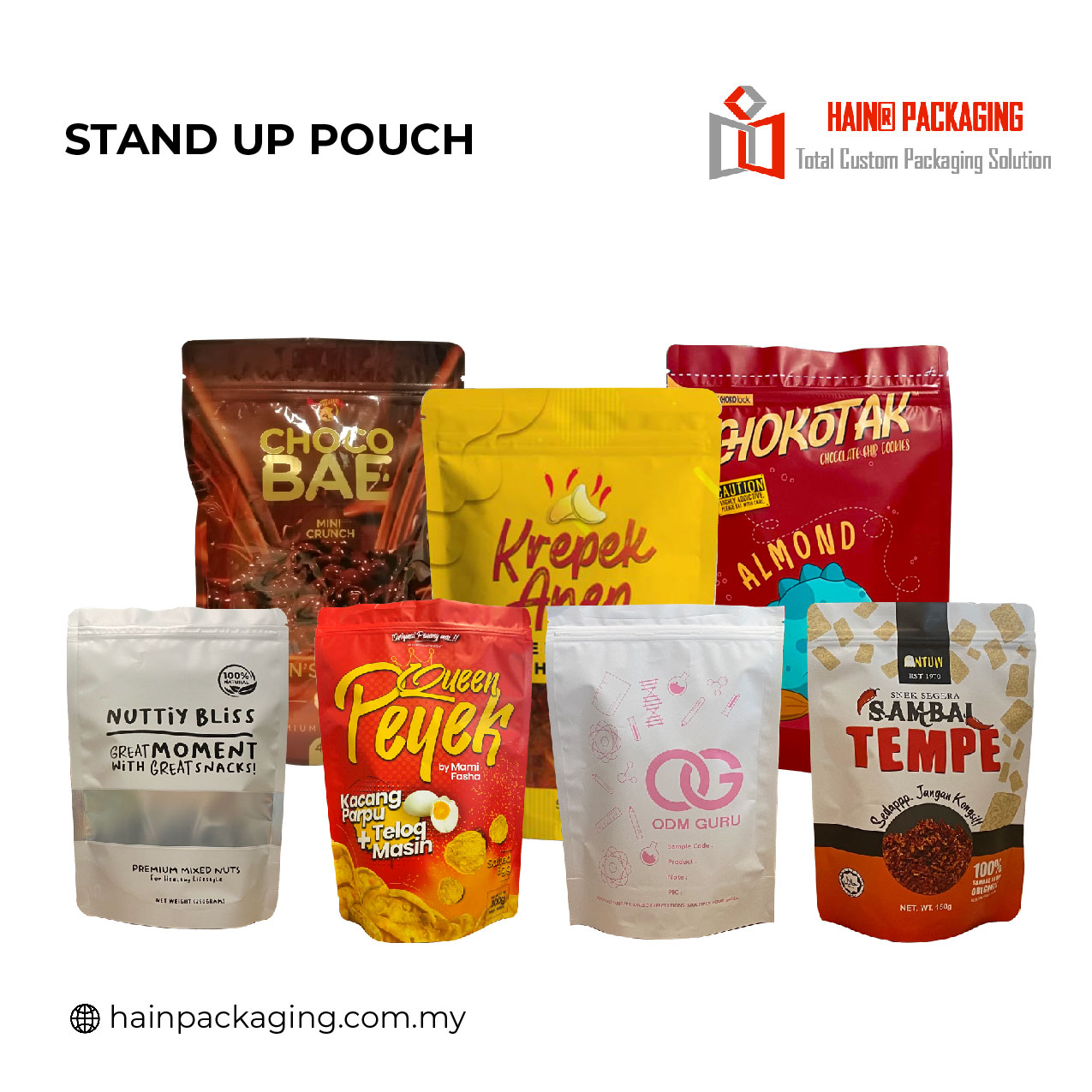
Walk into any packaging supplier in Malaysia and you’ll hear two terms used almost interchangeably: doypack and stand up pouch.
They look similar. They both stand on their own. They’re both used for everything from coffee to supplements to sauces.
But here’s the truth: they are not the same — and using the wrong term can cost you time, money, and the wrong packaging for your product. For a deeper look at how these pouches are printed, read our custom doypack pouch printing guide.
Understanding the differences matters because it affects your bag shape, zipper compatibility, filling speed, material usage, and even how your product looks on the shelf. This guide breaks down seven key differences every Malaysian brand should know.

1. Bag Shape & Bottom Gusset
The most visible difference between doypack and stand up pouches is the bottom gusset structure.
Doypack: Features a wide, rectangular bottom gusset that folds outward when the pouch is filled, creating a flat, stable base. This distinctive shape was pioneered by the French company Thimonier; read our complete Doypack Malaysia guide in the 1960s — “doy” comes from the brand name Doyen, and “pack” from packaging. The gusset expands fully, giving the pouch a trapezoidal silhouette when viewed from the side.
Stand up pouch (SUP): Uses a narrower bottom gusset — typically one-third to half the width of a doypack’s. The pouch still stands upright, but the base is smaller and the silhouette more rectangular. Some SUPs use a folded bottom seal (similar to a block bottom) rather than an outward-gusseted base.
Why it matters: The wider doypack base provides superior stability on retail shelves and fills out more evenly when packed with granular or loose products. Stand up pouches with narrower gussets are better suited for smaller portion sizes or products that don’t need maximum shelf footprint.
2. Zipper Compatibility & Resealability
Not all stand up pouches are created equal when it comes to resealability.
Doypack: Almost always designed with a zipper as a standard feature. The doypack structure — with its wide opening and substantial top seal area — accommodates both press-to-close and slider zippers with ease. Many manufacturers refer to doypacks as “stand up pouches with zipper” because the resealable feature is so integral to the design.
Stand up pouch: Zipper integration depends on the specific design. Basic three-side seal SUPs can accept a zipper, but the narrower opening and smaller seal area often require a custom zipper profile. Some SUPs are designed without a zipper at all, relying on tear-notch opening for single-use applications.
Why it matters: If your product needs repeated access — coffee, snacks, dried fruits, supplements — a doypack’s zipper-friendly design is the better choice. For single-use portions or liquid products, a simpler stand up pouch without a zipper is more cost-effective.
3. Opening & Pouring Experience
How your customer opens and pours from the pouch affects their perception of your brand.
Doypack: The wide base and generous opening make filling at the production line straightforward, and the end consumer enjoys easy access to the full contents. For granular products like coffee beans, granola, or pet food, doypacks allow easy scooping without spillage.
Stand up pouch: The narrower opening — particularly on three-side seal pouches — makes pouring more controlled. This is actually an advantage for liquid products like cooking oil, sauces, beverages, and liquid detergents. Some stand up pouches are designed with a spout or fitment for precise dispensing.
Why it matters: Match the opening to your product. Free-flowing granular? Doypack. Liquid or sauce? Consider a spout pouch or a narrow-opening stand up pouch for controlled pouring.
4. Material Usage & Cost
Here’s where the economics differ significantly.
Doypack: Requires more film material because the wide bottom gusset creates an overlap in the film web. This means a doypack of equivalent height and width uses 15–25% more material than a comparable stand up pouch. More material = higher cost per unit.
Stand up pouch: More material-efficient. The narrower gusset and simpler fold pattern mean less film waste and lower material costs. For high-volume production, this saving adds up significantly.
Why it matters: If you’re producing 50,000 pouches per month, even RM 0.05 per pouch in material savings translates to RM 30,000 annually. For cost-sensitive products, the standard stand up pouch is the leaner choice.

5. Shelf Presence & Branding Potential
Packaging is your product’s first impression on the shelf.
Doypack: The wide front panel provides a larger canvas for branding, product information, and eye-catching graphics. The trapezoidal shape is visually distinctive — consumers recognise a doypack as “premium” packaging. The flat bottom also ensures the pouch sits perfectly upright, maintaining a clean, aligned shelf display.
Stand up pouch: Offers a slightly narrower front panel, which translates to less branding space. However, the more compact profile allows tighter shelf packing, meaning more units per shelf metre. Some retailers prefer SUPs for this reason.
Why it matters: If shelf differentiation and premium positioning are your priorities, doypack gives you the edge. If shelf density and retail compliance matter more, the stand up pouch’s compact footprint is advantageous.
6. Filling Speed & Production Efficiency
How fast your packaging line runs directly impacts your production costs.
Doypack: The wide opening and stable base make doypacks excellent for automated filling lines. Pouches are easy to denest (pick up from a stack), open, fill, and seal. Most vertical form-fill-seal (VFFS) and pre-made pouch filling machines handle doypacks efficiently.
Stand up pouch: Three-side seal and other SUP formats also run well on automated lines, but the narrower opening can slow the fill rate for certain products — especially large particulates or products that tend to bridge or clog at the fill nozzle.
Why it matters: For high-volume production of granular products (rice, coffee, pet food), doypacks tend to run faster on existing machinery. For liquids and powders, the difference is negligible.

7. Target Applications & Industry Preference
Different industries have gravitated toward one format over the other, as tracked by market research from sources like interpack.
Doypacks are preferred for:
- Coffee (whole bean and ground)
- Rice, grains, and pulses
- Snacks and dried fruit
- Pet treats and food
- Supplements and health powders
- Granola and muesli
Stand up pouches are preferred for:
- Liquid beverages (juice, energy drinks)
- Sauces and condiments
- Frozen food (vegetables, seafood)
- Baby food and purees
- Single-serve snacks
- Sachet-style products
Why it matters: Following industry norms helps with customer expectations. Coffee drinkers expect a doypack with a one-way valve. Frozen vegetable buyers expect a stand up pouch with freezer-grade lamination. Match the format to the category.
Quick Comparison Table
| Feature | Doypack | Stand Up Pouch |
|---|---|---|
| Bottom gusset width | Wide (full width) | Narrow (1/3–1/2 width) |
| Zipper compatibility | Standard | Optional |
| Material usage | 15–25% more | More efficient |
| Shelf footprint | Wider, more visible | Compact, higher density |
| Best for granular products | ✅ Excellent | ⚠️ Good |
| Best for liquids | ⚠️ Fair | ✅ Excellent |
| Premium perception | High | Moderate to high |
| Cost per unit | Higher | Lower |
FAQ
Can I use a doypack for liquid products?
Yes, but you’ll need appropriate lamination with aluminium foil or high-barrier EVOH and stronger sealant layers. Spout fitments are available for doypacks, though standard stand up pouches with fitments are more common for liquids.
Are doypacks and stand up pouches equally recyclable?
It depends on the material structure, not the format. Both can be made from mono-material PE (recyclable) or multi-material laminates (harder to recycle). Check with your supplier about eco-friendly options.
Which format is cheaper for small businesses?
Stand up pouches are generally more affordable for small runs (1,000–5,000 units) due to lower material usage. Doypacks become more cost-effective at larger volumes where the per-unit material cost is offset by scale.
Can I add a spout to a doypack?
Yes, spout fitments are available for doypacks. However, the spout-and-cap assembly requires a separate fitment application machine and increases per-unit cost. Stand up pouches with pre-applied spouts are more common in the beverage industry.
Which format is better for retail export?
Doypacks are often preferred for premium export markets (Singapore, Australia, UK) because their distinctive shape signals quality. However, large retailers may have specific shelf-size requirements — always confirm with your buyer before finalising.
Conclusion
While “doypack” and “stand up pouch” are often used interchangeably, they serve different packaging needs.
Choose a doypack if you need a premium, wide-based pouch with excellent resealability and maximum branding space — ideal for coffee, grains, supplements, and granular products.
Choose a stand up pouch if you need a cost-effective, material-efficient package for liquids, frozen goods, or smaller portion sizes.
Understanding these seven differences helps you select the right format from the start — saving you redesign costs, filling-line headaches, and missed sales opportunities. According to Smithers packaging market research, the stand up pouch market continues to grow globally.
Need help deciding? HAIN Packaging offers both doypacks and stand up pouches with custom printing, zipper options, and flexible MOQs to suit Malaysian manufacturers of all sizes. For related products, explore our ziplock stand up pouch options. For related products, explore our ziplock stand up pouch options.