
Choosing Long Shelf Life & Barrier Packaging That Works
October 6, 2026
The Complete Guide to Shampoo, Conditioner & Body Wash Pouches
October 6, 2026Modified atmosphere packaging and easy-open features are usually specified by different people, yet they act on the same pack. The gas mix only protects the product while the seal holds, and the opening feature only stays easy if it does not compromise that seal. Modified atmosphere and easy-open packaging should therefore be treated as one brief rather than two purchases. This guide runs through seven checks that keep both halves working, written for Malaysian snack, coffee, fresh and convenience producers.
Key Takeaways
- Set the gas mix from the product, not from a supplier default.
- Match barrier to the target window, because gas escapes at a predictable rate.
- Control the seal window, since most gas loss happens at the seal.
- Choose the opening feature before the dieline is frozen.
- Verify everything on the actual line, at actual speed.
Table of Contents
- One brief, not two
- Check one: the gas mix
- Check two: barrier and window
- Check three: the seal window
- Check four: the opening feature
- Check five: gas retention after opening trials
- Check six: re-closure
- Check seven: line verification
Modified Atmosphere & Easy-Open Packaging: One Brief
A pack filled with a protective gas mix is a system with a deadline. Gas moves out through the film and, far more quickly, through any imperfection in the seal. An opening feature is a deliberate imperfection, so the two decisions interact directly. Treating them separately is the most common reason a pack that tests well in the laboratory loses its atmosphere within days on shelf.
The fix is procedural. Put the gas mix, the barrier target, the seal specification and the opening feature in one document, reviewed together. When one changes, the others are rechecked. That single habit prevents most of the failures described below.
Check One: Set the Gas Mix from the Product
Different products need different atmospheres. A fatty snack is usually protected from oxidation by reducing oxygen, while some fresh produce still needs a measured amount of oxygen to keep respiring normally. Coffee generates its own gas after roasting, which changes the mix inside the pack whether or not one was added. Start from the product behaviour, then confirm with a supplier who can explain why the proposed mix suits it.
Write the target mix and the tolerance into the specification, and make sure the filling equipment can actually deliver it. A mix that exists on paper but drifts on the line is worse than no mix at all, because it creates a false sense of protection.
Check Two: Match Barrier to the Target Window
Gas retention is a rate problem. A film with a known transmission rate will hold a usable atmosphere for a calculable period, and that period has to exceed the intended selling window with margin. If the product needs twelve weeks, specify for more than twelve weeks, because distribution conditions vary and the last pack sold is the one that matters.
Keep the earlier barrier work visible here. Producers who have already compared transmission data for shelf life will find the same numbers drive this decision, and the coffee freshness and valve guide shows how gas management and barrier work together in practice.
Check Three: Control the Seal Window
Most gas loss happens at the seal, not through the film. Temperature, pressure, dwell time and product contamination in the seal area all change the result, so the seal window should be defined and monitored rather than set once and forgotten. Product dust, oil or liquid in the seal zone is the usual culprit when a pack that sealed well in a trial leaks in production.
Ask for a practical window with upper and lower limits, then train operators to work inside it. Record seal checks at the start of a run, after any changeover and at the end, and keep the samples. A retained pack from each check makes a later complaint far easier to diagnose.
Check Four: Choose the Opening Feature
Opening features come with trade-offs. A tear notch is simple and low cost, but it needs the right film orientation and a clean notch depth to work consistently. Laser scoring gives a controlled line without cutting through the barrier, at higher cost. A zipper adds re-closure but introduces a second seal path to validate. Choose based on the product, the user and the barrier target, not on habit.
Decide this before the dieline is frozen, because the feature affects where seals, print and headspace can sit. Teams already using scored openings can compare detail with the tear notch and steam pouch guide.

Check Five: Prove the Pack Holds Gas After Opening Trials
Many teams test gas retention on intact packs and never test it after the opening feature is added. That gap hides real losses. Run the retention test on packs built exactly as they will be sold, notch or zipper included, and measure again after the pack has been opened and reclosed once, because that is what the consumer will do.
Also test after distribution. Vibration, stacking and temperature cycling all stress the seal in ways a static test does not. A short vibration run followed by a gas check is a cheap way to find a problem before it reaches a retailer.
Check Six: Plan Re-closure for Multi-Serve Packs
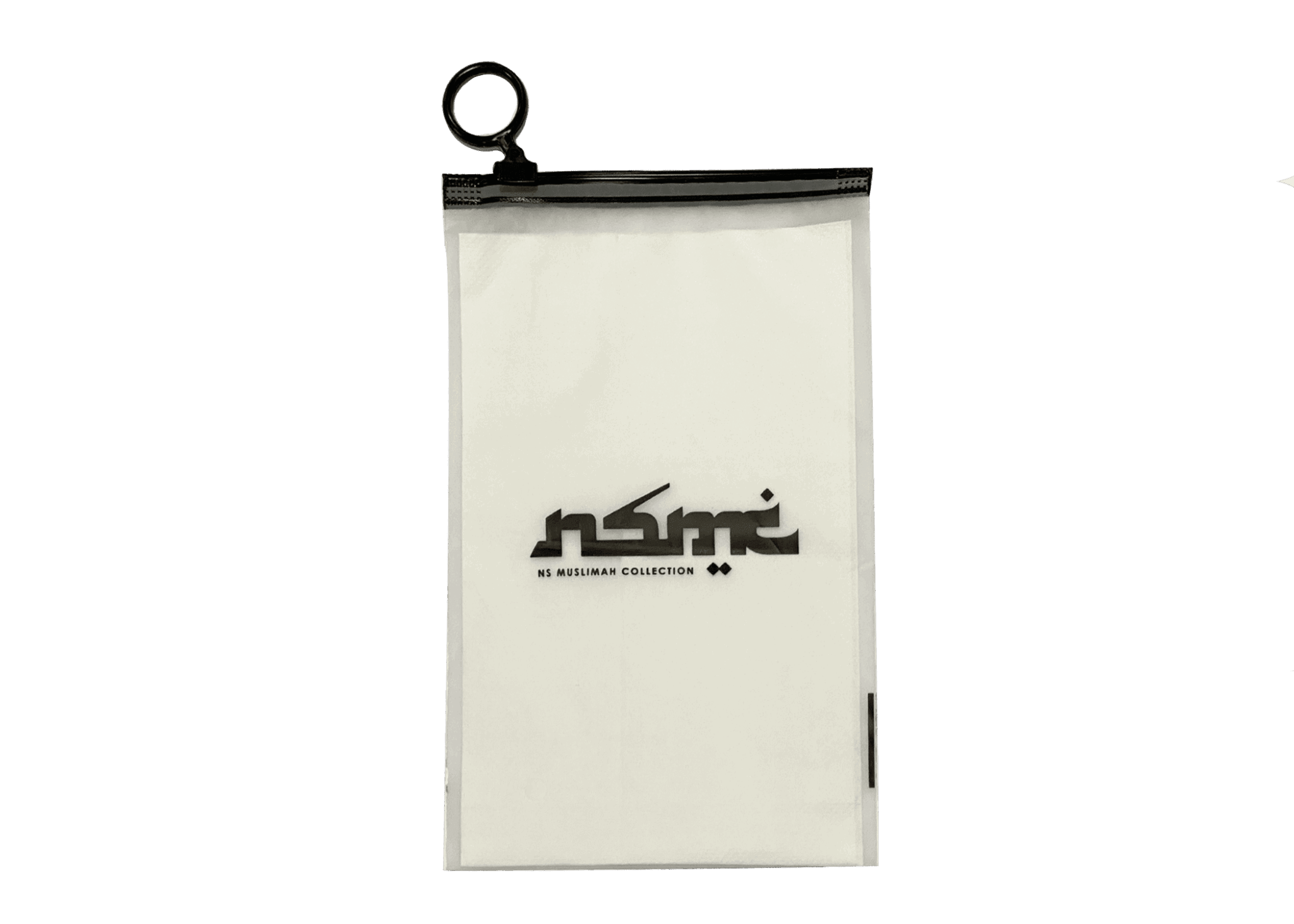
If the pack is consumed over several sittings, re-closure protects the remaining product. A zipper or slider should still seal after repeated use, and the pack should be sized so the consumer can reach the product without destroying the closure. Specify a realistic cycle count and test it on a bench with real product in the pack.
Consider the handling route as well. A pack that travels in a bag or a lunchbox needs a closure that resists accidental opening, while a pantry pack needs one that is easy to find and use. Where the product is a snack sold in multipacks, the snack packaging overview covers sizing and format choices for that channel.
Check Seven: Verify on the Actual Line
Laboratory results assume ideal conditions. The line introduces speed, variation and human handling, so the final check has to happen there. Run at normal speed, take samples across the run rather than only at the start, and check gas levels on those samples at the end of the shift and again after a day.
Record the settings that produced good packs and treat them as the reference for future runs. Then confirm the on-pack wording matches reality: if the pack relies on the consumer reclosing it, say so in one short line.
Standards and test methods are a useful frame for supplier conversations. Resources from SIRIM can help structure discussions about Malaysian requirements, while the packaging supplier provides material and batch documentation. The producer remains responsible for validating gas retention with its own product, equipment and route.
Modified Atmosphere & Easy-Open Packaging Validation Checklist
- Record the target gas mix, the tolerance and the product reason for it.
- Confirm the barrier figure against the intended selling window with margin.
- Define the seal window and monitor it across every run.
- Fix the opening feature before the dieline is approved.
- Test gas retention with the opening feature fitted, before and after distribution.
- Test re-closure over a realistic cycle count with product in the pack.
- Sample across a production run and keep retained packs from each check.
Frequently Asked Questions
Does every product need a reduced oxygen mix?
No. Some fresh produce needs a measured level of oxygen to keep respiring, and coffee generates gas after roasting. Set the mix from the product behaviour.
Why does gas disappear faster in production than in trials?
Usually product contamination in the seal area, or a seal window that drifted. Check seals at start, changeover and end of run.
Is laser scoring better than a tear notch?
It gives a more controlled line without cutting the barrier, but costs more. Choose on barrier target, budget and how consistent the opening needs to be.
How many samples should be checked per run?
Enough to cover the start, the middle and the end, plus any changeover. Retain the packs so a later query can be diagnosed rather than argued.
Conclusion: Modified Atmosphere & Easy-Open Packaging That Holds
Dependable modified atmosphere and easy-open packaging comes from writing one brief that covers gas, barrier, seal and opening together, then proving all four on the real line. Test with the opening feature fitted, sample across the run, and keep retained packs from every check. For a practical discussion about structures, features and quantities, contact HAIN Packaging through WhatsApp or review its packaging capabilities.