
Eco Packaging Malaysia: Three Flexible Routes, One May Fit
October 23, 2026
High Barrier Film Roll: Four Tiers and Their Structures
October 23, 2026
If you searched “heat shrink tubing packaging” and got two unrelated result sets, that is not a bad search. The phrase sits on top of two industries that have almost nothing in common: electrical insulation, and packaging. One is a tube you slide over a wire joint and heat until it grips. The other covers three families of packaging material that all shrink with heat but grip different things. This page is about the second one.
Two sentences so you can leave quickly if you are in the wrong place: electrical heat shrink tubing is a wire-insulation product sold by electrical and cable suppliers, and we do not supply it. Packaging-side heat shrink is what we do — shrink sleeves, shrink film and shrink bundling — and the rest of this page is about telling those three apart. If you already know the sleeve route is the one you need, custom shrink sleeve packaging is where the detail starts.
Key takeaways
– The search term covers two industries. Electrical heat shrink tubing insulates cable joints; packaging heat shrink covers sleeves, film and bundling.
– The three packaging families are separated by what they grip, not by material name: the container, the product, or a group of units.
– Shrink sleeves are the only one of the three that gives you a full 360° printed surface on a shaped container.
– The right choice is decided by container shape, throughput and the equipment you already own — not by which material is “better”.
– Shrink rate is a matching field, not a quality grade. It has to be specified against your container, and confirmed before supply.
Two Different Products Share This Name
The reason “heat shrink tubing packaging” returns mixed results is that the phrase is two product names stapled together — “heat shrink tubing” from electrical distribution, and heat shrink in packaging. Search engines serve both, and most pages that rank serve only one.

Both products work on the same physical principle: a polymer that has been stretched and set during manufacture will relax back toward its original dimensions when heated. Everything after that diverges.
| Electrical heat shrink tubing | Packaging heat shrink | |
|---|---|---|
| Form | Continuous tube, cut to length from a reel or in pre-cut pieces | Flat film, centre-folded film, or a seamed sleeve supplied on a roll |
| What it is applied to | Wire splices, terminals, cable bundles, busbars | Bottles, jars, tubs, trays, multipacks |
| What the shrink achieves | Insulation, strain relief, abrasion protection, sealing against moisture | Tamper evidence, labelling surface, product containment, unitising |
| Typical buyer | Electrical contractor, panel builder, harness manufacturer | Food, beverage, household and personal care producers |
| Where it is bought | Electrical and cable distribution | Packaging converting and printing suppliers |
The confusion is understandable because some packaging formats are literally supplied as tube — a shrink sleeve arrives as a flattened tube before it is seamed and printed. But the function, the tolerances and the buying channel are entirely different, and a specification written for one is not usable for the other. The sleeve material most often specified where conformability matters is covered on our PVC shrink film page.
What Electrical Heat Shrink Tubing Is For
Briefly, so the distinction is complete. Electrical heat shrink tubing is slipped over a joint or termination and heated, usually with a hot-air gun or a purpose-built oven, so it contracts onto the cable and forms a tight insulating sleeve. Variants exist with an adhesive lining for moisture sealing, in flame-retardant grades, and in heavy-wall versions for mechanical protection on busbars and cable terminations.
It is bought by diameter, wall thickness, shrink ratio and voltage rating, and it is tested as an electrical insulation material. None of those fields appear on a packaging specification. This is not a category we supply — if that is what you came for, an electrical or cable distributor is the right supplier, and we would rather tell you that than sell you the wrong thing.
What Heat Shrink Means in Packaging
From here on, heat shrink tubing packaging means the packaging families only. On the packaging side, the useful way to sort the three families is by what the material shrinks onto. Sorting by material name (PVC, PET, POF, PE) is the most common source of confusion, because the same material can appear in more than one family.
Shrink sleeves: they grip the container
A shrink sleeve is printed, seamed into a tube, slipped over a bottle or tub, and heated so it contracts onto the container wall. It becomes the label — the entire visible surface, top to bottom, including the neck and the shoulder. This is the format that turned shaped beverage bottles into full-colour advertising space.
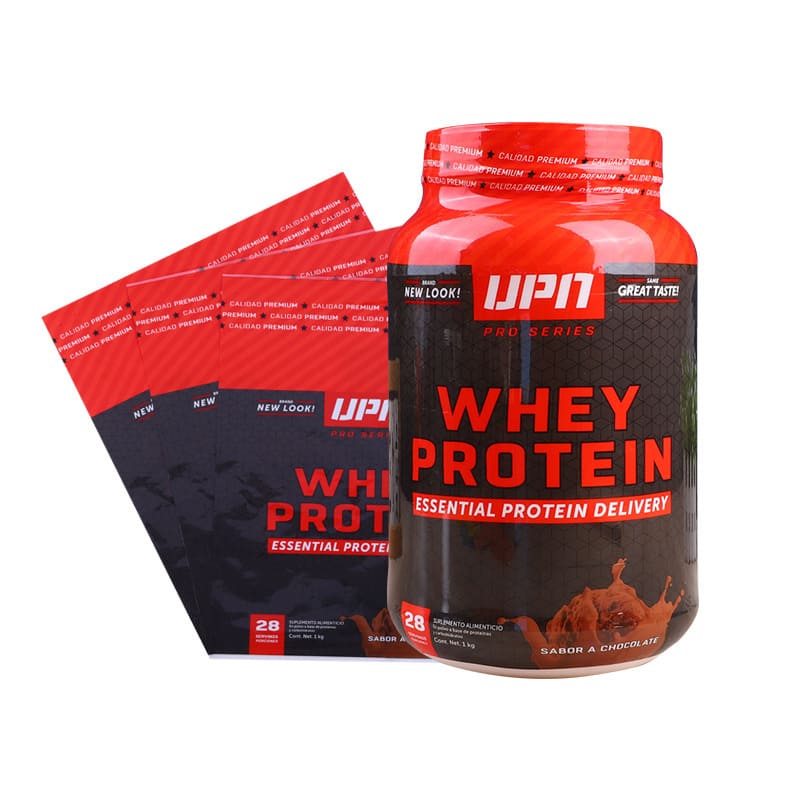
Because the sleeve follows the container, artwork has to be pre-compensated for the way the shape distorts when the film shrinks. That is a prepress step, not a printing setting, and it is where most rejected shrink sleeve jobs actually fail. If you are weighing a sleeve against a flat label, our shrink sleeve vs label comparison covers the print and cost differences in detail.
Shrink film: it grips the product
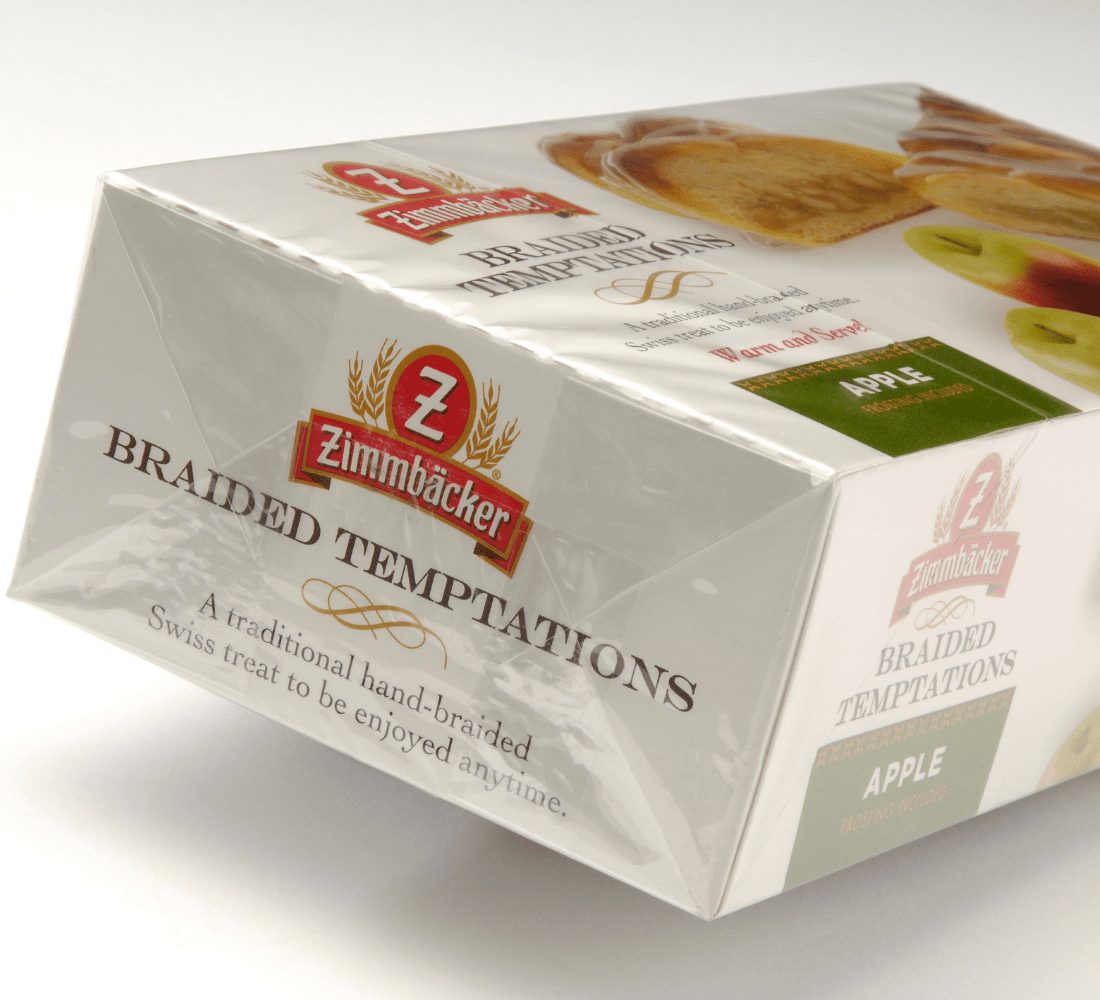
Shrink film wraps around the product itself, or around a product sitting on a tray, and contracts to hold it. Food shrink wrap is the clearest example: a tray of product passes through a heat tunnel and comes out tightly wrapped. The film is usually supplied centre-folded on a roll and sealed on three sides by the machine. It is a containment and presentation layer, not a labelling layer — print is limited, and the film is chosen for seal behaviour and clarity, not for graphics.
Shrink bundling: it grips a group
Bundling film pulls a group of units together — six bottles, a stack of trays, a multipack — with or without a pad, and without a carton. This is the format that replaces corrugated board in multipack and club-store packaging. The material works harder here: it has to hold the load through distribution, not just look right on the shelf. Shrink bundling film is usually thicker than sleeve film and often unprinted, because its job is unitising rather than communicating.

Shrink Sleeve vs Shrink Film vs Shrink Bundling
| Shrink sleeve | Shrink film | Shrink bundling | |
|---|---|---|---|
| Grips | The container | The product (or product on tray) | A group of units |
| Print role | Primary label, 360° graphics | Minimal — usually none or simple print | Rarely printed |
| Supplied as | Seamed, printed tube on a roll | Centre-folded or single-wound roll | Roll, sometimes with a printed band |
| Heat source | Steam or hot-air tunnel | Heat tunnel | Heat tunnel |
| Key spec field | Shrink behaviour matched to the container | Seal strength, clarity, shrink tension | Load retention, puncture resistance |
| Typical failure | Graphic distortion, seam split | Loose wrap, fogging | Bundle loosening in transit |
Note that shrink rate does not appear as a number here. It is one of the most important fields on a real quotation — the film has to contract by the right amount in the right direction to sit cleanly on your container — but the correct value is derived from your container geometry and your tunnel, not from a generic grade name. Treat it as a field you specify jointly with your supplier.
Not sure which family your job belongs to? Describe the container and the output you need, and we will tell you whether you are looking at a sleeve, a film or a bundling spec.
Choosing Between Them for a Malaysian Line
Three conditions decide it. Material preference is not one of them.
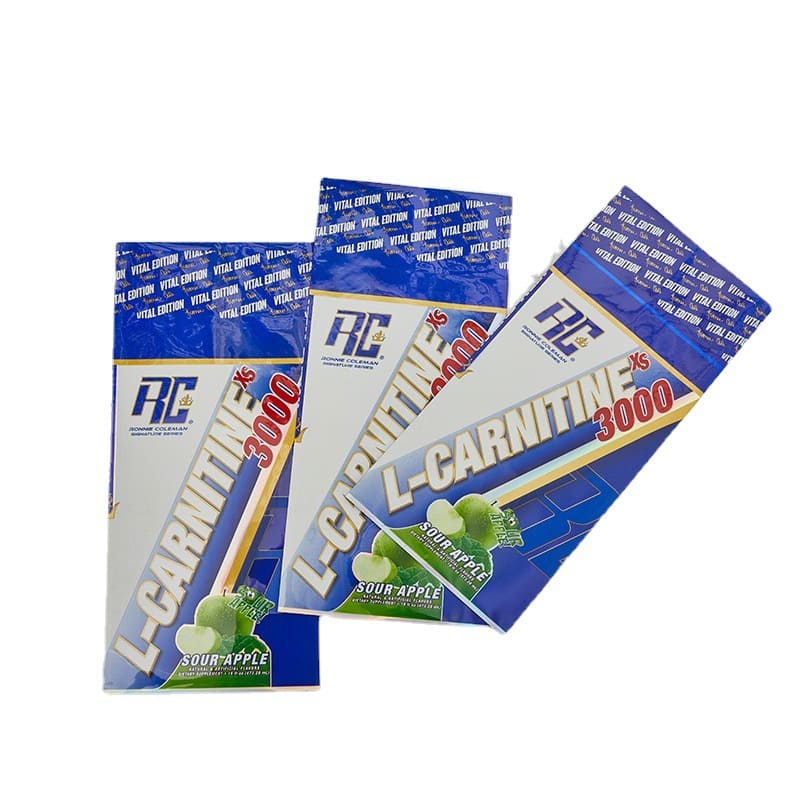
Container shape. If the container has curves, a waist, or a shoulder you want to print on, only a sleeve follows that shape. Flat or gently tapered surfaces can take a pressure-sensitive label and skip the shrink step entirely. Containers with no printable geometry — a plain tray, a raw product — point to shrink film instead.
Throughput. Sleeving equipment and tunnels are a capital commitment with a floor speed below which they make no sense. Below that threshold, hand-applied or semi-automatic shrink film is the pragmatic answer. Above it, automatic sleeving pays for itself in consistency alone. A beverage plant in Johor we worked with ran multipack bundling long before it ran sleeves, because the bundling volume justified the tunnel first and the sleeve decision followed when a shaped bottle arrived.
What you already own. If you have a tunnel, the incremental cost of moving between film and bundling is small. If you have a labeler, moving to sleeves means either replacing it or running a second operation, and that is a different conversation.
For food applications, our food shrink wrap solutions cover the containment side, and PVC is the sleeve material most often chosen where conformability matters. Disposal matters too — sleeve and container are often different polymers, and Malaysia’s separation-at-source categories and coverage are published by SWCorp, which is worth checking before you commit to a sleeve material your market cannot sort.
What to Specify Before You Ask for a Quote
A usable enquiry has these fields. Missing ones are the reason quotes come back with a wide price band:
- Container dimensions and geometry — diameter or profile at several heights, plus height of the area to be covered. A drawing beats a description.
- Material preference, if you have one — and the reason for it. If the reason is recyclability or clarity, say so; it changes what we suggest.
- Print requirement — number of colours, whether it is reverse-printed, whether any area must stay clear.
- Tunnel type — steam or hot air, and available dwell. This constrains material choice more than most buyers expect.
- Line speed — packs per minute, and whether the applicator is automatic or manual.
- Quantity per run and per year — print method and material economics both move with volume.
- End market — retail, export, club-store multipack. Export shipments change the load-retention requirement on bundling.
Bring those seven and a supplier can quote precisely. They are also the fields that separate a heat shrink tubing packaging enquiry that converts into a working job from one that comes back as a range. Bring three and you will get a range, which usually means the job gets re-quoted later. Send the fields above and we will route you to the right one.
Lead time and unit price depend on specification, print method and order quantity — confirm both with our sales team before you place an order.
Three Moves Before Your Next Enquiry
The distinction on this page saves more time than any specification does. If you take nothing else from it, do these three things before you email a supplier:
- Name what the material has to grip. The container, the product, or a group of units. Put it in the first line of the email and most of the back-and-forth disappears.
- Photograph the container next to a ruler. One side-on photo with a scale answers more questions than a paragraph of description, and it is the thing that lets anyone quote a sleeve rather than guess at one.
- Write down your tunnel type and dwell. Steam or hot air, and how long the pack spends in it. This narrows the material choice faster than any other single field.
None of the three cost anything. Together they are the difference between a quote and a price range — and a range usually means the job gets re-quoted later, once someone has driven out to look at it.
If you have done all three and still cannot tell which family you are in, send them anyway. The photo settles it more often than anyone expects.