Packaging Materials Guide Malaysia: Every Type Explained
May 22, 2026
Specialty Packaging Malaysia: Pet, Agriculture & Cosmetics Guide
May 22, 2026Shrink Sleeve vs Label: Complete Print Guide for Malaysian Businesses
Shrink Sleeve Vs Label: When it comes to product labelling, Malaysian businesses face a critical choice: should you use a shrink sleeve or a traditional label? The decision affects your branding flexibility, production cost, application speed, and even your product’s shelf appeal.
This comprehensive shrink sleeve vs label guide breaks down every factor you need to consider — from material types and printing methods to cost comparison and application efficiency — so you can choose the right solution for your product. HAIN® Packaging manufactures both options, giving us an unbiased perspective on which works best for different applications.
What Is a Shrink Sleeve?
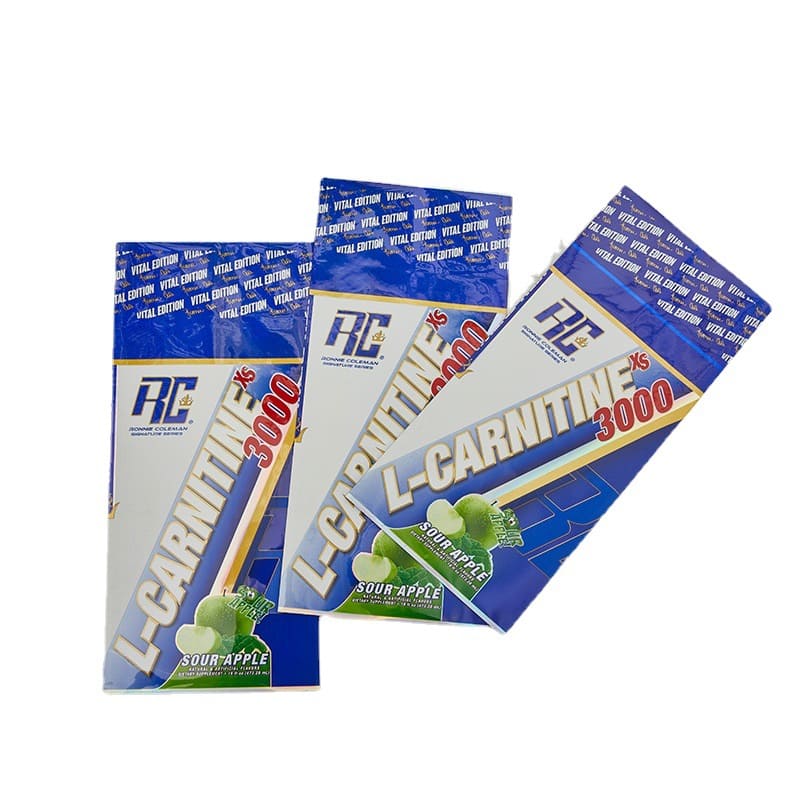
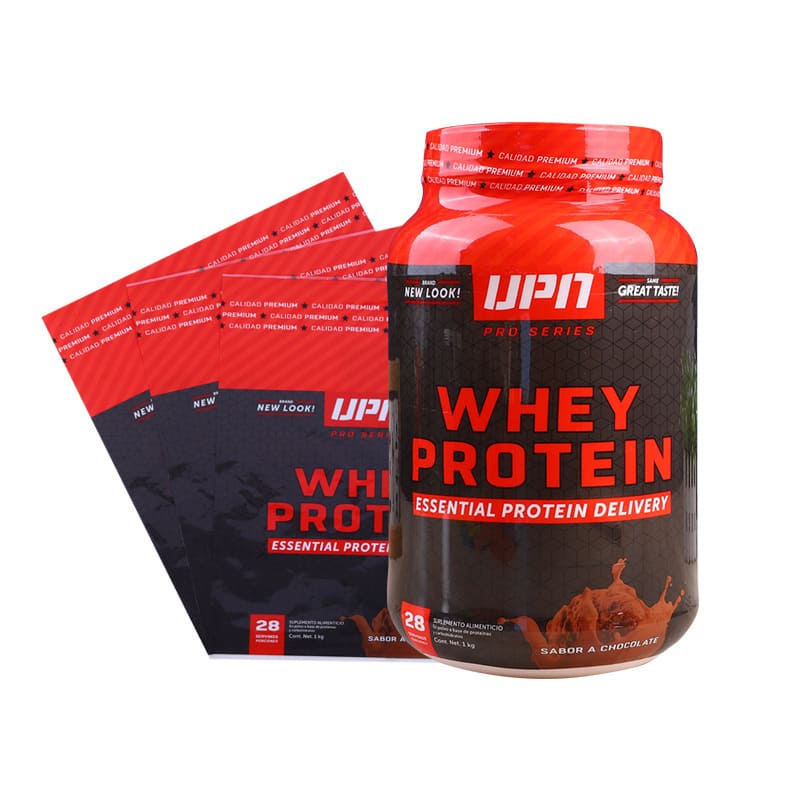
Shrink Sleeve Vs Label — A shrink sleeve is a full-body label made from heat-shrinkable plastic film (typically PVC, PETG, or OPS). It’s manufactured as a tube slightly larger than your container, then slipped over the product and passed through a heat tunnel. The heat causes the film to shrink tightly, conforming perfectly to the container’s shape — including curves, contours, and even recessed areas.
Key features of shrink sleeves:
- 360° coverage — Full-body branding with no uncovered areas
- Conforms to any shape — Works on bottles, cans, jars, and tapered containers
- Tamper-evident — Cannot be removed without visible damage
- High-impact graphics — Rotogravure or digital printing with vivid colours
What Is a Traditional Label?
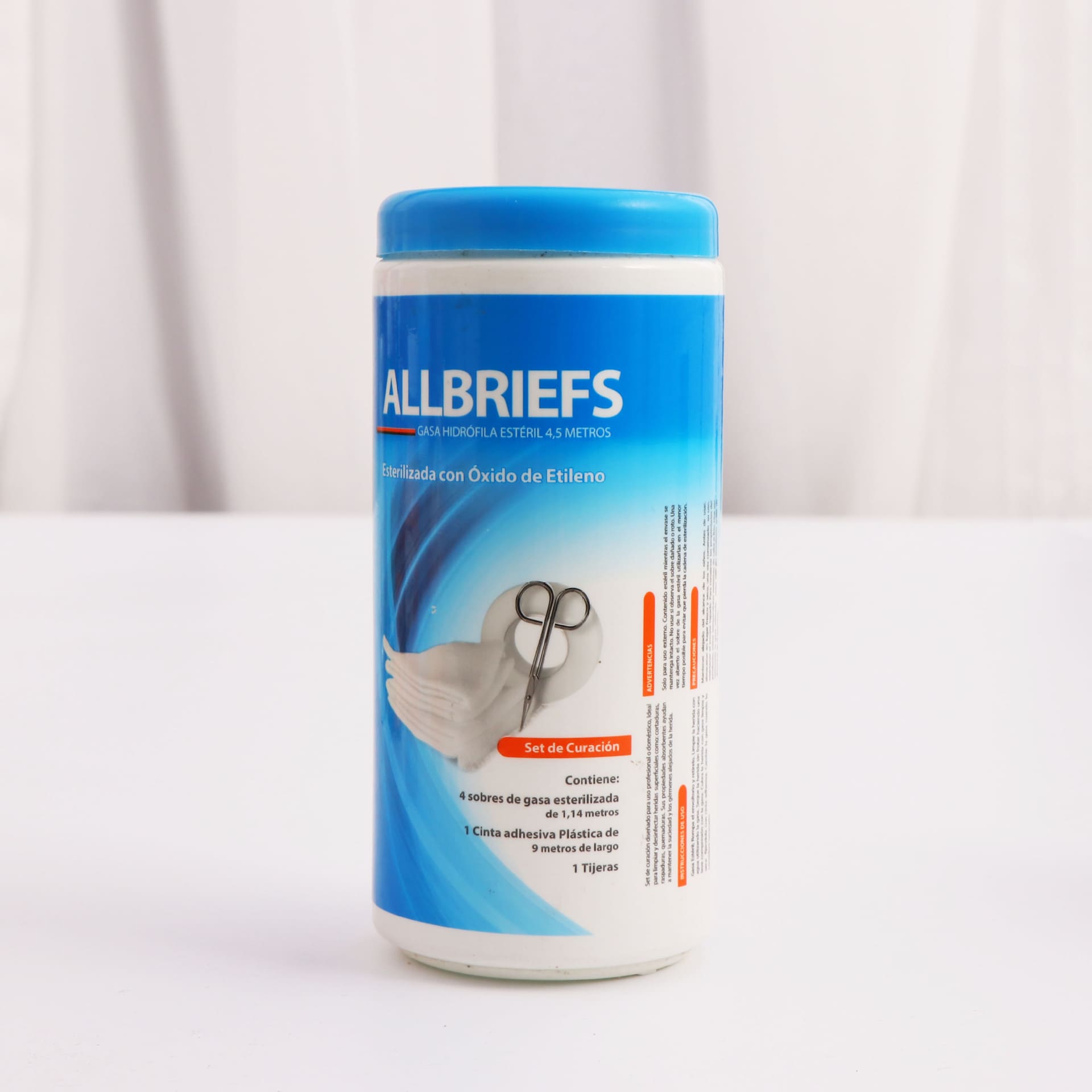
A traditional label is a printed adhesive or glued-on label applied to a specific area of a container. Common types include pressure-sensitive (self-adhesive) labels, glue-applied labels, and wrap-around labels. Unlike shrink sleeves, traditional labels are pre-cut to size and applied to a fixed position on the container.
Key features of traditional labels:
- Selective coverage — Labels only where you need them
- Lower cost per unit — Less material used per label
- Faster application — High-speed label applicators for production lines
- Easy removal — Can be peeled or soaked off for bottle reuse
Shrink Sleeve vs Label: Head-to-Head Comparison
Here’s the definitive shrink sleeve vs label comparison across the factors that matter most for Malaysian businesses:
| Factor | Shrink Sleeve | Traditional Label |
|---|---|---|
| Design Coverage | Full 360° body coverage | Partial coverage only |
| Shape Compatibility | Any shape — curves, tapers, contours | Best on flat or cylindrical surfaces |
| Cost per Unit | Higher (more material + heat tunnel) | Lower (less material, simpler application) |
| Production Speed | Slower (heat shrink process) | Faster (adhesive/glue application) |
| Print Quality | Excellent — rotogravure or digital | Very good — flexo, digital, offset |
| Tamper Evidence | Built-in (cannot reapply) | Requires separate tamper band |
| Removability | Difficult — requires cutting | Easy — peel or soak off |
| Recyclability | Challenging (mixed materials) | Easier (paper labels on glass) |
| Minimum Order | Higher MOQ (print cylinder cost) | Lower MOQ (flexible printing) |
| Shelf Appeal | Premium, seamless look | Sleek, minimalist look |
For a complete overview of custom packaging options, see our custom plastic packaging guide.
Shrink Sleeve vs Label: Cost Comparison
Cost is often the deciding factor in the shrink sleeve vs label debate. Here’s how they compare across different cost components:
Upfront Investment
Shrink sleeves require rotogravure cylinders or digital print setup. For gravure printing, cylinder engraving costs RM500–RM2,000 per colour, making small runs expensive. Digital printing eliminates cylinder costs but has higher per-unit pricing.
Traditional labels (flexographic or digital) have lower setup costs. Flexo plate costs are RM100–RM500 per colour, and digital label presses require no plates at all — ideal for short runs and multiple SKUs.
Per-Unit Cost
At volume, shrink sleeves cost RM0.10–RM0.50 per sleeve depending on size, material, and print complexity. Traditional labels cost RM0.03–RM0.20 per label. The 2–3x price premium for shrink sleeves comes from:
- More material used per unit (full body vs partial coverage)
- Higher film cost (PVC, PETG vs paper or BOPP stock)
- Heat shrink labour/energy cost
- Higher waste rate during initial setup
Total Applied Cost
Don’t forget the cost of application equipment. Shrink sleeves need a heat tunnel (RM20,000–RM80,000 for a commercial unit). Traditional labels need a label applicator (RM5,000–RM30,000). Factor in equipment depreciation when comparing total applied cost.
Learn about all packaging costs in our packaging MOQ guide.
Shrink Sleeve vs Label: Design Flexibility
Design capability is where shrink sleeves clearly outperform traditional labels. Here’s why:
Shrink Sleeves — Unlimited Creative Possibilities
- Full-body branding — Every millimetre of your container is a branding opportunity
- No panel restrictions — Your design wraps continuously without label edges or gaps
- Contour conformance — Follows bottle necks, curves, grips, and recessed panels
- Visual illusions — Graphics that distort pre-shrink but reform perfectly post-shrink create unique visual effects
- Reverse printing — Print on the inside of transparent film for a glossy, protected surface
- Metallic and special effects — Hot stamping, matte/gloss contrast, and metallic inks available
Traditional Labels — Clean and Functional
- Clean front-back panels — No distortion risk, graphics remain perfectly flat
- Multiple substrates — Paper, clear BOPP, white BOPP, metallic, textured
- Die-cut shapes — Custom shapes that match your container design
- Clear-on-clear — Transparent labels on transparent bottles for a “no-label” look
- Variable data — Individual barcodes, serial numbers, or date codes on every label

Shrink Sleeve vs Label: Material Types Compared
The materials used in each labelling method affect performance, cost, and environmental impact.
Shrink Sleeve Film Types
| Material | Shrink Rate | Best for | Pros | Cons |
|---|---|---|---|---|
| PVC | 50–60% | General bottles, cans | Low cost, good shrink | Environmental concerns, limited recycling |
| PETG | 50–70% | Contoured bottles, premium products | Excellent shrink, recyclable with PET | Higher cost than PVC |
| OPS | 60–75% | Extreme contours, unique shapes | Highest shrink, no chlorine | Higher cost, specific application |
Traditional Label Materials
| Material | Best for | Pros | Cons |
|---|---|---|---|
| Paper | Dry goods, wine bottles | Cost-effective, matte finish, writeable | Not waterproof, tears easily |
| BOPP (Clear) | Glass/plastic “no-label” look | Transparent, waterproof, durable | Higher cost, requires careful application |
| BOPP (White) | Colourful opaque labels | Full colour, scuff resistant, durable | Not biodegradable |
| Metallic Foil | Premium products, gifts | Luxury look, catches attention | High cost, limited printing options |
| Thermal Transfer | Variable data, logistics | On-demand printing, no plates | Limited colour, smudge risk |
Shrink Sleeve vs Label: Printing Methods
The printing method affects your upfront cost, per-unit price, colour capabilities, and lead time.
Rotogravure Printing (Both Methods)
Rotogravure is the gold standard for high-volume shrink sleeve and label production. Cylinders are engraved with your design, enabling consistent, high-quality results across millions of units. Best for runs of 50,000+ units with 6–10 colours.
Flexographic Printing (Labels)
Flexo is the most common label printing method for medium runs (5,000–100,000 units). It uses flexible photopolymer plates and works well on paper, BOPP, and foil substrates. Suitable for 1–6 colours with inline varnish and lamination.
Digital Printing (Both Methods)
Digital printing is ideal for short runs, test markets, and variable data. No plates or cylinders needed — your design goes straight from computer to press. Best for runs under 5,000 units or multiple SKU variations. Digital quality has improved dramatically and now rivals flexo for most applications.
See our pouch printing guide for more on rotogravure vs flexographic printing comparisons.
When to Choose Shrink Sleeve vs Label
Based on our experience serving Malaysian F&B, personal care, and household product brands, here are our recommendations for the shrink sleeve vs label decision:
Choose Shrink Sleeve When:
- Your container has an unusual shape — curved bottles, tapered jars, or ergonomic grips
- You want 360° full-body branding with no uncovered areas
- Tamper evidence is required (food, beverages, nutraceuticals)
- You have large production volumes (50,000+ units)
- Your product competes on shelf appeal and needs premium visibility
- You’re launching a limited edition with unique design requirements
Choose Traditional Labels When:
- Your containers are standard cylindrical or flat shapes
- You need lower per-unit cost for price-sensitive products
- Your volumes are small (under 10,000 units) or highly variable
- You require variable data (barcodes, serial numbers, expiry dates)
- You want easy removability (reusable bottles, glass returns)
- Sustainability is a priority (paper labels on glass or PET)

Shrink Sleeve vs Label: Application & Production Speed
Application speed directly impacts your production line throughput and labour costs.
Shrink sleeve application involves three stages: cut the sleeve to length, slip it over the container, and pass through a heat tunnel (60–90 cm long, 5–15 seconds at 150–200°C). Typical throughput is 60–200 units per minute depending on sleeve size and tunnel length.
Label application is faster. Pressure-sensitive label applicators can reach 200–500 units per minute for standard shapes. Glue-applied labelers are faster still, reaching 600+ units per minute for cylindrical containers. No heat tunnel or cooling section needed — labels are ready immediately.
If production speed is your priority and your product has a standard container shape, traditional labels will get more units out the door per shift.
For a deeper look at all packaging options, read our complete guide to packaging in Malaysia.
Frequently Asked Questions: Shrink Sleeve vs Label
Which is cheaper, shrink sleeve or label?
Traditional labels are cheaper per unit (RM0.03–RM0.20 vs RM0.10–RM0.50 for shrink sleeves). Labels also require less investment in application equipment (RM5,000–RM30,000 vs RM20,000–RM80,000 for a heat tunnel).
Can shrink sleeves be recycled?
PVC sleeves are difficult to recycle. PETG sleeves can be recycled with PET containers if separated properly. OPS sleeves are emerging as a more recyclable option. Traditional paper labels on glass or PET are generally easier to recycle.
Which provides better shelf appeal?
Shrink sleeves generally offer superior shelf appeal due to full-body coverage, seamless design, and ability to create unique visual effects. However, clear-on-clear labels can create an elegant “no-label” look that some brands prefer for minimalist positioning.
What is the minimum order for shrink sleeves?
For rotogravure-printed shrink sleeves, minimum order is typically 30,000–50,000 units due to cylinder engraving costs. Digital-printed shrink sleeves can start from 1,000–5,000 units at a higher per-unit price.
Does HAIN® Packaging offer both shrink sleeves and labels?
Yes. We manufacture custom shrink sleeves (PVC, PETG, OPS) and traditional labels (paper, BOPP, metallic) at our SIRIM-certified facility in Seri Kembangan, Selangor.
Make the Right Choice: Shrink Sleeve vs Label for Your Product
The shrink sleeve vs label decision ultimately depends on your product shape, branding goals, production volume, and budget. Both options are viable, and the best choice varies by application.
At HAIN® Packaging, we produce both shrink sleeves and traditional labels in-house. This means we can advise you honestly on which solution fits your product best — no bias, just expertise backed by SIRIM certification and years of serving Malaysian businesses. For businesses exploring shrink sleeve vs label, finding the right packaging partner is essential.
Contact us for a free consultation:. For businesses exploring shrink sleeve vs label, finding the right packaging partner is essential.
Visit hainpackaging.com.my and tell us about your product — we’ll recommend the right labelling solution and provide a custom quotation.
Follow us on Facebook, Instagram, and Telegram for packaging tips and updates.

HAIN® Packaging
No. B-6-3A, Streetmall, One South, Jalan OS, Taman Serdang Perdana, Section 6 Seri Kembangan, 43300 Selangor Darul Ehsan
Phone: +60 11-6987 2289
Email: [email protected]