Custom Made Popcorn Packaging That Elevates Your Brand in Malaysia
May 8, 2026
Custom Plastic Packaging MOQ Guide Malaysia
May 8, 2026
Choosing the right plastic packaging material is one of the most critical decisions a product-based business can make. The material you select affects product shelf life, shipping costs, brand perception, and your bottom line. For Malaysian businesses, this choice is complicated by our tropical climate, diverse product types, and varying distribution channels.
This comprehensive guide walks you through every type of plastic packaging material available, their properties, best-use cases, and how to match them to your specific product requirements.
Key Takeaways
- Different plastic materials offer different barrier properties, flexibility, and cost profiles
- LDPE is best for flexibility and soft products; HDPE for strength and rigidity
- Laminated films provide the best barrier protection for moisture and oxygen-sensitive products
- Your product’s weight, shape, shelf life, and distribution method determine the ideal material
- Malaysian businesses can save up to 30% by choosing the correct material for their specific application
For a complete overview of our packaging range, explore our guide to custom plastic packaging solutions in Malaysia. [HAIN Packaging] provides end-to-end packaging solutions
Understanding Plastic Packaging Materials
Plastic packaging materials are categorised by their polymer composition. Each type has unique properties that make it suitable for specific applications. The most common materials used in Malaysian packaging manufacturing include LDPE, HDPE, PP, PET, and laminated combinations.
LDPE (Low-Density Polyethylene)
LDPE is the most common plastic packaging material. It is flexible, transparent, and economical. LDPE is ideal for lightweight products such as bread, vegetables, and soft goods. It offers good moisture resistance but limited oxygen barrier. Typical thickness ranges from 30 to 100 microns. For Malaysian food businesses packaging items like kuih muih or frozen foods, LDPE provides the perfect balance of cost and functionality.
Best for: Bread bags, frozen food packaging, produce bags, soft goods packaging, and general-purpose poly bags.
HDPE (High-Density Polyethylene)
HDPE is stronger and more rigid than LDPE. It provides better puncture resistance and a more structured feel. HDPE has excellent moisture barrier properties and is commonly used for products that require more protection. Many Malaysian fertilizer and chemical manufacturers prefer HDPE for its superior strength and chemical resistance.
Best for: Shopping bags, rubbish bags, heavy-duty packaging, chemical packaging, and products requiring structural integrity.
PET (Polyethylene Terephthalate)
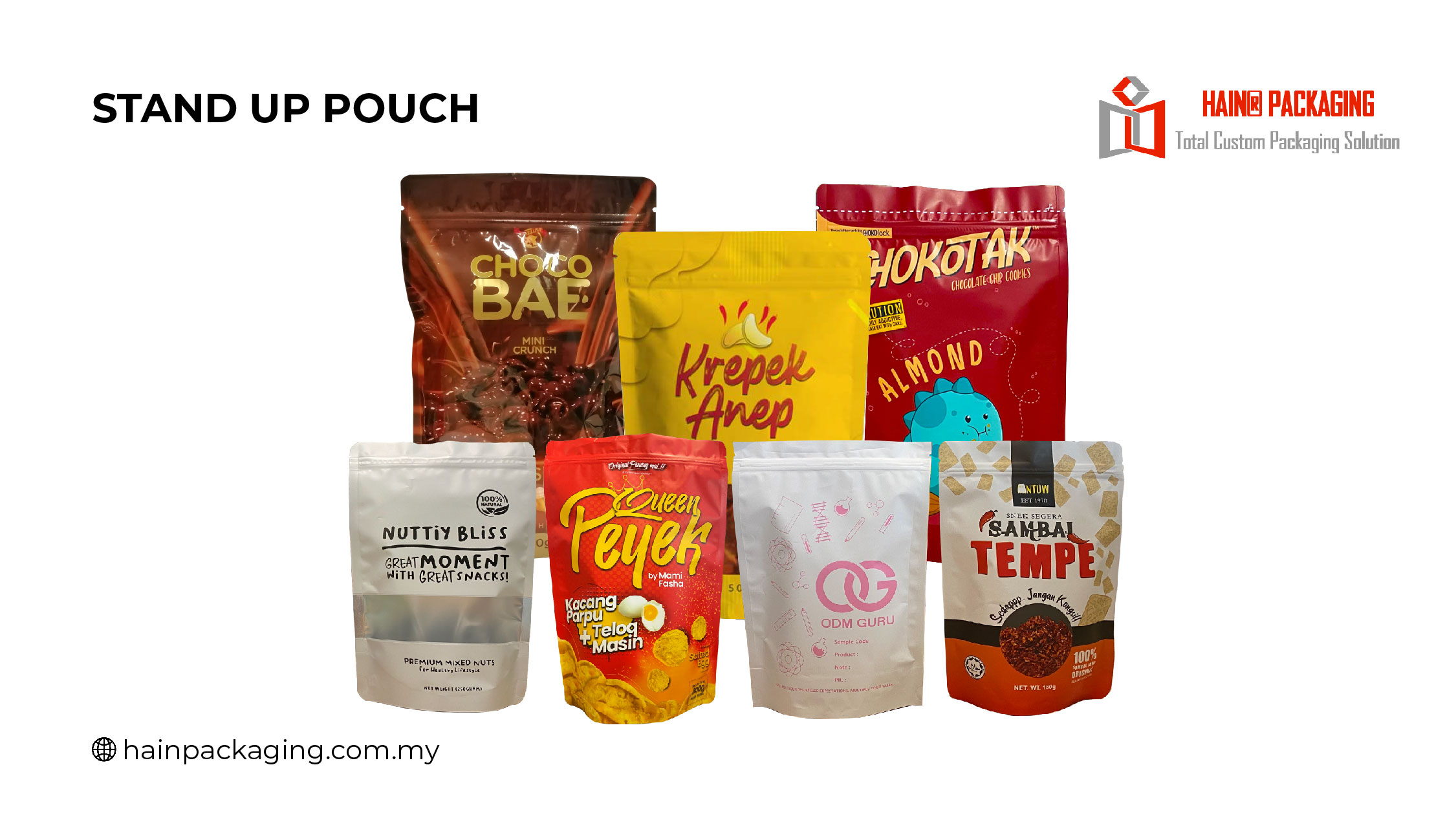
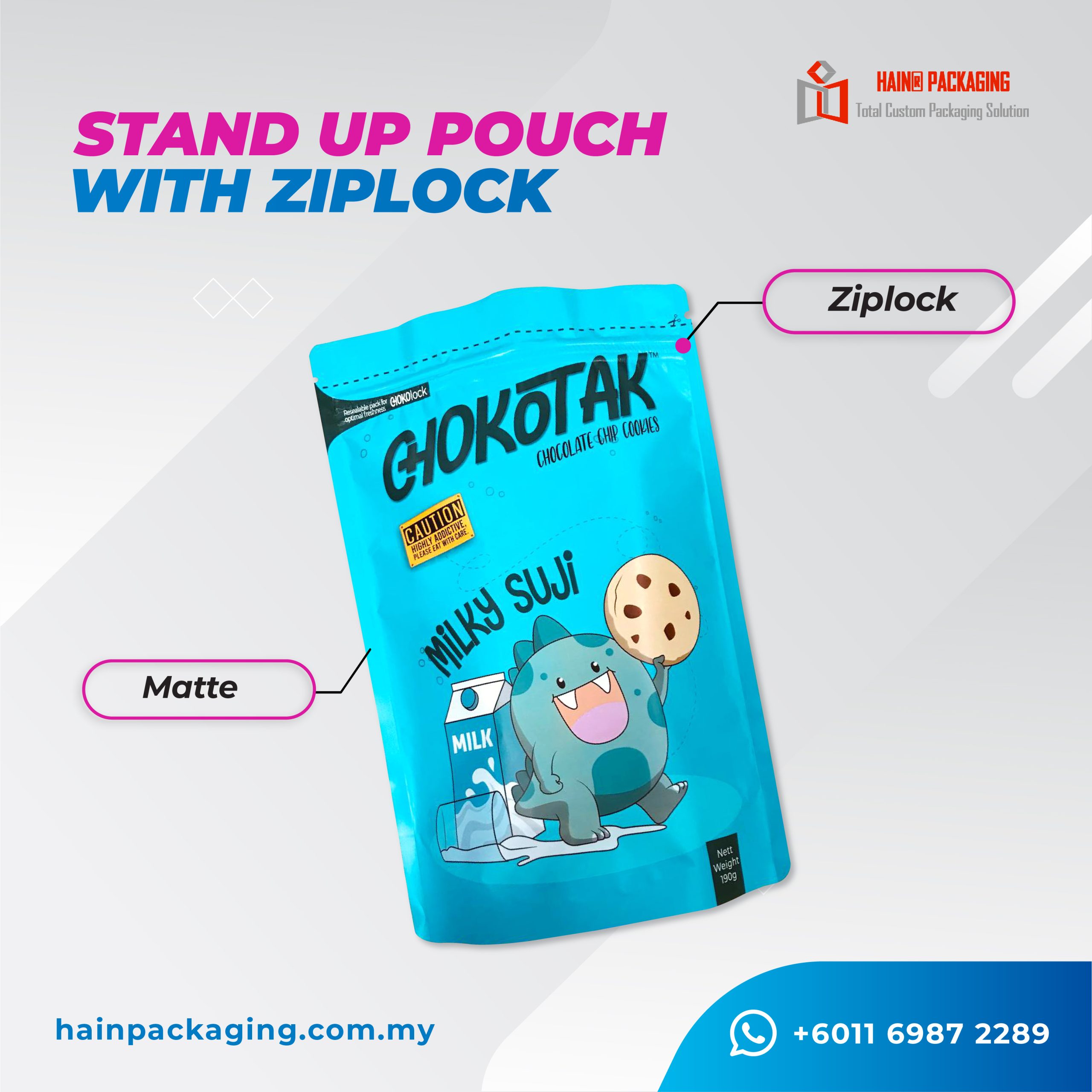
PET offers excellent clarity and strength. It provides a good oxygen barrier and is commonly used in laminated structures. PET is recyclable and widely accepted in Malaysian recycling programs. For premium food brands requiring high visual appeal, PET-based laminates offer the clarity that makes products stand out on retail shelves.
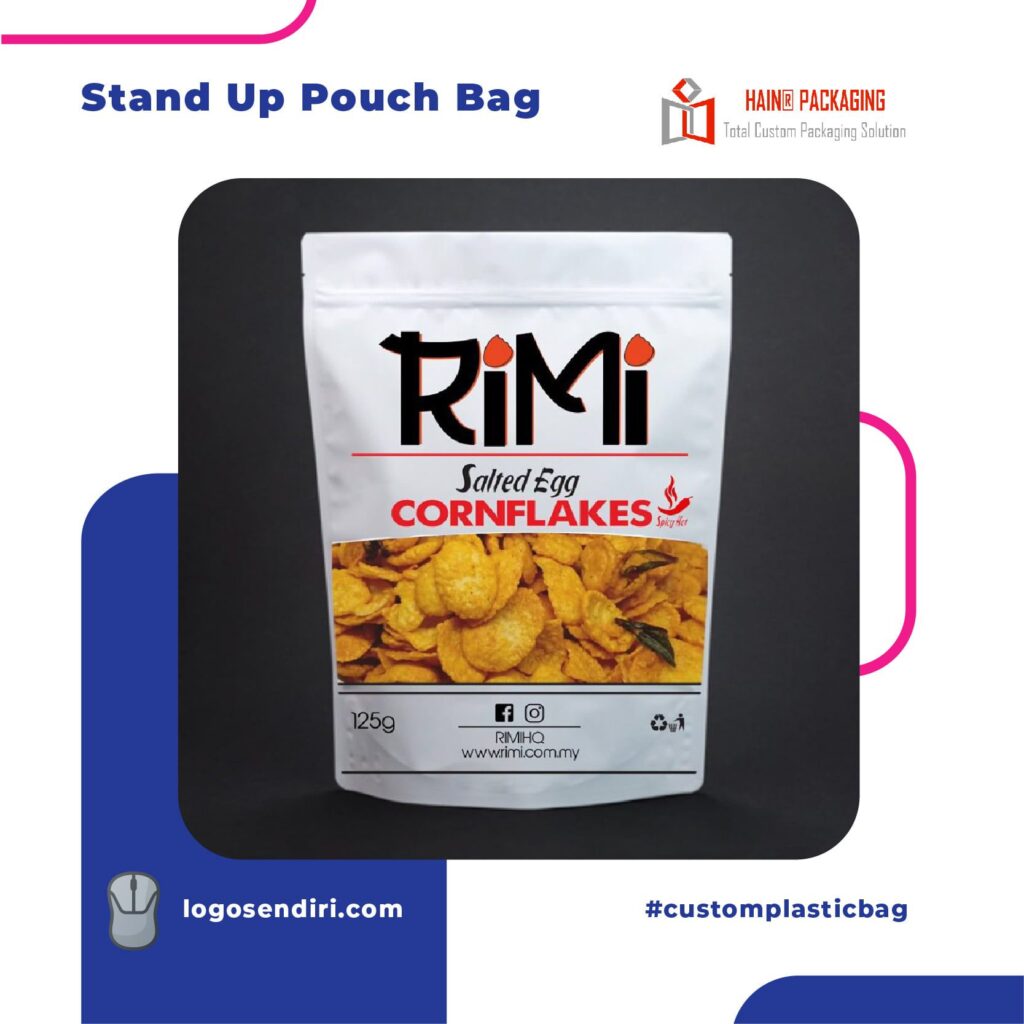
Best for: Stand-up pouches, laminated food packaging, products requiring visual appeal, and recyclable packaging solutions.
CPP (Cast Polypropylene) and OPP (Oriented Polypropylene)
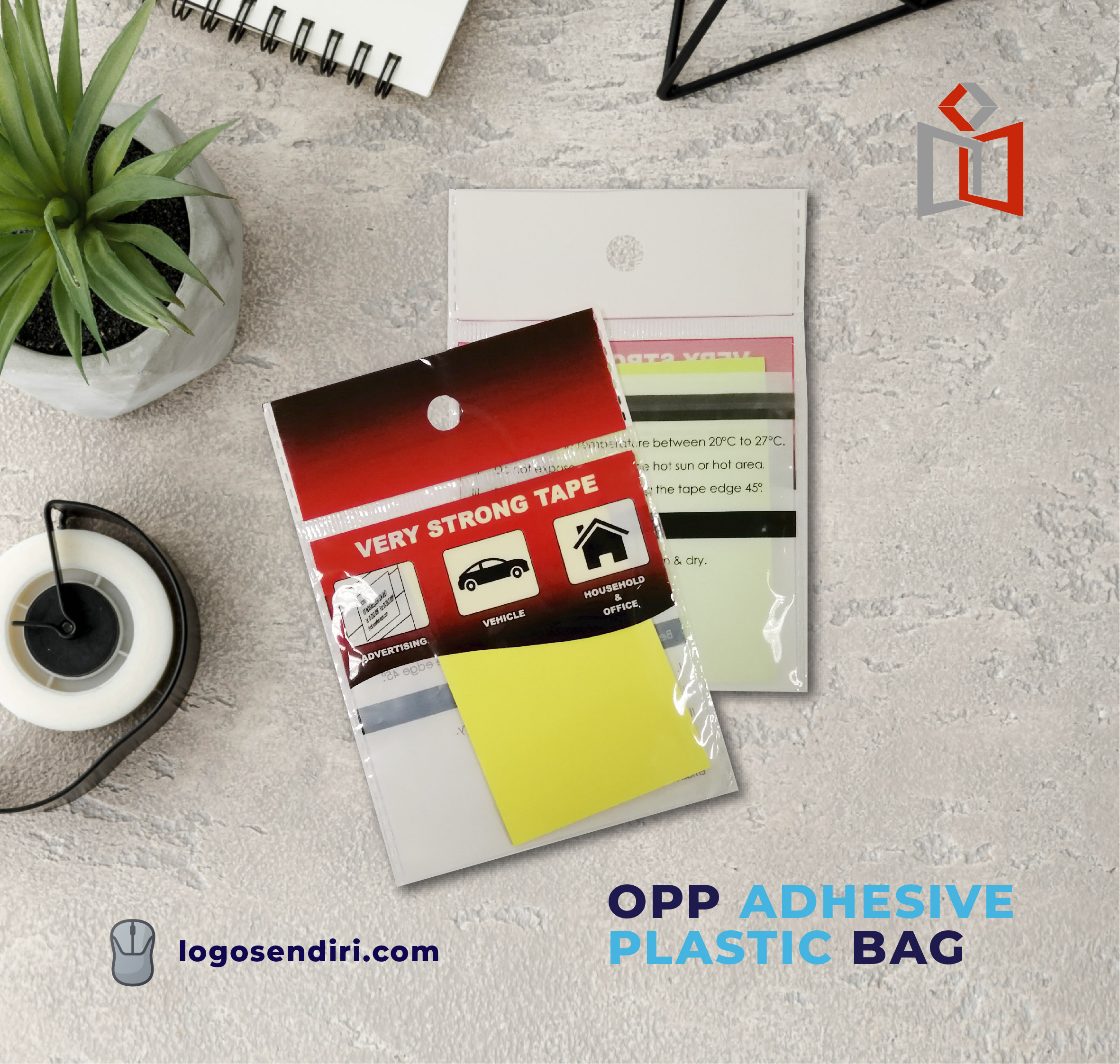
Polypropylene films offer excellent clarity, heat resistance, and moisture barrier properties. CPP is softer and more flexible, while OPP is stronger and has better optical properties. OPP is commonly used for snack packaging because of its excellent printability and crisp appearance.
Best for: Snack packaging, bakery products, textile packaging, and hang-header bags.
Laminated Films: Combining the Best of Multiple Materials
For products requiring extended shelf life or special protection, single-material films may not be sufficient. Laminated films combine two or more plastic materials (sometimes with aluminium foil) to achieve specific barrier properties. Common laminate structures include PET/PE for general food packaging, PET/Aluminium/PE for products requiring long shelf life, and NYLON/PE for vacuum packaging applications.
Malaysian food manufacturers producing sambal, curry pastes, and wet condiments frequently use laminated stand-up pouches because they provide the oxygen and moisture barrier needed to preserve freshness without refrigeration. The additional cost of laminated films is offset by significantly longer shelf life and reduced product waste.
Typical laminate combinations and their applications:
- PET/PE: General food packaging, snacks, biscuits
- PET/AL/PE: High-barrier for coffee, spices, dried foods
- NYLON/PE: Vacuum packaging for meat, cheese, seafood
- PET/MPET/PE: Medium-barrier for sauces, pastes, condiments
- BOPP/PE: Lightweight packaging for snacks and bakery items
How to Match Material to Your Product
Selecting the right plastic packaging material requires understanding your product’s specific needs. Consider these factors:
Moisture Sensitivity: Products like biscuits, crackers, and dried foods require materials with high moisture barrier properties. Laminated structures with aluminium foil offer the best moisture protection, while HDPE provides good moisture resistance at a lower cost.
Oxygen Sensitivity: Coffee, nuts, and cooking oils need protection from oxygen to prevent rancidity. Materials with EVOH or aluminium layers provide excellent oxygen barrier properties.
Physical Protection: Heavy or sharp-edged products require puncture-resistant materials. HDPE and laminated structures with nylon layers offer superior puncture resistance.
Temperature Requirements: Products that need refrigeration or freezing require materials that remain flexible at low temperatures. LDPE and LLDPE maintain flexibility even in freezer conditions.
Thickness Selection Guide
Plastic packaging material thickness is measured in microns (μm). The appropriate thickness depends on product weight, sharpness, and required protection level. Here’s a practical guide for Malaysian businesses:
- 30-50 microns: Lightweight products such as bread, vegetables, clothing, and stationery. Suitable for LDPE and OPP materials.
- 50-80 microns: Medium-weight products such as frozen food, snacks, and retail items. Works well with LDPE, HDPE, and laminate structures.
- 80-120 microns: Heavy products such as rice, pet food, and fertilizers. HDPE and laminated films recommended.
- 120-200 microns: Industrial products, chemicals, and heavy hardware. Requires HDPE or multi-layer laminates.
Using the correct thickness is essential for cost management. Over-specifying thickness increases material costs unnecessarily, while under-specifying risks product damage and customer complaints. A consultation with your packaging supplier can help identify the optimal thickness for your specific product.
Cost Comparison of Plastic Packaging Materials
Understanding cost differences helps businesses make informed decisions. Generally, LDPE is the most economical option, followed by HDPE. PET and laminated structures cost more but offer enhanced properties. For a standard 1,000-piece order of medium-sized bags, typical price ranges are:
- Standard LDPE bags: Most affordable option, ideal for budget-conscious businesses
- HDPE bags: 10-20% more than LDPE, offering better strength and durability
- PET/PE laminate pouches: 30-50% more than standard poly bags but with premium appearance and barrier properties
- High-barrier laminated pouches (with aluminium foil): Premium option for products requiring extended shelf life
When evaluating costs, consider the total value including reduced product waste, extended shelf life, and enhanced brand perception rather than just the per-unit packaging cost.
Learn more about our food packaging Malaysia solutions for your products.
Learn more about our stand up pouches Malaysia solutions for your products.
Frequently Asked Questions
Q: Can I use the same plastic packaging material for all my products?
A: No, different products have different packaging requirements. A product’s weight, moisture sensitivity, oxygen sensitivity, and physical characteristics all determine the ideal material.
Q: Is laminated packaging recyclable?
A: Multi-layer laminates are more difficult to recycle than mono-material packaging. However, advances in material science are producing recyclable mono-material alternatives with comparable barrier properties.
Q: What is the most popular plastic packaging material in Malaysia?
A: LDPE is the most widely used due to its versatility, affordability, and availability. However, laminated stand-up pouches are rapidly gaining popularity among premium food brands.
Q: How do I know what thickness I need?
A: Start with your product’s weight and physical characteristics. Your packaging supplier can recommend the optimal thickness based on your specific requirements, and sample testing can confirm the choice.
Q: Can I get samples before committing to a material?
A: Yes, reputable packaging suppliers like HAIN Packaging provide samples of standard materials so you can evaluate quality, appearance, and suitability before placing a full order. MIDA manufacturing overview.
Conclusion
Choosing the right plastic packaging material is a strategic decision that affects your product quality, brand perception, and bottom line. By understanding the properties of each material type and how they match your specific product requirements, you can make an informed choice that benefits your business.
For personalised guidance on selecting the ideal plastic packaging material for your Malaysian business, contact our team at HAIN Packaging. With years of experience serving businesses across Malaysia, we can help you find the perfect packaging solution at the right price point.