7 Checks for Modified Atmosphere & Easy-Open Packaging
October 6, 2026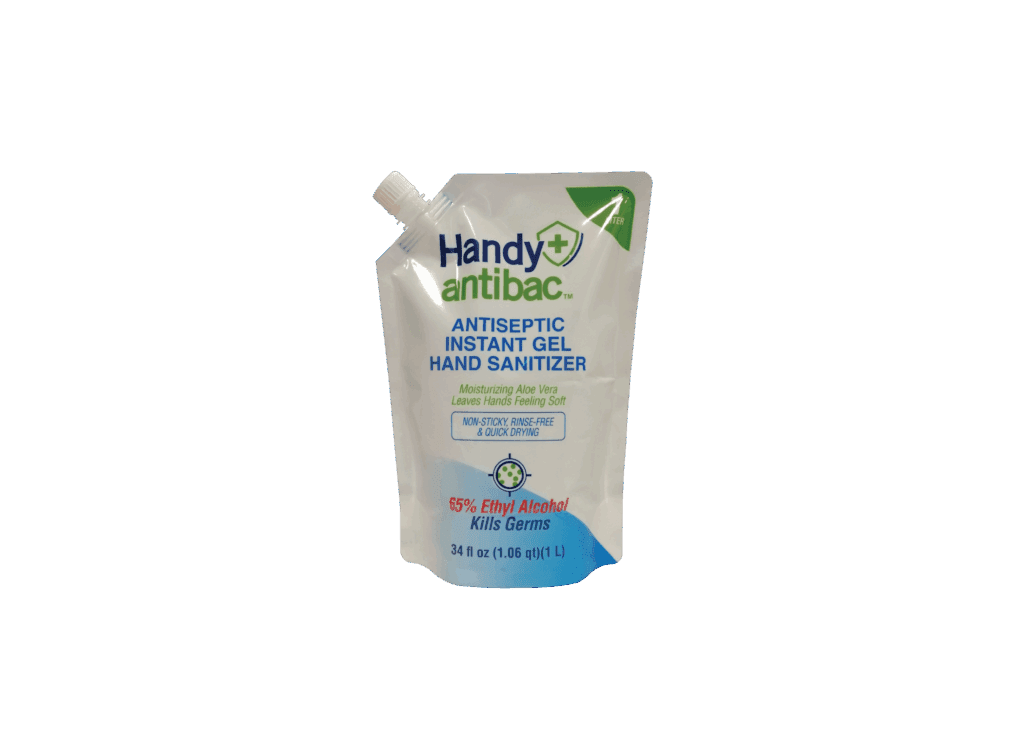
Personal care liquids are demanding products to pack. A formula that is thick, foaming or oil-rich behaves differently at the seal, at the spout and in transit than a water-thin product does. A shampoo, conditioner and body wash pouch project succeeds when the pack is specified alongside the formula rather than after it. This guide sets out the compatibility checks, format choices and order questions that matter for Malaysian personal care brands moving from bottles to flexible pouches.
Key Takeaways
- Test the pack against the real formula, because surfactants and oils attack seals differently.
- Choose the closure from the dosing habit, not from the catalogue.
- Confirm the spout, cap and film are specified as one system.
- Plan label space for ingredients, directions and batch coding before artwork starts.
- Run a filling trial at production speed before approving printed volume.
Table of Contents
- Compare pouch formats
- Test compatibility first
- Choose closures and dosing
- Match barrier to the formula
- Run filling and sealing trials
- Plan label space and refill messaging
- Use a buyer checklist
Shampoo, Conditioner & Body Wash Pouch Formats Explained
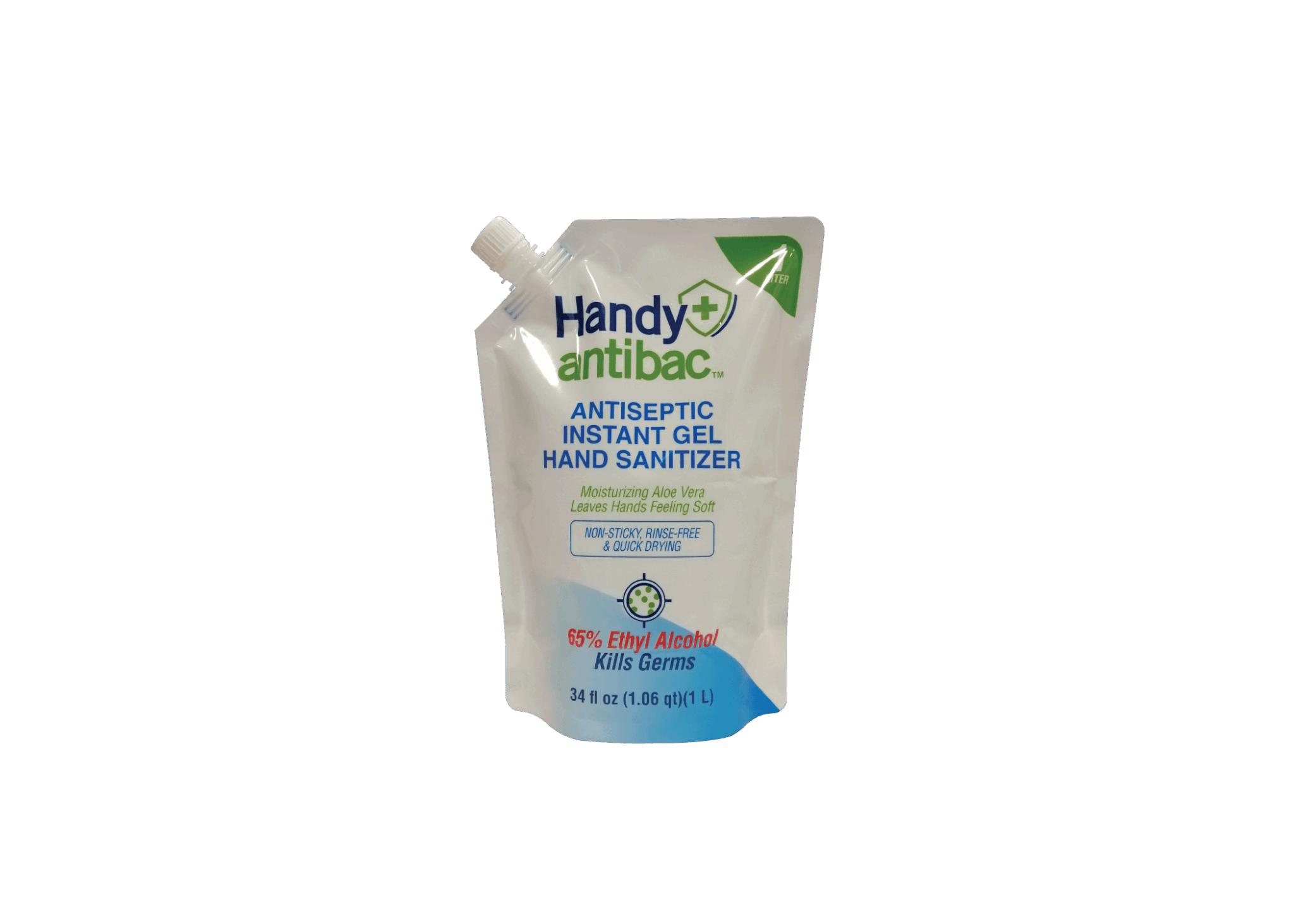
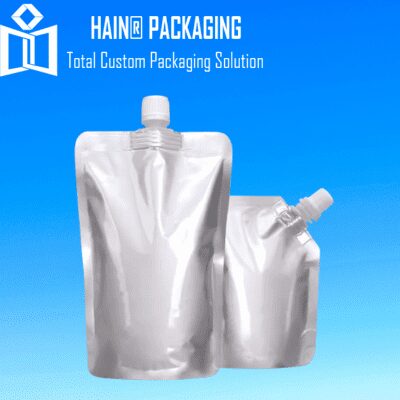
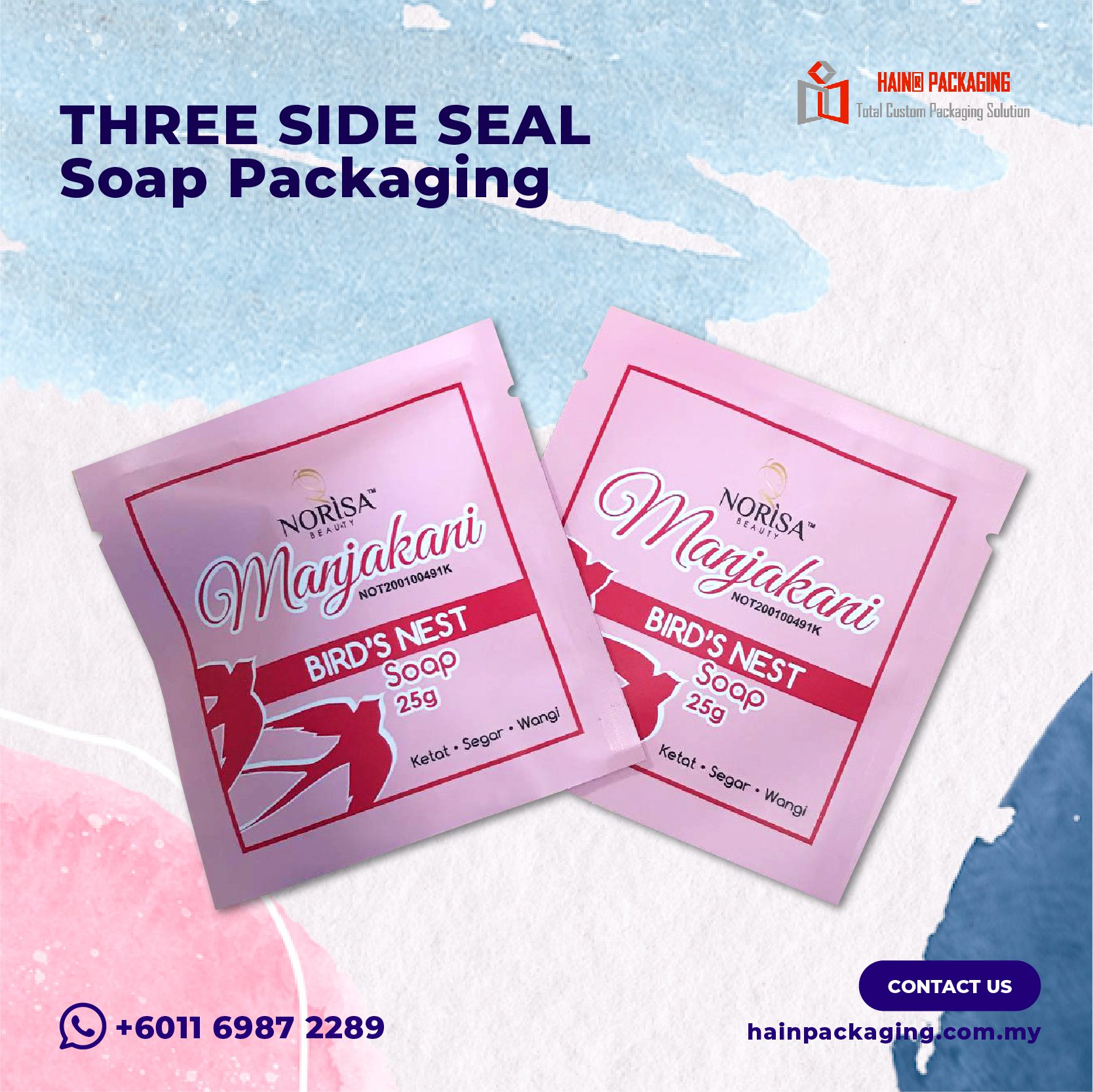
Three formats cover most personal care liquid projects. A stand-up pouch with a spout suits larger volumes and refill positioning, because it stands on a shelf and pours in a controlled way. A flat three-side seal sachet suits single-use or sample sizes, where cost per unit and portability matter more than presence. A pillow or centre-seal pouch suits mid-size volumes and efficient packing, though it needs secondary support to stand.
Choose by volume, channel and use pattern. A hotel amenity range wants single-use sachets, a refill range wants a large spouted pouch, and an e-commerce range wants a format that survives a parcel journey. Write the intended use down first, because it determines the closure more than the artwork does.
| Format | Best fit | Main trade-off |
|---|---|---|
| Stand-up pouch with spout | Refill sizes, shelf presence, controlled pour | Higher unit cost, more components |
| Three-side seal sachet | Samples, single use, amenity packs | Limited volume, no re-closure |
| Centre-seal pillow pouch | Mid volumes, efficient packing | Needs support to stand upright |
| Spouted flat pouch | Travel sizes, gift sets | Shape stability when partially emptied |
Compatibility Comes Before Artwork
Personal care formulas contain surfactants, salts, oils, fragrance and sometimes exfoliating particles. Each of those can interact with a seal area, an adhesive or an inner film in a different way. A formula that leaves a residue in the seal zone will produce leaks regardless of how good the film is, and a fragrance compound can migrate through some structures over time. Run compatibility testing on the actual formula, not on a placeholder liquid.
Ask the supplier which inner film is recommended for the formula class, then validate it. Test at the intended storage conditions and again at an elevated temperature to accelerate any effect. Keep filled samples for the full intended window and check them at intervals for seal integrity, weight loss and appearance.
Compatibility also covers the outside of the pack. Product residue on the spout thread, oil migration into a printed surface and scuffing during transport all show up as quality complaints even when the seal holds. Wipe-down trials and a short transport simulation are cheap ways to find these before a launch, and they often point to a small change in cap design rather than a change of film.
Closures, Spouts and Dosing
The closure decides how the product is used. A screw cap suits refill pouches that are poured repeatedly, a flip-top suits shower use with one hand, and a small-bore spout suits controlled dosing from larger volumes. Consider the cap size against the viscosity, because a thick conditioner through a narrow spout frustrates users even when the pack performs perfectly.
Specify the spout, the cap and the film as one system. The weld between spout and film is a common failure point, and it is influenced by film structure, spout material and the sealing equipment. Where a spouted format is new to the team, the spout pouch guide explains the components and the trade-offs in more detail.
Shampoo, Conditioner & Body Wash Pouch Barrier and Protection
Personal care liquids lose quality through water loss, fragrance loss and, for some formulas, oxidation. The barrier target should follow the formula and the intended window rather than a default. A product sold within six months in a climate-controlled retail environment has a different brief from one shipped into hot, humid conditions over a year.
Light can matter too, particularly for formulas with natural extracts or colour. An opaque or metallised layer solves that, at the cost of product visibility. Decide which matters more for the brand, then specify the structure accordingly and confirm it with a retained-sample check across the window. Producers already packing thick liquid foods will find the same barrier reasoning applies; the sauce and condiment packaging guide covers it from the food side.
Filling, Sealing and Line Trials
Flexible pouches fill differently from bottles. Viscous product can trap air, foam can contaminate the seal area, and fill temperature changes both viscosity and seal behaviour. Plan a line trial with the real product at the intended speed, and adjust nozzle design, fill temperature and seal settings together rather than one at a time.
Inspect seals across the run, not only at the start. Cut open samples, check the seal width and look for product in the seal zone. Keep retained packs from the start, middle and end of the trial, then repeat the check after a distribution simulation.
Teams already packing liquid household products will recognise most of these steps; the household cleaning packaging guide covers liquid handling for that category.
Label Space, Instructions and Refill Messaging
Personal care labels carry more mandatory text than most food labels, and a pouch has less flat area than a bottle. Plan the layout early: ingredients, directions, warnings, batch code and expiry all need a home before the design is finalised. A pouch with a shaped panel or a folded base can create useful flat space, but only if the artwork is designed for it.
Refill positioning needs care. If the pack is sold as a refill, say what it refills and how, in one short line. Avoid broad environmental claims that cannot be supported by the actual structure and local collection reality.
Keep the coding area away from the spout, the seal and any curved panel that a printer will struggle to reach. A batch code that smudges or disappears is a traceability problem, not a cosmetic one, so confirm the method on a filled pack before approving it.
Testing and standards conversations are best held with the supplier early. Resources from SIRIM can help frame discussions about Malaysian requirements, while the packaging supplier provides material and component documentation. The brand owner remains responsible for its own formula compliance, labelling review and any registration or notification its product requires; packaging supply does not cover those obligations.
Shampoo, Conditioner & Body Wash Pouch Buyer Checklist
- Fix the intended use, volume and channel before choosing a format.
- Run compatibility testing on the real formula, at elevated conditions too.
- Specify spout, cap and film as one system and test the weld.
- Set the barrier target from the formula and the intended window.
- Run a filling trial at production speed and inspect seals across the run.
- Plan label space for ingredients, directions, warnings and coding.
- Keep retained samples at every interval and approve one reference pack.
Frequently Asked Questions
Can a pouch replace a bottle for a thick conditioner?
Often yes, provided the spout bore suits the viscosity and the closure is easy to use with wet hands. Test dosing with real users before committing.
Why do seals leak on some formulas?
Usually product residue in the seal area, or an inner film that does not suit the formula. Compatibility testing and filling trials find both.
How much label space does a personal care pouch need?
More than most food packs. Plan ingredients, directions, warnings, batch code and expiry before artwork starts.
Is a refill pouch always the lower-impact choice?
Usually, but the claim should match the actual structure and local collection reality. Keep the message specific and supportable.
Conclusion: Shampoo, Conditioner & Body Wash Pouch That Ships Clean
A dependable shampoo, conditioner and body wash pouch comes from testing the formula against the pack, specifying the closure as part of one system, and proving the result at production speed. Plan label space early, keep retained samples at every interval, and approve one reference pack before ordering volume. For a practical discussion about formats and quantities, contact HAIN Packaging through WhatsApp or review its packaging capabilities.