Dried Fruit, Energy & Protein Bar Packaging Explained
October 2, 2026The best format follows what the customer does between opening the pack and consuming the product. For nutrition brands, meal replacement, smoothie and sports nutrition pouches should be planned around dose, scoop access, powder flow, mixing instructions and repeated closure. A single-serving sachet supports a very different routine from a large tub refill or a stand-up pouch used every morning. This comparison follows the consumer journey so teams can choose a pack that is easier to use, simpler to fill and realistic for the launch volume.
Key Takeaways
- Start with the dose and preparation routine, not with a preferred pouch style.
- Choose single serve, multi-serve or refill formats for distinct use occasions.
- Test powder flow, dust, scoop access and closure with the final blend.
- Place directions and warnings where users see them during preparation.
- Keep packaging claims limited to supported product and pack information.
Comparison Route
- Define dose and use occasion
- Compare sachet, pouch and refill roles
- Control powder movement and sealing
- Design the opening and reclosure experience
- Build artwork around preparation
- Scale from a controlled launch
Meal Replacement, Smoothie & Sports Nutrition Pouches Start with the Dose
Write down the exact dose, the tool used to measure it and where preparation happens. A commuter mixing one serving at work values a compact sachet. A household blending smoothies at home may prefer a stable multi-serve pouch with easy scoop access. A gym user may carry several portions and needs a pack that survives repeated transport.
Then note the powder’s bulk density. Two products with the same net weight can occupy different volumes, so a size chosen from weight alone may be too tight or look underfilled. Test the intended fill, headspace and scoop together before approving dimensions.
| Use occasion | Likely format | Main experience goal |
|---|---|---|
| One serving away from home | Three-side seal sachet | Compact carry and complete emptying |
| Daily home routine | Stand-up zipper pouch | Stable access and repeated closure |
| Subscription refill | Lightweight refill pouch | Efficient delivery and transfer |
| Trial flavour | Small sachet | Low commitment and clear dose |

Compare Formats by Preparation Ritual
A sachet should tear cleanly and pour without trapping much powder in corners. A multi-serve pouch should open wide enough for the chosen scoop and remain stable on a counter. A refill pouch should pour into another container without uncontrolled dust or spillage. These actions are more important than a feature list because they determine whether customers use the product correctly and comfortably.
Observe several people preparing the product without coaching. Note where they grip the pack, whether they can find the directions, how they control the pour and whether they close the zipper fully. Small usability failures often become repeated complaints after launch.
Control Powder Flow and the Seal Zone
Fine powders can become airborne, cling to film and contaminate the seal. Coarser blends can bridge at the filling opening. Define the filling method and line speed, then create enough clean headspace for a repeatable seal. A wider pouch opening may improve access but alter how the pack stands and how much material it uses.
Run trials with the final blend because flavour systems, oils and particle sizes can change flow. Inspect seals at the start, middle and end of the run. If powder enters the zipper, test how many opening cycles it tolerates before the closure becomes difficult.
Design Opening and Reclosure as One System
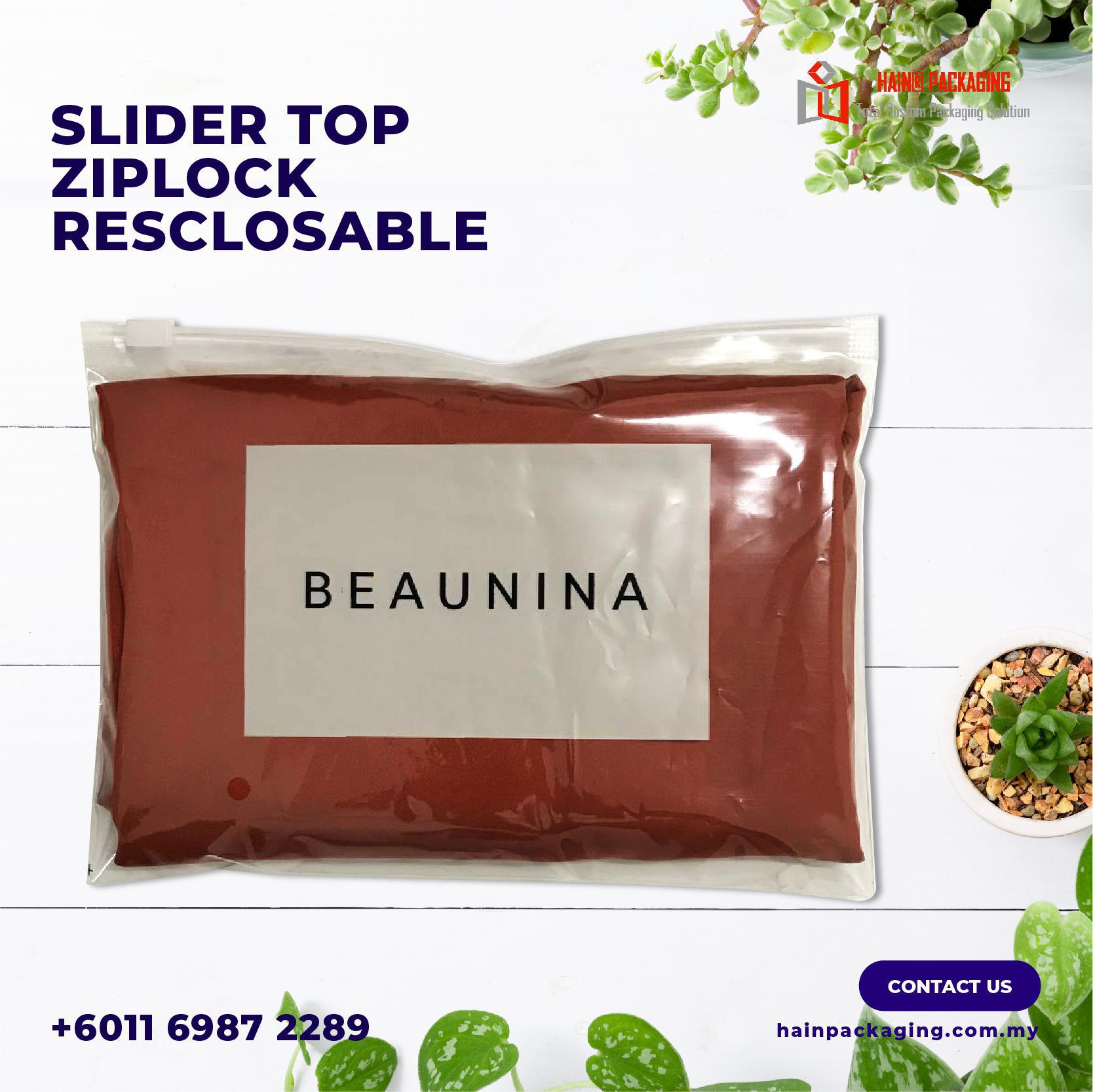
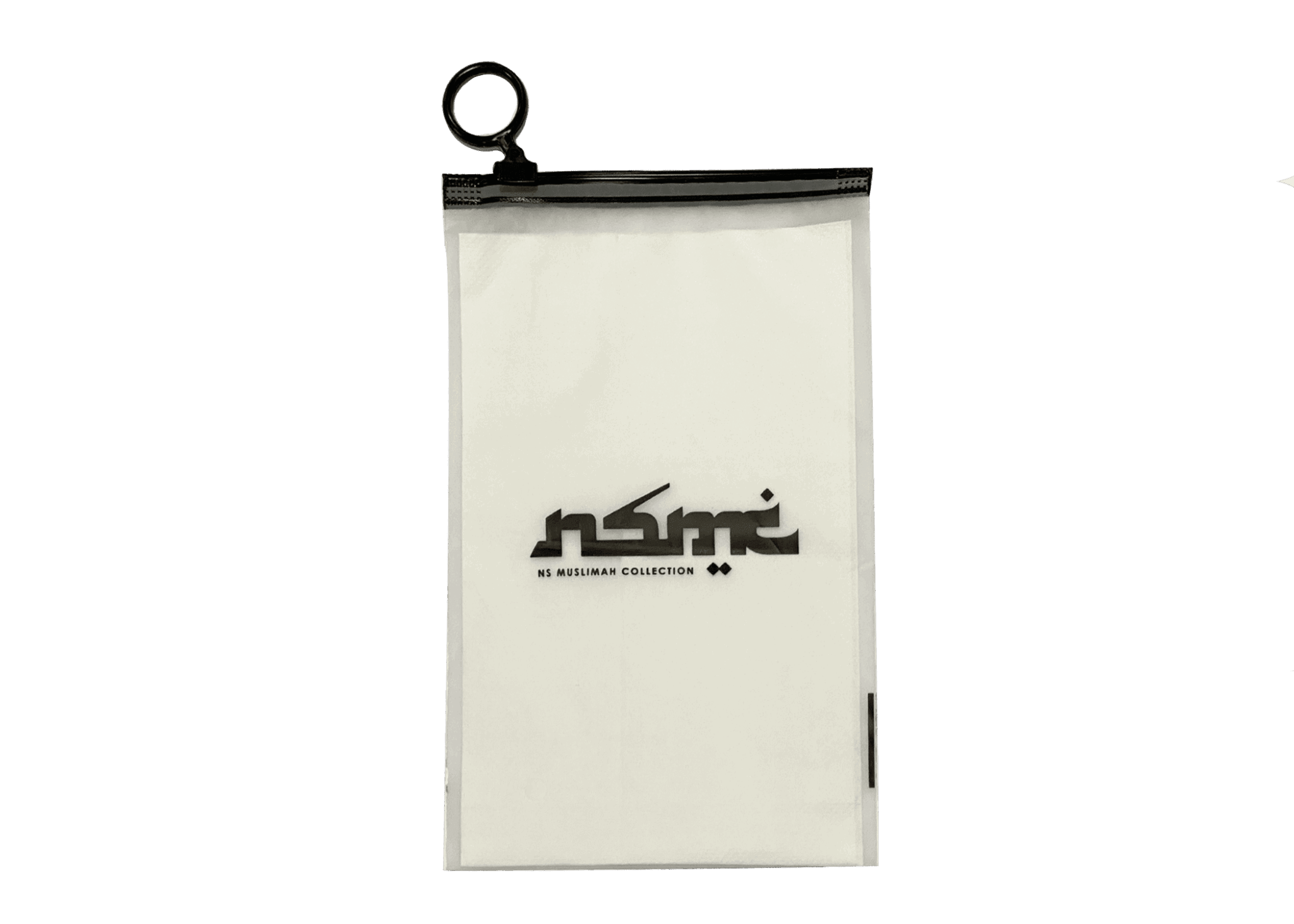
A tear notch should open above the permanent seal and leave enough material for a customer to grip. The zipper should sit far enough below the top to avoid accidental damage during opening. For single servings, easy emptying may matter more than reclosure. For multi-serve products, closure feedback should be clear enough that users know the pack is shut.
Test with dry hands, slightly damp hands and the normal tools used in preparation. Check whether the pouch collapses when a scoop reaches the bottom. A flat-bottom format may improve stability, while a standard stand-up pouch can reduce cost and storage space.
Put Instructions Where the User Needs Them
The front panel should identify product and flavour quickly. The back panel should present preparation steps in a readable order, with enough contrast and type size for the target customer. Place the serving guide near the instructions rather than separating related information across folds.
Packaging does not establish formula safety, nutrition performance or market acceptance. The brand owns product substantiation, label review and any required submissions. The supplier’s role is to produce the agreed pack and provide the applicable material and batch documents.
Plan for Humidity, Aroma and Repeated Opening
Powders can clump when moisture enters, while flavours can fade through oxygen exposure or repeated opening. Define the target use period after first opening as well as the unopened shelf period. A large pouch that lasts many weeks faces more closure cycles and more exposure than a seven-serving pack.
Ask for barrier data relevant to the proposed structure and review standards information from SIRIM when framing test and documentation questions. Confirm performance with the final blend in the final format under realistic storage. Material data supports the decision, but filled-pack evidence completes it.
Build a Controlled Launch Volume
New nutrition products often have several flavours and serving sizes. Launching every combination at once spreads demand across too many printed items. Choose a core flavour and format, validate customer use, then extend the system with controlled artwork changes.
Compare digital and conventional print options at realistic quantities. Include setup, freight, storage and obsolete artwork in the cost model. The white label packaging guide explains staged launches, and the packaging supplier selection guide provides procurement questions. For related beverage formats, see the tea packaging pouch guide.
Measure the Experience After Launch
Track complaints by task rather than using a single packaging category. Separate hard opening, powder trapped in corners, zipper contamination, unstable standing, unreadable directions and transit damage. This makes corrective action specific and helps distinguish a material problem from a filling or design problem.
Retain samples from each run and record the artwork and material revision. If the recipe changes, repeat the relevant flow, seal and storage checks. A small change in oil or particle size can alter the way powder moves through the pack.
Prepare Customer Support for Pack Use
Give the support team the same preparation sequence printed on the pouch. Create response categories for opening, measuring, mixing, storage and reclosure so feedback can be grouped rather than handled as unrelated messages. Photos of the pack condition often reveal whether the issue began during transport, first opening or repeated use.
Review the first production run after enough customers have completed several use cycles. If a recurring task causes confusion, correct the instruction hierarchy or pack feature in the next controlled revision. Do not change wording informally between print runs, because support staff and customers need one reliable version.
Meal Replacement, Smoothie & Sports Nutrition Pouches Buyer Brief
- State the dose, servings per pack and preparation location.
- Provide bulk density, particle range and flow observations.
- Define scoop dimensions or single-serving pour requirements.
- Specify target unopened and after-opening periods.
- Describe filling equipment, speed and seal controls.
- Map the front panel, directions, coding and variable fields.
- Set trial quantity, forecast and planned flavour extensions.
- List required material statements and batch records.
Frequently Asked Questions
Are sachets always best for single servings?
They are compact and convenient, but the tear and pour must work with the powder. A small pouch may be better when the product needs more opening control.
How much headspace should a powder pouch have?
Enough for clean filling, sealing, scoop access and reclosure without making the pack look empty. Determine it with the final blend and fill method.
Can one pouch support several powder recipes?
Possibly, but every recipe needs fit, flow, seal and storage review. Differences in oil, flavour and particle size can change performance.
What should be checked on a refill pouch?
Test pouring control, dust, closure, transport and compatibility with the receiving container. The refill journey should be evaluated from opening to disposal.
Conclusion: Meal Replacement, Smoothie & Sports Nutrition Pouches for Real Use
Effective meal replacement, smoothie and sports nutrition pouches make the intended preparation routine obvious and repeatable. Begin with dose and use occasion, test the final powder through filling and consumer handling, and scale only after the pack performs across its whole journey. To discuss a trial brief, contact HAIN Packaging on WhatsApp or visit the HAIN packaging website.