Cake, Muffin & Pie Packaging: Which Format Fits?
October 2, 2026
Confectionery, Nut & Trail Mix Packaging: 6 Buying Checks
October 2, 2026
Three snack products can share a shelf and still demand very different controls on the packing line. For manufacturers, wafer, brownie and granola packaging should be designed as a process from product cooling to final dispatch. Wafers punish weak moisture barriers, brownies expose poor grease and seal control, and granola challenges pouches with sharp inclusions and free oil. This guide follows the pack through each production stage so buyers can find the point where quality is won or lost. The result is a supplier brief based on process evidence rather than a generic request for a food pouch.
Key Takeaways
- Define the product condition at the exact moment it enters the pack.
- Select film around moisture, oxygen, oil and puncture risks.
- Keep crumbs and inclusions away from the seal zone.
- Trial the pack at normal line speed and packed weight.
- Use retained samples to control repeat-order consistency.
Process Map
- Release the product from cooling or conditioning.
- Present it to the chosen pouch, wrapper or rollstock.
- Fill without contaminating the sealing surface.
- Close and inspect the pack under production conditions.
- Code, case-pack, store and ship through the real route.
Wafer, Brownie & Granola Packaging from Line to Dispatch
Begin by drawing the process on one page. Mark product temperature, room humidity, hold time before packing, fill weight, sealing equipment and case configuration. A film can perform well in a laboratory but fail when warm brownies create condensation or granola pieces land in the seal. The process map reveals those interfaces before printed stock is ordered.
Assign an owner to each checkpoint. Production confirms cooling and fill accuracy. Quality records seal appearance and leak results. Procurement controls the approved material description. Warehouse staff monitor storage and handling. When responsibilities are visible, a packaging problem is less likely to be passed between departments without a decision.
Stage 1: Define the Product at Pack Release
Wafers should enter the pack dry and stable because even a short humid hold can reduce crispness. Brownies should be cool enough to avoid condensation yet handled before their surface becomes exposed for too long. Granola should have a consistent mix distribution so clusters, nuts and fine particles do not create unpredictable fills.
Write measurable release conditions into the trial sheet. Include temperature range, maximum open exposure time and acceptable crumb level. These are not packaging specifications by themselves, but they determine whether the chosen material and seal can perform. A supplier cannot compensate for an uncontrolled product release point.
Stage 2: Match Film Behaviour to the Snack
A wafer requires strong resistance to water-vapour entry. A brownie often needs balanced moisture retention, grease resistance and enough oxygen protection for its fats. Granola may need both moisture and oxygen control, especially when nuts, seeds or chocolate pieces are present. Ask for material options in functional terms rather than by colour or thickness alone.
| Product | Dominant risk | Questions for the supplier |
|---|---|---|
| Wafer | Loss of crispness | What moisture-barrier data supports the shelf target? |
| Brownie | Drying, grease and aroma loss | How does the contact layer handle oil and sealing? |
| Granola | Oxidation and puncture | Can the structure resist sharp clusters and protect fats? |
The biscuit, cookie and cracker packaging guide provides a useful companion for crisp-product barrier planning.
Stage 3: Design the Seal Zone Before the Artwork
Seal failure often starts with product contamination. Wafer crumbs, brownie oil and granola dust can all enter the closing area. Give operators enough clean headspace, consider a wider seal where the process needs tolerance, and verify that the pouch opens far enough for controlled filling.
During trials, record temperature, pressure and dwell settings instead of relying on a visual check alone. Test seals after the pack has cooled, then repeat after storage and transport simulation. If a package leaks only after flexing in a carton, the problem belongs in the process map even when the initial seal looked neat.
Stage 4: Connect Print Direction to Machine Direction
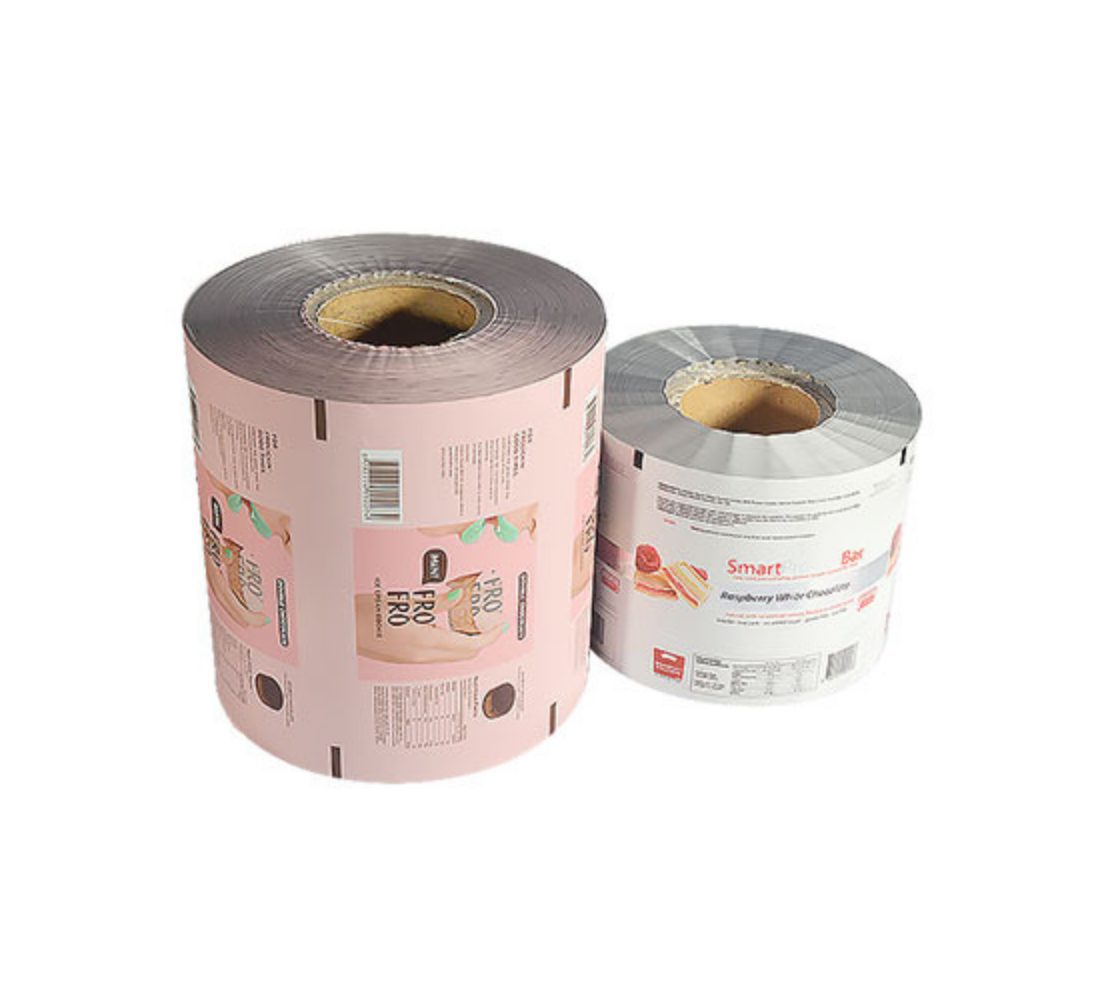
For rollstock and flow-wrap applications, artwork orientation, eye marks, repeat length and unwind direction must match the equipment. A beautiful file can be unusable when the roll feeds backwards or the registration mark sits in the wrong lane. Confirm these details with both the converter and the packing-line operator.
For pre-made pouches, check zipper position, tear notch, hang hole and printable safe areas. Keep essential text away from folds and gussets. Use an approved physical sample to verify how the front panel stands when filled, because a flat dieline does not show every distortion.
Stage 5: Run a Trial at Normal Speed
A slow hand-packed sample proves fit, not production readiness. Run enough units to observe operator rhythm, crumb control, seal variation, coding and case packing. If the line will use several flavours, include the most oily, fragile and irregular products in the trial rather than choosing only the easiest SKU.
Inspect filled units at the start, middle and end of the run. Compare seal width, wrinkles, print registration and pack dimensions. Retain labelled samples with the settings used. This creates a clear reference for the first commercial order and future re-orders.
Stage 6: Validate Storage and Distribution
Pack cases at the actual count and orientation. Stack them to the expected warehouse height, expose them to realistic Malaysian humidity and move them through the intended route. For online sales, add parcel handling. For supermarkets, include display conditions and the time cases may wait in a stockroom.
Use standards information from SIRIM to shape questions about test methods and documented quality checks. The brand should still run shelf-life work with its own product, recipe and channel. Material information is an input to that work, not a substitute for it.
Cost the Whole Process, Not Only the Pouch
Unit price matters, but line waste, packing speed, case utilisation and obsolete stock can cost more. A slightly higher-priced pouch may reduce product damage or sealing stops. Conversely, an elaborate feature may add cost without improving the product’s real risk profile. Compare options using total packed cost per saleable unit.
Separate fixed setup from variable material cost and request prices at realistic volumes. If the range is still being tested, a smaller run can protect cash and allow learning. The white label packaging guide explains how controlled launch quantities support new SKUs, while the eco and recyclable packaging guide helps frame material trade-offs.
Set Acceptance Limits Before the Purchase Order
Turn the approved trial into a short acceptance sheet. Record finished dimensions, fill range, seal appearance, print position, coding area and the checks that will be repeated on delivery. Include practical tolerances where they matter, because a target with no agreed limit leaves both buyer and supplier guessing.
When stock arrives, sample cartons from more than one pallet position. Compare the received units with the retained sample and confirm that the pouch behaves on the line before releasing the entire quantity. This receiving step closes the process loop and catches variation while records, samples and production details are still easy to trace.
Wafer, Brownie & Granola Packaging Supplier Brief
- Product dimensions, weight and condition at filling
- Target shelf period and storage environment
- Dominant moisture, oxygen, grease and puncture risks
- Pack format, closure, tear and display requirements
- Line type, speed, roll direction or pouch filling method
- Artwork, coding area and colour-control expectations
- Trial quantity, annual forecast and re-order pattern
- Required material statements, batch records and retained samples
Frequently Asked Questions
Can wafers and brownies use the same film?
Sometimes, but only after testing. Wafers prioritise moisture exclusion, while brownies may need moisture retention and grease resistance. The same laminate may not optimise both.
Why do granola pouch seals leak?
Fine particles, nuts or clusters can enter the seal zone. Improve filling control, headspace and sealing settings before assuming that thicker film is the answer.
Is a zipper necessary for every snack pack?
No. It adds value for multi-use packs, but a single-serving format may be better with a simple tear opening and dependable permanent seal.
What proves a sample is ready to scale?
A sample is ready when it passes fit, seal, handling, storage and line-speed checks with the actual product, not only when the printed appearance is approved.
Conclusion: Wafer, Brownie & Granola Packaging as a Controlled Process
Reliable wafer, brownie and granola packaging comes from controlling each handoff between product, film, equipment and distribution. Map the line, test the worst-case SKU and retain the approved settings with physical samples. To discuss a trial based on your filling process, contact HAIN Packaging through WhatsApp or visit the HAIN packaging website. There is more on this in Microwave & Oven Safe Packaging: What to Specify.