Biscuit, Cookie & Cracker Packaging Malaysia: Formats & Barriers
September 30, 2026
How to Choose Wafer, Brownie & Granola Packaging
October 2, 2026
A bakery pack has to protect shape, texture, aroma and presentation at the same time. For Malaysian bakeries, cake, muffin and pie packaging works best when the format follows the product rather than a generic catalogue choice. A tall frosted cake needs rigid side protection, a muffin needs controlled headspace, and a hand pie needs grease resistance plus a dependable seal. This guide turns those differences into a practical selection path for retail counters, delivery orders and seasonal gift runs. It also shows how to brief a packaging supplier without over-ordering or paying for features that do not solve a real product risk.
Key Takeaways
- Start with product geometry, not artwork, because height and fragile edges determine the usable format.
- Match moisture and grease resistance to the recipe and expected selling window.
- Protect the bake from movement with correct headspace, trays or secondary support.
- Test the complete pack through the real filling, display and delivery route.
- Approve dimensions and seals before committing to printed production.
Table of Contents
- Map the product before choosing a pack
- Compare formats for cakes, muffins and pies
- Control breakage, grease and moisture
- Plan print, seasonal ranges and order quantities
- Use a sample-to-order checklist
Cake, Muffin & Pie Packaging Starts with Product Geometry
The first decision is physical. Measure the product at its widest point, tallest point and most vulnerable edge. Then add the space required for handling, decoration and sealing. A snug fit may look efficient, but it can scrape frosting or compress a muffin crown. Too much space creates movement, which increases scuffing and breakage during delivery.
Build a simple product map before requesting samples. Record whether the item is rigid or soft, oily or dry, warm or fully cooled at packing, and sold singly or in multiples. Also note whether staff fill packs by hand or on a line. These details determine whether a pouch, bag, tray, liner or rigid outer structure is practical.
| Product | Main physical risk | Useful starting format |
|---|---|---|
| Frosted cake | Side contact and decoration damage | Rigid outer pack with fitted base |
| Muffin | Crown compression and oil transfer | Supported cavity, tray or roomy bag |
| Hand pie | Grease marks and edge breakage | Grease-resistant wrap or sealed pouch |
| Cake slice | Layer shift and surface contact | Tray with clear or printed overwrap |
One Format Cannot Solve Every Bakery Job
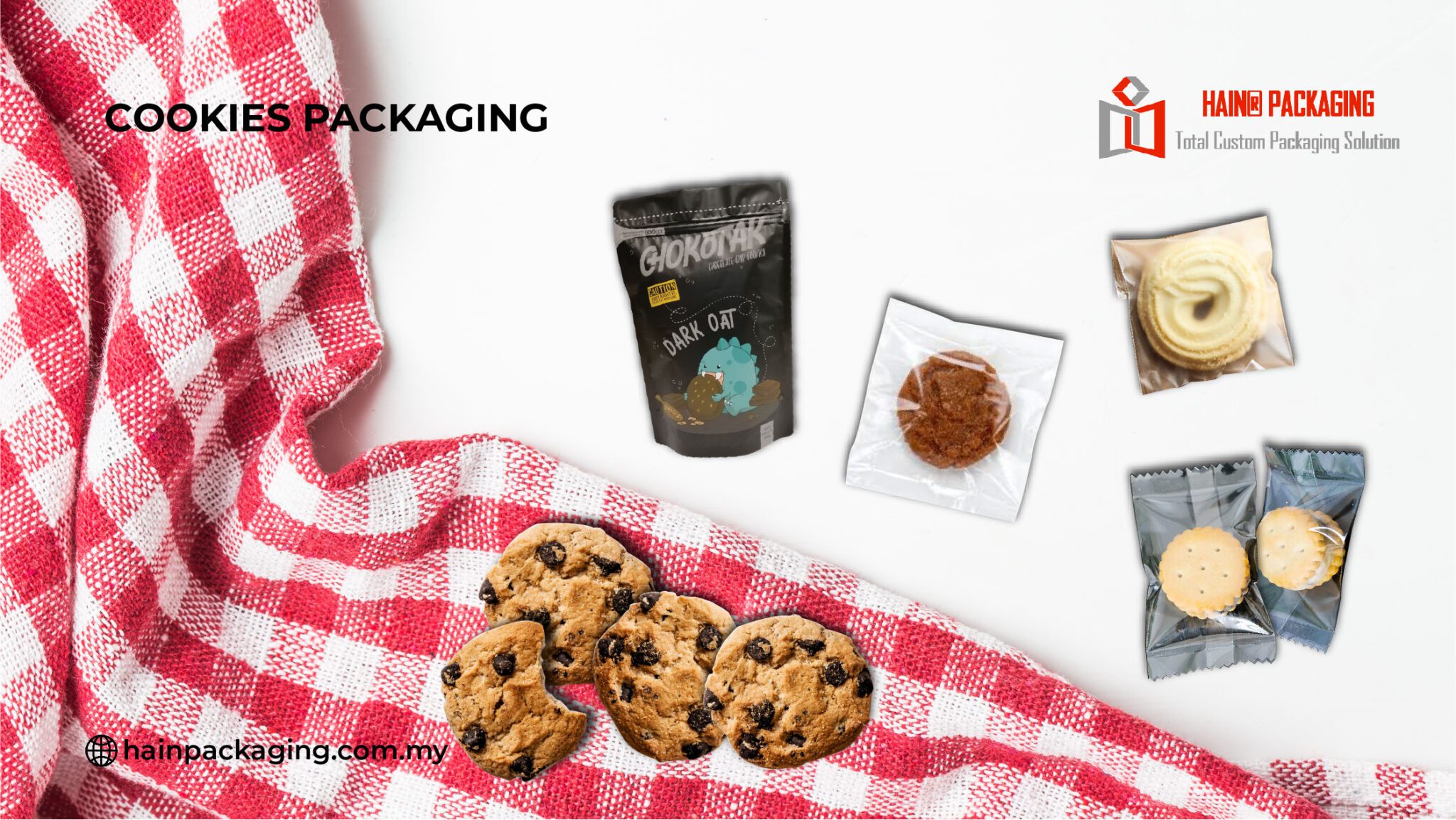
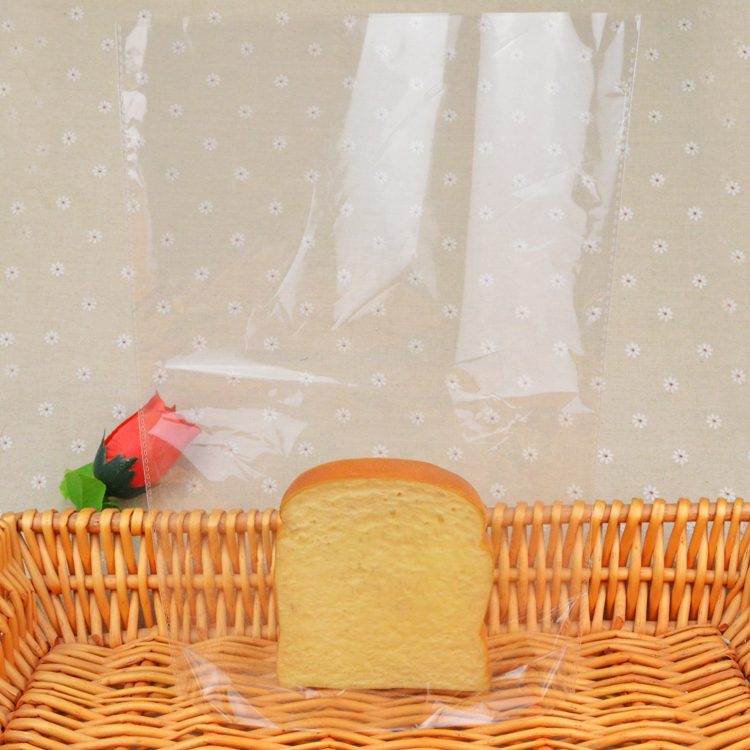
A format should match both product and channel. Clear OPP-style bags can suit dry, fast-moving bakery items when visibility is important. Pillow packs use material efficiently for consistent shapes and automated lines. Stand-up pouches add print area and reclosure for bite-size products. Trays and boxes give fragile bakes the mechanical support that flexible film alone cannot provide.
For a mixed range, create a format family rather than forcing every SKU into one construction. Use one visual system across a pouch, a tray liner and a box so the shelf still looks coordinated. The broader bakery and snack packaging guide offers another view of format planning, while the biscuit, cookie and cracker packaging guide focuses on dry, crisp products.
Control Breakage by Designing the Empty Space
Empty space is not automatically waste. A controlled clearance can stop a lid or seal area from touching a decorated surface. The useful question is whether the space protects the product or simply allows it to move. For muffins, a support tray can stop sideways travel. For hand pies, a correctly sized pouch reduces corner impacts. For cake slices, a firm base prevents layers from sliding when the pack is lifted.
Run a handling trial with the actual filled weight. Carry the pack by hand, stack it as staff would, place it in a delivery bag and inspect it after the normal journey. Record crumbs, oil marks, seal movement and presentation. A simple photo log makes comparisons between sample formats objective.
Choose Barrier Around the Selling Window
Fresh bakery goods do not all need the same barrier. A product sold within a day may need grease control and clean handling more than an elaborate laminate. A packaged muffin with a longer retail window may need stronger moisture management. Dry pie crusts can lose crispness when water vapour enters, while soft cake can become unpleasant when moisture escapes too quickly.
Ask the supplier for material data that relates to the intended shelf period, filling temperature and storage conditions. Use resources from SIRIM to frame discussions about Malaysian standards and test methods. The packaging supplier can provide material and batch documentation, but the bakery remains responsible for validating shelf life with its own recipe and distribution conditions.
Make Grease and Seal Areas Work Together
Butter, fillings and surface oils can stain paper and interfere with a heat-seal area. Keep the seal zone clear during filling, and specify a grease-resistant contact layer where the recipe requires it. A wider seal can improve process tolerance, but only when the film, temperature, pressure and dwell time work as a system.
Use a short packing trial to observe whether staff touch the seal area, whether crumbs migrate into it and whether warm product causes condensation. Correcting the filling method may solve more problems than simply choosing a thicker film. The best pack is one the team can close consistently during a busy shift.
Build a Print System for Daily and Seasonal Ranges
Bakery ranges often expand for Ramadan, Hari Raya, Chinese New Year, Deepavali and corporate gifting. Keep core brand elements fixed, then reserve a panel for flavour, date code and seasonal messaging. This reduces artwork errors and makes repeat ordering easier. A common dieline across compatible SKUs can also simplify approval, although each product still needs its own fit test.
Use colour blocks or large product names for fast picking in the packing area. On shelf, show the product type before secondary claims. Online, make the front panel readable in a small thumbnail. If sustainability is part of the brief, compare realistic structures with the eco-friendly and recyclable packaging guide rather than relying on broad claims.
Plan Quantities Around the Bakery Calendar
Separate evergreen demand from event demand. The base range can use a stable forecast and scheduled re-orders. Seasonal packs should use smaller validated runs until sell-through is proven. Include setup cost, print method, storage space and the risk of dated artwork when comparing quotations. The lowest unit price can become expensive when unused packaging remains after a campaign.
Request a pricing ladder at three realistic volumes. That shows where a print method changes and where holding more inventory stops improving total cost. Confirm lead time from approved artwork, not from the day of first enquiry, because proofing and sample approval are part of the schedule.
Cake, Muffin & Pie Packaging Sample-to-Order Checklist
- Measure the widest, tallest and most delicate point of each bake.
- Record filling temperature, oil level and target selling window.
- Select a format that supports the product through its main channel.
- Check the seal zone after real staff fill several samples.
- Run stack, carry and delivery trials at normal packed weight.
- Approve the dieline, print proof and coding area in writing.
- Retain an approved sample for comparison with the production run.
Frequently Asked Questions
Can one pouch size cover cakes, muffins and pies?
Only when the products have similar dimensions and protection needs. A shared pouch may work for small dry items, but decorated cakes and soft muffins usually need different support and headspace.
Should bakery packaging include a clear window?
A window can help shoppers see the bake, but it changes the material structure. Confirm grease resistance, clarity and barrier performance with the actual product before approving it.
What should be tested before a printed order?
Test fit, closure, oil resistance, handling, stacking, display and the real delivery route. Keep the approved filled sample and artwork proof as references.
How should a bakery compare supplier quotations?
Compare the same size, material structure, print coverage, quantity, freight and lead-time basis. A lower quote is not comparable if it omits a tray, zipper or required barrier layer.
Conclusion: Cake, Muffin & Pie Packaging That Fits the Bake
Successful cake, muffin and pie packaging begins with the product’s shape and selling route, then adds only the barrier, support and print features that solve measured risks. Build the brief from real dimensions, test it in the busiest handling conditions and approve one repeatable sample before scaling. For a practical quotation discussion, contact HAIN Packaging through WhatsApp or review its packaging capabilities.