
Clear Handle Plastic Bags at Receiving, Shelf, Return
October 18, 2026
Compostable Pouch Malaysia Five Fields to Verify
October 18, 2026
Haji Ramli runs eleven acres of chilli under rain shelters outside Kuala Pilah. Every fourteen months he pays to have the covers stripped and replaced, and every time he asks the same question: was the film spent, or did it fail early? The last lot went brittle at month nine, but only along the ridge line, while the side panels still had give in them. He kept the roll label. It said 100 micron and 3.0 metres, and it said nothing at all about ultraviolet stabiliser. An agricultural film roll is supposed to carry that third number on the label, and most of them do not.
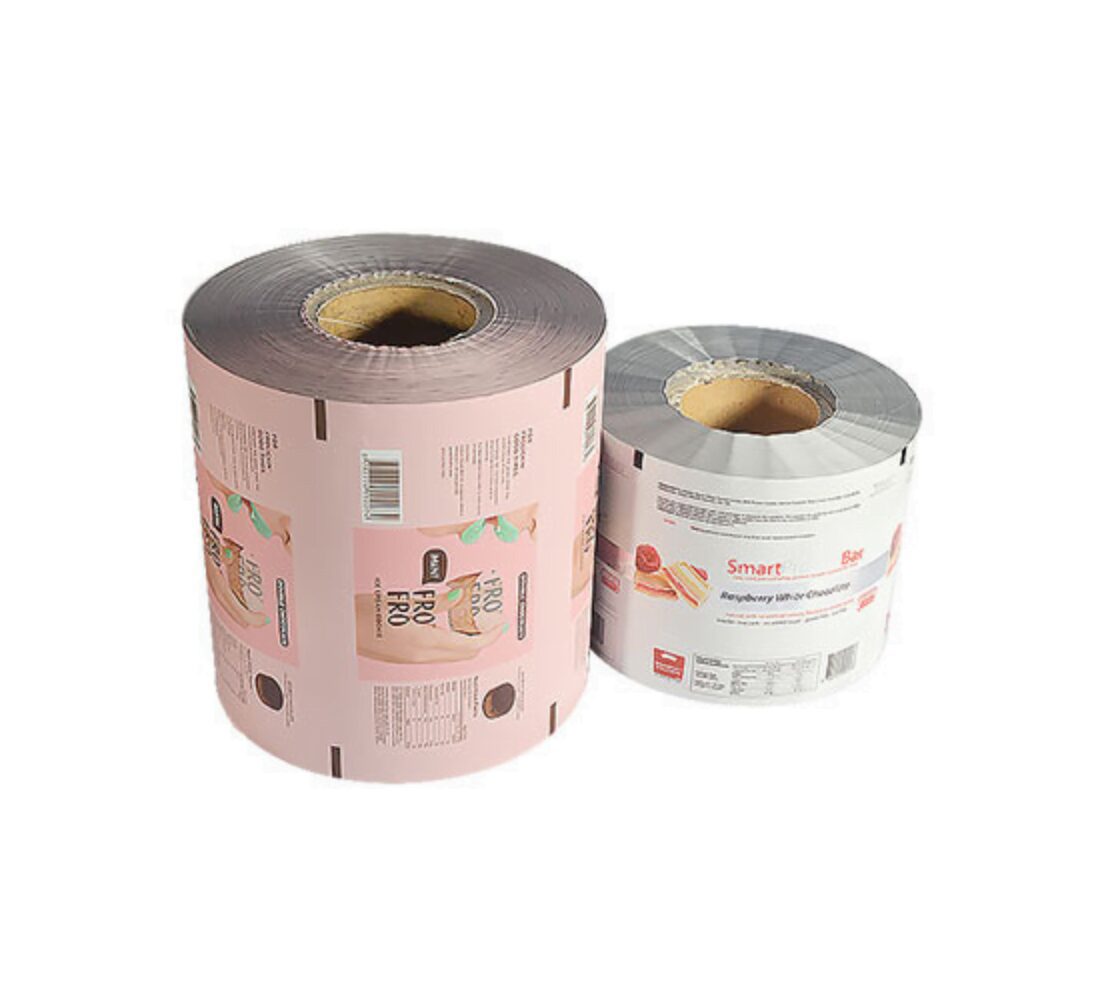
A roll label that gives thickness and width but no UV package is a roll you cannot budget for. Agricultural film roll buyers in Malaysia are rarely buying a product. They are buying a number of months, and the months are decided by four variables that most specifications quietly leave out. Where the roll is specified as stock film rather than as cut lengths, those same fields sit on a different sheet — the roll stock film specification works from the same thickness, width and UV package, only expressed per reel.
Four Channels That Buy an Agricultural Film Roll
The same roll is a different product in each of the four channels that move it, and the four ask questions that barely overlap.
- The agro-dealer, who buys rolls and cuts them into metres for smallholders.
- The grower buying direct, who is budgeting per cropping cycle.
- The export trader, who is moving rolls across a border on documents.
- The shelter and greenhouse contractor, who is covering a structure to a span.
Each channel has one number it cannot compromise on, and that number is different in each case. Dealers care about length accuracy. Growers care about service life. Exporters care about documentation and loadability. Contractors care about span and seam placement.
Agro-Dealer Channel Resold by the Metre
A dealer buys a roll, cuts it, and sells the piece. His margin is the difference between the metres he paid for and the metres he sells, so length accuracy is not a technical nicety, it is his entire gross margin. A 500 metre roll that is actually 470 metres costs him six per cent before he has opened the door.
The specification that matters here is modest. Mulch film at 30 to 50 micron, 1.0 to 1.5 metres wide, black or black over silver, in roll lengths of 300 to 500 metres. Width tolerance is the second number to argue about, because plus or minus 10 mm on a 1.5 metre roll means the cut pieces do not match the bed width the smallholder has already prepared.
A printed brand stripe along the edge is worth the small premium. Once the roll is cut, the stripe is the only thing that identifies the product, and dealers who skip it spend the season answering questions about film they cannot identify.
The verification action is thirty seconds of work. Unroll the first ten metres, measure the actual width with a tape, and ask for the roll length in metres alongside the net weight. Grams per metre follows from those two numbers, and it is the figure that exposes a short roll.
Grower Direct Channel Where Film Life Sets the Cash Flow
A grower buying direct is budgeting by cycle, so the only number that matters is service life. Thin mulch at 30 micron covers one short cycle of three to four months. At 50 micron it covers a full season of six to eight months. Shelter and greenhouse cover at 150 to 200 micron, with a proper UV package, is quoted at 24 to 36 months.
Four things cut that short, and three of them are management rather than material. Sulphur spraying degrades a UV package faster than sunlight does. Chlorine based sanitisers do the same. Film in contact with a galvanised frame at midday runs hotter than the air temperature and ages along the contact line. And water ponding at the ridge concentrates both heat and chemical load in one strip, which is usually where the failure starts.
On UV, ask for two numbers, not one. Ask for the rating in months and for the exposure hours behind it. ASTM G154 is the standard practice for operating fluorescent ultraviolet lamp apparatus for exposure of nonmetallic materials, and it is the usual basis for an accelerated figure. A film that has lost half its tensile after accelerated exposure is at the end of its useful life even when it still looks whole.
The verification is deliberately blunt. If a supplier can give you months but not the exposure hours or the retention percentage, treat the months as a marketing number and price the film accordingly.
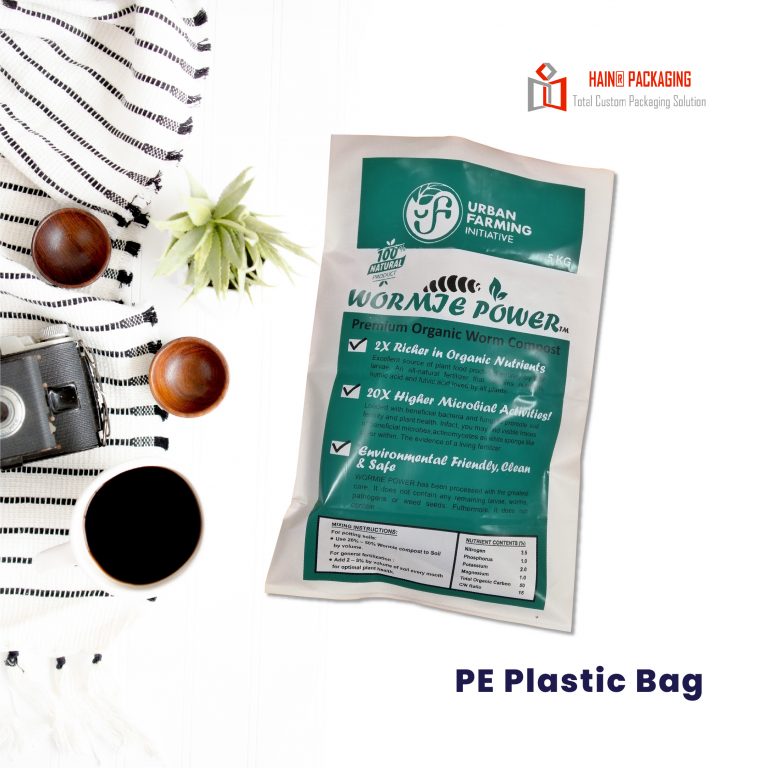
The grower channel is where the agricultural film roll specification meets the rest of the farm budget, and the comparison set is wider than the roll itself. Fertiliser, compost and soil conditioners are bought on the same service-life logic, as the organic compost bag in front of many grower orders shows, and the same discipline of asking for the months behind a claim applies across the whole input list.

Export Channel Where an Agricultural Film Roll Travels on Documents
For an export trader, the film is almost secondary to the paperwork and the load. Classification, palletisation, container stuffing and destination UV norms decide whether the shipment clears and whether the buyer accepts it.
Roll weight is the first practical constraint. A 300 metre roll of 50 micron film at 1.5 metres wide weighs roughly 21 kg, which one person can handle. The same length at 100 micron and 2 metres is close to 55 kg, which is a two person lift and a different pallet pattern. Rolls are normally wound on a three inch core, and core crush is the single most common damage claim on arrival.
Destination matters more than origin. A UV package specified for Malaysian conditions may be underbuilt for a higher UV destination, and the failure appears eighteen months later in someone else’s field. Ask the buyer for the destination’s expected service life and specify the package to that, not to the port of loading.
The verification is a container calculation. Ask for roll net weight, core inner diameter and rolls per pallet, then work out the container load before you quote the freight. Traders who skip this discover the shortfall at the stuffing stage, when it is far more expensive to fix.
Greenhouse Contractor Channel Width and UV Decide the Job
Contractors work in spans. Standard widths run 1.5, 2.0, 3.0, 4.0 and 6.0 metres, and the wider sizes are usually centre folded for transport. The question that decides the job is whether the span comes as one panel or is made from two narrower panels seamed on site.
It matters because the seam is the weak line. A six metre cover made from two three metre panels puts the seam along the ridge, which is exactly where Haji Ramli’s film went brittle first. Ridge seams also collect ponding water, and ponding water is where a UV package dies earliest.
Anti-drip treatment is the second decision. Droplets forming on the underside scorch leaves and spread disease, so a shelter film without anti-drip is a false economy. Ask whether the anti-drip is co-extruded into the layer or sprayed on afterwards, because a sprayed-on coating washes off within three to six months while a co-extruded one lasts with the film.
Tear resistance is the third. ASTM D1004, the standard test method for tear resistance of plastic film and sheeting, is the usual reference, and it matters most at the fixing points where the film is pulled over a clip or a wire.
If you are specifying a cover for a structure rather than a field, send the span, the frame material and the target service life through the industrial and agricultural packaging page and ask for the width as a single panel or seamed, and for the anti-drip method, in writing.

What All Four Channels Ask Before They Sign
Strip the four channels down and the same core list appears, in a different order of priority each time.
- Thickness in micron, with a tolerance rather than a nominal figure.
- Width, and whether it is a single panel or seamed.
- UV package in months, together with the accelerated exposure hours behind it.
- Roll length in metres, net weight per roll, and core inner diameter.
- Service life in months, with the conditions it was measured under.
Two of those five appear on almost every roll label. Three do not, and the three that are missing are the ones that decide whether the film lasts nine months or thirty-six. Where the same multi-layer engineering is being specified for food and industrial lines rather than a field, the laminated packaging range at hainpackaging.com.my shows how the thickness, width and layer structure questions carry across both applications.
Extrusion slot, sampling and freight all depend on the thickness, the width and the order quantity, so confirm them with our sales team before you commit. Where the film is going into a packing line rather than a field, the handling notes in the stretch film handling page cover the same roll geometry questions from a warehouse angle.
Write down the number of months you need the film to last, then ask two suppliers for the UV rating in months and the accelerated exposure hours behind it. Compare those two numbers before you compare price. An agricultural film roll quoted only on thickness cannot be compared at all.