Recyclable Stand Up Pouch Malaysia | Eco-Friendly
May 14, 2026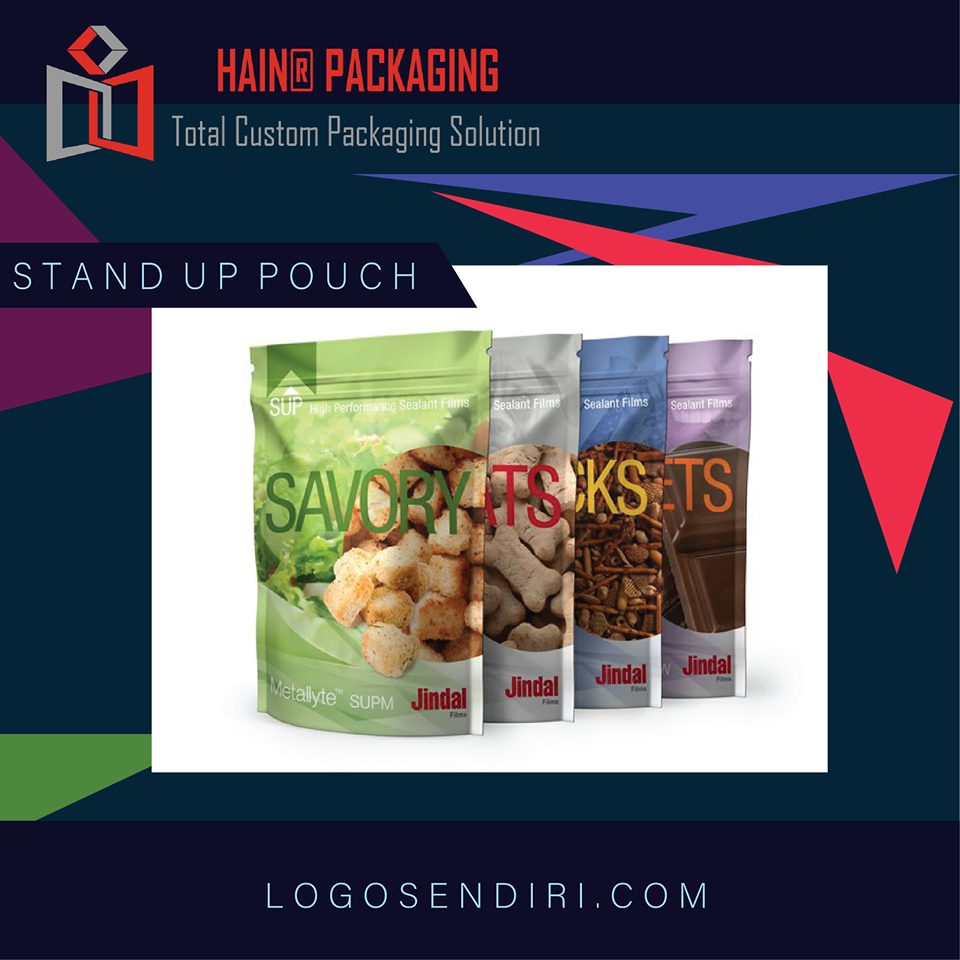
Doypack vs Stand Up Pouch: 7 Key Differences Malaysia
May 15, 2026Custom Doypack Pouch Printing in Malaysia: Rotogravure vs Flexographic Printing
When it comes to flexible packaging, few formats have gained as much traction among Malaysian F&B brands as the doypack. Its distinctive stand-up base, resealable zipper, and premium shelf presence make it a favourite for everything from coffee beans to health supplements.
But here’s the thing most buyers overlook: your choice of printing method can make or break your doypack’s visual impact, durability, and cost-efficiency.
If you’re sourcing custom doypack pouch printing in Malaysia, you’re likely weighing two dominant technologies: rotogravure printing and flexographic printing. Both deliver high-quality results, but they serve very different production profiles. This guide breaks down the differences, costs, and ideal use cases for each — so you can choose the right fit for your product.
What Is Doypack Pouch Printing?
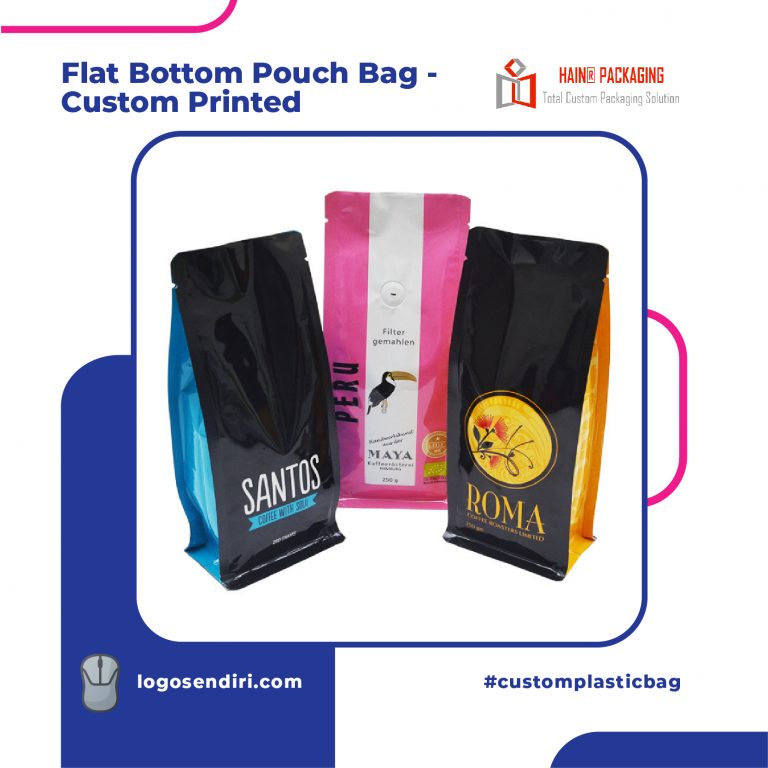
Doypack pouch printing refers to the process of applying custom graphics, branding, and product information onto premade or roll-fed doypack pouches. Unlike generic unbranded packaging, custom doypack printing transforms a simple pouch into a powerful brand asset — much like recyclable stand up pouches that communicates quality before your customer even opens it.
The doypack’s unique gusseted bottom provides a large printable surface area on both the front and back panels, giving designers plenty of canvas for vibrant artwork, ingredient lists, nutritional panels, and promotional messaging.
In Malaysia, the two most widely used printing methods for doypack pouches are rotogravure and flexography (flexo).
Rotogravure Printing for Doypack Pouches
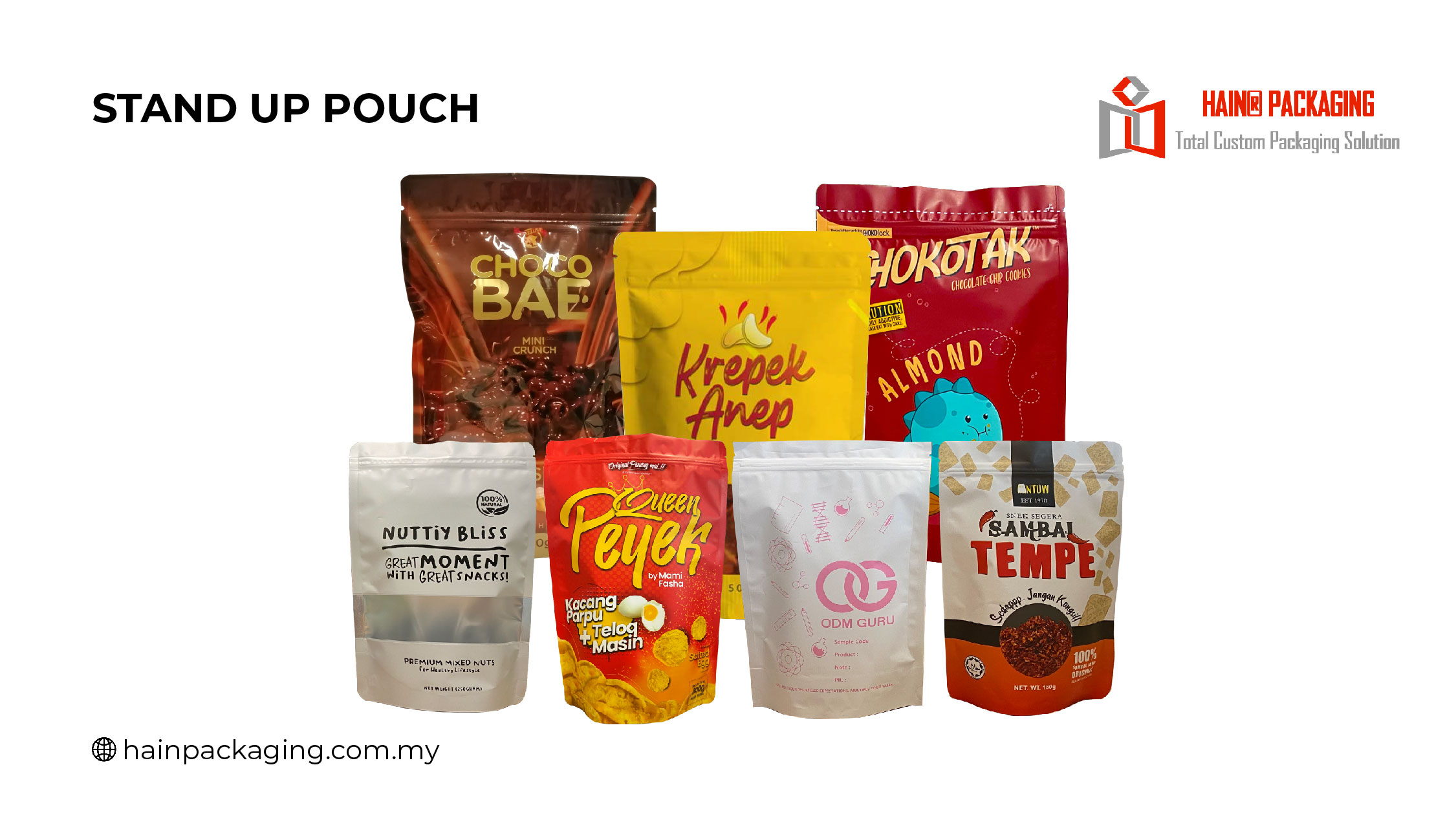
Rotogravure (gravure) is a high-speed, high-volume printing process that uses engraved cylinders to transfer ink directly onto the film substrate.
How it works: A metal cylinder is engraved with tiny cells that hold ink. As the cylinder rotates, the ink is transferred onto the web of packaging film in a continuous, ultra-consistent pattern.
Why Malaysian manufacturers choose gravure:
| Advantage | Detail |
|---|---|
| Colour consistency | Unmatched batch-to-batch colour accuracy — critical for brand colour compliance |
| Fine detail | Excellent for photographic imagery, gradients, and intricate logo work |
| Speed | High-speed operation (300+ metres per minute) ideal for large production runs |
| Durability | Cylinders last for millions of impressions, making it cost-effective at scale |
The trade-off: Cylinder engraving is expensive — typically RM 800–RM 3,000 per colour per cylinder — so rotogravure only makes economic sense for runs of 20,000+ pouches.
Flexographic Printing for Doypack Pouches
Flexographic printing (flexo) uses flexible photopolymer plates wrapped around rotating cylinders to apply ink. It has evolved significantly in recent years, with modern servo-driven presses approaching gravure-like quality at a fraction of the upfront cost.
How it works: A flexible raised-relief plate is mounted on a cylinder. Ink is applied to the raised areas via an anilox roller, then transferred to the film substrate.
Why Malaysian SMEs love flexo:
| Advantage | Detail |
|---|---|
| Lower setup cost | Plates are far cheaper than gravure cylinders — ideal for smaller runs |
| Faster turnaround | Plate-making is quicker; no multi-week cylinder engraving |
| Short-run friendly | Economically viable from 1,000–15,000 pouches |
| Suitable for multiple SKUs | Easy to swap plates when you need different designs per product line |
The trade-off: Colour consistency and fine detail aren’t quite at gravure levels, though modern HD flexo closes the gap significantly.
Rotogravure vs Flexographic: The Full Comparison
| Factor | Rotogravure | Flexographic |
|---|---|---|
| Setup cost | High (RM 800–3,000/cylinder) | Low (RM 200–500/plate) |
| Minimum order | 20,000+ pouches | 1,000–15,000 pouches |
| Colour quality | Excellent — Pantone-accurate | Good to very good (HD flexo) |
| Photographic detail | Superior | Good |
| Speed | 300–600 m/min | 150–400 m/min |
| Cost per unit (large run) | Lowest | Moderate |
| Cost per unit (small run) | Prohibitively high | Very cost-effective |
| Plate/cylinder life | Millions of impressions | 500K–1M impressions |
| Eco-friendliness | Solvent-based inks common | Water-based inks possible |
| Best for | High-volume, long-running SKUs | Short runs, test markets, multiple SKUs |
Factors to Consider When Choosing Your Printing Method
1. Your Order Volume
This is the single biggest deciding factor. If you’re launching a new product, starting with flexo allows you to test the market with 3,000–5,000 pouches without a massive capital outlay. Once the product proves itself, you can transition to gravure for the cost-per-unit savings at scale.
2. Design Complexity
If your artwork features continuous tones, photographic imagery, or multi-colour gradients, rotogravure will reproduce these with noticeably better fidelity. For solid colour blocks and simpler designs, flexo delivers excellent results at lower cost.
3. Colour Consistency Requirements
Brands with strict colour standards (think Coca-Cola red or Nivea blue) typically prefer gravure for its superior colour consistency across runs. However, modern HD flexo presses with closed-loop colour control now match gravure for many applications.
4. Turnaround Time
Need pouches fast? Flexo is the winner. While gravure requires weeks for cylinder engraving, flexo plates can be ready in days. For emergency packaging needs or last-minute product launches, flexo is the practical choice.
5. Number of SKUs
Running 20 different product flavours or SKUs? recyclable ziplock bags, Flexo’s lower plate cost means you can maintain individual designs for each variant without breaking the bank. Gravure would require a separate cylinder set for each — an expensive proposition.
Other Doypack Customisation Options
Beyond printing, your custom doypack can be enhanced with several finishing and functional options:
- Matte or gloss lamination — Enhances visual appeal and provides a premium tactile feel
- Matt or gloss spot varnish — Highlights specific design elements like your logo
- Resealable zipper — Available in press-to-close or slider zipper styles
- Tear notch — Convenient opening without scissors
- Euroslot — A die-cut hanging hole for retail peg displays
- Clear window panel — A transparent area that lets customers see the product inside
Each of these features can be combined with either printing method, so you’re not limited in your creative options.
6. Long-Term Partnership & Support
Beyond the printing technology itself, consider the relationship with your packaging manufacturer. A supplier who offers both rotogravure and flexographic capabilities gives you the flexibility to switch methods as your business grows. Malaysian manufacturers like HAIN Packaging provide technical consultations to help match printing method to your product type, budget, and market positioning — whether you are launching a startup brand or scaling an established product line.
Look for a manufacturer that offers prepress proofing, colour matching services, and post-print quality inspection. These value-added services reduce the risk of costly reprints and ensure your doypack pouches arrive consistently on-spec, run after run.
7. Sustainability & Eco-Friendly Printing Options
Brands increasingly seek sustainable packaging solutions. Rotogravure traditionally uses solvent-based inks, but water-based gravure inks are gaining traction in Malaysia. Flexographic printing more readily accommodates water-based and UV-curable inks, reducing VOC emissions. Both methods can work with recyclable mono-material films. Discuss your sustainability goals with your packaging partner early in the process to align printing method with environmental targets.
FAQ About Doypack Pouch Printing
What is the minimum order quantity for custom doypack printing in Malaysia?
Most Malaysian packaging manufacturers require a minimum of 1,000–3,000 pouches for flexographic printing. For rotogravure printing, the minimum is typically 10,000–20,000 units due to the high setup cost.
How many colours can I print on a doypack pouch?
Both rotogravure and flexographic presses can handle up to 8–10 colours. Pantone matching is available for both methods, though colour accuracy is typically higher with gravure, as documented by packaging industry standards bodies.
How long does custom doypack pouch printing take?
Flexographic: 2–4 weeks from artwork approval. Rotogravure: 4–6 weeks, as cylinder engraving takes additional time.
Can I print on both sides of a doypack?
Yes. Most doypacks feature artwork on both the front and back panels. This is standard for both rotogravure and flexographic printing.
Is digital printing available for doypack pouches?
Digital printing for flexible packaging is still emerging in Malaysia. It offers ultra-low minimum orders (as few as 100 pouches) but the cost per unit is higher and colour gamut is narrower than gravure or flexo, as noted by packaging industry resources like the Food Packaging Forum than gravure or flexo.
Conclusion
Choosing between rotogravure and flexographic printing for your custom doypack pouches comes down to a simple trade-off: volume versus flexibility.
If you’re printing 20,000+ pouches and need uncompromising colour consistency, go rotogravure. If you’re launching a new product, working with a smaller budget, or managing multiple SKUs, flexographic printing offers outstanding quality with far lower upfront costs.
The best approach? As detailed in our Doypack vs Stand Up Pouch guide, start with flexo to validate your market, then scale into gravure as your volumes grow. Many established Malaysian brands began exactly this way.
Ready to discuss your custom doypack pouch printing project? HAIN Packaging offers both rotogravure and flexographic printing solutions tailored to your production volume and budget.