Online Store Packaging Malaysia Constraints Ranked
October 13, 2026
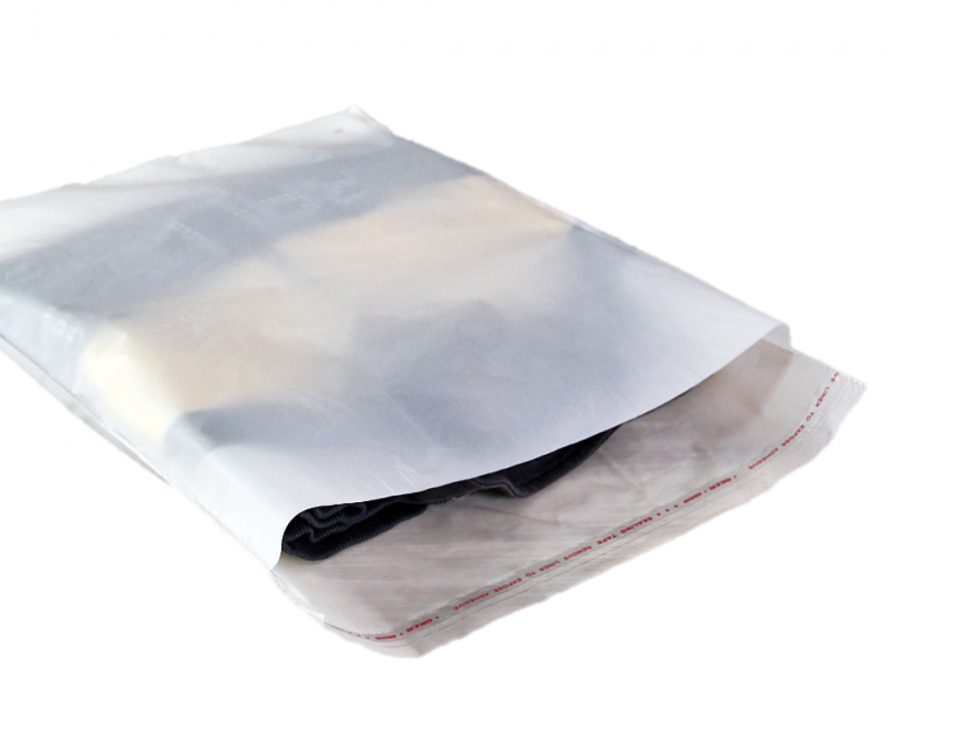
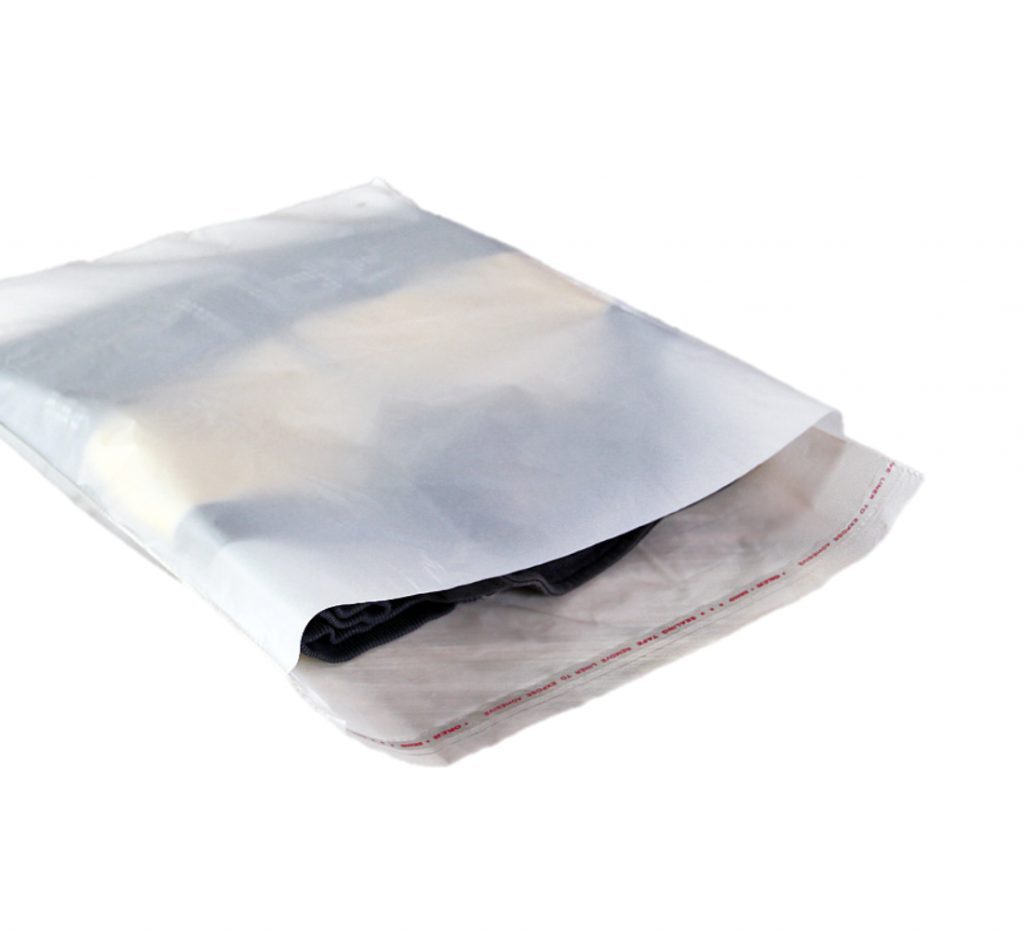
The complaint arrives with a photograph of a folded shirt spread across a table, one grey patch across the shoulder where the fabric has gone stiff and then dried again. The bag around it is intact. No tear, no puncture, no split along the fold, and the seal strip is still pressed flat where it was closed three days earlier. The buyer’s conclusion is that the poly mailer waterproof claim on the listing was false. The more likely explanation is arithmetic: the bag did exactly what a polyethylene film does, and something else in the pack moved water faster than the film ever could.
The Film Wall in a Poly Mailer Waterproof Bag
Polyethylene is a barrier against liquid water and a slow membrane against water vapour, and those are two different properties that get collapsed into one word. Hold a film bag under a tap and nothing comes through: there is no continuous path for a liquid to take, and the surface tension of water will not push it through a pore-free wall. Expose the same bag to humid air on one side and drier air on the other and vapour does cross, by dissolving into the film on the humid face, diffusing through, and leaving the other side. That rate is what a datasheet calls water vapour transmission, and it is quoted as mass per square metre per day.
The figure for a low-density polyethylene film in the 50 micron band sits in the tens of grams per square metre per day under tropical test conditions. Run it across a real mailer and it stops sounding academic. A 300 × 400 mm bag presents roughly a quarter of a square metre of film counting both faces. At fifteen grams per square metre per day that is close to four grams a day crossing the wall, and over a three-day transit it is enough to stiffen a folded cotton shirt — provided the gradient exists to drive it, which it does whenever the contents are drier than the air outside and the parcel is cycling between an air-conditioned warehouse and a hot van.
Gauge Buys Time, Not Immunity
Doubling the thickness roughly halves the transmission rate, because the vapour has twice as far to diffuse. That is a real effect and it is worth paying for when the contents are genuinely moisture-sensitive — a document, a photograph, a hygroscopic powder. It stops working as a strategy in two places. The first is arithmetic: the gain is linear in thickness and the cost is linear in material, so the third doubling costs as much as the first and buys a quarter of the remaining rate. The second is that the wall is not where the water is coming from. Thickening a film while leaving a gap in the closure is like double-glazing a window and leaving it open.
The point at which gauge pays is narrow and easy to identify: long dwell times, dry contents, and a sealed pack with no opening. The point at which it does nothing is everything else, and most e-commerce parcels are everything else.
The Closure Moves More Water Than the Film
Transmission through an opening is not the same phenomenon as transmission through a wall, and the two differ by orders of magnitude per unit of area. A vapour molecule crossing a gap does not have to dissolve into anything; it moves with the air. A channel one millimetre wide running along three hundred millimetres of flap is three hundred square millimetres of open path, and it will move more water in an hour than the film around it moves in a day. This is why the photographs in the return tickets almost never show a wet patch in the middle of the bag. They show it at a corner, at the fold, or along the flap, which is where the opening was.
Two mechanisms create that channel, and one of them is invisible once the bag is sealed. Contamination stops the adhesive from wetting out against the film: talc from a garment, dust from a packing bench, the powder left on the inside of the film by extrusion. Tension does the other one — a bag filled so full that the flap is pulled across to reach the strip puts a continuous peeling load on the bond, and the bond releases over hours rather than at the bench. A bag that has released by a millimetre is still waterproof by any definition a seller would use and still wet by any definition a buyer would.
Seams, Folds and the Pinhole You Cannot See
The third path is a manufacturing variable rather than a design one, and it is the reason two bags from the same specification behave differently. A poly mailer is made by folding a film and welding two sides, and the bottom fold is where three thicknesses of film meet a weld that has to fuse all of them. A weld that runs slightly cool leaves an unwelded channel through the fold; a weld that runs slightly hot thins the film at the edge of the seam. Either fault is a few millimetres long, invisible on a visual check, and enough to move water along the fold.
The check is a destructive one and worth running once per batch. Inflate a sealed bag, submerge it in a basin of water, and press along the seams. A pinhole at the fold produces a stream of bubbles at a single point, and it is the only way to find one without a laboratory. Testing the same property on a bench is what plastic film testing for barrier and seal performance is built around, and it is worth doing once on a new specification rather than discovering it in the return inbox.
Dwell Time, and What a Poly Mailer Waterproof Run Meets Outside
Sellers control the last variable least, and it multiplies all four of the others. Transmission is a rate, and the amount that arrives is the rate multiplied by the time, so a parcel that crosses in twenty-four hours and a parcel that sits over a weekend in a regional depot are not experiencing the same test. Temperature cycling makes it worse: a bag sealed in an air-conditioned room and moved into a hot van carries air inside it that drops below its dew point when the parcel cools again overnight, and condensation forms on the inside of the film without any water having crossed the wall at all.
That last mechanism explains the complaints that look impossible — a bag that was demonstrably sealed and demonstrably intact arriving with damp contents. Nothing leaked in. What was already inside came out of the air. The fix is a dry pack: contents folded dry, no residual moisture in the inner sleeve, and if the goods are hygroscopic, a desiccant rather than a thicker film. Sellers comparing constructions can read the poly mailer and bubble wrap guide, and the custom printed bubble mailer route is where the closure and the wall get specified together.
What the Return Photograph Does Not Show
Is a poly mailer waterproof or only water resistant?
Waterproof against liquid water, and permeable to water vapour at a slow, measurable rate. Both statements are true at once, and knowing which one your complaint is about tells you which variable to change.
Will a second adhesive strip stop the damp patch?
Usually, if the patch sits along the flap. A second strip removes the peeling load from the first by giving the fold something to close against, and it is cheaper than a gauge increase.
Does a bubble-lined mailer keep moisture out better?
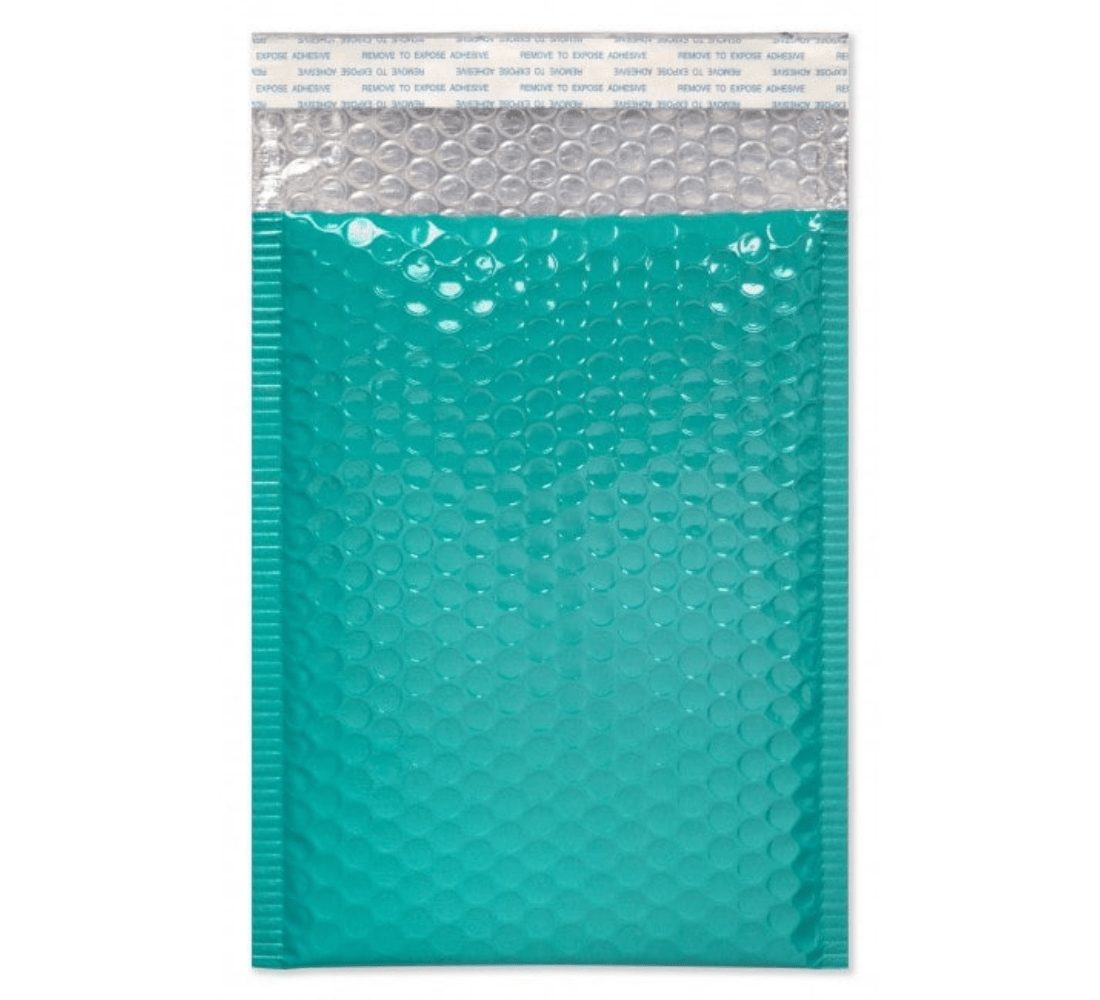
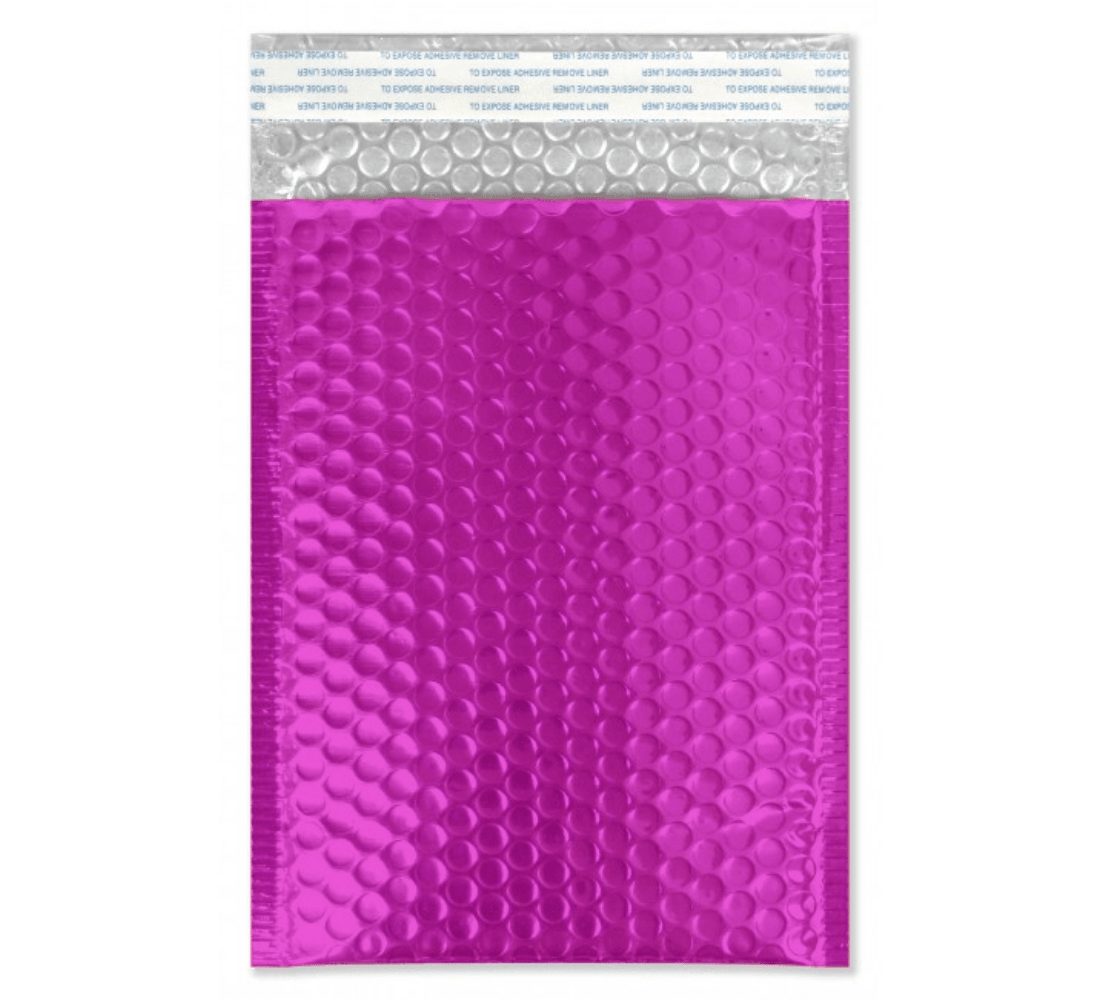
It separates the contents from the inner surface, which stops condensation from transferring directly to the goods. It does not change the transmission rate of the outer wall.
The bubble mailer formats are the usual answer when a single wall is not enough. Sampling, lead time and rush handling are quoted per job against the film structure, the closure and the run length, never as a standing figure, so confirm them with our sales team when the job is booked.
Do one thing today: seal a dry tissue inside your poly mailer waterproof bag, run it through your normal lane, and weigh it when it comes back.