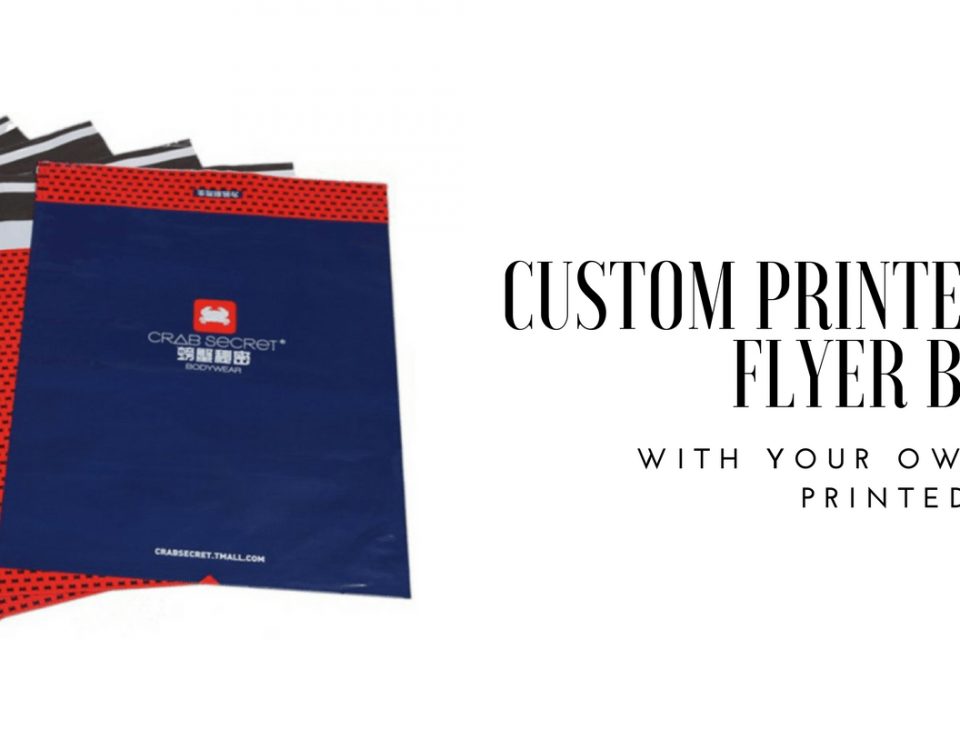
Mailer Bag Malaysia Versus the Carton, Three Dimensions
October 13, 2026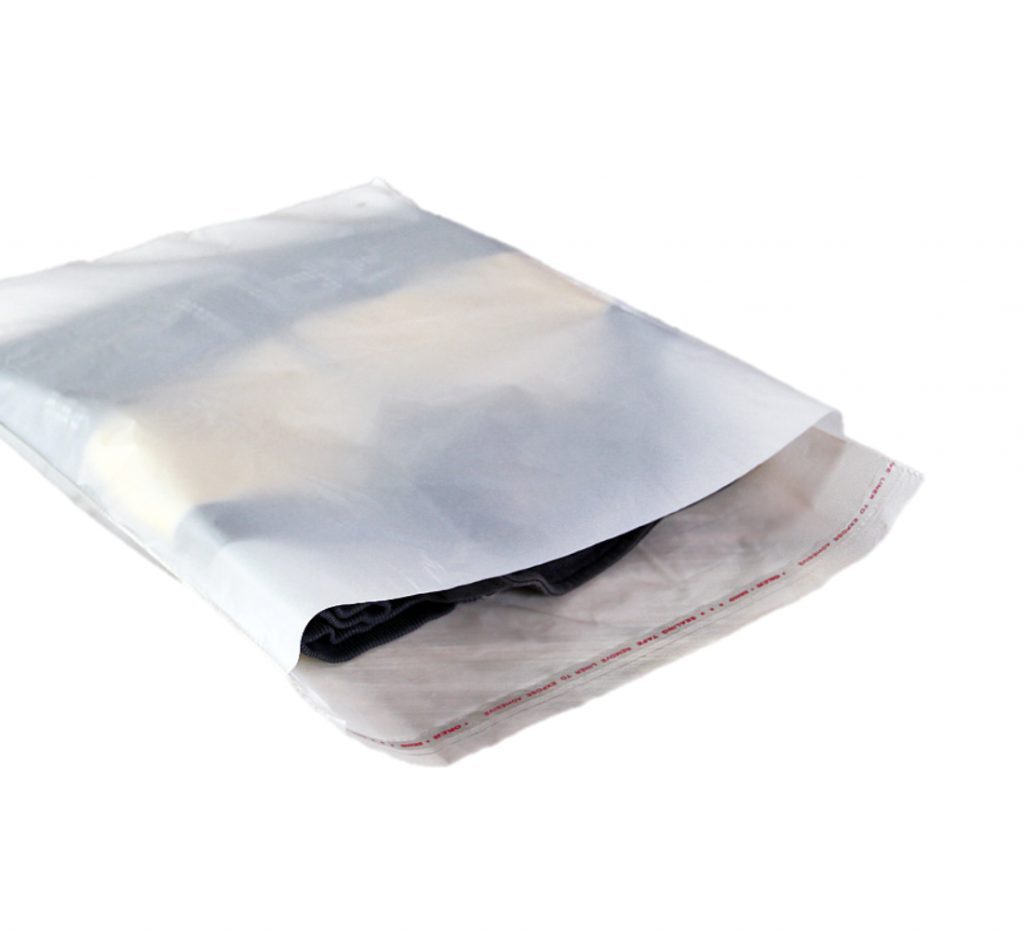
The bag is still warm from the van when it comes off the belt, and the film has gone pale and stretched at one corner where something has pushed against it from the inside. There is a soft rattle as it is set down. The address panel is intact, the tape across the flap is intact, and the contents are visible through a 30 mm gap along the bottom fold where the closure has lifted away from the film it was supposed to hold. A poly bag for shipping fails in a small number of ways, and this is the most common of them by a wide margin, which matters more than it sounds — because the order in which you look for the cause decides how long the fix takes.
Branch One, the Closure Check on a Poly Bag for Shipping
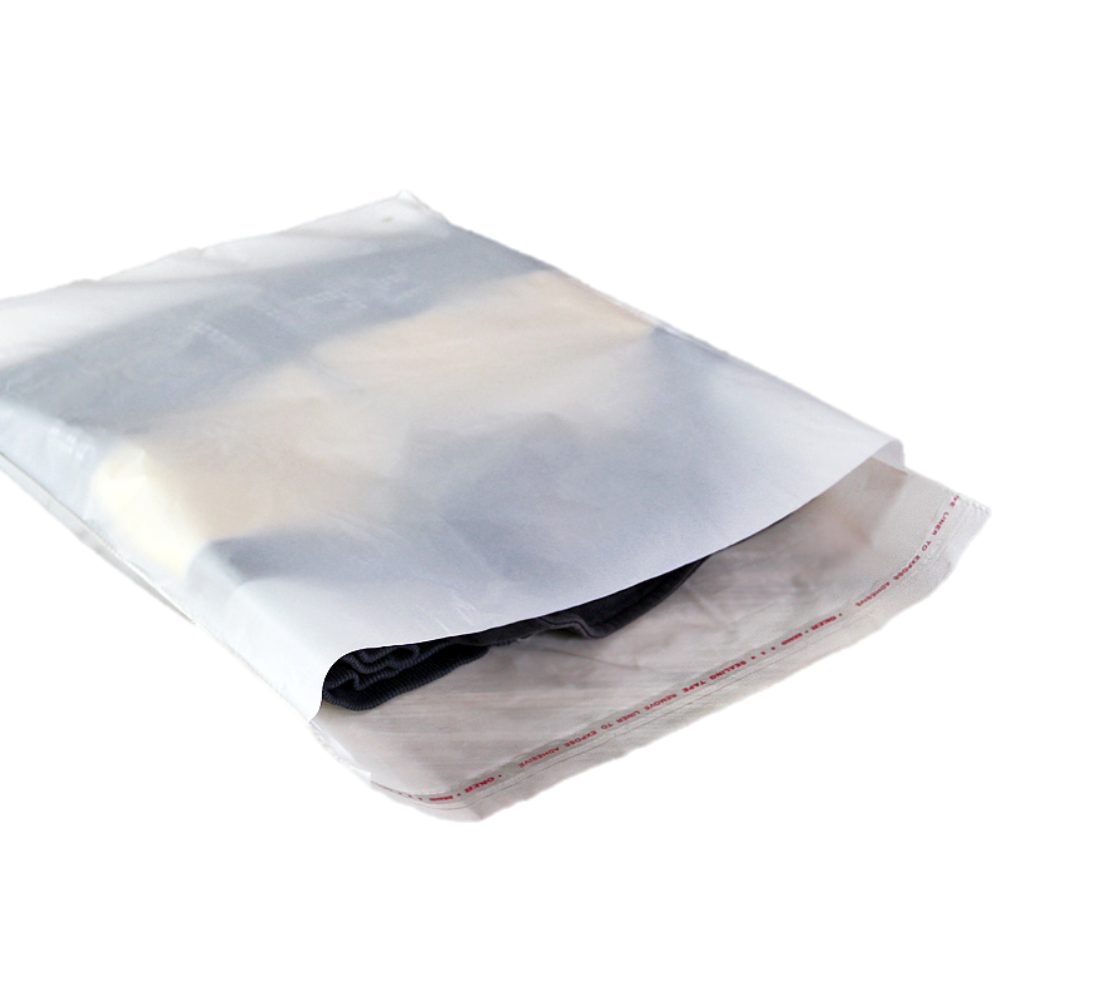
Start with the closure, because on domestic parcels it accounts for the majority of damage tickets and because it is the cheapest branch to test. Two mechanisms sit under it. The first is contamination: the adhesive strip is applied at the factory to a clean film surface, and it bonds to whatever is actually there at the moment of packing — talc from a garment, dust from a warehouse floor, or the powder left on the inside of the film by the extrusion process itself. A strip closed over any of those holds for a few hours and lifts in transit.
The second mechanism is tension, and it is a sizing fault wearing a closure’s clothes. When the contents fill the bag to the point where the flap has to be pulled across to meet the strip, the adhesive is under a continuous peeling load from the moment it is sealed. It does not fail at the packing bench; it fails on the second day, in the van, when the load has been cycling for thirty hours. The test for both mechanisms is the same and takes thirty seconds: seal a bag, wait two minutes, and try to lift the flap from one corner with a fingernail. A closure that has bonded to clean film tears the surface rather than releasing from it.
Branch Two, the Measurement That Separates a Tear From a Puncture
If the closure is intact and the bag is still open, the film is the next branch, and it has two sub-mechanisms that look identical in a photograph and behave completely differently. A puncture starts at a point and radiates: a zip, a buckle, a folded corner on a rigid item, or the sharp edge of a shoe box pushed against the wall of the bag. A tear starts at an existing nick and runs along the machine direction of the film, which is why these two are told apart by the shape of the opening rather than by its size — a puncture is roughly circular, a tear is a straight line.

They are fixed differently, which is the reason to separate them. Puncture resistance responds to cushioning before it responds to thickness: a bubble-lined construction moves the sharp edge away from the outer wall, and it does so at less material cost than the gauge increase needed to achieve the same result. Tear resistance responds to the film structure rather than to the gauge, because the figure that governs whether a nick runs is measured on the finished film, not on how much of it there is. Sellers who “go up a gauge” to fix a tear usually pay for the material twice without buying the property they needed.
Branch Three, the Wrong Dimension on a Poly Bag for Shipping
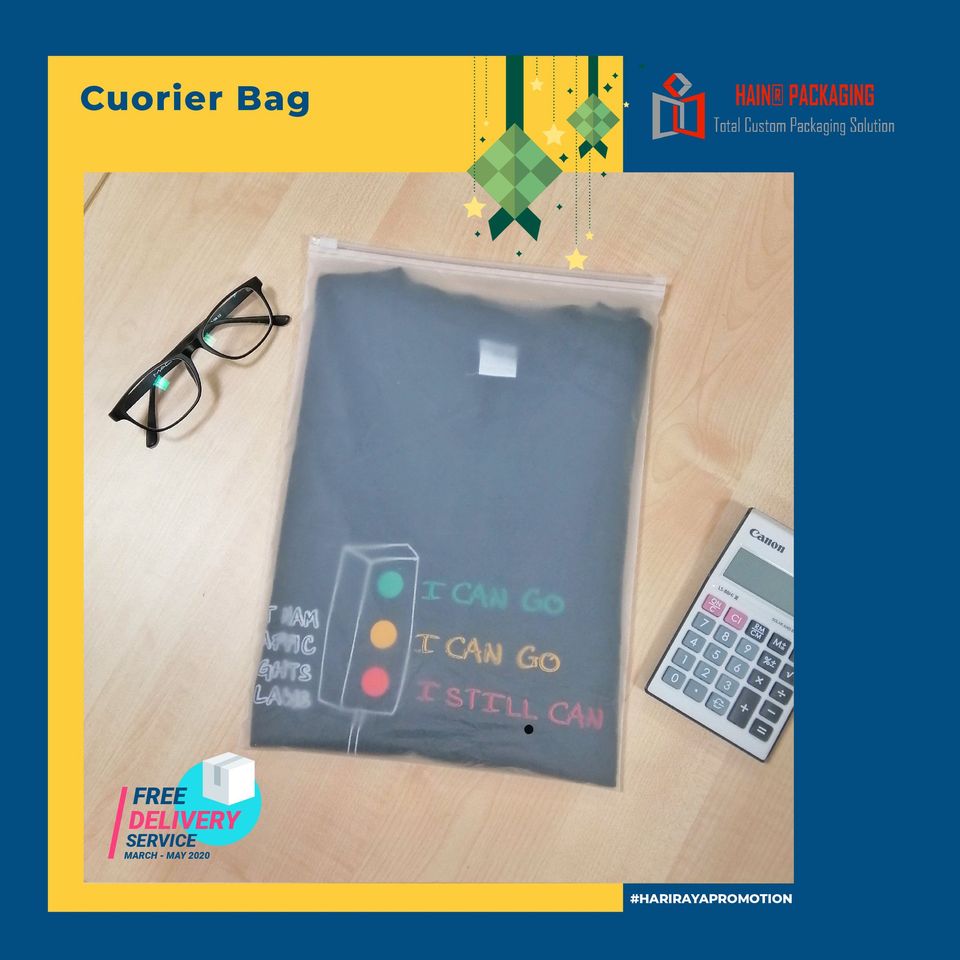
The third branch produces no hole at all, which is why it is missed. A bag that is too large leaves the contents free to move, and movement over a two-day transit turns into abrasion at the corners and into a folded, creased garment at the other end. A bag that is too small does the opposite: it puts the seam under load continuously and turns a closure problem into a burst. Either way the symptom is a return request describing the item as damaged when the packaging looks untouched, and either way the fault is a measurement taken at the wrong point — the average unit rather than the largest one in the catalogue.
The fix is the cheapest of the three branches and the one most often skipped, because it means admitting that the size chosen eighteen months ago was chosen for the wrong product. Weigh and measure the bulkiest unit you ship, not the typical one, and check whether the bag closes with slack at that size. A bag that closes with slack on the largest unit will not abrade the smallest one.
How the Three Branches Get Eliminated in Frequency Order
The elimination sequence is fixed by how often each branch appears, not by how easy it is to look at. Closure first, because it is the majority of tickets and the test is free. Film second, because the test costs one bag and a pair of scissors and the two sub-mechanisms are separated by looking at the shape of the opening. Fit third, because it is the slowest to confirm and the cheapest to fix — you have to pack and ship a few units to see abrasion, which makes it a terrible place to start and a very cheap place to finish.
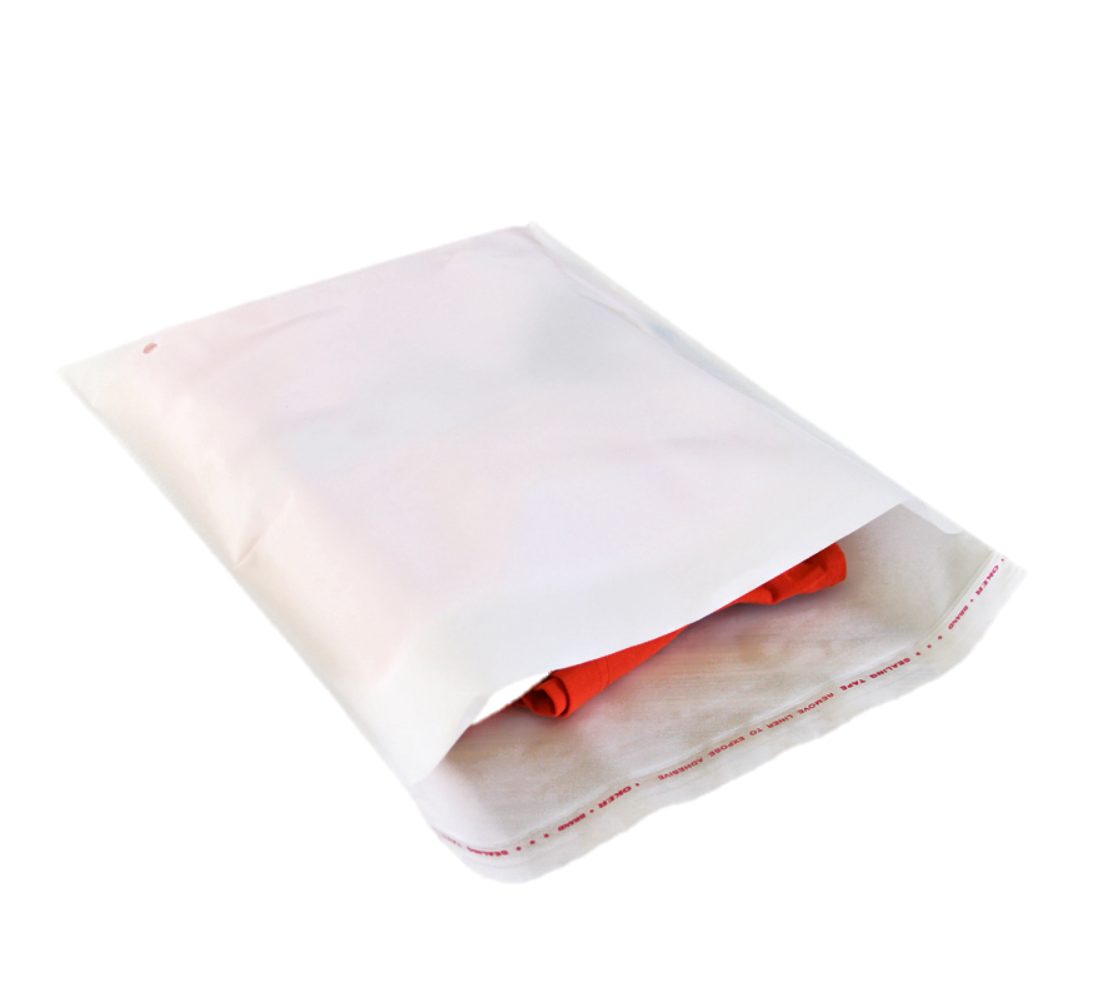
Do it in that order and most sellers resolve the ticket within a single order cycle. Start at the bottom of the list, which is the natural instinct when the photograph shows a hole, and the same ticket takes three cycles, because each speculative change invalidates the previous test.
Carriers have their own view of what a parcel has to survive, and the transit test procedures published by the International Safe Transit Association treat closure integrity as a separate test path from cushioning for exactly this reason — a pack is not regarded as protective if it opens, no matter how much padding it carries. Sellers whose parcels regularly carry a rigid edge should look at the bubble-lined consignment bag, and anyone still on a stock size should read the courier bag notes on sizing a bag to the largest unit rather than the average one.
Where Sellers Get the Diagnosis Wrong
Why did the bag arrive open when the strip was still sticky?
Because it bonded to something other than the film. Talc, dust and extrusion powder all sit between the adhesive and the surface it was meant to hold, and the bond fails slowly rather than all at once.
Does a thicker film stop punctures?
Partly, and it is the expensive way round. Cushioning moves the sharp edge away from the wall at less material cost; gauge mainly buys puncture resistance, not tear resistance.
How many units should be tested before changing the specification?
Twenty per variant through the normal lane. Twenty is enough to separate a closure problem from a puncture problem, and it costs less than a week of guessing.
The poly bag supply route covers gauge bands, structures and closure types in one place, and sampling, lead time and rush handling are all scheduled against the specification and the run length rather than quoted as standing figures, so they get pinned down with the sales desk before anything is committed.
Most return tickets land in one of these three branches. If yours are mostly bags that arrived open, change the closure first — a wider seal band or a second strip. If they are mostly punctured film, add cushioning before adding gauge. If the poly bag for shipping is simply too large, resize before you spend anything else.