Poly Mailer Waterproof Claims and the Five Variables
October 13, 2026
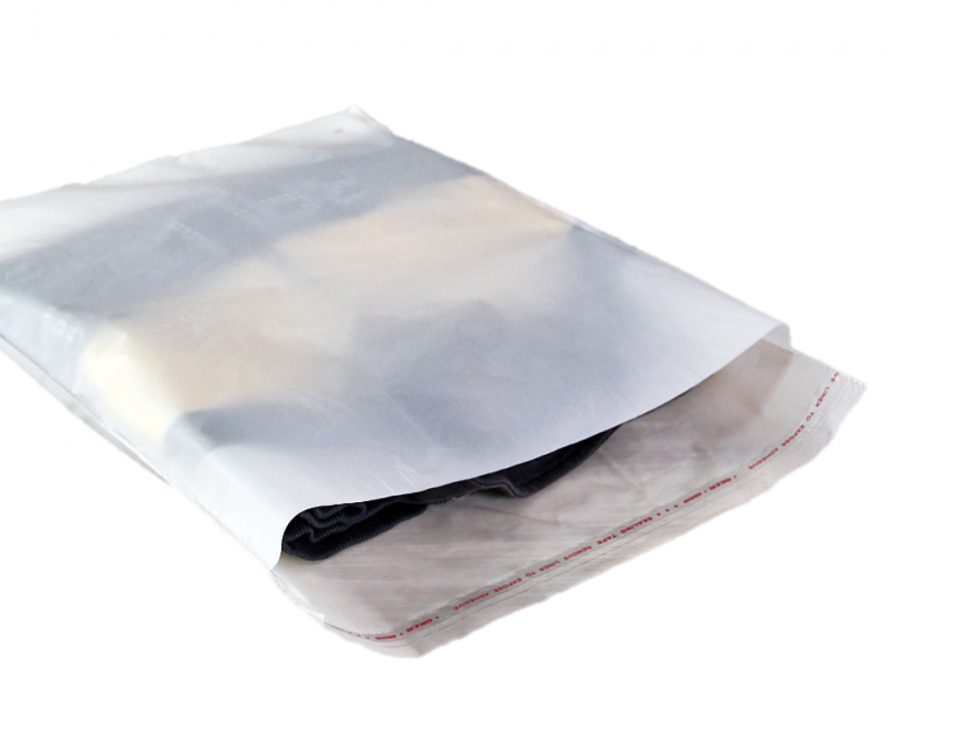
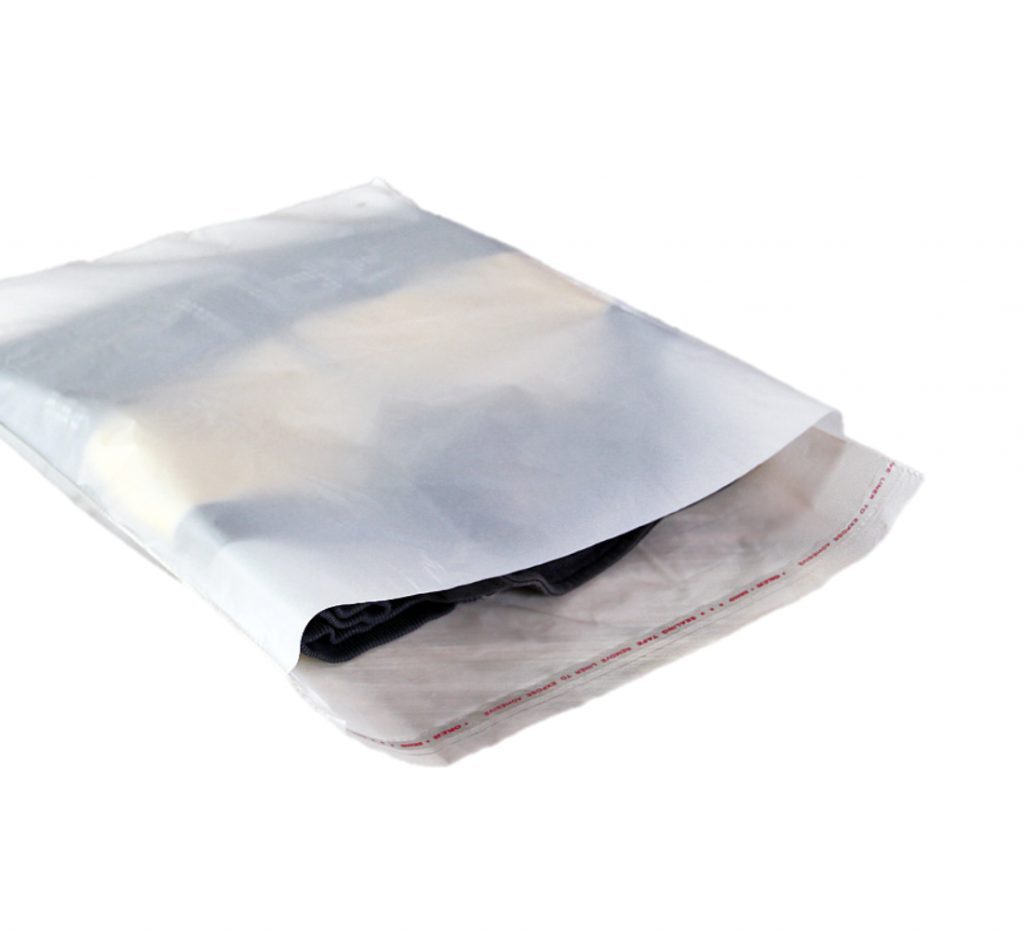
The parcel comes back in a clear outer sleeve with a printed return label and a photograph the buyer has already attached to the ticket. The plastic envelope malaysia order is split along the bottom fold for about 40 mm, the contents at that corner have gone damp and stiff, and the brand print across the front has rubbed to grey along the crease. Three defects on one envelope, and they arrived together, which is the part worth reading properly. They were caused by three different numbers, and all three numbers existed before the envelope was made — just not in the same place, and not in front of the person who signed off the order.
An envelope specification is a list of quantities. Some are measured on a bench in a laboratory, some come off the production line, and some sit with the brand owner because nobody else can observe them. Nearly every failure that reaches a return ticket traces back to one of those numbers being guessed instead of supplied. Sorting them by who owns them is faster than sorting them by material, because it tells you who to ask.
Which Number Would Have Predicted Each Defect
Work backwards from the photograph, because that is the direction the return ticket runs. A split along the bottom fold is a seal question before it is a film question: the fold is where two films meet a third and where the heat history is least uniform, so the number that predicts it is the seal strength measured at the fold, expressed as force per unit width. A damp corner is a transmission question: water vapour crosses the film at a rate set by the material and the thickness, and it crosses much faster through an opening than through a wall, which is why a lifted flap wets a corner in two days while an intact envelope does not. Scuffed print is an adhesion question, and its number is measured in rub cycles rather than in anything a buyer would recognise.
Three defects, three units of measurement, three owners. The rest of the specification is an exercise in not confusing them.
The Numbers Only the Brand Supplies for a Plastic Envelope Malaysia Run
The first list is observational, and it cannot be delegated because it describes what happens to your parcel and not to anyone else’s. Contents weight matters because it sets the drop energy the closure has to absorb: a 300 g parcel arriving on a concrete floor carries roughly four times the energy of a 75 g one at the same height, and the seal has to hold all of it. Folded dimensions matter because they set the internal volume, and internal volume is what decides whether the flap closes with slack or under tension. A flap closed under tension pulls against its own adhesive for two days and arrives lifted.
Three more sit in the same list. The shipping lane and the dwell time, because an envelope crossing the peninsula in 24 hours faces a different moisture load from one sitting in a regional depot over a weekend. The returns policy, because an envelope expected to carry the item back needs a second adhesive strip and a fold that survives being opened and re-closed once. And the order value, because a parcel worth RM40 and a parcel worth RM400 do not justify the same bill of materials. None of those five numbers can be measured by a supplier. They can only be reported by the person whose parcel it is, and when they are missing, the specification gets built on the average instead of on the worst case.
Contents with their own geometry count too. A zip, a buckle or a folded corner concentrates force at one point on the film, and the padded envelope formats handle it by adding a cushioning layer rather than by adding gauge, while a bubble-lined envelope handles it by separating the contents from the outer wall.
The Production Line Already Knows These Numbers
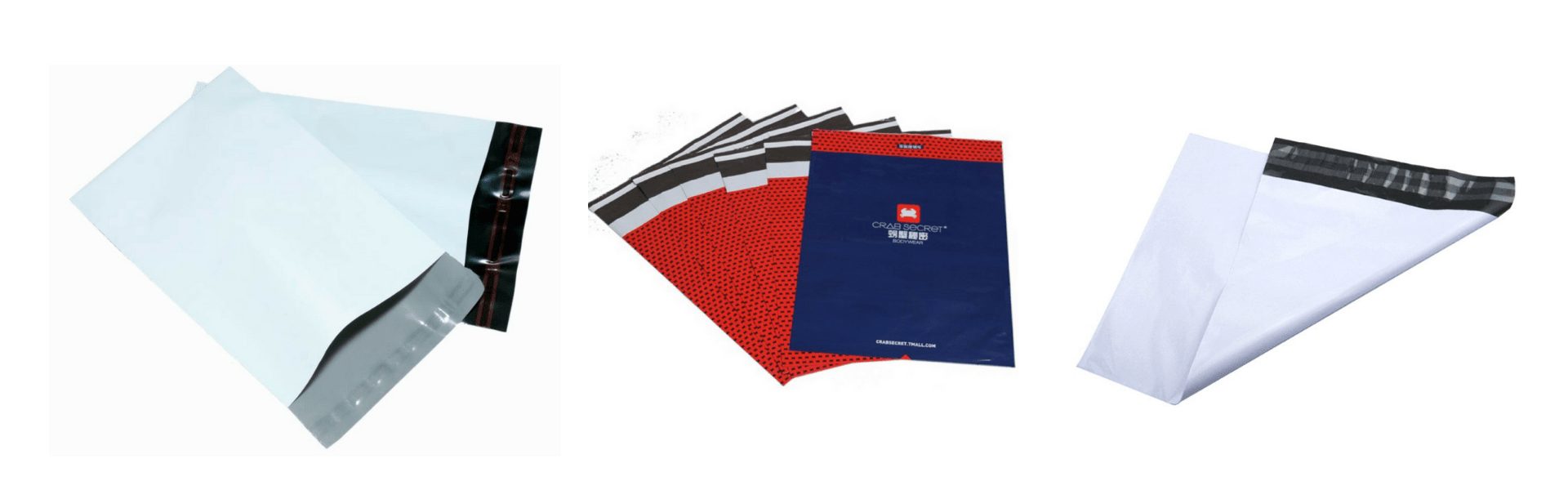
The second list describes capability, and buyers mistake it for a specification more often than they mistake either of the other two. Gauge tolerance is the clearest example: a film specified at 60 micron is delivered across a band, not at a point, and that band is a property of the extrusion line rather than of the artwork. Seal bar temperature and dwell time sit alongside it, and they are set per material and per gauge — a change in either one moves the window in which the seal forms properly. Print repeat length is the third: it is a mechanical property of the press, and it constrains how large a single printed element can be before it has to be split.
What this list cannot tell you is whether any of it is enough. The line can report what it will hold to a tolerance; it cannot report whether that tolerance covers your contents, because it has never seen them. Minimum order quantity belongs here too, and it is a capability figure rather than a price figure — it reflects the material wasted bringing a line up to speed, not a negotiating position.
The Numbers That Come Off a Test Bench
The third list is measured, and it is the only one that produces a number you can compare against a threshold. Tensile strength, taken along and across the machine direction, says how much load the film carries before it yields. Tear resistance, measured as the force needed to propagate an existing cut, is the figure that predicts whether a 5 mm nick becomes a 40 mm split. Seal strength, measured in newtons per 15 mm of width, is the figure that predicts the bottom fold. Water vapour transmission rate, expressed as mass per square metre per day, is the figure behind the damp corner. Dart impact covers the point load from a zip or a corner.

Each of those is measured on a conditioned sample by a laboratory, which is why the physical and mechanical testing of packaging materials is run to a published method rather than to a house recipe — the number is only comparable if the conditioning and the grip geometry are the same. Two envelopes both described as “strong” can differ by a factor of two on any of these five figures.
The route from a specification to that bench is shorter than most sellers assume. The custom poly bag route runs the film and the closure together, so the seal figure comes from the actual combination that ships rather than from a datasheet for the resin.
Where the Three Lists Behind a Plastic Envelope Malaysia Order Disagree
Conflict is normal and the resolution order is fixed. Observational numbers win first: if the brand says the heaviest unit is 300 g and the lab says the seal holds to 250 g, the specification changes, not the contents. Capability numbers win second: if the lab figure is achievable only outside the line’s gauge tolerance, the gauge moves into a range the line can hold rather than into the range the test assumed. Measured numbers are evidence, not instruction — they tell you what the current combination does, and they change as soon as you change a component.
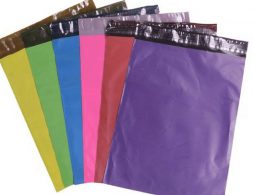
The pattern that produces the return ticket in the opening paragraph is the reverse of this order. Someone took a capability figure, treated it as an observational one, and never put the finished envelope on a bench. The split, the damp corner and the scuffed print were all visible in advance, in three different places, to three different people.
Reading the Lists Back in Order
Put together, the sequence is short. Weigh and measure your heaviest packed unit. Note the lane and the dwell time. Decide whether the envelope has to carry the item back. Hand those three to the line, which returns a gauge, a structure and a closure it can hold to tolerance. Send a finished sample from that combination to a bench, which returns the five figures above. The whole loop is a specification, and skipping any leg of it produces an envelope that is fine until it is not.
Buyers who want the wider material context before they start can read the plastic packaging guide, which covers where polyethylene film sits against the alternatives. Sampling slots, lead time and any expedited handling are scheduled per job against the closure type and the number of units, so ask the sales desk to confirm them once yours is defined.
Checks Buyers Run Before Signing Off a Plastic Envelope Malaysia Order
Which figure should a plastic envelope malaysia order be specified on?
Tear resistance and seal strength, in that order. Tear resistance decides whether a small nick becomes a split; seal strength decides whether the closure survives the drop. Gauge is a proxy for both, and a poor one.
How long does a testing loop add to the process?
Less time than a reprint. The conditioning step is the long part, and it is measured in days rather than weeks; the run it protects is measured in thousands of units.
Can a previous order’s figures be reused?
Only if the film, the gauge and the closure are unchanged. Any one of the three moving invalidates the seal figure, which is the figure most sensitive to the combination rather than to the component.
Send three things and we can start: the heaviest unit you ship with its folded dimensions, a photo of the last envelope that came back damaged, and the lane your plastic envelope malaysia parcels travel.