
Tea Packaging Malaysia: Pouches, Sachets & Supplier Guide
August 3, 2026
Plastic Bag Supplier Selangor: Fast Delivery & Walk-In Showroom
September 29, 2026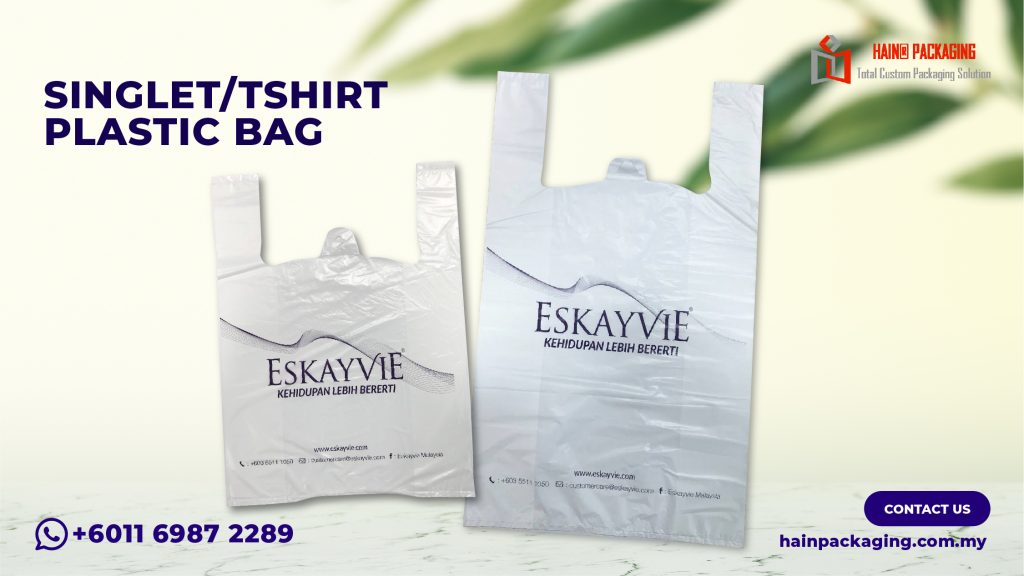
It is the last week of the month, and the packaging order that should have arrived today has not left the warehouse. For businesses searching for a plastic bag supplier Kuala Lumpur Malaysia who can be relied on, scenes like this are exactly why the five-step process below matters. The counter staff are improvising with cartons. If this scene is familiar, the problem is rarely the supplier — it is how the order was placed. This guide walks the five-step process KL businesses use to make packaging procurement dependable.
Think about how packaging touches your whole operation, not just the purchase order. For a food counter in Bangsar, bags move at serving speed — easy-open formats matter. For a boutique in Bukit Bintang, print quality is the brand. For a distributor in Cheras, pallet configuration and monthly volume decide everything. Name your format, your volume, and your print expectation before you phone anyone; the specification is the shortest path to a quote you can act on.
Step 1: Write Your Requirement Down as a Specification
Most failed orders begin with a vague brief. Before contacting any plastic bag supplier Kuala Lumpur business, note five numbers: the weight of your product, its packed dimensions, monthly usage, print colours, and acceptable lead time. A cafe packing 200 takeaway orders a day has a different specification from a distributor moving 50,000 singlet bags a month. If you cannot state the numbers, the quote you receive is a guess.
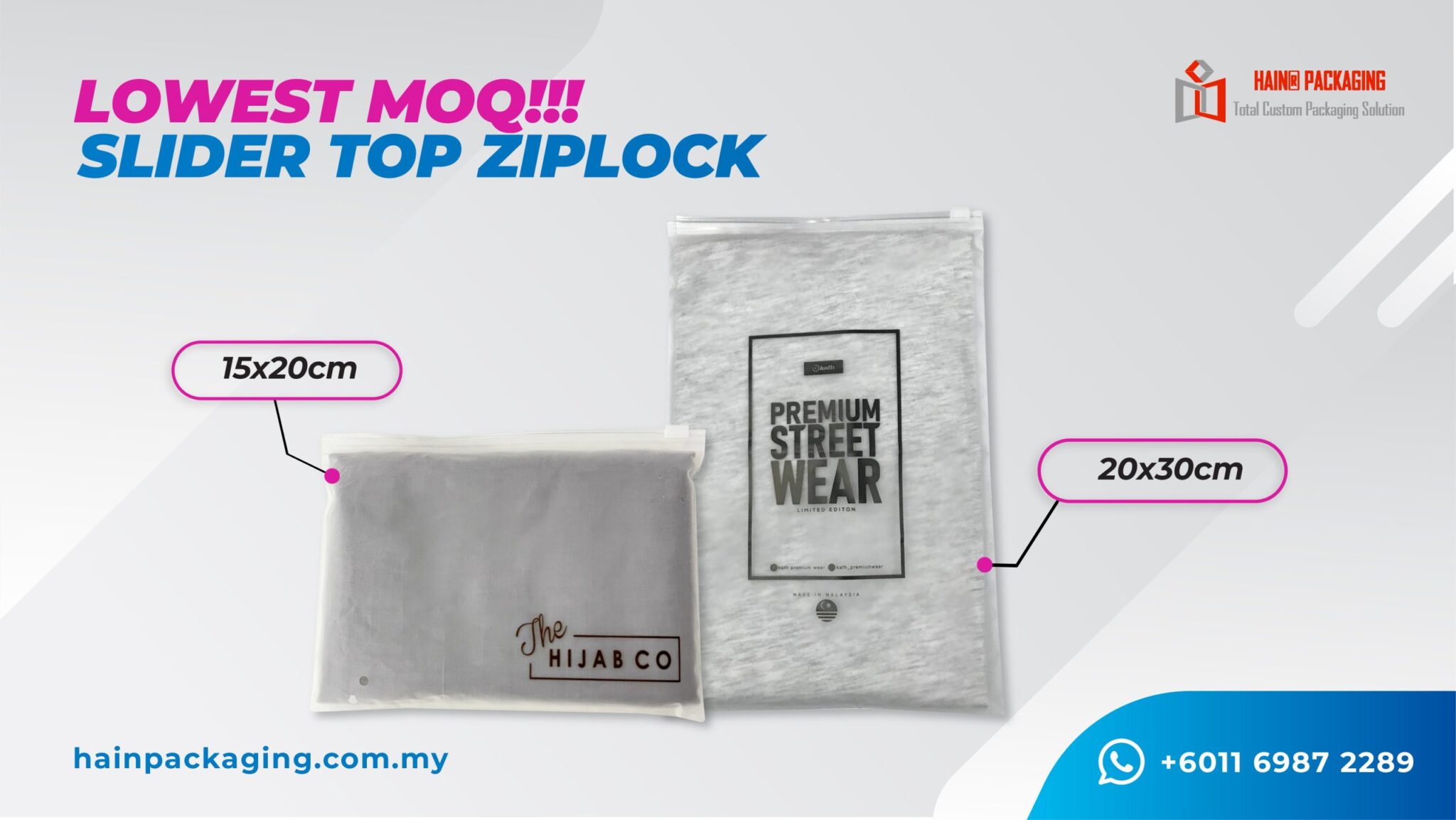
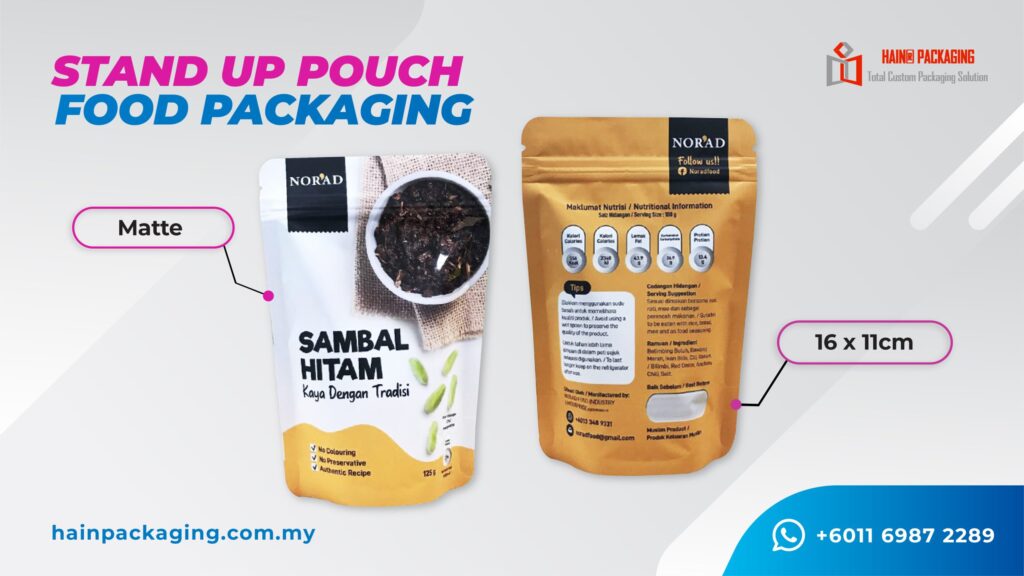
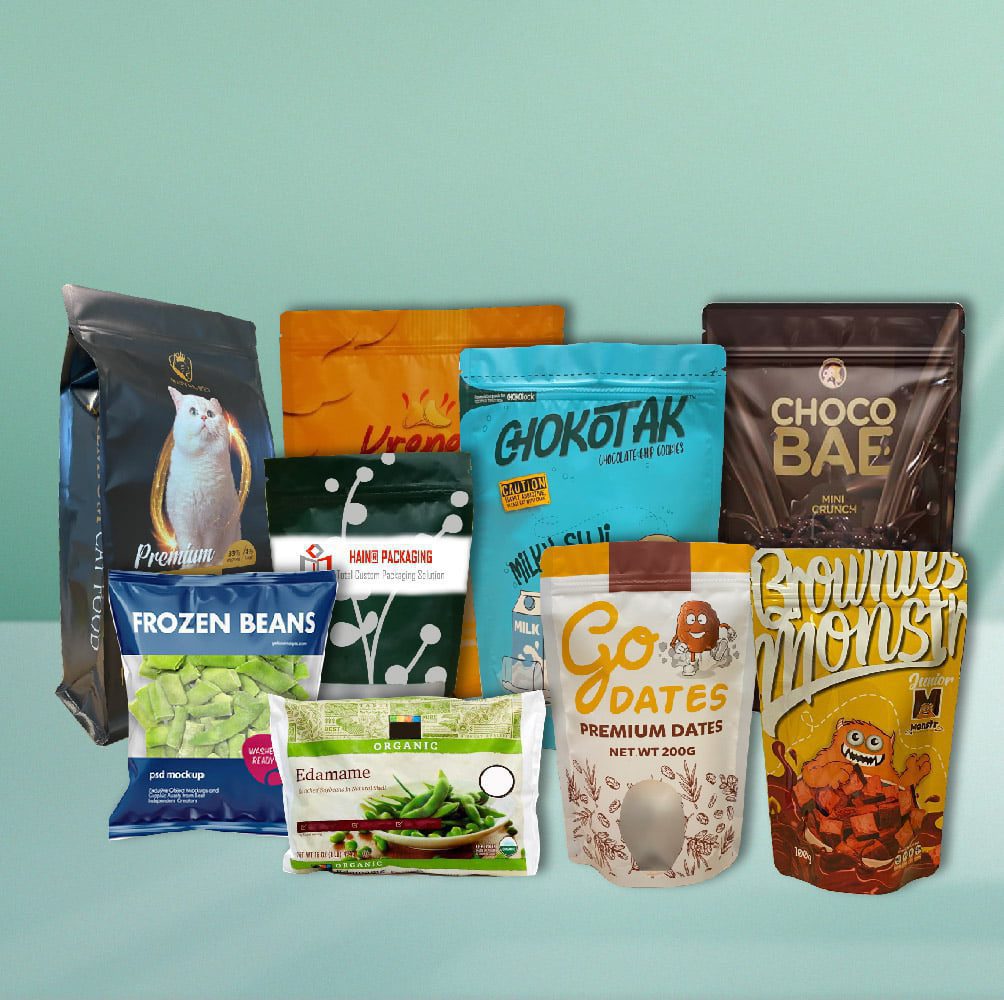
For food counters, pharmacies, and retail in KL, slider-top ziplock bags in standard sizes cover most needs without custom tooling — and standard sizes are the fastest route to a low minimum order. They reseal cleanly, brand well, and re-order predictably, which is why they anchor so many KL packaging stacks.
Also ask how the supplier handles the parts of the order that fail: a torn pallet, a misprinted batch, a late delivery. The answer to “what happens when it goes wrong” reveals more about a supplier than the answer to “what does it cost”. Replacement policy, turnaround for re-runs, and a named person who answers — those are the details that protect a KL operation when the month-end rush is already on.
Step 2: Shortlist on Three Testable Criteria
Judge candidates on evidence, not catalogues. Ask whether stock is available today and how it reaches KL; ask for a physical colour proof before production; and for food-contact lines, ask for compliance documentation before you ask for the price. A supplier who answers all three without hesitation is worth visiting. Our Malaysia supplier guide lists what to check during that visit.
Beyond the numbers, think about who in your business touches packaging: the counter staff who pull bags, the packing line that fills them, and the courier who carries them. Each has a practical opinion — a bag that is hard to open slows the counter, a film that tears under weight costs refunds. Loop them into the sample test, and the choice you make is one the whole operation can live with.
For food and pharmacy operations in KL, food-contact compliance is not optional. Ask for material documentation alongside the sample, and file it with your other supplier records — retail and health-industry buyers increasingly request it, and having it on file turns a procurement relationship into a qualification asset.
Ask specifically how the sample was produced: from the same film structure and print line you would receive in volume, or as a special hand-made piece? A hand-made sample can flatter a production run that never matches it. Request samples cut from actual stock and, for printed formats, a proof produced on the same press you will be printed on. That difference is where expectations are set honestly.
Step 3: Verify With Samples, Not Promises
Request physical samples and test them against your own packing line — film strength under your product’s weight, seal integrity, and how print looks on film rather than on screen. Samples cost little; a bad bulk order costs a lot. For stock formats, standard sizes are the fastest route to a low minimum order quantity.
During the trial period, watch three things specifically: whether bags survive the journey from Seri Kembangan to your KL premises without damage, whether the printed colour matches the approved proof once it reaches film, and whether the supplier meets the promised lead time twice in a row. Two consecutive on-time deliveries are a better signal than any brochure. Only then negotiate volume pricing — and when you do, ask for the price ladder, not a single number, so you know what the next tier saves you.
Keep a simple record during the trial: order date, promised delivery, actual arrival, print match, and any damage in transit. After two cycles, that record tells you more than any sales conversation. If the supplier is late twice or the print drifts, you have learned it at trial scale rather than container scale — which is exactly the point of the trial order.
Step 4: Trial Order, Then Scale
KL businesses that scale well rarely jump from zero to a container. They place a trial order at realistic volume, check delivery twice in a row, verify the print against the approved proof, then negotiate volume pricing. This sequence protects cash flow and builds trust on evidence.

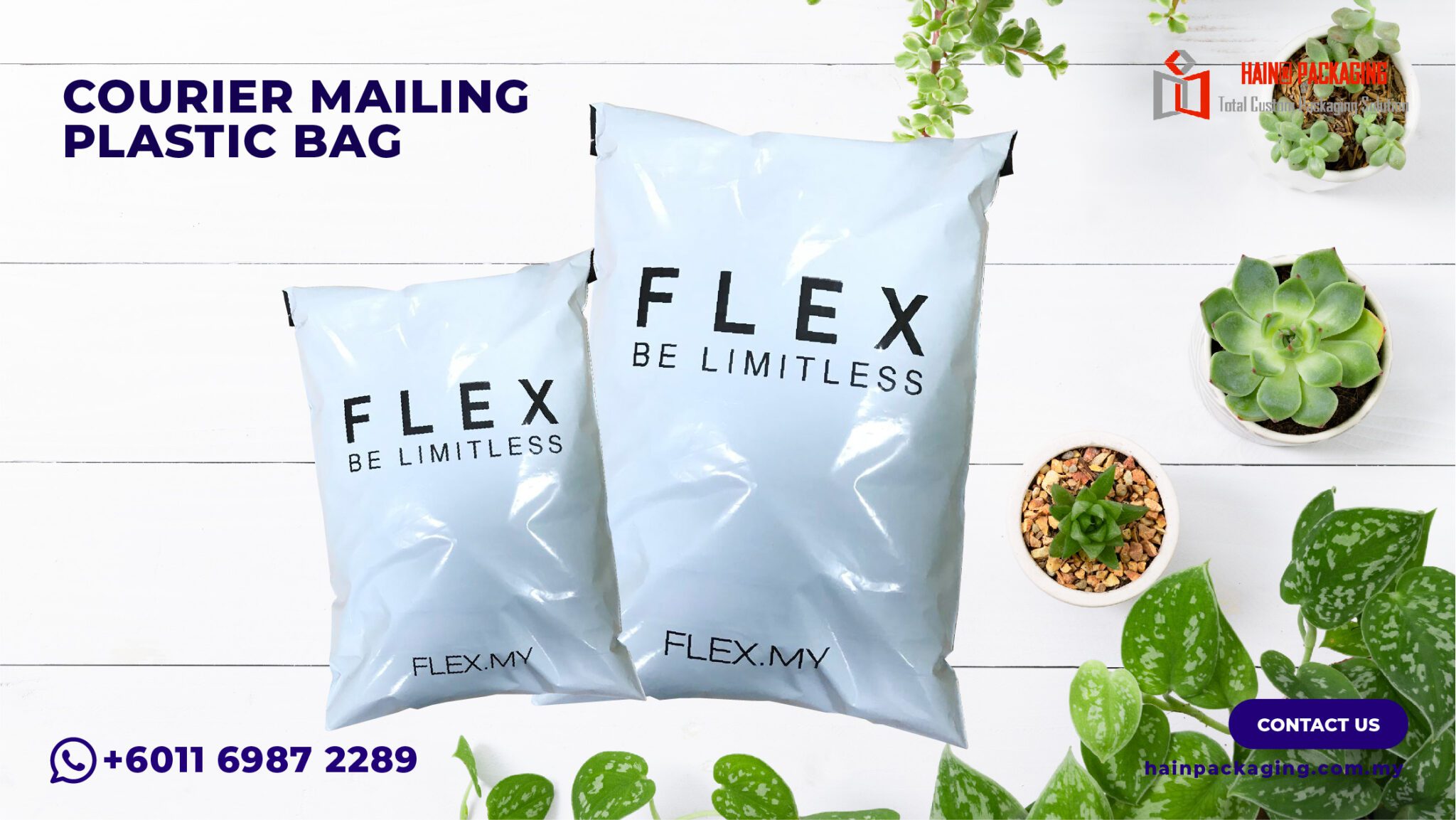
For the e-commerce side of KL retail, printed courier bags carry the brand to doorsteps and survive the city’s delivery networks — a format worth including in the same monthly order as your counter bags, so freight and admin stay in one conversation.
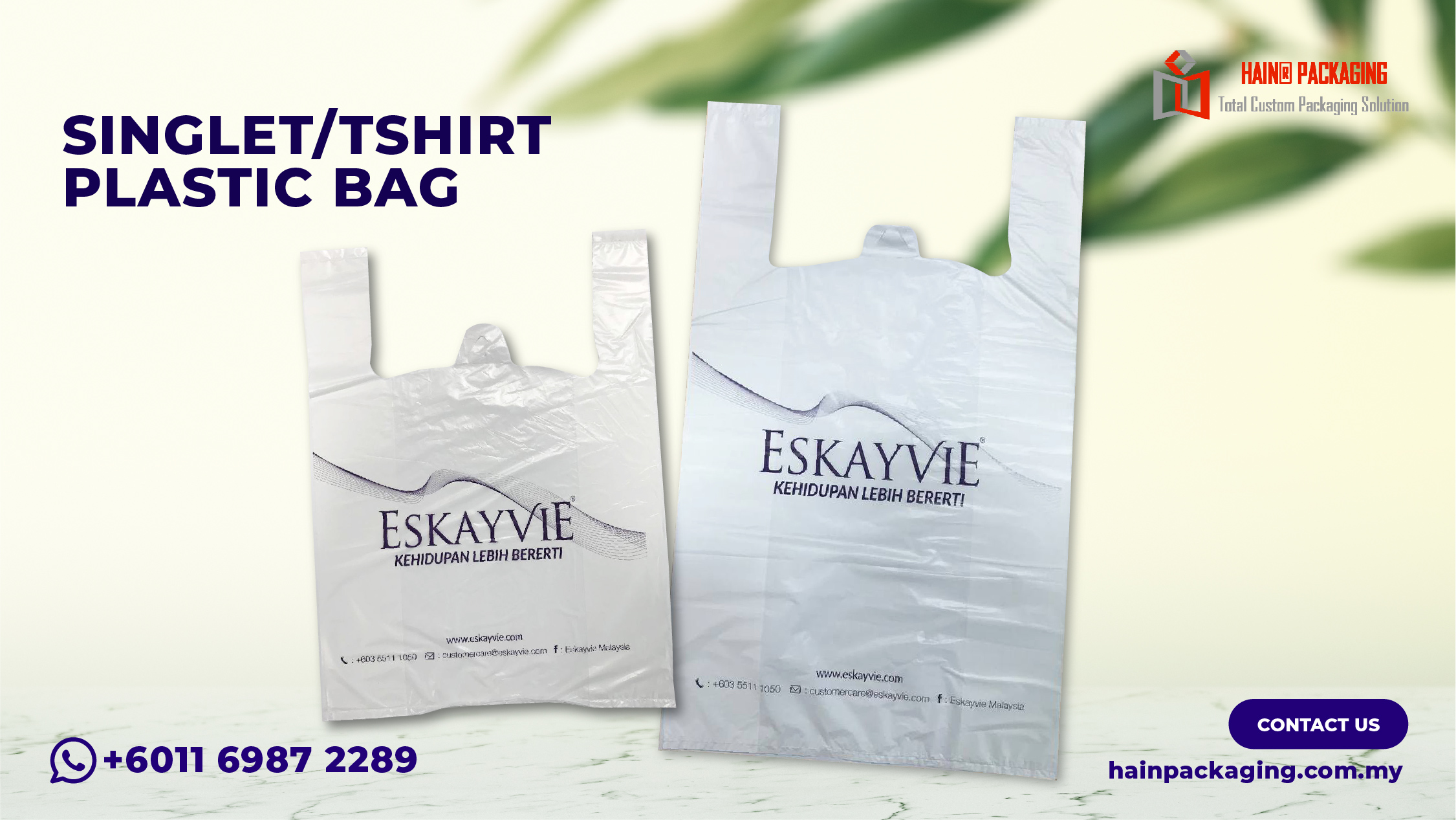
Price references help when planning the print order: as published, single-colour printed singlet bags run roughly RM150–300 per 1,000 pieces at a 10,000-piece MOQ, and custom-printed poly mailers RM400–800 per 1,000 at a 2,000-piece MOQ. Your exact numbers depend on size, film, and structure — but these anchors make the budget conversation concrete.
- Standard formats — monthly stock order, re-order point at two weeks of usage.
- Custom printing — quarterly order, artwork frozen at proof, 14–21 working days lead time.
- Urgent restocks — walk-in at the Seri Kembangan showroom for common stock.
- Standard formats — monthly stock order, re-order point at two weeks of usage.
- Custom printing — quarterly order, artwork frozen at proof, 14–21 working days lead time.
- Urgent restocks — walk-in at the Seri Kembangan showroom for common stock.
Step 5: Lock a Re-Order Rhythm Around Real Lead Times
Delivery to KL and the Klang Valley is typically 1–2 days, with walk-in collection available at the Seri Kembangan showroom for stock items. Custom-printed orders follow a separate calendar: production generally takes 14–21 working days after artwork approval. Set a monthly stock order for standard formats and a quarterly print order, with re-order points so stock never reaches zero.
One final habit separates smooth KL procurement from constant firefighting: keep a simple stock card per format — monthly usage, current stock, re-order point, and supplier lead time. Review it once a month, adjust the re-order point as sales move, and send the numbers to your supplier in writing. A supplier who supports this rhythm becomes part of your planning loop rather than a vendor you chase at month-end.
What payment terms do corporate accounts get? Terms vary by account size and history; ask when you open the account and renegotiate as your volume grows.
Can urgent restocks be collected on-site? Yes — the Seri Kembangan showroom serves walk-in purchase for common stock items during business hours.
Frequently Asked Questions
How fast is delivery to KL? Published delivery to the Klang Valley and KL is 1–2 days, with walk-in purchase at the Seri Kembangan showroom for standard stock.
What are typical price ranges? As a guide, HDPE singlet bags (plain) run roughly RM60–120 per 1,000 pieces, printed single-colour RM150–300; LDPE flat bags around RM40–80; poly mailers plain RM200–400 and printed RM400–800. MOQs start at 1,000–5,000 pieces depending on format.
How long does custom printing take? Standard custom printing takes 14–21 working days from artwork approval.
Is food-contact material documented? Yes — food-grade material with compliance documentation on request; see our supplier standards.
Malaysia’s plastics market keeps expanding with e-commerce and food processing, per Mordor Intelligence — which makes a disciplined ordering process worth more every year.
Ready to set up your packaging properly? Contact HAIN® Packaging via WhatsApp or [email protected] for a quotation. For the full product range, see the HAIN® Packaging brand site.