
Tamper Proof Mailer Five Variables and Where They Fail
October 15, 2026
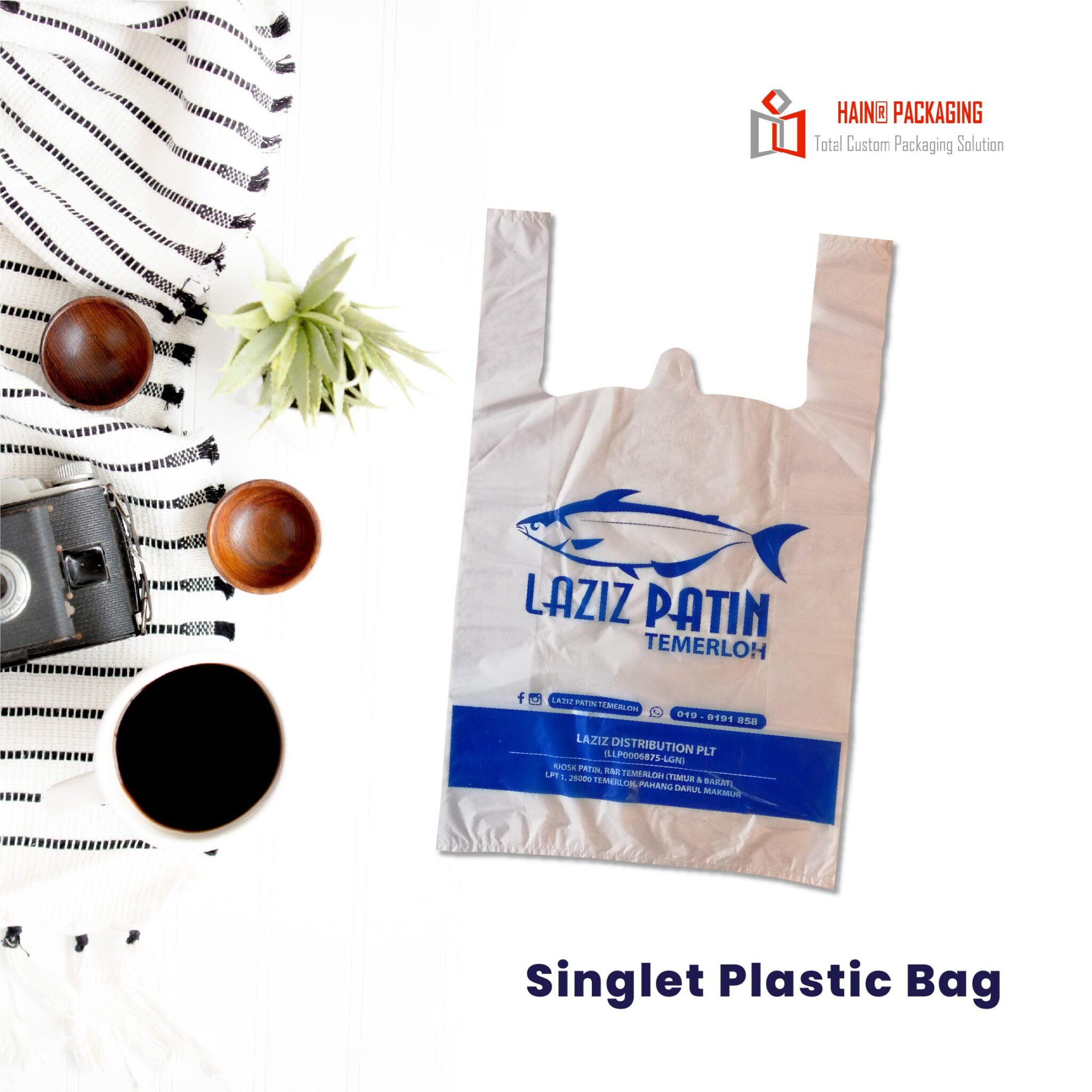
Three numbers on a purchase order decide whether a singlet bag order runs quietly, and none of them is the unit price. The first is the gauge band. The second is the split of the quantity across sizes. The third is the name of the person who signs the delivery note. A buyer who fills in the first two and leaves the third blank has already decided who will absorb the problem later. Singlet plastic bags wholesale looks like a commodity purchase right up to the point where a pallet of the wrong gauge lands at a warehouse with nobody assigned to check it.
The reason is structural rather than commercial. A wholesale singlet order is not one decision, it is four decisions taken by four people, and each one carries a different consequence when it goes wrong. Sorting the order by who bears the consequence, instead of by which department raised the request, is what keeps the cost of a mistake somewhere it can be managed.
Who Bears What in Singlet Plastic Bags Wholesale
In a Malaysian retail or food service chain, one singlet order touches four parties, and the exposure is not evenly spread.
- Procurement carries the gauge and grade decision, because a wrong band is bought in bulk and cannot be returned once it is printed.
- The outlet manager carries the daily draw rate, because a bag that runs out on a Saturday is a counter problem, not a warehouse problem.
- Receiving carries the count and the claim window, because a short carton discovered after the window has closed belongs to the outlet.
- Finance carries storage and the reorder trigger, because printed stock sitting in a hot storeroom has a shelf life.
Each of the four has a decision they can get wrong and a bill they end up paying. The rest of this article takes them in that order.
The Buyer Owns Gauge Grade and the Order Split
Gauge bands for singlet bags in this market fall into four working groups. Light duty at 12 to 14 micron, standard at 16 to 18 micron, heavy at 22 to 25 micron, and extra heavy at 30 micron and above. Common sizes, given as width by length in millimetres, cluster around 200 by 300, 230 by 350, 250 by 380, 300 by 450 and 350 by 500.
Gram weight per piece is the number that catches a wrong gauge fastest. A 230 by 350 bag in LDPE at 16 micron weighs roughly 5 g. At 22 micron the same bag comes in near 7 g. A comparable bag in HDPE at 14 micron can carry a similar load at about 4 g, and it feels stiffer and noisier in the hand, which is why some counters reject it even though the numbers are fine.
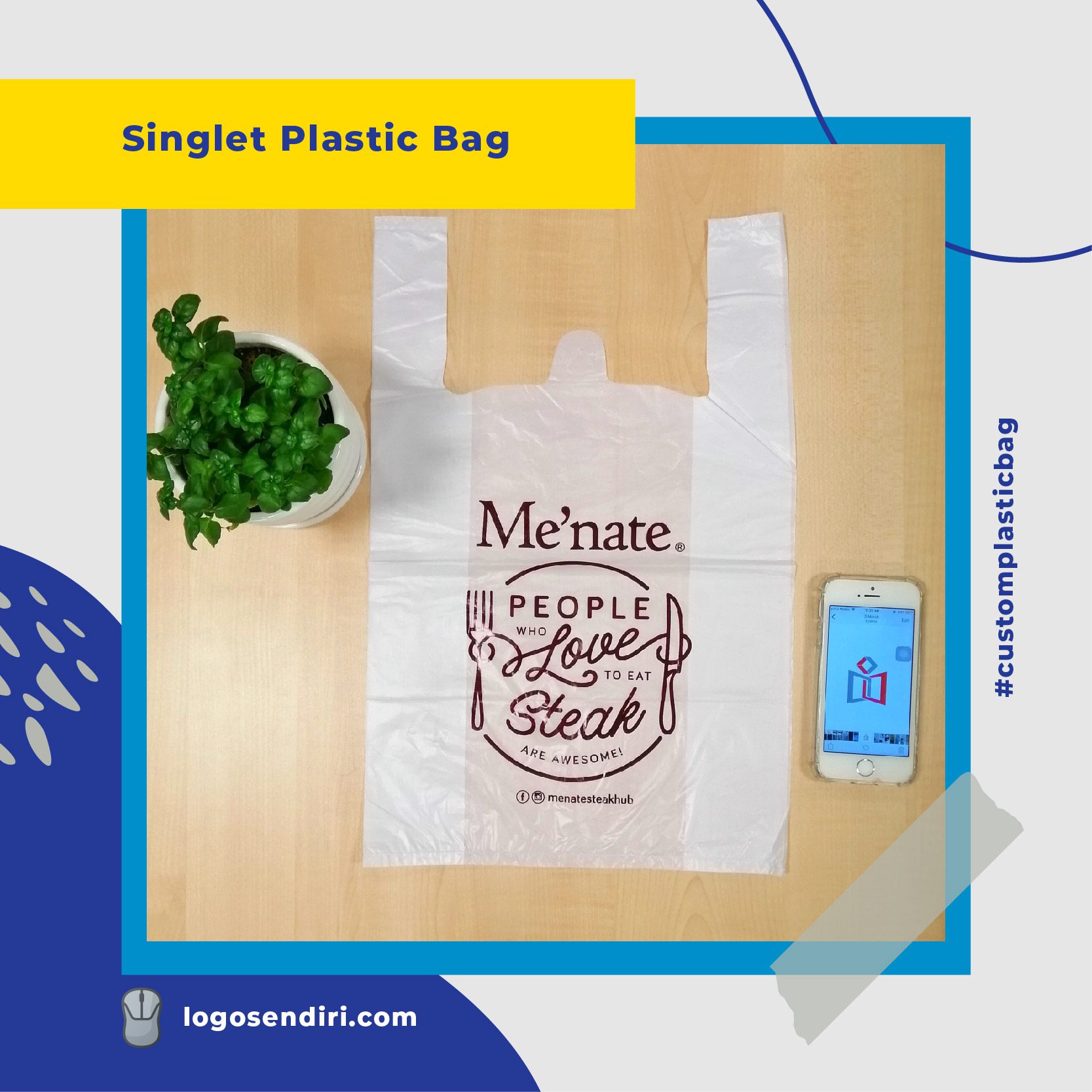
The minimum order quantity is not a single number, and this is where most first-time buyers get caught. MOQ is composed per size, per gauge, per print colour and per printed side. An order of 30,000 pieces split across three sizes and two colours is six production runs of 5,000, and each run carries its own setup. Consolidating the same volume into two sizes and one colour usually buys a better rate without changing the total. The arithmetic behind that is set out in the flexible packaging MOQ and pricing guide.
For retail and food service chains that buy the same singlet format across multiple outlets, the standard size and gauge bands are also listed against retail applications on the e-commerce and retail packaging range at hainpackaging.com.my, which is useful when the procurement team has to defend a band choice against a cheaper quote that skips the tolerance.
There is one more trap in the gauge reading. Film has to be conditioned before it is measured. ASTM D618 is the standard practice for conditioning plastics before testing, which is exactly why a reading taken at the factory and a reading taken in a warm warehouse can disagree by a micron or more on the same roll. Agree the conditioning condition at the same time as you agree the band.
Setup, cylinder cutting and the press slot move with the film type, the number of print colours and the quantity per size, so agree them with our sales team before the order is released.
The Store Manager Owns the Daily Draw Rate
Draw rate is simply bags issued per day per outlet, and it is the number that turns a wholesale quantity into a number of weeks. A store handing out 900 bags a day will empty a 30,000 piece order in a little over five weeks. A store handing out 300 will take fourteen.
The manager’s exposure is not the purchase, it is the gap. When bags run short, staff hand out whatever is to hand, and the shortfall is recorded as a complaint about bag quality rather than a planning miss. Shrinkage compounds it: singlet bags are light, useful and easy to take, and a store that cannot account for them will blame the gauge every time.
The fix is a one-week count. Record bags issued against sales transactions for seven days, divide by seven, and you have a draw rate that finance and procurement can both plan against. A store that has never done this is guessing, and the guess is usually low by a third.
Before you commit to a volume, put your draw rate and your size split against the plastic packaging MOQ guide and check that the order you are about to place still makes sense at that consumption rate.
Receiving Owns the Count and the Claim Window
Carton counts vary by size. Small singlet sizes usually ship 1,000 to a carton, larger sizes 500. Almost no warehouse counts pieces. They weigh cartons, which is fast and entirely adequate if the gram weight is known and agreed.
The claim window is the part that bites. It starts at delivery, not at discovery. If a count is disputed on day eleven and the window was seven days, the loss lands on the outlet’s budget rather than on the supplier’s credit note.
The check is three cartons. Weigh them, divide by the agreed gram weight per piece, and compare the result with the declared count. If the cartons are light by more than two per cent, raise it inside the window and with the carton label photographed.

Finance Owns Storage and the Reorder Trigger
Storage is a real cost that rarely appears on the order. Thirty thousand singlet bags in cartons occupy roughly 1.2 cubic metres, and a storeroom at 33 degrees Celsius with high humidity will shorten the usable window for printed stock, because ink blocking shows up as bags that stick together in the carton.
The reorder trigger should be set in weeks of cover, not in pieces remaining. Pieces remaining invites a re-order when the shelf looks empty, which is the same week the supplier is busiest.
The calculation is draw rate multiplied by lead time, plus a safety buffer. Because lead time moves with the specification and the print method rather than sitting at a fixed number, the buffer is the part finance actually controls, and it is worth setting deliberately.
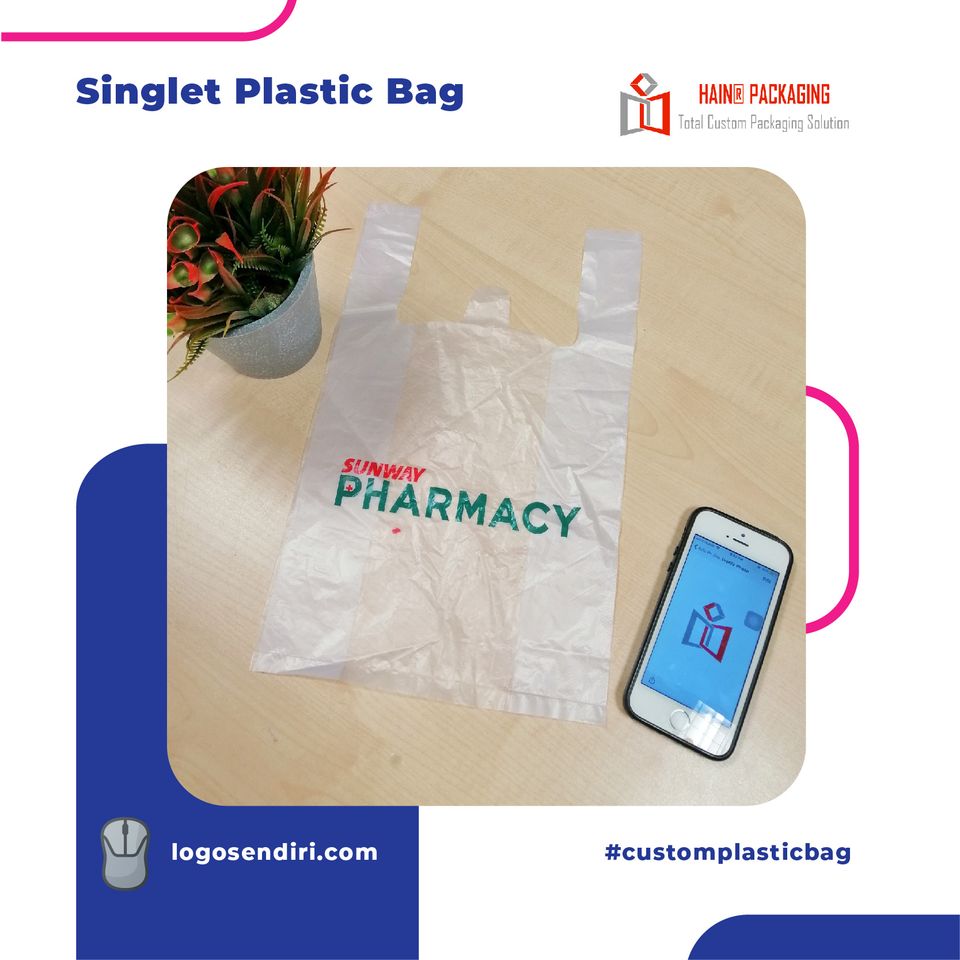
What Singlet Plastic Bags Wholesale Buyers Should Put in Writing
Four fields belong on every wholesale order, and most orders stop at three — the named person at receiving, who owns the claim window, rarely gets written down.
- The gauge band with an explicit tolerance, not a single micron figure.
- The size list with the quantity split against each size.
- The print colour count per side, because that is what drives the run count.
- The named person at receiving who signs the delivery note and owns the claim window.
Buyers working with a smaller footprint can also split the risk differently. The low minimum order packaging options route trades a higher unit rate for a smaller first run, which is often the right call when the draw rate has never actually been measured.
Before you release a singlet plastic bags wholesale order, ask for three documents: the gauge band with its tolerance, the gram weight per piece at that gauge, and the carton count. Weigh ten pieces against the second number. That one check settles most disputes.