Stick Pack vs Pillow Pouch Malaysia | Sachet Packaging
May 2, 2026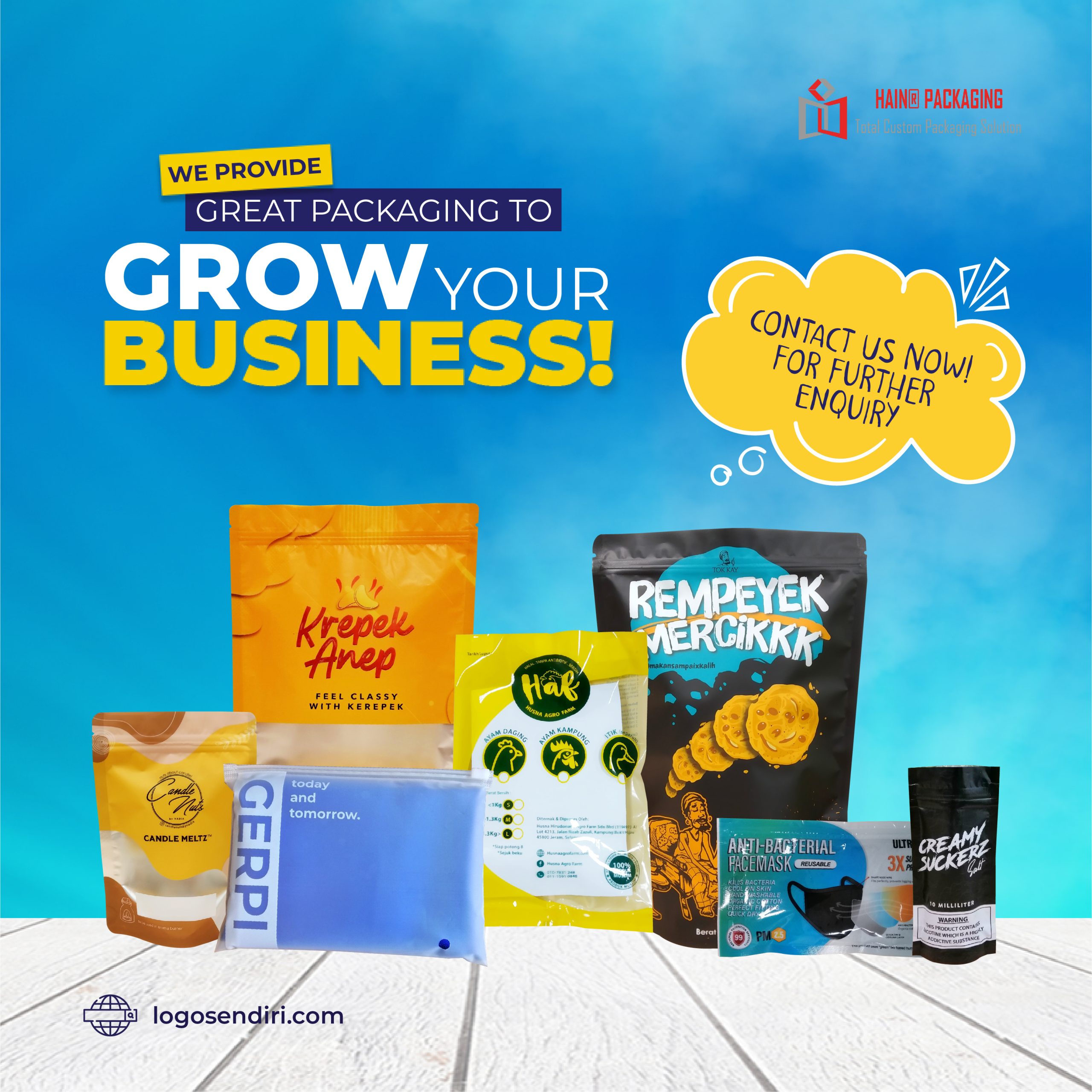
10 Questions Before Choosing a Packaging Manufacturer MY
May 4, 2026
Not All Flexible Packaging Is Created Equal
Malaysian businesses selling food, beverages, or consumer goods face a common dilemma: stand up pouch, ziplock bag, or flat pouch? The wrong choice either inflates your cost or limits your product’s shelf appeal. Choosing the right flexible packaging format is one of the most important decisions you will make — it affects your unit cost, brand perception, product shelf life, and customer satisfaction.
In this comprehensive guide, we break down each packaging type by cost, use case, material requirements, and real-world results so you can make an informed decision for your business.
What Is Flexible Packaging?
Flexible packaging refers to any non-rigid container made from flexible materials like plastic film, aluminium foil, or paper laminates. Unlike rigid containers (bottles, jars, cans), flexible packaging is lightweight, cost-effective to ship, and offers excellent barrier properties when properly laminated. In Malaysia, flexible packaging dominates the food and consumer goods market due to its affordability and versatility.
The three most common flexible packaging formats used by Malaysian businesses are stand-up pouches, ziplock bags, and flat pouches. Each serves a different purpose and suits different product types, budget levels, and distribution channels.
Stand Up Pouches — Premium Shelf Presence
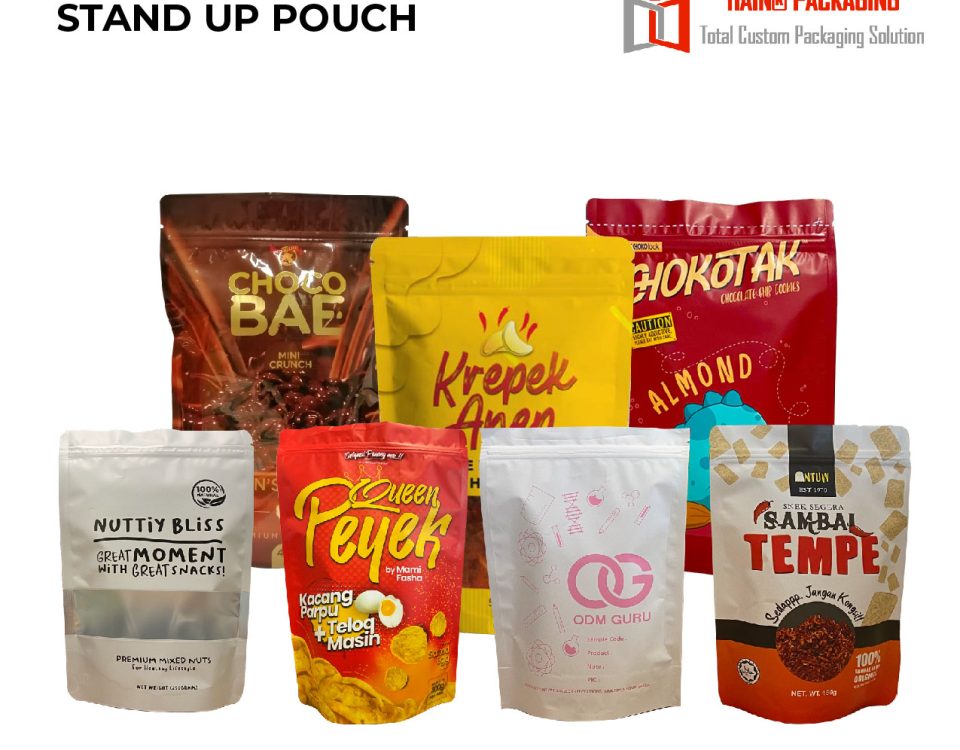
Stand up pouches have a gusseted bottom that lets them stand upright on retail shelves, giving your product maximum visibility. They offer the largest printable surface area among all flexible packaging types, making them ideal for brands that want high visual impact and storytelling space on the pack.
Stand-up pouches are typically made from laminated films (PET + aluminium foil + PE) that create a strong barrier against moisture, oxygen, and light. This extends product shelf life significantly — a key advantage for Malaysian food businesses dealing with tropical humidity.
Cost: RM 0.30–0.80 per unit
Best for: Premium snacks, ground coffee, dried fruits, pet treats, retail brands, sauces, liquid products
MOQ: 10,000 units
Available options: Ziplock closure, tear notch, degassing valve (for coffee), spout (for liquids), clear window panel, custom shape
Real example: A premium coffee brand in Petaling Jaya switched from flat pouches to custom stand-up pouches with degassing valves. Their retail display improved dramatically, and they reported a 40% increase in shelf off-take within two months of the switch. Explore our stand-up pouch manufacturing options.
Ziplock Bags — Practical and Reusable
Flat ziplock bags feature a press-seal closure mechanism that allows consumers to open and reseal the bag multiple times. While they cannot stand on their own like stand-up pouches, their resealable feature is a strong selling point for products consumed over multiple uses.
Ziplock bags are an excellent middle-ground option — more affordable than stand-up pouches but offering the consumer convenience of resealability. They work best for products where preserving freshness after opening matters, such as frozen foods, dried goods, and pantry staples.
Cost: RM 0.20–0.55 per unit
Best for: Frozen food, sambal, dry snacks, spices, dried seafood, bulk retail items, hardware products
MOQ: 5,000 units
Available options: Custom print up to 10 colours, hang hole for retail display, tamper-evident seal, gusseted side for more capacity
Real example: A frozen food manufacturer in Johor switched from plain poly bags to custom-printed ziplock bags and saw repeat purchase rates increase by 25%, as customers appreciated the ability to reseal after each use. View our custom ziplock bag range.
Flat Pouches — Lowest Cost, Maximum Efficiency
Simple three-side or four-side seal pouches with no gussets and no ziplock closure. These are the most cost-effective flexible packaging option available. Flat pouches are ideal for single-use portions, samples, and products that sell by weight rather than by visual appeal.
While flat pouches offer limited branding space compared to stand-up pouches, their lower per-unit cost makes them the preferred choice for high-volume, low-margin products. They are also the best option for businesses just starting out and wanting to minimise packaging investment.
Cost: RM 0.08–0.25 per unit
Best for: Sachets, single-serve portions, product samples, wholesale/bulk products, spices, seasoning packets
MOQ: 10,000 units
Available options: Custom print, tear notch for easy opening, heat-seal or cold-seal adhesive, laminated barrier film
Many Malaysian food businesses use flat pouches for their initial product launch, then upgrade to stand-up pouches or ziplock bags once the brand gains traction and they need stronger shelf presence.
Side-by-Side Cost Comparison
| Type | Cost/unit (RM) | Shelf Display | Resealable | Barrier Protection | Best For |
|---|---|---|---|---|---|
| Stand Up Pouch | RM 0.30-0.80 | Best ★★★ | Optional | Excellent | Premium retail brands |
| Ziplock Bag | RM 0.20-0.55 | Good ★★ | Yes | Good | Multi-use food products |
| Flat Pouch | RM 0.08-0.25 | Limited ★ | No | Varies by laminate | Sachets, samples, bulk |
Note: Prices are estimates based on standard sizes and 10,000-unit orders. Actual pricing depends on dimensions, material choice, number of print colours, and quantity.
How to Choose the Right Flexible Packaging for Your Malaysian Business
Here is a simple decision framework based on your product type and business stage:
- Launching a new product on a tight budget? Start with flat pouches. They offer the lowest entry cost and let you test the market before investing in premium packaging.
- Selling products that customers use over multiple sessions? Ziplock bags are your best choice. The resealable feature adds perceived value and reduces waste.
- Competing on retail shelves against established brands? Invest in stand-up pouches. The superior shelf presence and larger print area help you stand out and justify a higher price point.
- Shipping products through e-commerce? All three options work, but stand-up pouches with ziplock closures offer the best combination of protection, branding, and customer convenience for online sales.
Frequently Asked Questions About Flexible Packaging in Malaysia
What is the best flexible packaging for frozen food in Malaysia?
For frozen food, ziplock bags with laminated barrier films are the most popular choice. They offer good protection against freezer burn, are resealable for portioned use, and cost less than stand-up pouches. Ensure the film can withstand temperatures as low as -18°C without cracking.
Can I get different flexible packaging types with the same design?
Yes. Many manufacturers, including HAIN Packaging, can produce stand-up pouches, ziplock bags, and flat pouches with the same printed design. This is useful if you sell the same product in different formats — for example, a stand-up pouch for retail and a flat pouch for sample packets.
How does lamination affect flexible packaging cost?
Lamination adds 15–30% to the base cost of flexible packaging, but it significantly improves barrier properties. For food products that need protection from moisture and oxygen, laminated films are essential. Non-laminated single-layer bags are cheaper but offer minimal protection and are best for non-food items or short-shelf-life products.
What is the minimum order quantity for custom flexible packaging in Malaysia?
MOQs vary by manufacturer and packaging type. Typically, flat pouches and ziplock bags start at 5,000–10,000 units, while stand-up pouches generally require a minimum of 10,000 units due to the more complex production setup. Some manufacturers offer lower MOQs for smaller businesses at a slightly higher per-unit cost.
Does flexible packaging require special equipment to fill?
Stand-up pouches and ziplock bags often require form-fill-seal (FFS) machines or semi-automatic filling equipment for efficient production. Flat pouches can be filled manually or with simpler equipment. Discuss your filling process with your manufacturer to ensure the bag design is compatible with your production line.
Material Considerations for Flexible Packaging
The material composition of your flexible packaging directly affects product protection, shelf life, and cost. Here are the most common materials used in flexible packaging for Malaysian businesses:
PET (Polyethylene Terephthalate)
Provides excellent print surface, heat resistance, and dimensional stability. Often used as the outer layer for stand-up pouches to deliver vibrant print quality and protect against punctures during shipping.
Aluminium Foil
The gold standard for barrier protection. Aluminium foil blocks light, oxygen, and moisture completely. Essential for products requiring extended shelf life such as coffee, powdered milk, and sauces. Laminated between PET and PE layers for strength and sealability.
PE (Polyethylene)
Used as the inner sealing layer. PE provides a strong, reliable heat seal and is food-safe. The thickness of the PE layer affects seal strength and bag rigidity. For liquid products, a thicker PE layer reduces leakage risk.
Mono-Material Laminates
A newer option gaining popularity for recyclability. Mono-material laminates use a single polymer type (usually PE) instead of multi-material layers, making the packaging easier to recycle. While barrier properties are slightly lower than aluminium-laminated films, they are sufficient for many dry goods and non-food products. An excellent choice for brands prioritising sustainability.
Real Business Case Studies
Case Study: Local Sambal Brand Scales from Wet Market to Supermarkets
A home-based sambal business in Kelantan started packing their product in simple flat pouches for wet market sales. As demand grew and they entered supermarkets, they upgraded to custom stand-up pouches with ziplock closures. The resealable feature was critical — it allowed customers to use part of the sambal and store the rest in the fridge. Their sales tripled within six months of the packaging upgrade.
Case Study: Pet Treat Exporter Reduced Logistics Cost
A Malaysian pet treat manufacturer exporting to Singapore switched from rigid plastic tubs to flexible stand-up pouches. The switch reduced their shipping volume by 65% and cut freight costs significantly. Their customers also preferred pouches because they took up less pantry space. They now use stand-up pouches for all their export products and are expanding into ziplock bags for their domestic retail range.
Final Recommendation
For most Malaysian food and consumer goods businesses, the recommended starting point is custom-printed ziplock bags. They offer the best balance of cost, functionality, and brand visibility. As your business grows and you need stronger retail presence, upgrade to stand-up pouches. For sample packs, promotional giveaways, or high-volume wholesale products, flat pouches remain the most cost-effective solution.
Whichever format you choose, working directly with a packaging manufacturer ensures factory-direct pricing, consistent quality, and the flexibility to customise every aspect of your packaging. HAIN Packaging has produced over 1.7 million flexible packaging units for Malaysian businesses since 2008.
Whichever format you choose, working directly with a packaging manufacturer ensures factory-direct pricing, consistent quality, and the flexibility to customise every aspect of your packaging.
Not Sure Which Packaging Type Fits Your Product?
Our packaging consultants can help you compare costs, materials, and designs for your specific product. Free consultation within 24 hours. Manufactured by HAIN Packaging, a SIRIM-certified flexible packaging manufacturer.
WhatsApp Us Get a Quote Mordor Intelligence stand up pouch market report.
Looking for more custom plastic packaging Malaysia options? We have a wide range to choose from.
Looking for more food packaging Malaysia options? We have a wide range to choose from.