Custom Courier Packaging by Channel in Malaysia
October 13, 2026
Custom Poly Mailer Malaysia Checks Before You Order
October 13, 2026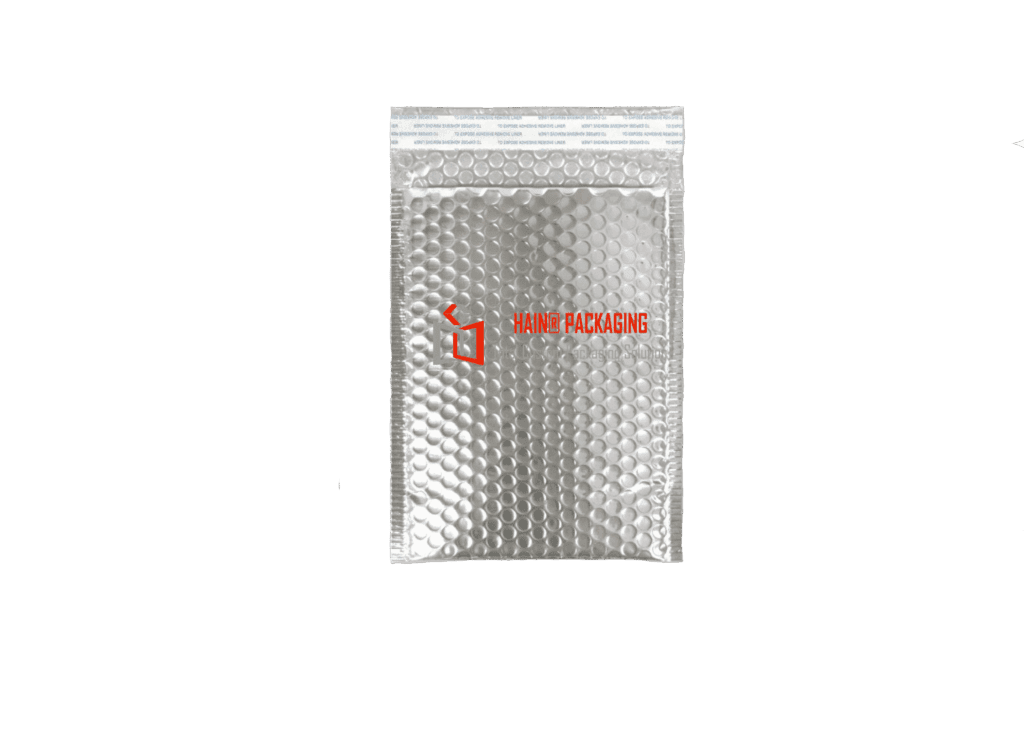
The mug arrived in three pieces, and the photographs the buyer sent were confusing. The bubble mailer looked almost unused — the padding was intact, the film was unbroken, and the only visible damage was a gap of about two centimetres along the top edge where the adhesive strip had let go somewhere between the sortation hub and the doorstep. The seller’s first reaction was to order thicker padding. That reaction is the most expensive habit in this product category, and it is worth unpacking before any other specification is discussed, because a bubble poly mailer custom order is decided by five independent variables and padding thickness is only one of them.
Padding is what buyers look at because padding is what they can feel through the bag. It is also the variable least likely to be the reason a parcel fails. A mailer that arrives open did not fail in the bubble; it failed at the closure, or at the film next to the closure, or because the adhesive had been sitting in a warehouse through a Malaysian afternoon. Once the bag opens, the padding goes with the contents. So the five variables below are ordered by how often they actually decide the outcome, not by how visible they are on a sample.
The Failure That Gets Blamed on the Bubble
Pop a bubble mailer open on a bench and look at where it separated. In the overwhelming majority of returns, the separation runs along the seal band or immediately beside it, in the flat film rather than through the cushioning. The reason is mechanical rather than mysterious. The seal area is where two layers of film are pressed, heated or adhered into a single stiff band, and that band is the stiffest, least forgiving part of the whole structure. Every impact the parcel takes is transferred to the stiffest part, so the stiffest part is where the tear starts.
This is why adding bubble height to a bag that is failing at the seal does nothing except add cost and bulk. The bubble was never carrying the load that broke. The transit test procedures published by the International Safe Transit Association treat closure integrity as its own test path for exactly this reason — a package is not considered protective if it opens, regardless of how much cushioning it carries.
Outer Film Gauge Sets the Puncture Limit
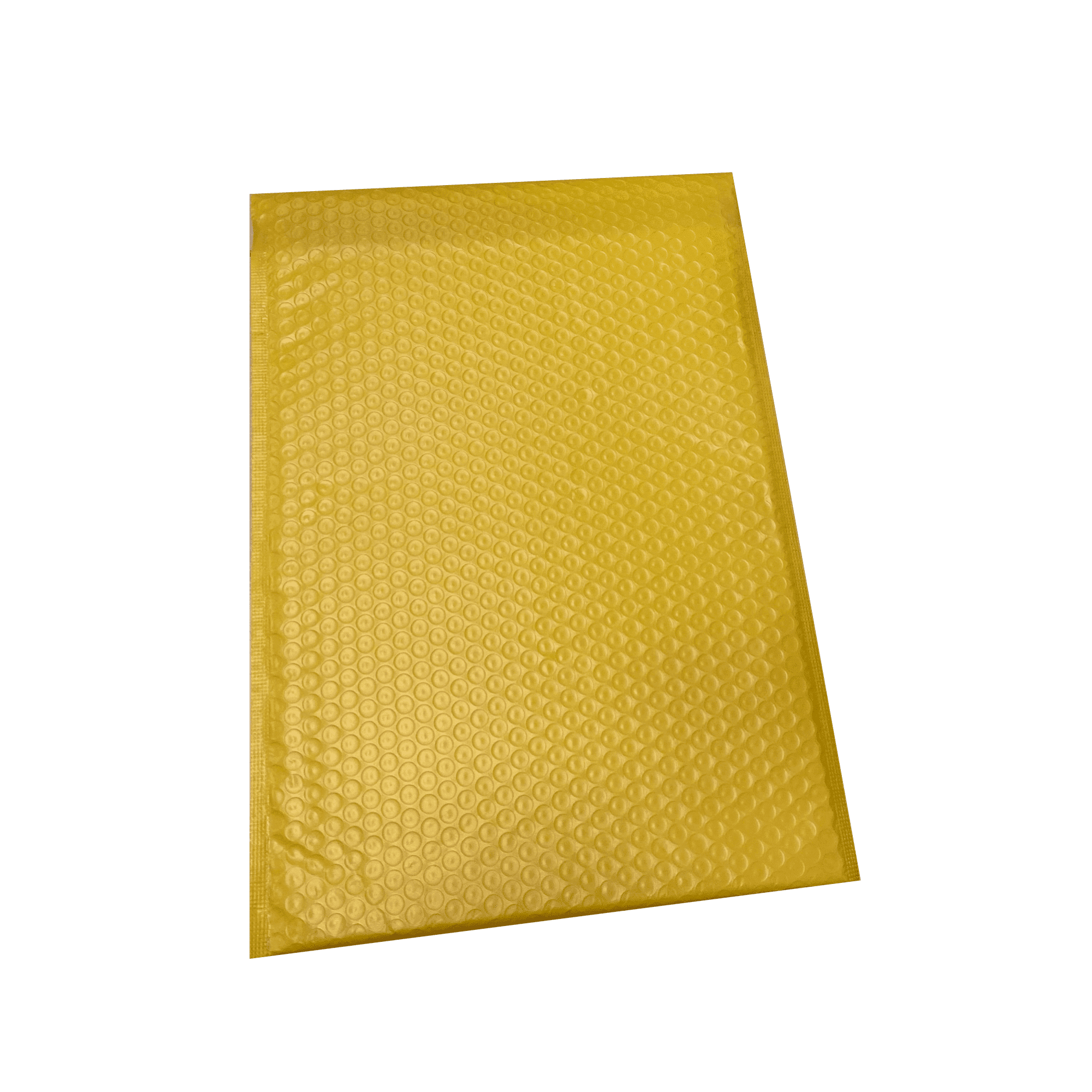
The outer skin is the layer that meets conveyor edges, metal chutes, other parcels and the inside of a delivery vehicle. Its thickness, quoted in microns, sets how much of that abuse it absorbs before it perforates. Light single-layer films around 60 µm handle soft, compressible contents well. As soon as the contents have a corner — a boxed phone, a hardcover book, a metal fitting — the corner becomes an internal punch working outward, and the outer skin needs to be heavier, typically 80 µm and above, or built as a co-extruded structure with a tougher outer ply.
Gauge also sets opacity, which matters more than most spec sheets suggest. A thin white film over a small dark object shows the silhouette of what is inside, and a silhouette is an invitation. For high-value small goods, going up a gauge buys pilferage resistance that no amount of padding provides.
Bubble Height Changes What Survives a Drop
Bubble height is the one variable that does what buyers assume it does, just not for the reason they assume. A 3 mm bubble distributes load across a large number of small cells and suits flat, broad items that need surface protection against scuffing. A 10 mm bubble concentrates the same material into fewer, taller cells that compress further before bottoming out, which is what a dense, concentrated impact needs. A ceramic mug dropped flat onto its side needs the taller cell; a paperback shipped in bulk needs the shorter one and is better served by the money going into film.
The mistake is specifying the tall bubble for everything on the theory that more cushioning is never worse. Taller cells make the bag bulkier, which pushes the packed dimensions up, which raises the volumetric weight the courier bills. You end up paying on every shipment for cushioning the contents did not need. The right height is a function of the drop your product can survive, and the only honest way to find that number is to drop a packed sample onto a concrete floor from roughly a metre and open it.
Seal Width Decides Whether the Bag Stays Shut
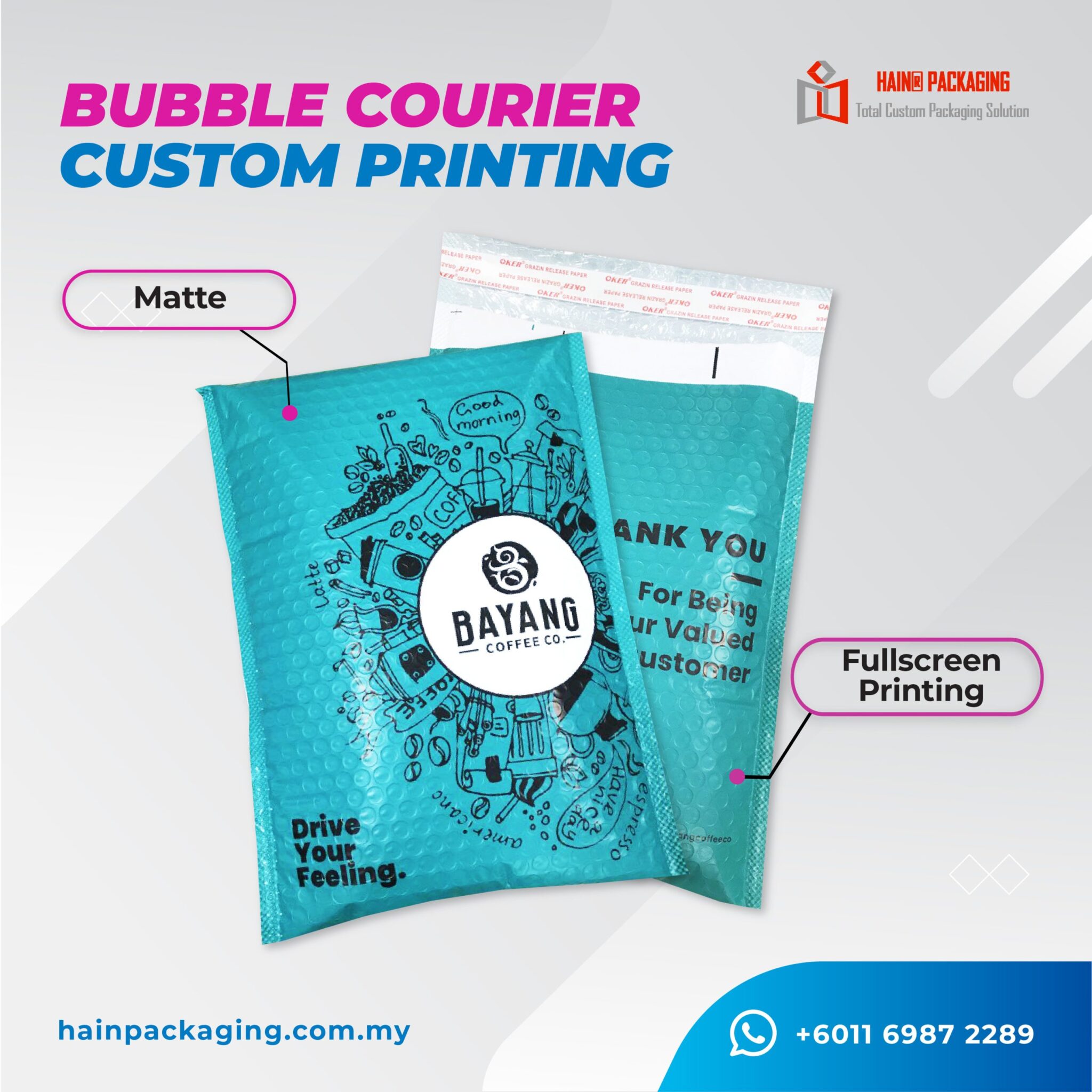
Seal width is the variable almost nobody specifies, and it separates a bag that survives a sortation hub from one that does not more often than any other variable does. A narrow band concentrates all the peel force on a few millimetres of film. A wider band spreads the same force and, more importantly, moves the failure point away from the edge of the film into the body of the material, where the material is stronger. If you have ever had a bag open in transit while an identical bag from the same batch survived, this is usually the difference you are looking at, expressed through a small variation in how the closure was pressed.
The closure type matters alongside the width. A peel-and-seal strip gives a fast pack line and a consistent seal, which is what a business shipping hundreds of parcels a day needs. A permanent hot-melt closure gives a tamper-evident result that cannot be opened and resealed without visible damage, which is what a business shipping high-value goods needs. The two are not interchangeable, and choosing on pack speed alone is how a high-value product ends up in a bag designed for a t-shirt.
Sizing and closure choices interact with what you already ship, and the working examples on our custom printed bubble mailers page show how the same structure changes across product categories. Sampling schedules and production timing track the specification, print route and the quantity you commit to; sales pin them down before the job enters the schedule.
Adhesive Life in Malaysian Heat and Humidity
An adhesive strip is a chemical product with a shelf life, and Malaysian storage conditions shorten it. Ambient temperatures in a non-air-conditioned storeroom sit in the low thirties Celsius for much of the year and relative humidity regularly runs above 80 per cent. Under those conditions, the adhesive on a closure can lose grab, or the release liner can start to lift, long before the bag itself is anywhere near the end of its usable life. The symptom is a closure that feels sticky to the touch and still does not hold.
Two practical controls follow. Store the bags flat, away from direct sun, in a sealed carton rather than an open shelf. And buy in a quantity that turns over within a reasonable period rather than the largest quantity that qualifies for the best unit price — the unit price saving is wiped out by a single batch of closures that lost their grab. A bubble mailer ordered in a quantity you cannot use before the next hot season is a false economy, and it is one of the few places where ordering less genuinely saves money.

What Bubble Poly Mailer Custom Buyers Lose to Heavy Ink Coverage
Printing on a padded mailer is not the same as printing on a flat one, and the difference shows up as a strength loss rather than as a colour problem. Heavy ink coverage, particularly full-bleed dark coverage, sits on the outer skin and changes how that skin flexes. On a padded structure the outer skin is already working around the cells behind it, so the ink film is being flexed in two directions at once. Over a long transit, that is where hairline cracks appear — not in the seal, not in the bubble, but in the printed surface, which is the first thing the customer sees.
The fix is a design decision rather than a production one. Keep full-bleed coverage off the areas that fold and off the corners where the bag flexes most, and let the padding show through the artwork. Where a brand needs a solid colour, a pre-coloured film carries the colour in the material instead of on top of it, and it survives flexing far better than the same colour printed at high coverage.
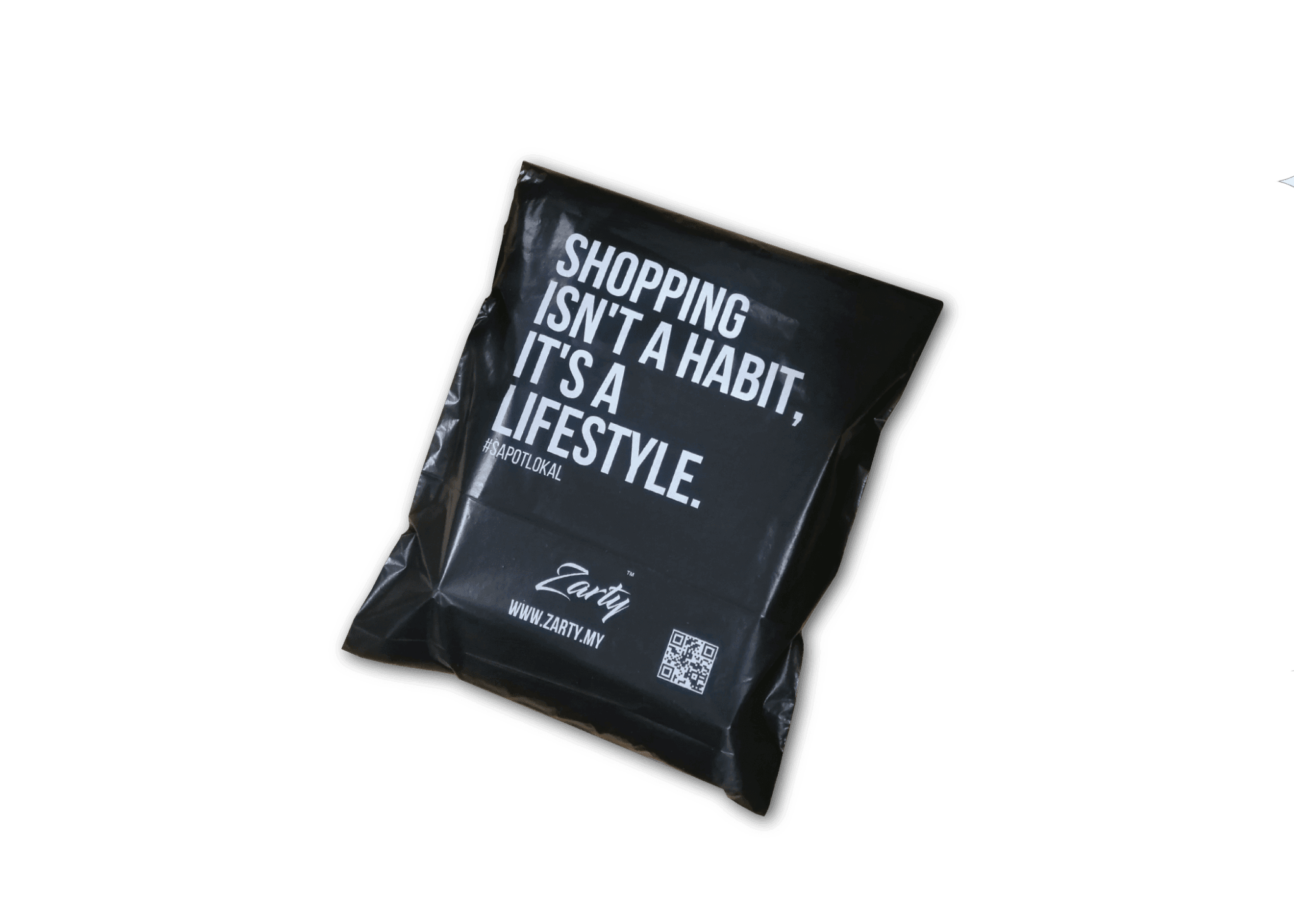
How Bubble Poly Mailer Custom Padding Behaves Under Real Contents
The last variable is the one no supplier can specify for you, because it is your product. Padding works by compressing, and it only compresses if the contents let it. A single dense object with a flat face uses the padding well. Several loose objects in one bag do not — they shift, they concentrate load on one another, and the padding between them is wasted while the padding beside them is bypassed entirely. A bag holding three small boxes is a harder packaging problem than a bag holding one box of the same total weight, and it is solved by separating the contents rather than by thickening the bag.
Where the contents are genuinely mixed or fragile, a bubble wrap consignment bag with an inner wrap gives you two compression layers instead of one, and the inner layer is doing the work that buyers usually expect the outer bubble to do.
Before you order thicker padding, drop one packed sample from a metre onto concrete and open it. Where did it separate? If the gap is at the top edge, no bubble height will fix it, and a bubble poly mailer custom order should start from the closure instead.