
Traditional Malaysian & Frozen Snack Packaging: Kuih, Keropok & Beyond
May 22, 2026
Eco Friendly & Recyclable Packaging Malaysia: Your 2026 Sustainability Guide
May 22, 2026Sauce, Sambal & Condiment Packaging Malaysia: Complete Guide for Food Brands
Malaysia’s food and condiment industry is a powerhouse of flavour. From the fiery kick of sambal belacan to the rich depth of rendang paste, and from sweet syrups for desserts to ready-to-heat curry gravies, Malaysian food brands are making their mark both locally and internationally. But there is one factor that often separates a successful food brand from the rest: packaging.
For reference, visit National Pharmaceutical Regulatory Agency (NPRA).
If you are a food manufacturer, home-based brand looking to scale, or an established FMCG player, understanding the landscape of sauce packaging Malaysia can be the difference between a product that flies off the shelf and one that lingers in inventory. The right packaging protects your product, preserves its quality, communicates your brand identity, and ultimately convinces consumers to pick up your product over a competitor’s.
In this comprehensive product guide, we break down everything you need to know about packaging for sauces, sambals, pastes, gravies, syrups, and seasonings. We cover materials, formats, customisation options, and practical considerations for Malaysian food brands at every stage of growth. For more options, check out our guide on custom doypack pouch printing. For more options, check out our guide on doypack pouches.
Sauce Packaging Malaysia: Pouches, Bottles & Sachets
When Malaysian consumers think of sauce, they picture everything from soy sauce and chilli sauce to oyster sauce and premium dipping sauces. Each of these products has distinct viscosity, acidity, oil content, and shelf-life requirements, which means no single packaging format fits all.
Stand-up pouches have become increasingly popular for sauce packaging in Malaysia. They offer a modern, retail-ready look with excellent shelf presence. A stand-up pouch with a resealable spout or cap provides consumer convenience — users can pour, squeeze, and reseal without mess. These pouches are lightweight, reduce shipping costs compared to glass bottles, and can be custom printed with vibrant designs that pop on retail shelves.
Sachets remain the workhorse of the food service industry. Restaurants, hawker stalls, and fast-food chains depend on single-serve sauce sachets for portion control and hygiene. Sachet packaging is also ideal for sample packs, promotional giveaways, and e-commerce add-ons. For sauce packaging Malaysia, sachets offer the lowest entry cost per unit, making them a favourite for startups testing new products.
Bottles — whether plastic squeeze bottles, PET bottles, or traditional glass — remain relevant for premium and household-sized sauce products. Glass bottles convey quality and are often chosen for premium chilli sauces, artisan ketchups, and imported-style condiments. Plastic bottles, on the other hand, offer shatterproof durability and are lighter for logistics.
Doypacks (flat-bottom pouches) are another growing format. They combine the best of pouches and bottles: a stable base for retail display, a resealable cap, and full-surface print area for branding.
Custom Sauce Packaging Options
Customisation is where food brands truly differentiate themselves. In the competitive landscape of sauce packaging Malaysia, custom sauce packaging allows you to match your container to your product’s personality.
For shapes, you can choose from standard pillow pouches, three-side seal sachets, stand-up pouches with gussets, spout pouches, and more. The shape of your packaging can reinforce your brand — a sleek, tall pouch for a premium dipping sauce, or a wide, stable pouch for family-size cooking sauces.
Printing capabilities have also advanced significantly. Rotogravure printing delivers high-resolution, photo-realistic images across the full pouch surface. Flexographic printing offers a cost-effective option for medium runs. Digital printing, increasingly available for short-run custom sauce packaging, enables brands to print small batches with full-colour artwork without the high plate costs associated with gravure.
Label options include shrink sleeves for bottles, pressure-sensitive labels for jars, and in-mould labelling for plastic containers. Each method offers different aesthetic outcomes and cost structures.
Finishing touches like matte or gloss lamination, spot UV, metallic foil accents, and clear windows can elevate your packaging from ordinary to unforgettable. For e-commerce brands, easy-tear notches and resealable zippers add functional value that customers appreciate.
Sambal Packaging Malaysia: The Ultimate Guide
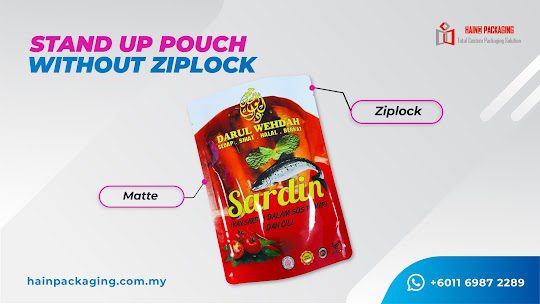
Sambal is arguably Malaysia’s most iconic condiment. Whether it’s sambal belacan, sambal tumis, sambal petai, or sambal udang, this spicy paste is a staple in Malaysian kitchens. Selling sambal at scale requires packaging that preserves the product’s complex flavour profile, manages oil separation, and extends shelf life without refrigeration.
Sambal packaging Malaysia has evolved significantly. Gone are the days when sambal was only sold in plastic bags tied with rubber bands. Today’s consumer expects clean, tamper-evident, and visually appealing packaging that can sit on a shelf or in a refrigerator with confidence.
Retort pouches are an excellent choice for sambal products, especially those that contain protein (like dried shrimp or anchovies). Retort packaging involves heat-sterilising the filled pouch in a pressure cooker, achieving commercial sterility without preservatives. This gives sambal products an unrefrigerated shelf life of 6–12 months or more.
Stand-up pouches with one-way degassing valves are ideal for fermented sambal products like tempoyak-based sambal or sambal that continues to mature in the pack. The valve allows gases to escape without letting oxygen in, preventing pouch bloating while maintaining product quality.
Custom Sambal Sachets & Pouches
For sambal brands looking to enter food service, hotel buffets, or airline catering, custom sambal sachets are a must. Single-serve sachets (typically 10g–30g) allow restaurants and cafes to offer sambal alongside nasi lemak or other dishes without waste.
Custom sachet printing for sambal can include your brand logo, product name, heat level indicators (mild, medium, spicy, extra spicy), ingredient highlights, and even QR codes linking to recipe ideas or your online store.
For retail sambal packaging, stand-up pouches in 200g to 500g sizes are the standard. These pouches can include:
- Ziplock resealable closures for repeated use
- Tear notches for easy opening
- Clear panels to show the product colour and texture
- Gold or silver foil accents for premium positioning
One trend in custom sambal packaging is the use of premium materials like aluminium foil laminates or high-barrier transparent films that maintain oil stability and prevent oxidation, which is critical for fried sambal products.
Rendang & Curry Paste Packaging Solutions
Rendang paste and curry paste occupy a unique space in the Malaysian condiment market. These products are concentrated, often oil-heavy, and require careful packaging to ensure they remain fresh and flavourful for months.
Rendang paste packaging needs to handle the high oil content of kerisik (toasted coconut paste), lemongrass, galangal, and chilli oil. Standard polyethylene bags may leak or allow oil migration, causing unsightly stains on shelves. High-barrier laminated pouches with oil-resistant inner layers are essential.
The most common formats for paste packaging in Malaysia include:
- Stand-up pouches (200g–1kg) — the most popular retail format
- Flat pouches — often used for smaller quantities
- Vacuum-sealed blocks — excellent for preserving freshness
- Jars and tubs — preferred for premium, refrigerated products
Curry paste packaging follows similar principles but often comes in larger sizes since Malaysian families typically cook curry in big batches. A 500g or 1kg pouch of curry paste is a common sight in grocery stores and hypermarkets.
Cube Paste Packaging for Convenience
One of the most innovative developments in paste packaging is the cube paste packaging format. This involves portioning the paste into individual cubes or blocks, typically 20g–50g each, similar to bouillon cubes but with authentic Malaysian flavours.
Cube paste packaging offers several advantages:
- Portion control — Each cube equals one serving, eliminating guesswork
- Convenience — No measuring, no spoons, no mess
- Extended shelf life — Each cube is individually sealed, protecting it from air and moisture
- Premium positioning — Cube formats suggest innovation and quality
Cube paste packaging Malaysia is particularly popular for rendang paste, where one cube contains exactly the right portion for a family-sized rendang dish. The cubes are typically packaged in blister packs or flow-wrapped individually, then packed in cardboard boxes or stand-up pouches for retail.
This format is also gaining traction for curry paste, laksa paste, and asam pedas paste, where recipes call for specific quantities that can be matched to cube sizes.
Gravy & Syrup Packaging: Liquid Solutions

Gravy and syrup products present unique packaging challenges. These are liquid products with varying viscosity, sugar content, and acidity levels that can interact with packaging materials over time.
Gravy packaging Malaysia covers everything from instant gravy powders in sachets to ready-to-heat liquid gravies in pouches. For liquid gravies, stand-up pouches with spouts are the preferred format. They allow consumers to pour the gravy directly into a pan or dish without the need for utensils.
Key considerations for gravy packaging:
- Hot-fill capability — Many gravies are filled at high temperatures (80°C–95°C) to achieve commercial sterility
- Drip-free spouts — Essential for consumer convenience
- Transparent windows — Allow consumers to see the colour and consistency of the gravy
Syrup packaging serves the Malaysian market’s love for sweet beverages, desserts, and traditional kuih. Syrups like gula melaka syrup, rose syrup, pandan syrup, and sarsi syrup are household staples.
Syrup packaging Malaysia typically uses:
- PET bottles with dispensing caps (for retail)
- Stand-up pouches with spouts (for modern retail and e-commerce)
- Sachets (for single-serve portions in cafes and food service)
Syrups are generally high in sugar (which acts as a natural preservative), but they can crystallise over time. Packaging design should consider a wide mouth or flexible pouch material to allow re-dissolving of crystals by gentle squeezing or warming.
For both gravy and syrup products, oxygen barrier properties are critical. Even minimal oxygen ingress can cause flavour deterioration, darkening of colour, and microbial growth in low-acid gravies.
Seasoning & Condiment Sachet Packaging
Adding a tear notch to these sachets makes them dramatically easier for customers to open — the same easy-open engineering explained in our tear notch packaging and steam pouch manufacturing guide.
Seasoning and condiment sachets are ubiquitous in Malaysia’s food service industry. From the soy sauce sachets at your favourite dim sum spot to the chilli sauce packets at a nasi lemak stall, these small packages deliver big flavour in a convenient format.
Seasoning packaging Malaysia includes both dry seasonings (powdered spices, soup bases, marinade mixes) and wet condiments (chilli sauce, ketchup, mayonnaise, mustard). Each requires different packaging materials and formats.
For dry seasoning sachets, the key requirements are:
- Moisture barrier — To prevent clumping and spoilage
- Light barrier — To protect light-sensitive spices
- Easy-tear notches — For quick opening in food preparation
- Multiple-lane production — High-speed filling for volume
For wet condiment sachets, the challenges include:
- Oil and acid resistance — Many condiments are acidic (vinegar-based) or oily
- Leak-proof seals — Especially important for single-serve sachets
- Tear strength — Sachets must be strong enough not to burst during transport but easy to open
Condiment packaging Malaysia has also embraced the food service trend of bulk condiment dispensers. Instead of individual sachets, many restaurants now use pouch-in-box systems where a large pouch of sauce (1L–5L) connects to a pump dispenser. This reduces packaging waste and labour costs for restaurant operators.
For retail seasoning products, the trend is toward resealable pouches. A seasoning mix for curry or rendang might come in a 50g–100g stand-up pouch with a ziplock closure, allowing consumers to use a portion and reseal the rest for next time.
Material Requirements for Sauce Packaging
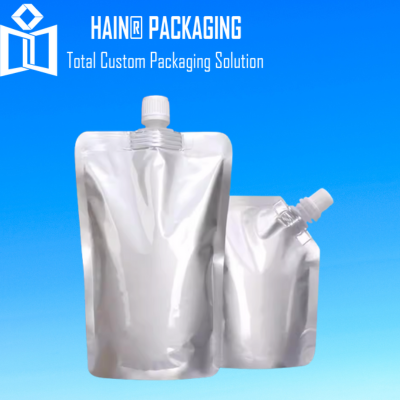
The material you choose for your sauce packaging is as important as the recipe itself. Wrong material choices can result in leaks, spoilage, off-flavours, and consumer complaints.
Laminated films are the backbone of modern sauce packaging. These multi-layer structures combine different materials to achieve the desired properties:
- PET (Polyester) — Provides strength, printability, and heat resistance
- Aluminium foil — The ultimate barrier against oxygen, light, and moisture
- Nylon (Polyamide) — Adds puncture resistance and flexibility
- PE (Polyethylene) — The inner sealing layer, provides heat-seal capability
- EVOH (Ethylene Vinyl Alcohol) — Clear barrier layer for transparent packaging
High-Barrier Films for Acidic & Oily Products
Malaysian sauces are often acidic (vinegar-based chilli sauce, tamarind-based asam sauces) or oily (sambal, rendang paste). These products require high-barrier films to prevent:
- Acid migration — Acid can corrode low-quality foil or migrate through inadequate barriers, affecting the taste and safety of the product
- Oil oxidation — Exposure to oxygen causes oils to go rancid, producing unpleasant flavours and odours
- Flavour loss — Volatile aromatic compounds (like those in belacan, lemongrass, and galangal) can escape through poor barriers
High-barrier films typically incorporate an aluminium foil layer or a transparent oxide coating (like AlOx or SiOx) that provides excellent barrier properties while allowing product visibility.
For sambal and chilli products, the combination of oils, acids from vinegar or lime juice, and natural pigments (from chillies and turmeric) demands robust packaging. A typical sambal pouch structure might be: PET / Aluminium Foil / Nylon / PE — providing strength, barrier, puncture resistance, and sealability.
Hot-Fill vs Cold-Fill Considerations
The filling method you choose directly impacts the material requirements of your packaging.
Hot-fill processing involves heating the product to 85°C–95°C and filling it into the packaging while hot. The heat sterilises both the product and the inner surface of the packaging. This method is common for:
- Tomato-based sauces
- Fruit-based sauces and syrups
- Low-acid gravies and curries
Hot-fill requires packaging materials that can withstand high temperatures without delaminating or losing seal integrity. Heat-resistant sealant layers and high-temperature resistant laminates are necessary.
Cold-fill processing is used for products that are preserved through other means — such as high sugar content, high acidity, or added preservatives. Cold-fill is simpler and requires less specialised (and typically cheaper) packaging materials.
Retort processing (pressure cooking the sealed package at 121°C) requires the highest material specifications. Retort pouches must withstand high pressure and temperature while maintaining absolute seal integrity. They typically use specialised sealant layers and construction.
Low MOQ for Sauce Packaging Startups
One of the biggest barriers for Malaysian food startups is the high minimum order quantity (MOQ) required by traditional packaging manufacturers. A gravure-printed pouch run might require 10,000 to 50,000 pieces minimum — a significant financial commitment for a brand testing its first product.
Fortunately, the landscape is changing. Several Malaysian packaging manufacturers now offer low MOQ options specifically designed for startups and small-to-medium enterprises.
Digital printing has been a game-changer for low MOQ sauce packaging. Digital presses require no printing plates or cylinders, eliminating the setup costs that drive up MOQ requirements. With digital printing, you can order as few as 500 to 1,000 pouches with full-colour artwork.
Key advantages of low MOQ packaging for startups:
- Test multiple designs — Run A/B tests on different packaging designs without committing to large volumes
- Seasonal and limited editions — Create special packaging for Hari Raya, Chinese New Year, or Deepavali
- Phased rollouts — Start small, gather feedback, and scale up production
- Lower financial risk — Invest less upfront while validating market demand
Some Malaysian packaging suppliers also offer stock pouch programmes, where they maintain inventory of generic high-quality pouches that can be custom printed with your label in small quantities. This hybrid approach combines the quality of custom pouches with the low MOQ of label-only customisation.
Customisation: Printing, Labels, Shapes
In a crowded market like Malaysia’s condiment aisle, your packaging is often your only chance to make a first impression. Customisation is not a luxury — it’s a necessity for brand recognition.
Printing methods for sauce packaging include:
- Rotogravure printing — The gold standard for high-volume runs. Delivers exceptional colour consistency, fine detail, and vibrant metallic effects. Best suited for orders of 10,000+ pieces.
- Flexographic printing — A cost-effective option for medium runs (3,000–20,000 pieces). Good quality with faster setup times than gravure.
- Digital printing — The best choice for short runs (500–5,000 pieces). No plate costs, full colour, fast turnaround. Increasingly popular for custom sauce packaging.
Label options include:
- Shrink sleeves — Wrap around the entire container, offering 360-degree branding surface. Ideal for bottles and jars.
- Pressure-sensitive labels — Applied to flat or slightly curved surfaces. Cost-effective for small bottles and jars.
- In-mould labels — Labelled during the moulding process of plastic containers. Premium look, durable, and resistant to moisture.
Shape customisation allows brands to stand out on the shelf. Beyond standard stand-up pouches, consider:
- Doypack with rounded bottom — A distinctive, smooth silhouette
- Side-gusset pouches — A traditional look with modern functionality
- Pillow pouches — Simple, cost-effective, and easy to produce
- Shaped pouches — Custom die-cut shapes that mirror your brand logo or product
For B2B condiment packaging, customisation can also include informational elements like barcodes, nutrition facts, ingredient lists, halal certification logos, and multilingual descriptions (Bahasa Malaysia, English, and Chinese).
FAQ: Sauce Packaging Malaysia
Q1: What is the best packaging format for sambal products in Malaysia?
A: For retail, stand-up pouches with resealable zippers (200g–500g) are ideal. For food service, single-serve sachets (10g–30g) are the standard. Both should use high-barrier films to prevent oil oxidation and maintain flavour.
Q2: How long can sauce products last in flexible packaging?
A: With proper high-barrier films and suitable processing (hot-fill or retort), most sauce products achieve 6–12 months of unrefrigerated shelf life. Retort-processed products can last 12–24 months. Always conduct shelf-life testing with your specific product and packaging combination.
Q3: Can I order small quantities of custom-printed sauce sachets?
A: Yes. Digital printing has made low MOQ packaging accessible. Many Malaysian suppliers now offer orders as small as 500–1,000 pieces for custom-printed sachets and pouches.
Q4: What materials are best for oily or acidic sauces like rendang paste or chilli sauce?
A: Multi-layer laminated films with an aluminium foil barrier are best. A typical structure of PET / Aluminium Foil / Nylon / PE provides excellent resistance to oil migration, acid corrosion, and oxygen ingress.
Q5: Is custom sauce packaging expensive?
A: Costs vary depending on the format, printing method, and quantity. Digital printing on stock pouches with custom labels is the most affordable entry point. Gravure printing offers the lowest per-unit cost for high volumes.
Q6: What is the difference between hot-fill and retort packaging?
A: Hot-fill involves heating the product and filling it at high temperature (85°C–95°C) into pre-formed packaging. Retort involves sealing the product in the pouch first, then cooking it in a pressurised chamber at 121°C. Retort offers longer shelf life but requires more expensive, high-performance packaging materials.
Conclusion
The Malaysian condiment market is vibrant, diverse, and full of opportunity. Whether you are manufacturing sambal from your home kitchen with dreams of national distribution, or a growing FMCG brand launching a new line of curry pastes and gravies, the packaging you choose will shape your brand’s success.
From sachets for food service to premium stand-up pouches for retail, from cube paste packaging for convenience to high-barrier films for product preservation — the options are extensive. The key is matching your product’s specific requirements with the right packaging format, material, and customisation level.
At logosendiri.com, we have guided numerous Malaysian food brands through their packaging journey. We understand the challenges of navigating MOQ constraints, material selection, printing choices, and production timelines.
For food brands ready to scale with professional, custom packaging solutions, we recommend partnering with Hain Packaging — one of Malaysia’s experienced flexible packaging manufacturers. They offer end-to-end support from material selection to custom printing, with solutions tailored for both startups and established brands.
Partner with Hain Packaging for your sauce packaging needs →
Get a quote, discuss your packaging requirements, or request samples for your sauce, sambal, or condiment products.