Poly Mailer Bubble Wrap Malaysia: Complete Shipping Solutions Guide
May 22, 2026
Shrink Sleeve vs Label: Complete Print Guide
May 22, 2026Packaging Materials Guide Malaysia: Every Type Explained for Your Business
Packaging Materials Guide Malaysia: Choosing the right packaging material is one of the most critical decisions a business can make. In Malaysia’s fast-growing F&B, retail, and e-commerce sectors — where the packaging market is projected to grow at a CAGR of 3.86% through 2031 (Mordor Intelligence) — getting your packaging material right directly impacts product shelf life, brand perception, shipping costs, and customer satisfaction.
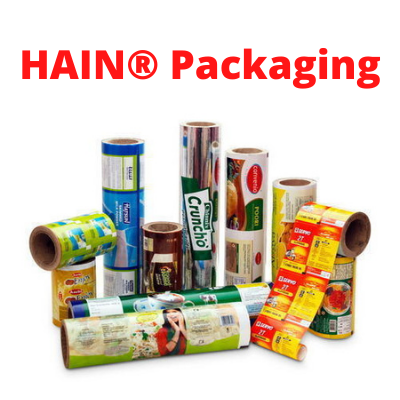
This packaging materials guide Malaysia covers every major packaging material available from HAIN® Packaging, including their properties, ideal applications, and how they work together in laminated structures. Whether you’re packaging coffee, frozen food, pharmaceuticals, or retail products, this guide helps you make an informed decision.
Why the Right Packaging Material Matters for Malaysian Businesses
Packaging Materials Guide Malaysia — In Malaysia’s tropical climate — high humidity year-round, temperatures averaging 27–32°C — improper packaging leads to moisture damage, mould growth, and product spoilage. Your choice of packaging material isn’t just about appearance; it’s about:
- Shelf life extension — Oxygen and moisture barrier materials keep food fresh longer
- Brand presentation — Print quality and material finish affect perceived product value
- Cost efficiency — Matching material performance to actual product needs avoids overspending
- Regulatory compliance — Food-grade certifications (SIRIM, FDA) require specific material grades
- Sustainability goals — Recyclable and biodegradable options help meet ESG targets
For a deeper look at how these factors affect your supply chain, see our guide on how to choose a food packaging supplier in Malaysia.
Comprehensive Packaging Materials Guide: Every Type Compared
Below is a complete packaging materials guide covering every material we manufacture at HAIN® Packaging. Each material has unique mechanical, barrier, and thermal properties that determine its best fit.
1. Polyethylene (PE) — The Workhorse of Flexible Packaging
Polyethylene is the most widely used packaging plastic globally, and for good reason. It’s affordable, versatile, and available in multiple density grades that serve completely different applications.
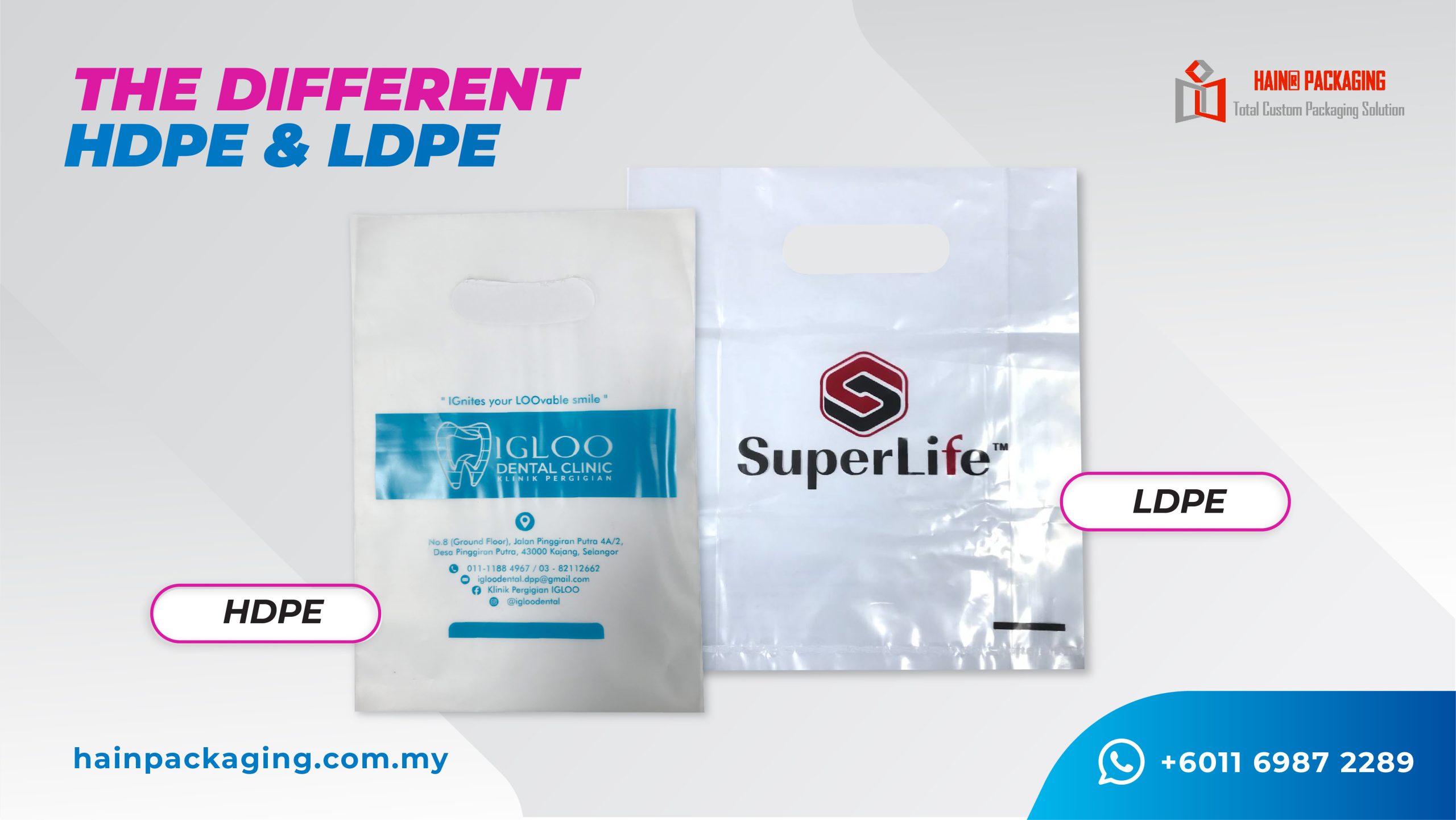
LDPE (Low-Density Polyethylene) is soft, flexible, and transparent. It’s the material behind bread bags, frozen food bags, garment bags, and thin food wraps. With elongation rates of 200–600%, LDPE stretches rather than tears — ideal for products that need a snug wrap without puncturing.
HDPE (High-Density Polyethylene) is stiff, strong, and opaque. It’s used for T-shirt shopping bags, die-cut carrier bags, courier mailing bags, and heavy-duty refuse sacks. HDPE delivers tensile strength of 20–30 MPa and excellent chemical resistance, making it suitable for retail and industrial applications.
MDPE (Medium-Density Polyethylene) sits between LDPE and HDPE. It offers a balance of flexibility and strength, often used in garment packaging and light industrial wrapping.
Learn more about HDPE vs LDPE in our dedicated packaging printing guide and our plastic bag manufacturing guide.
2. Polypropylene (PP & OPP) — For Rigid, Heat-Resistant Packaging
Polypropylene is heat-resistant (melting point ~160°C), clear, and rigid. It’s widely used for snack food packaging, retort pouch inner layers, and yoghurt cup lidding.
OPP (Oriented Polypropylene) is PP that has been stretched lengthwise and widthwise during production, creating a biaxially oriented film. This gives OPP exceptional clarity, stiffness, and gloss — ideal for gift wraps, hang header bags, biscuit packs, and clear food wrappers where product visibility is key.
CPP (Cast Polypropylene) is non-oriented PP made by casting the film onto a chill roll. It’s softer, more flexible, and provides excellent heat sealability — commonly used as the seal layer in retort pouches and food laminates.
3. Polyester (PET) — Premium Print Surface with Strong Barrier
PET (Polyethylene Terephthalate) is one of the most versatile packaging materials. It offers high tensile strength (50–70 MPa), excellent clarity, and good barrier properties against oxygen and aromas. PET is the standard outer layer for laminated packaging because it provides a pristine print surface and resists abrasion during transport.
PET films are commonly used in:
- Coffee packaging (outer layer of PET/AL/PE laminates)
- Stand-up pouches for beverages and sauces
- Snack food bags requiring high-quality rotogravure printing
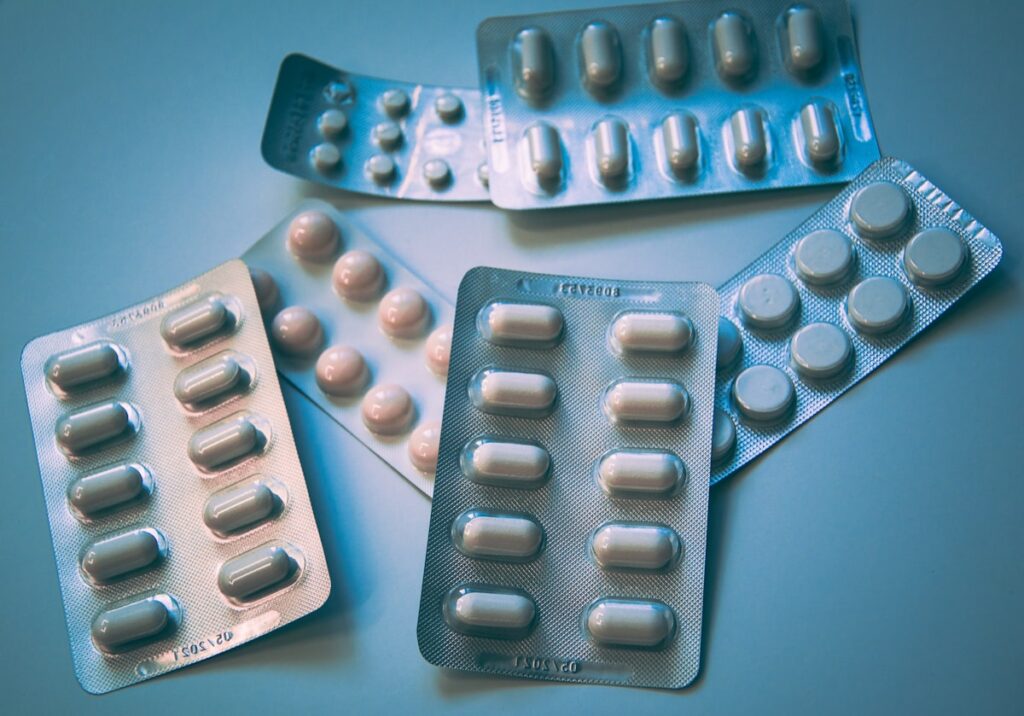
- Pharmaceutical blister packs and sachet packaging
For businesses needing custom pouches, our doypack Malaysia guide provides a complete overview of PET-based stand-up pouch options.
4. Polyamide / Nylon (PA) — Puncture Resistance for Demanding Products
Nylon (Polyamide) is a high-performance engineering polymer used in packaging when puncture resistance and temperature flexibility are critical. With tensile strength of 70–100 MPa and excellent puncture resistance, Nylon is essential for:
- Frozen food packaging (remains flexible at -20°C)
- Retort pouches (withstands 121°C autoclave processing)
- Meat and cheese vacuum packaging (resists bone punctures)
- Boil-in-bag applications
However, Nylon absorbs moisture (WVTR: 200–300 g/m²/day), which reduces its oxygen barrier in high-humidity conditions. It’s always laminated with a moisture barrier like PE or EVOH.
Explore our retort food packaging guide for detailed information on Nylon-based retort pouch structures.
5. Aluminium Foil (AL) — The Absolute Barrier
With oxygen transmission rate below 0.01 cc/m²/day and water vapour transmission rate below 0.01 g/m²/day, aluminium foil (7–9 µm thickness) provides the closest thing to a perfect barrier. It blocks 100% of oxygen, moisture, light, and aromas — making it indispensable for products requiring extended shelf life.
Aluminium foil is used in:
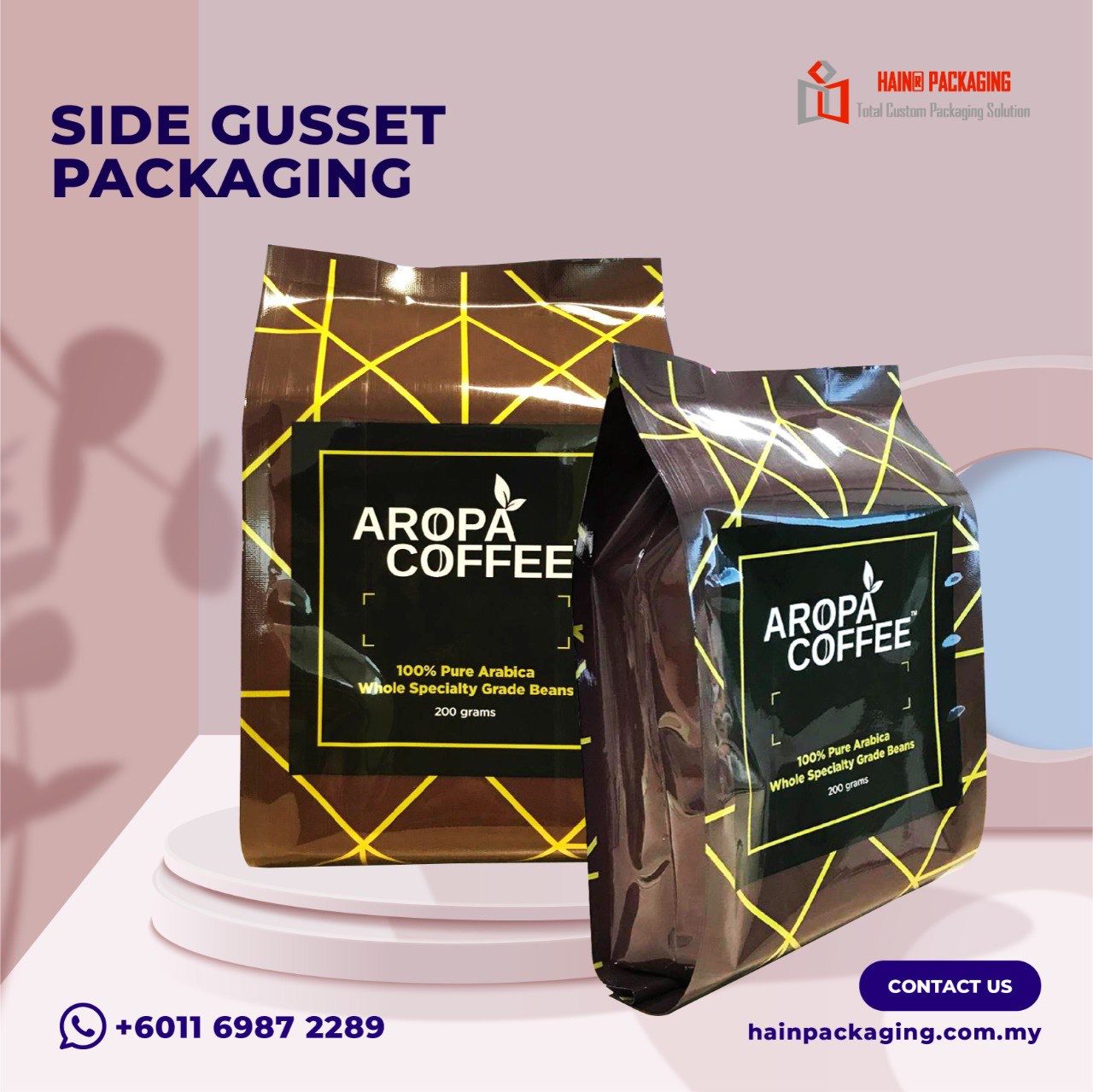
- Coffee packaging with one-way degassing valves
- Retort pouches for shelf-stable ready meals
- Pharmaceutical strip packs
- Premium spice and seasoning packaging
- Condiment sachets
The trade-off? Aluminium is not transparent, cannot be microwaved, and complicates recycling (though aluminium layers can be reclaimed in specialised separation facilities).
6. EVOH — High-Barrier Without Aluminium
EVOH (Ethylene Vinyl Alcohol) is a co-polymer used as a transparent high-barrier layer in laminates. Its oxygen barrier approaches that of aluminium, but EVOH is moisture-sensitive — it performs best when sandwiched between moisture barrier layers like PE or PP.
Common EVOH laminate structures include PE/EVOH/PE for ketchup and sauce packaging, and PP/EVOH/PP for retort applications. EVOH is the go-to choice when you need a transparent window in your packaging without sacrificing shelf life.
7. Paper & Kraft — Sustainable and Customisable
Paper and kraft materials are experiencing a renaissance in packaging, driven by consumer preference for sustainable and natural-looking packaging. At HAIN® Packaging, we offer paper-based solutions for:
- Kraft paper bags — For dry goods, flour, sugar, and retail packaging with a natural aesthetic
- Paper laminate pouches — Paper laminated with PE or AL for moisture protection
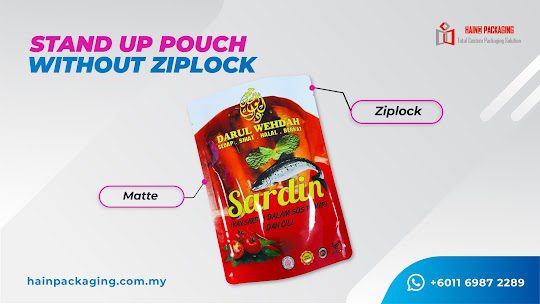
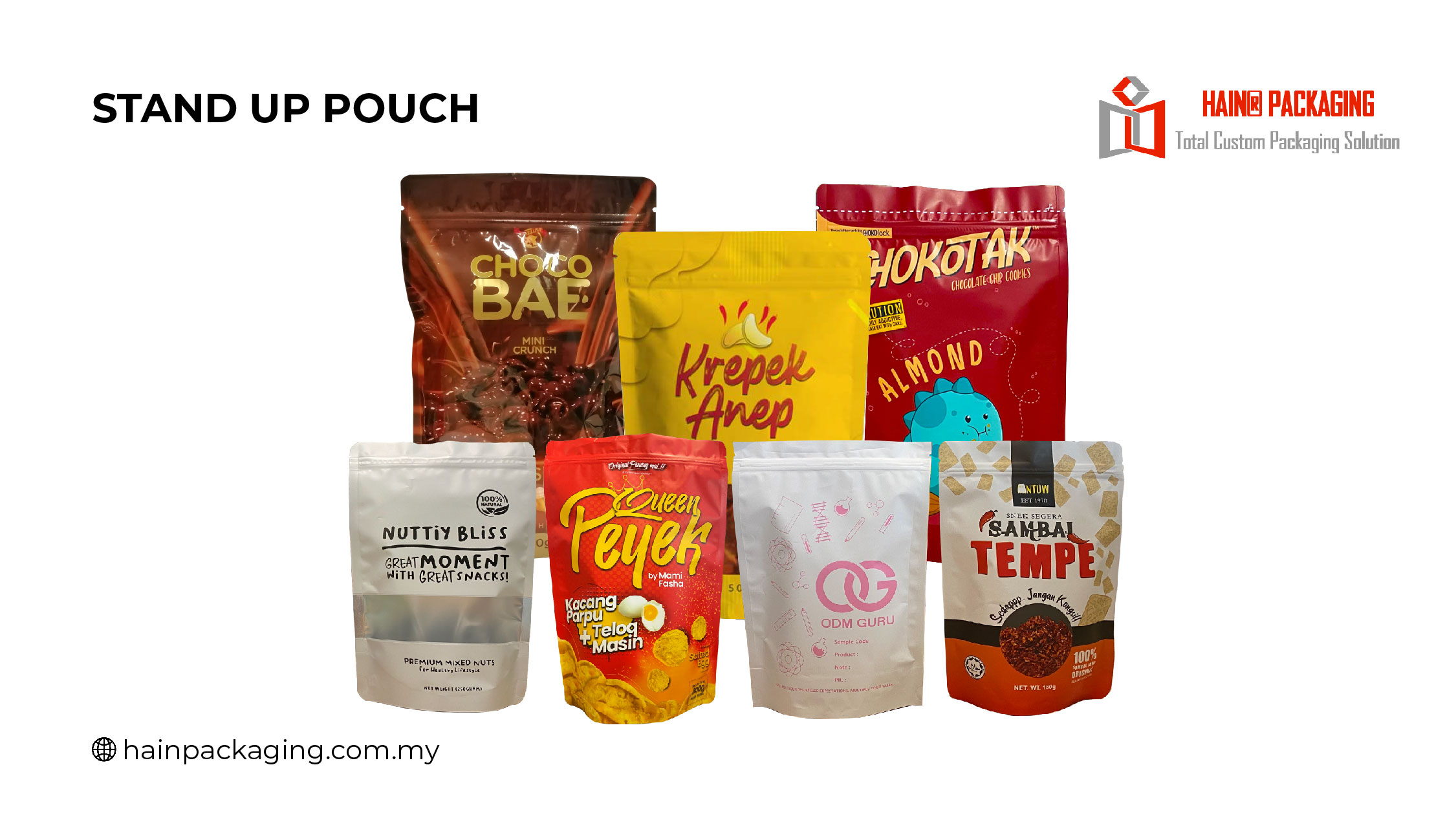
- Paper stand-up pouches — Renewable-material pouches with zip-lock resealability
- Unbleached kraft — For organic and eco-conscious brands
Paper packaging is not suitable for high-moisture or fatty foods without an internal barrier layer. For most food applications, a paper + PE or paper + AL laminate is required.
Check our recyclable stand-up pouch guide for sustainable packaging alternatives.
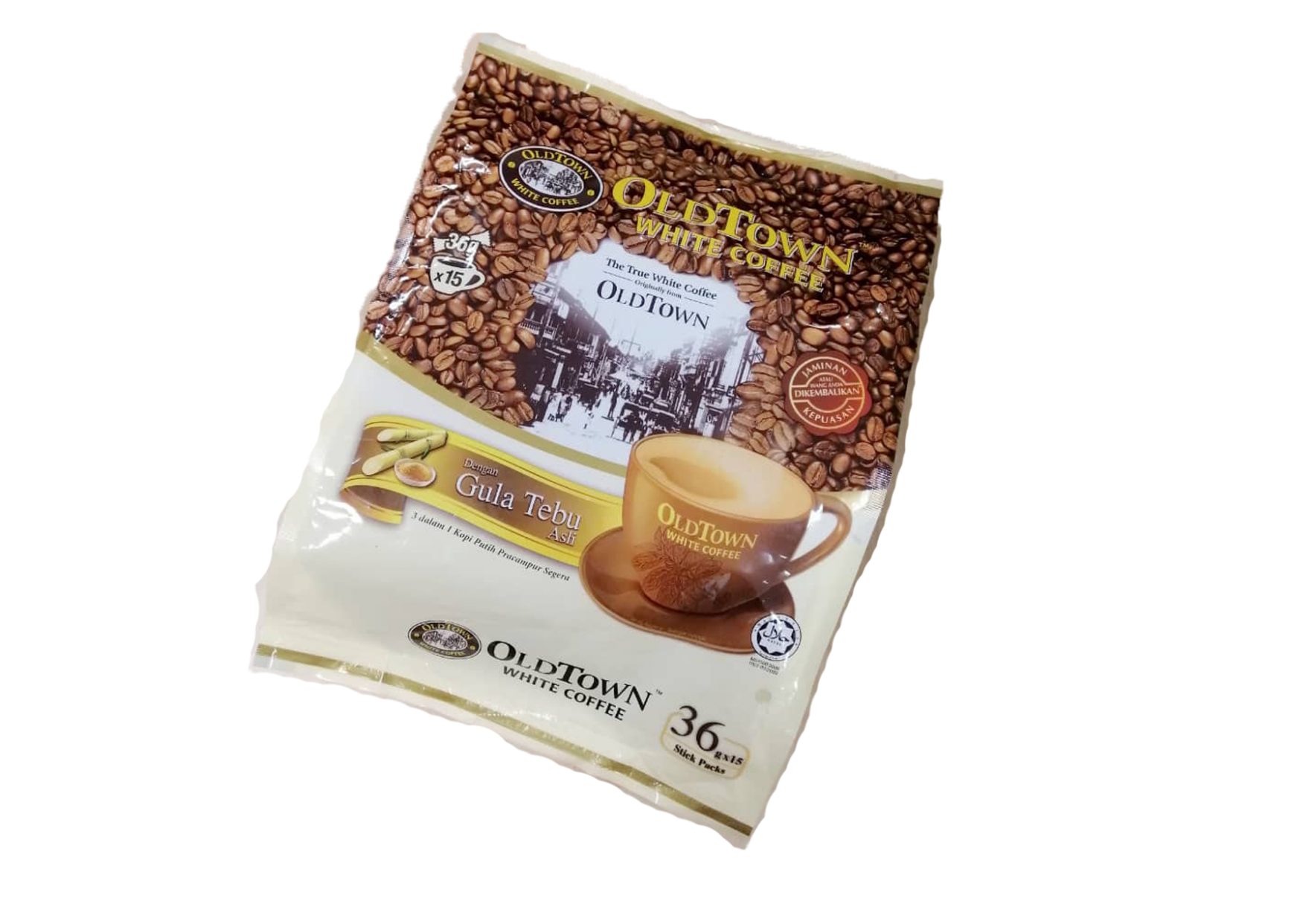
Complete Packaging Material Properties Table
This comparison table summarises the mechanical and barrier properties of every major packaging material:
| Material | Tensile (MPa) | Elongation (%) | OTR (cc/m²/day) | WVTR (g/m²/day) | Light Barrier | Relative Cost |
|---|---|---|---|---|---|---|
| LDPE | 10–20 | 200–600 | 4000–7000 | 15–20 | Semi-transparent | $ |
| HDPE | 20–30 | 100–500 | 1500–2000 | 8–12 | Opaque | $ |
| PP | 30–40 | 200–400 | 1500–2500 | 5–10 | Clear | $$ |
| OPP | 120–200 | 50–100 | 1500–2000 | 5–8 | Clear | $ |
| PET | 50–70 | 50–150 | 50–100 | 10–20 | Clear | $$ |
| NYLON (PA) | 70–100 | 30–100 | 30–50 | 200–300 | Clear | $$$ |
| EVOH | 40–60 | 200–400 | 0.5–5 | 50–100 | Clear | $$$ |
| AL (7µm) | 40–60 | 1–5 | <0.01 | <0.01 | 100% | $$$ |
| Kraft Paper | 30–50 | 2–10 | Very High | Very High | Opaque | $ |
OTR = Oxygen Transmission Rate | WVTR = Water Vapour Transmission Rate
Laminated Film Structures: How Materials Work Together
No single film provides all the properties a product needs. This is why professional food packaging uses laminated structures — combining 2 to 5 layers, each serving a specific function in the packaging system.
A typical laminate structure consists of four functional layers:
- Outer layer (PET or OPP) — High-quality print surface, abrasion resistance, and visual appeal. This is what your customer sees on the shelf.
- Barrier layer (AL, EVOH, or NYLON) — Blocks oxygen, moisture, and light. Determines how long your product stays fresh.
- Strength layer (NYLON) — Adds puncture and tear resistance. Critical for frozen foods and products with sharp edges.
- Seal layer (PE, PP, or CPP) — Heat-sealable inner surface that makes direct contact with food. Must be food-grade certified.
Common laminate structures and their applications:
| Structure | Total Thickness | Best for | Cost Index |
|---|---|---|---|
| OPP/PE | 60–80 µm | Biscuits, snacks, light dry goods | 1.0 |
| PET/PE | 70–90 µm | Dry food, coffee (short term), sachets | 1.2 |
| PET/AL/PE | 80–100 µm | Coffee, nuts, spices (long shelf life) | 1.8 |
| PET/NY/PE | 90–110 µm | Frozen food, meat, cheese | 1.5 |
| PET/AL/NY/PE | 100–120 µm | Retort pouches, premium coffee, pharma | 2.2 |
| NY/EVOH/PE | 85–110 µm | High-barrier clear packaging | 2.5 |
For a more detailed breakdown of laminate design, read our custom plastic packaging guide.
How to Choose the Right Packaging Material for Your Product
Follow this decision framework when selecting materials for your packaging:
- Identify shelf life requirement — Short-term (3–6 months): PET/PE. Long-term (12–24 months): PET/AL/PE.
- Assess product sensitivity — Oxygen-sensitive (coffee, spices, nuts): AL or EVOH barrier needed. Moisture-sensitive (powders, biscuits): PE or PP seal layer with AL barrier.
- Determine processing needs — Retort (121°C): PET/AL/NY/PP/CPP structure. Hot-fill: CPP or PP seal layer.
- Consider distribution environment — Frozen: NY/LDPE remains flexible. Tropical high-humidity: Extra moisture barrier required.
- Evaluate print and branding requirements — High-gloss rotogravure: PET or OPP outer layer. Matte natural look: Kraft paper or matte OPP.
- Budget accordingly — Balance material cost against product value and shelf life extension benefits.
Our packaging supplier guide offers additional comparison points when evaluating material options.
Frequently Asked Questions About Packaging Materials
What is the best packaging material for food products in Malaysia?
There is no single “best” material — it depends on your product. For dry snacks: OPP/PE. For coffee: PET/AL/PE with degassing valve. For frozen food: PET/NY/PE. For retort meals: PET/AL/NY/PP/CPP. Each product requires a tailored laminate structure.
What is the difference between HDPE and LDPE?
HDPE is stiff, strong, and opaque — used for shopping bags and courier bags. LDPE is soft, flexible, and transparent — used for food wrap and bread bags. HDPE has higher tensile strength but lower elongation.
Can packaging materials be recycled in Malaysia?
Yes. Mono-material PE structures (e.g., all-PE laminates) are more recyclable. Aluminium-containing laminates require specialised separation. HAIN® Packaging offers recyclable ziplock bag options for businesses prioritising sustainability.
What material is best for coffee packaging in Malaysia?
PET/AL/PE with a one-way degassing valve provides the best shelf life for coffee. The aluminium foil barrier maintains freshness for 12–24 months, while the valve releases CO₂ without letting oxygen in.
Is paper packaging better than plastic for the environment?
Paper has advantages in biodegradability but requires more energy to produce and often includes a plastic barrier layer for food contact. The best choice depends on your product, disposal infrastructure, and brand values.
Does HAIN® Packaging offer custom packaging materials?
Yes. As a SIRIM-certified manufacturer, we produce custom laminated structures tailored to your product requirements. Contact us for a free consultation.
Ready to Order Your Custom Packaging Materials from HAIN® Packaging?
Choosing the right packaging material doesn’t have to be complicated. With this packaging materials guide Malaysia, you now have the knowledge to make informed decisions about PE, PP, PET, NYLON, aluminium foil, EVOH, paper, and kraft materials.
At HAIN® Packaging, we manufacture custom packaging materials for businesses across Malaysia — from F&B brands to pharmaceutical companies. Our SIRIM-certified facility produces laminated films, stand-up pouches, ziplock bags, and more. For businesses exploring packaging materials guide malaysia, finding the right packaging partner is essential.
Contact us today:
Visit hainpackaging.com.my to explore our full range of custom packaging materials and submit your enquiry. For businesses exploring packaging materials guide malaysia, finding the right packaging partner is essential.
You can also find us on Facebook, Instagram, and Telegram.

HAIN® Packaging
No. B-6-3A, Streetmall, One South, Jalan OS, Taman Serdang Perdana, Section 6 Seri Kembangan, 43300 Selangor Darul Ehsan
Phone: +60 11-6987 2289
Email: [email protected]