Vacuum Skin Packaging: Read It Part by Part, Not as One Product
October 23, 2026
"We printed five thousand, and the zipper peeled off by the third week." "Was it the zipper?" "Turns out it was the fat in the kibble."
That exchange came from a call with a pet food brand in Johor Bahru, and it is a fair summary of how most cat food pouch projects go wrong. Nothing about the pouch was obviously defective. The structure simply had not been chosen around the one ingredient that does the damage.
Work through this cat food pouch checklist in order. Each field constrains the next — and a cat food pouch specified out of sequence tends to fail at the closure first.
The Pre-Production Checklist for a Cat Food Pouch
Before any artwork is approved, eleven fields need a value. Leave one blank and it gets filled for you — usually by whoever is cheapest that week.
| # | Field | Why it matters |
|---|---|---|
| 1 | Fat content of the product | Drives adhesive and sealant choice |
| 2 | Target shelf life | Drives barrier level |
| 3 | Fill weight and pack size | Drives gusset and base style |
| 4 | Closure type | Drives consumer reuse and reclose performance |
| 5 | Barrier structure | Drives oxidation and rancidity |
| 6 | Print method and colours | Drives MOQ and unit cost |
| 7 | Surface finish | Matte scuffs differently from gloss |
| 8 | Hang hole or euro slot | Drives retail presentation |
| 9 | Tear notch position | First-open experience |
| 10 | Lot coding area | Traceability |
| 11 | Label content | Feed labelling rules |
Items 1 to 5 are the ones that cause the expensive mistakes. Items 6 to 11 are the ones that cause the annoying ones.
See our cat food packaging manufacturing options →
Checklist Part 1: What a Cat Food Pouch Has to Survive
Two properties decide whether the pack survives its own contents.
Fat resistance. Kibble is coated in fat, and fat migrates. Over weeks it moves into the sealant layer and into the adhesive between layers, which is how a closure that tested fine in week one peels in week three. Tell your supplier the fat percentage of the finished product, not the recipe — the coating goes on after extrusion and is usually higher.
Oxygen and moisture barrier. Oxidation turns fat rancid, and rancidity is the smell customers notice when they open the pack. A structure with a foil or metallised layer blocks both light and oxygen. A clear structure will not, and choosing a clear window for shelf appeal means accepting a shorter window before the aroma changes.
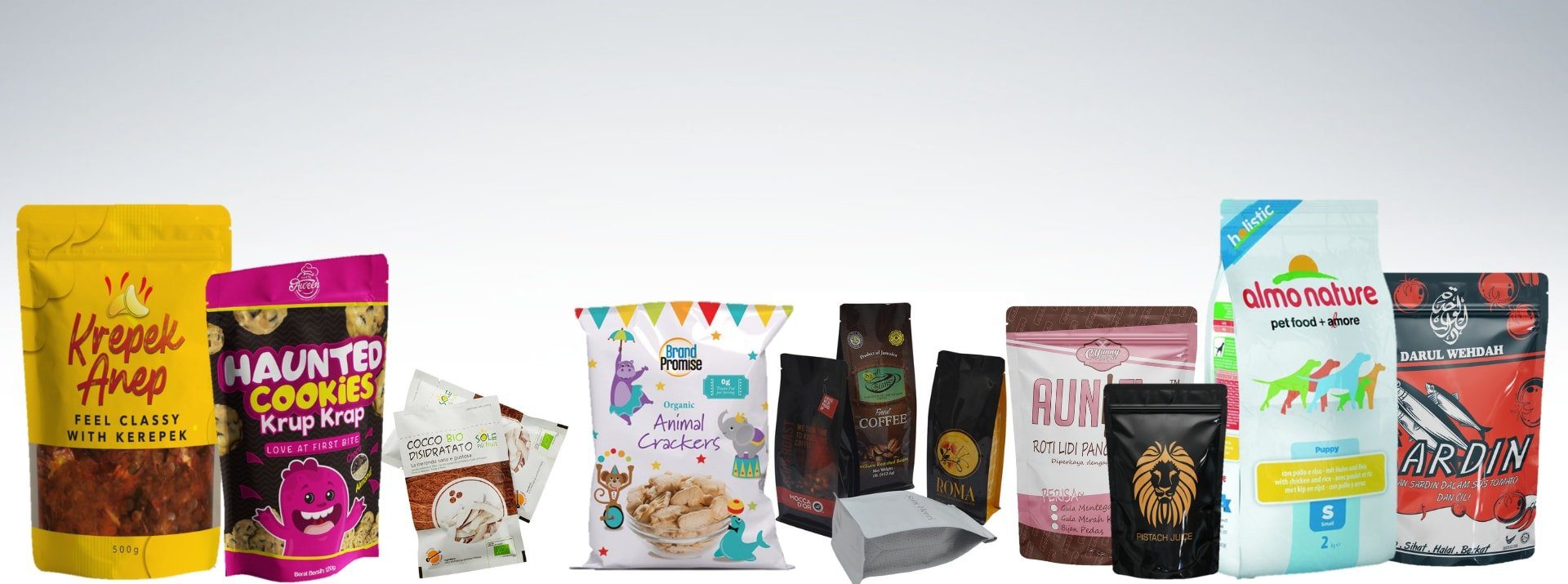
Pack size interacts with barrier too. A large bag opened daily lets in fresh oxygen every time it is opened, so the barrier only does part of the work and the closure does the rest. A small single-portion cat food pouch is never re-opened, so the barrier carries the whole load and matters far more.
The trade is genuinely a trade. A window sells more packs off the shelf; a barrier keeps the product honest for longer. A cat food pouch can have one or the other as the priority, rarely both at the same price point. Where shelf life is the deciding factor, Long Shelf Life & Barrier Packaging sets out the structures in more detail.
Checklist Part 2: Closure and Reuse
The closure is where the Johor Bahru brand lost five thousand packs, so it deserves its own section.
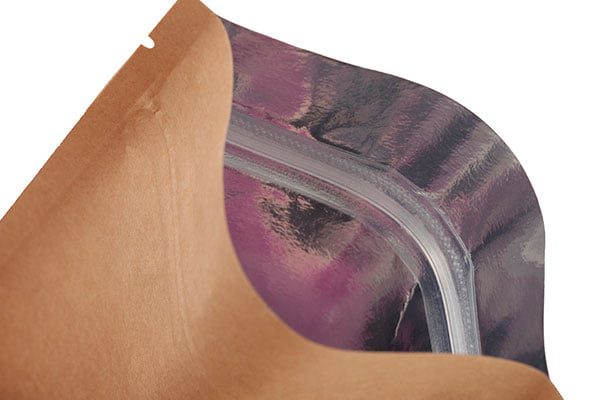
- Press-to-close zipper. Cheapest, widely understood, and adequate for smaller packs opened daily. Weaker against fat migration over long periods.
- Slider zipper. Easier for the consumer, more parts to fail, higher unit cost.
- Tin tie. Traditional for larger bags. Fine where the pack is finished quickly.
- No closure, tear-open only. Acceptable for single-serve or short-turn packs. Not acceptable for a 5kg bag most owners take months to finish.
Test the closure against the product, not against air. A closure trial run on an empty pouch tells you nothing about what fat does to it six weeks later. The cheapest reliable test is also the slowest: fill twenty packs, leave them on a shelf at ambient temperature, and open one a week.
There is a second reason to test this way. Cat owners open the pack several times a day, every day, for months. That cycle — pull, press, pull, press — is what the closure actually has to survive, and no datasheet simulates it well. A cat food pouch that passes a laboratory peel test can still fail that routine.
Checklist Part 3: Format, Gusset and Shelf Presence
Format is the part buyers think they have already decided, and it is worth revisiting.
Flat bottom stands upright, stacks well, and gives four printable panels. It costs more per unit and takes more material. Side gusset is cheaper and familiar, but it does not stand as confidently when the pack is half empty. Stand-up with a Doyen base sits between the two and suits mid-size formats where shelf presence matters but volume is high.
Size drives the choice more than anything. Below roughly 500g, shelf presence comes from the print, not the base. Above 2kg, the pack has to stand, because a bag lying flat on a shelf does not get picked up.
One more field belongs here, and it is the one most often decided too late: where the pack will be sold. A cat food pouch headed for a veterinary clinic shelf competes on trust signals and needs room for a feeding table. The same pouch headed for a supermarket aisle competes on colour at two metres and needs a strong top panel. Different briefs, different printable area, and retrofitting one into the other after printing is expensive.
Print method follows from the same decision. Gravure suits long runs with photographic imagery; flexographic suits shorter runs and flatter artwork. Custom Doypack Pouch Printing: Rotogravure vs Flexographic walks through that comparison properly.
Checklist Part 4: Labelling, Licensing and Feed Rules
Pet food is animal feed under Malaysian law, and that puts it under the Department of Veterinary Services, not under general food labelling alone. DVS publishes the animal feed licensing page, which lists the Act and the subsidiary regulations covering manufacture and sale, import, and labelling of animal feed.
Practically, that means three things for the pack:
- The label content is prescribed, so the printable panel has to carry it legibly — check the field list before you fix the panel size.
- Manufacturing and sale sit under licensing, so the pack has to carry whatever identification the licence requires.
- A lot code has to survive handling. Print it where it will not be abraded, and make sure the coding method adheres to the finish you chose.
Finish matters more than buyers expect. A matte varnish looks premium and scuffs in transit; a gloss finish survives the journey and shows fingerprints. Decide which of those two you can live with.
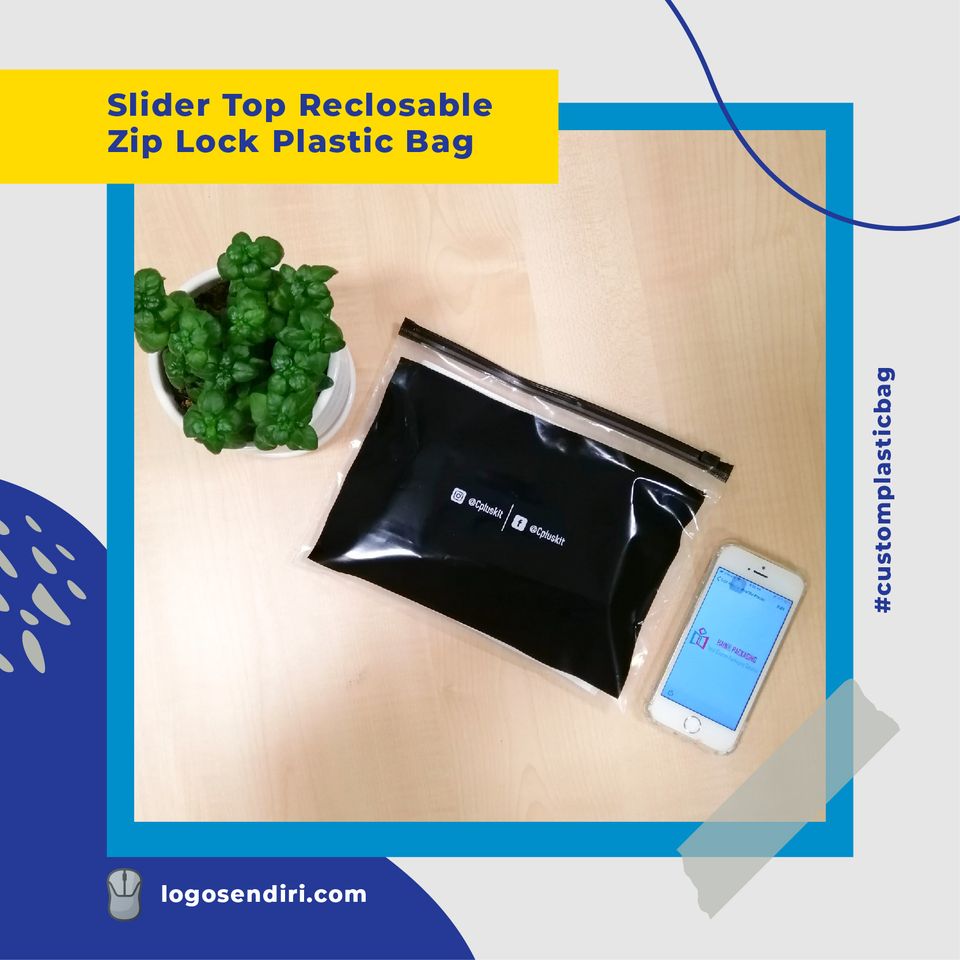
One more link worth having open while you specify: Packaging MOQ: What It Is and Why It Matters if print method and quantity are still unsettled.
Lead time depends on specification, print method and order quantity — confirm with our sales team before ordering.
Conclusion
Work the eleven fields in order and a cat food pouch is straightforward. One boundary worth stating: this checklist assumes dry product. High-moisture wet food is a different problem entirely — it needs sterilisation or a chilled chain, and a zippered pouch is the wrong starting point. For dry and semi-moist, it holds.