Plastic Bag Supplier Melaka: Quality Supply for F&B & Retail
September 29, 2026
White Label Packaging Malaysia: Launch Your Brand in 7 Steps
September 30, 2026
Every packaging decision starts with a number: the minimum order quantity. For Malaysian startups and small brands, that number decides whether a product idea becomes a shelf-ready reality or dies in a quotation email. Low minimum order packaging Malaysia is not a discount category — it is an entry strategy that lets you test products, refine designs, and enter retail without betting your cash flow on a single large run. This guide explains which formats support low volumes, how digital printing changed the economics, and how to build a test-then-scale rhythm that keeps risk low and options open.
Low Minimum Order Packaging Malaysia: Why It Matters for SMEs
Most packaging factories quote a minimum order quantity that assumes you are a mid-size brand with warehouse space and cash flow to match. For a Malaysian startup selling sambal on Shopee, or a boutique coffee roaster testing a new blend, that assumption is the single biggest barrier to entry. Low minimum order packaging Malaysia solves this by letting you buy 500 to 5,000 units instead of 50,000, which means you can test a product, validate packaging design, and enter retail without tying up capital in boxes of stock you cannot sell yet.
The trade-off is real: per-unit cost is higher at low volume, and not every format can be printed at small MOQs. The practical question is not “which factory offers the lowest number” but “what is the lowest volume at which the format, print quality, and price still make sense for my business model.” This guide walks through the decision from that angle.
Which Packaging Formats Support Low MOQs
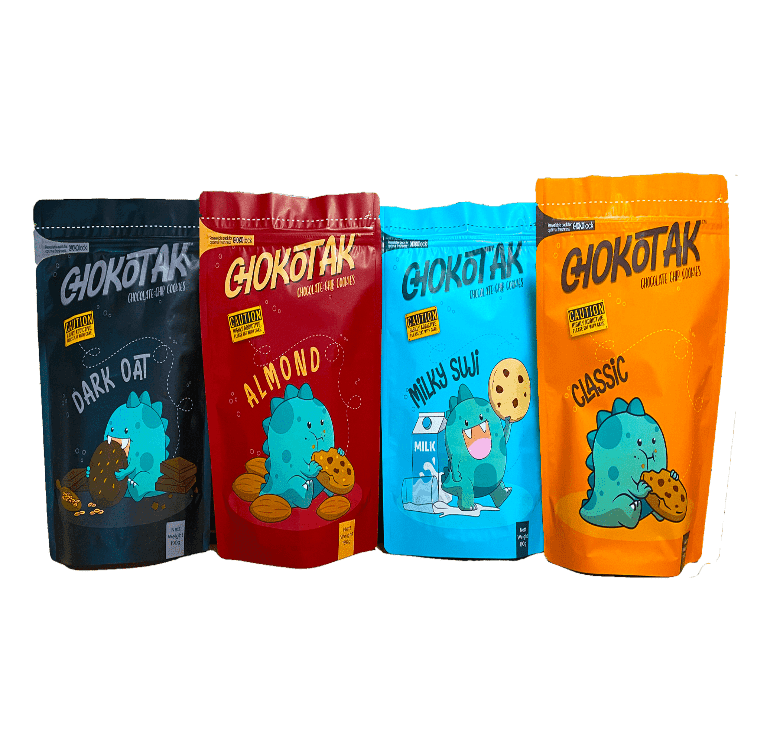
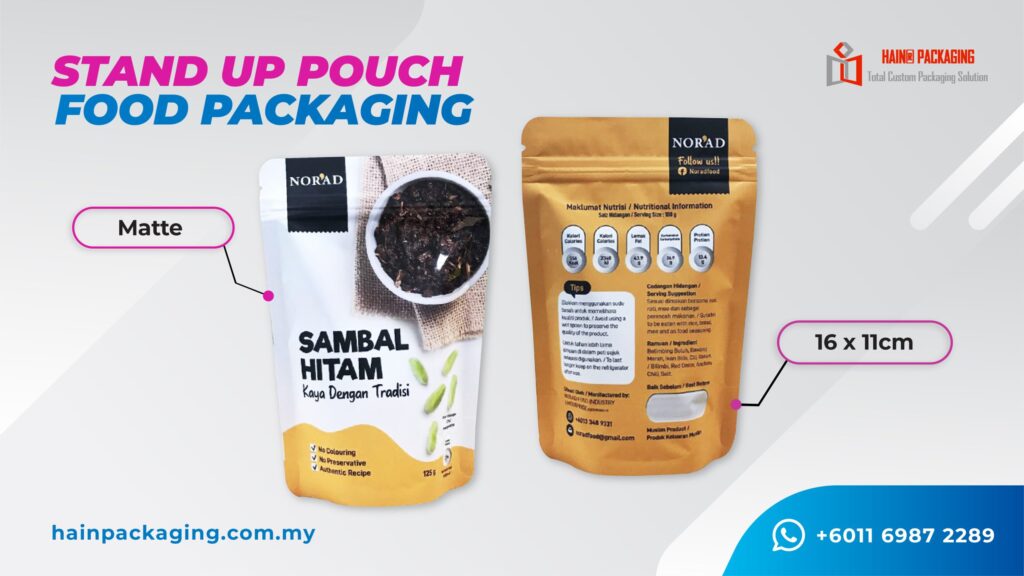
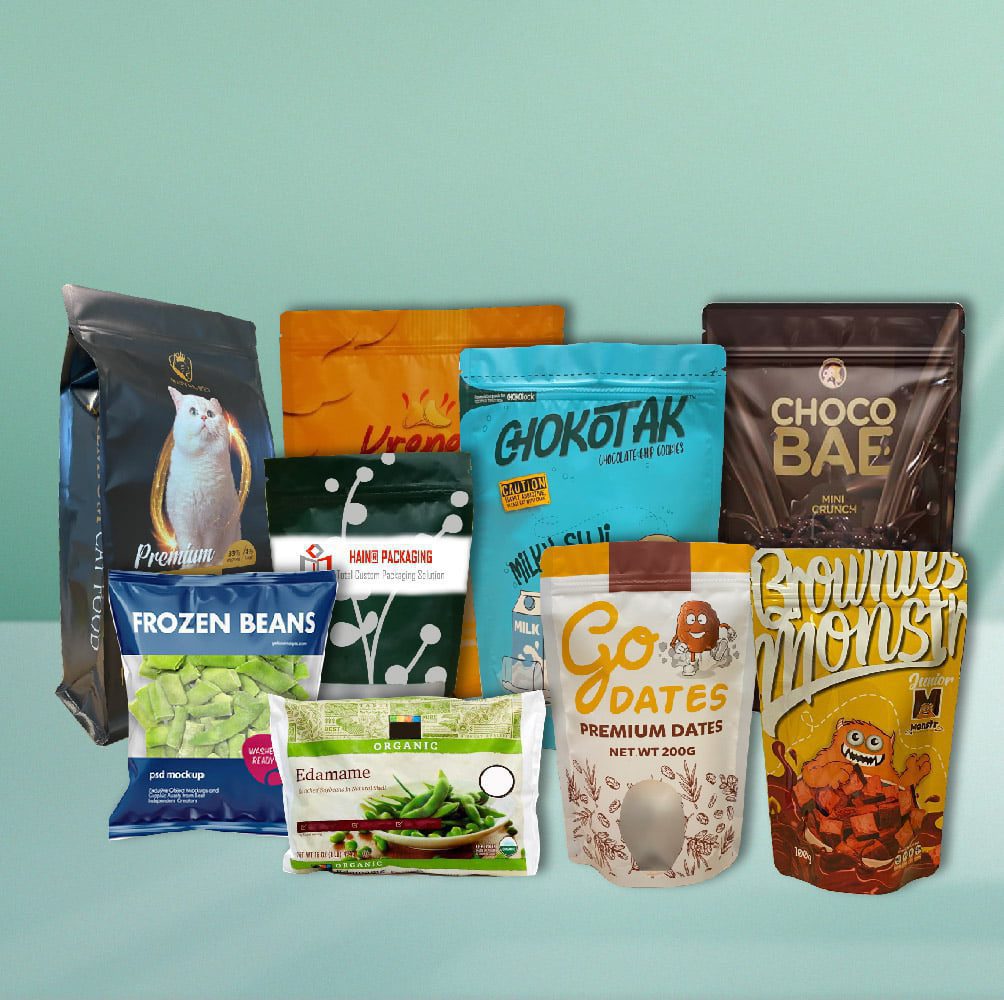
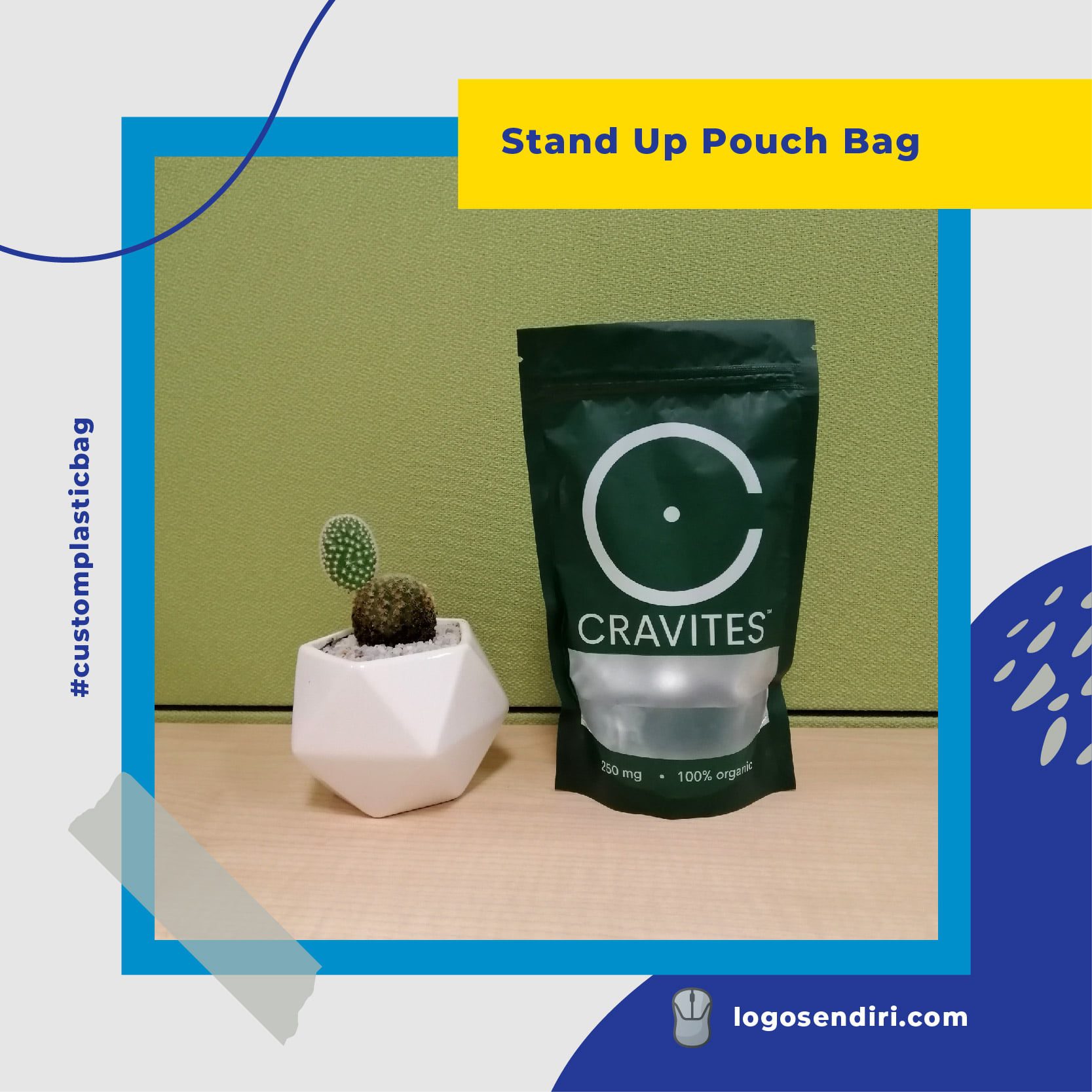
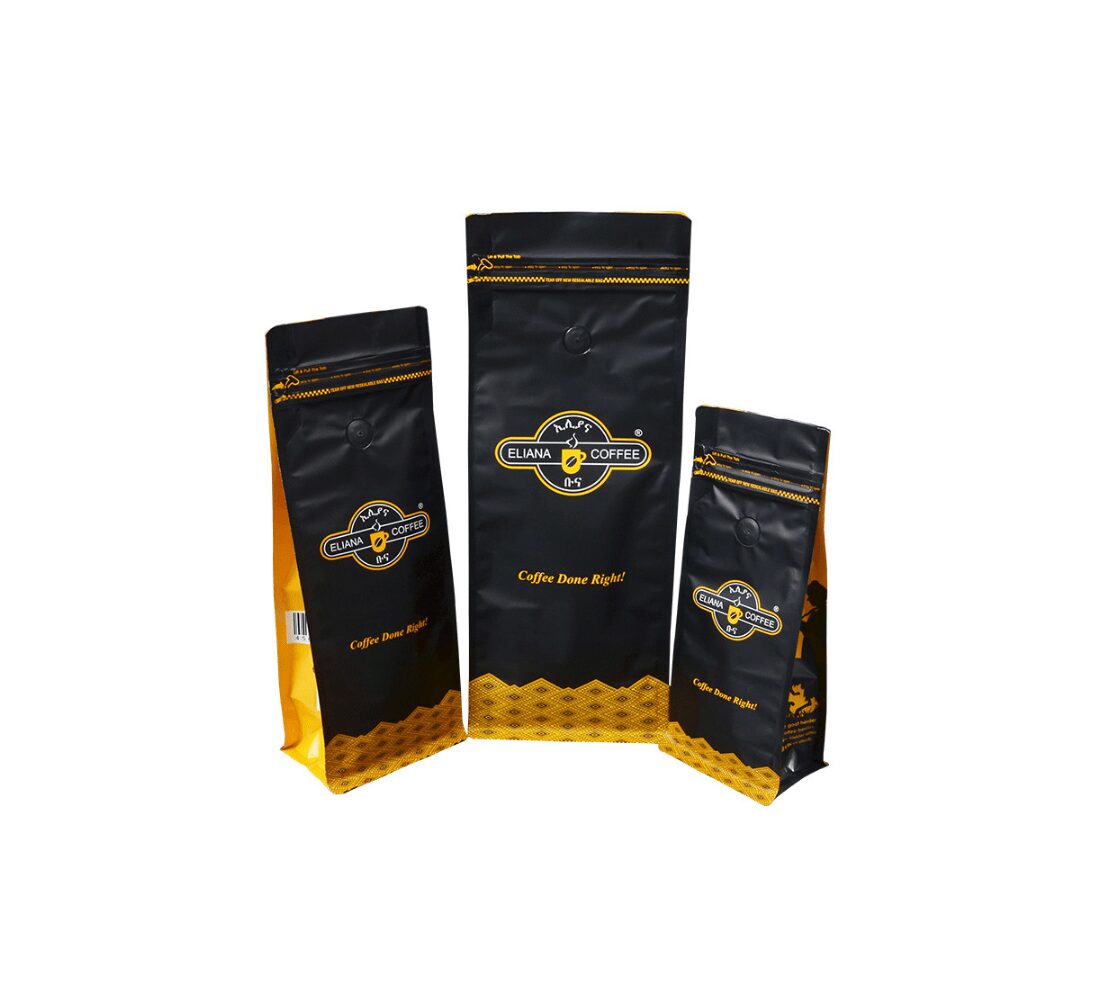
Flexible packaging is where low MOQs are most realistic, because the production setup cost is shared differently than with rigid formats. Plain, unprinted stand-up pouches and ziplock bags are usually available from stock in quantities as low as 100 pieces, because the factory runs these continuously. The moment custom printing enters the picture, the MOQ rises to cover plate, ink, and setup time.
Printed formats at low MOQ (typically 500–3,000 pcs):
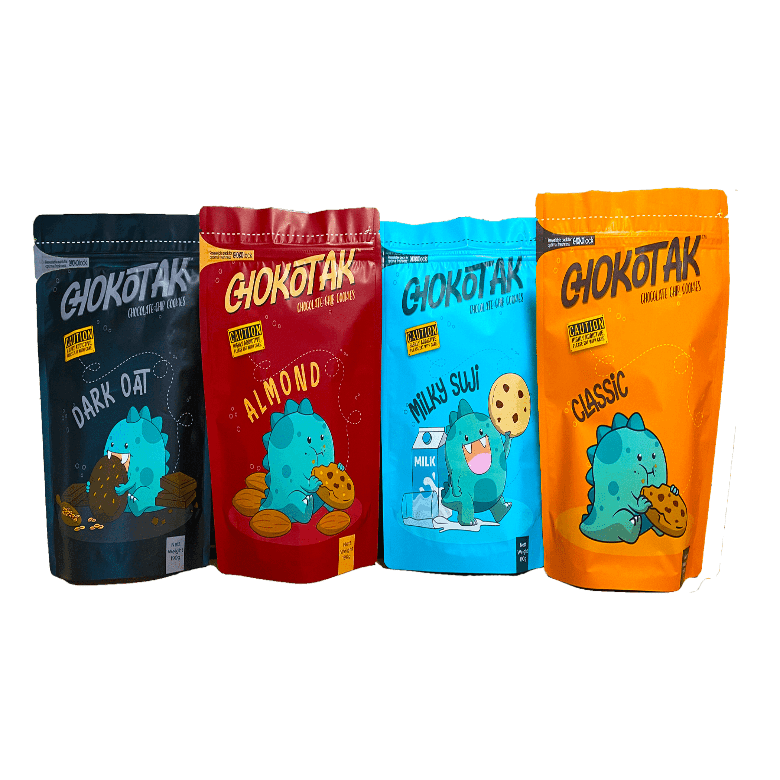
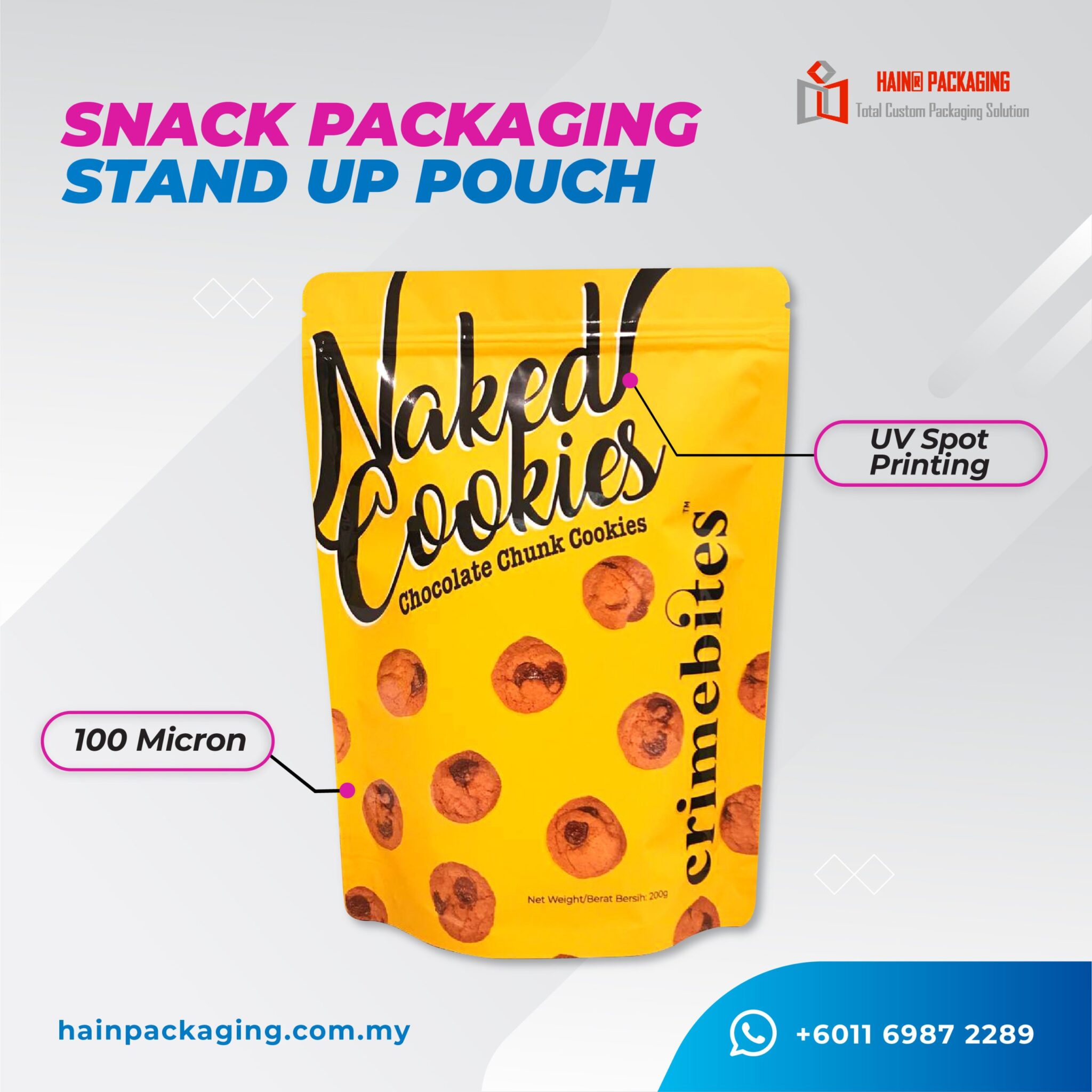
- Digital-printed stand-up pouches — the most flexible option; no plate cost, ideal for test batches and short-run branding.
- Ziplock bags with a printed header — a cheaper print area than full-body printing, keeping the MOQ lower.
- Stick packs and sachets — small formats, fast print runs, suitable for sample packs and trial sizes.
- Flat pouches — minimal material, quick turnaround, a good entry point before upgrading to stand-up.
If your product needs a high-barrier structure — aluminium foil or EVOH — the material cost per unit is higher, but the MOQ itself does not automatically jump; it depends on the film supplier’s stock position. Asking for a foil structure at 1,000 pieces is often possible, it just costs more per pouch.
How Digital Printing Lowers the Entry Point
The reason low minimum order packaging has become dramatically more accessible in the last few years is digital printing. Traditional rotogravure printing requires engraved cylinders, which cost thousands of ringgit and only make sense at high volume. Digital printing lays ink directly from a digital file, so there is no plate cost and no minimum run imposed by tooling.
For a Malaysian brand this changes the launch economics completely. You can print 500 pouches with your logo, sell through them, gather feedback, refine the design, and print the next batch with the improved artwork — without writing off an expensive plate. The per-unit cost is higher than gravure at volume, but the total cash outlay for the first batch is far lower.
Comparing MOQ Scenarios: Stock, Digital Print, and Gravure
| Scenario | Typical MOQ | Per-unit cost | Best for |
|---|---|---|---|
| Plain stock pouches / ziplock | 100–1,000 pcs | Lowest | Testing, samples, cash-flow first |
| Digital-printed custom pouch | 500–3,000 pcs | Medium | New brands, test batches, short runs |
| Rotogravure custom printing | 10,000+ pcs | Lowest at scale | Established lines, retail distribution |
This ladder is the key insight: you do not have to choose once and commit forever. You can start at the stock tier, move to digital printing for a branded test, and graduate to gravure when volume justifies it. The supplier you want is one that supports all three tiers rather than forcing you into a single model.
What to Check Before Placing a Low-Volume Order
Low MOQ does not mean low quality, but it does mean you should verify a few things that matter more at small scale:
- Ask for a sample cut from actual stock, not a hand-made mock-up. A sample made specially can flatter a production run that never matches it.
- Confirm the film structure matches your product. Moisture-sensitive snacks need a barrier; oil-heavy products need seal strength. At 1,000 pieces a bad structure is a small loss, but it teaches you nothing if it is the wrong structure.
- Check the re-order price ladder. The price at 1,000 pieces is less important than the price at 5,000 and 20,000, because you want to know what your next tier saves you.
- Verify the lead time. Low-volume orders sometimes wait for the factory to batch them with a bigger run; ask for the realistic turnaround, not the optimistic one. For quality reference points used across Malaysian industries, see the SIRIM website.
A low MOQ is only useful if the supplier delivers consistently at that volume. Two consecutive on-time deliveries at 1,000 pieces are a better signal than any brochure, and they tell you whether scaling to 10,000 will be smooth or chaotic.
Building a Test-Then-Scale Packaging Strategy
The smart way to use low MOQs is to treat them as a test-then-scale loop rather than a permanent limitation. Start with a small batch to validate three things in the real market: does the pouch survive your packing line, does the print match your brand on film, and does the product stay fresh for the shelf life you promised? Fix issues at small scale, then step up the ladder.
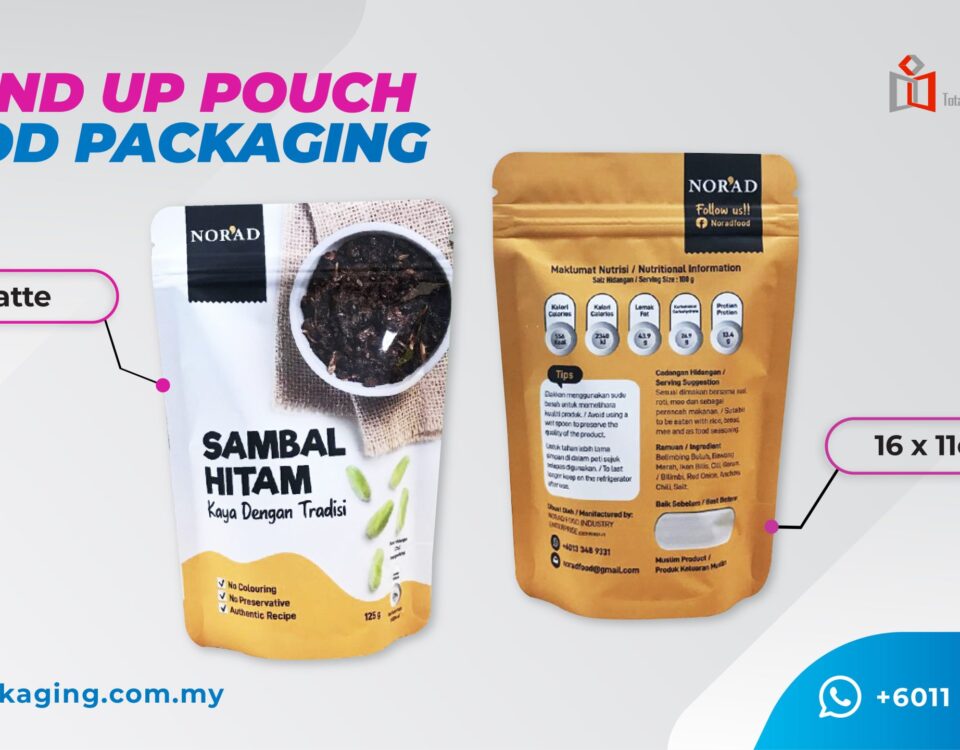
For example, a sambal producer might order 500 digital-printed stand-up pouches for a market test, measure sell-through and seal performance over two months, then move to 5,000 with an improved structure and a colour proof locked for future re-orders. Each step uses real data instead of guesswork, and the total cash at risk stays manageable.
The same logic applies to packaging format exploration. Before committing to a full stand-up pouch range, test a mix of flat pouches and stand-up formats at low volume across your SKUs. The sales data — not a packaging brochure — tells you which format earns its place in your portfolio. Brands that skip this step often discover their best-selling SKU is in the wrong format, and the correction costs a full redesign.
Working With a Supplier Who Supports Small Volumes
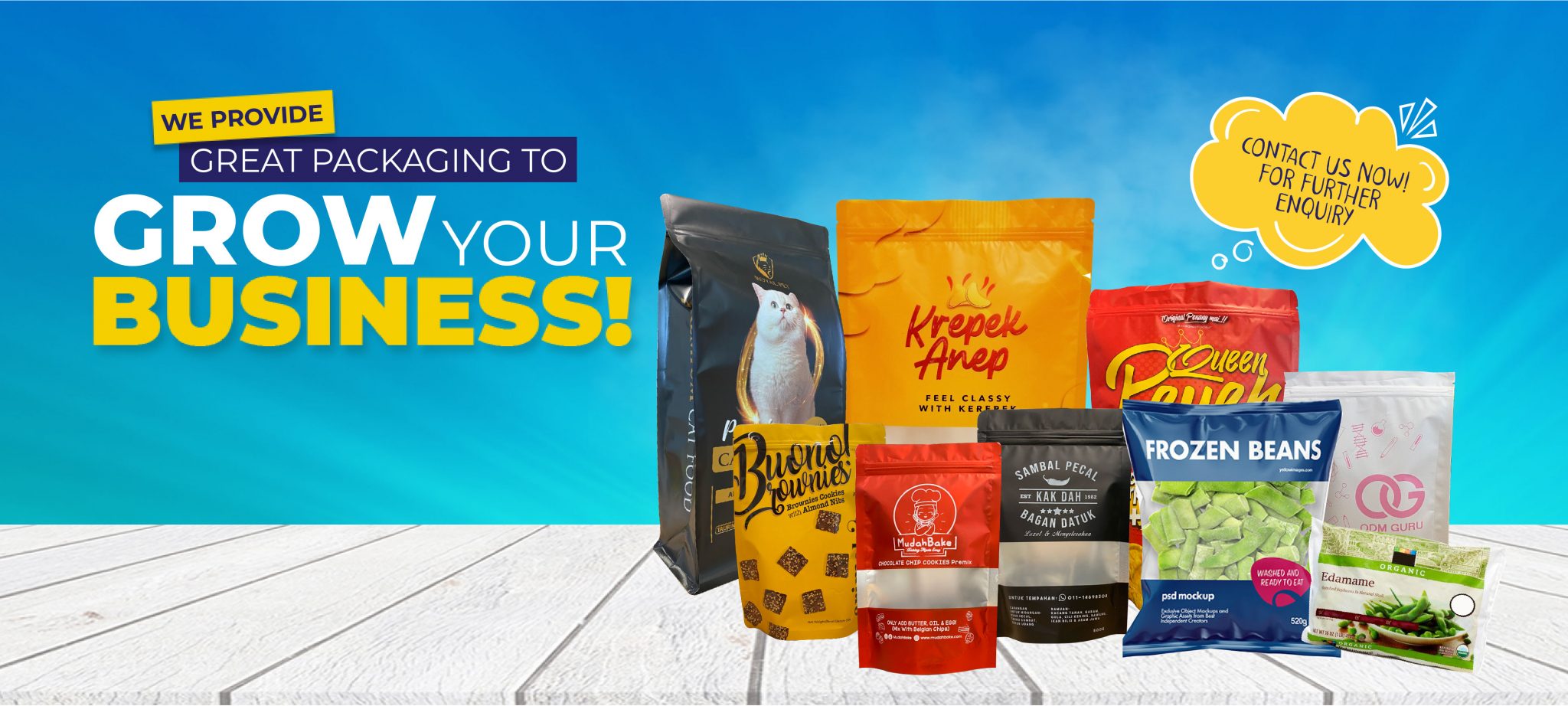
Not every factory welcomes a 500-piece order. The right partner for a small brand is one whose pricing, process, and quality controls are designed to serve small runs as a legitimate tier — not as a favour. Ask how the factory handles artwork at low volume, whether a colour proof is included, and what the minimum for a re-order is. A supplier who treats 1,000 pieces as a normal order will support your growth without changing character as you scale.
For a practical reference on how flexible packaging pricing and MOQs work across tiers, our flexible packaging MOQ and pricing guide breaks down the cost structure. For the wider supplier landscape, see our Malaysia packaging supplier guide.
Low Minimum Order Packaging Malaysia: FAQ
What is the lowest MOQ for custom printed pouches in Malaysia? Digital printing typically supports 500–1,000 pieces; gravure printing starts around 10,000. Plain stock formats can be ordered in the low hundreds.
Is low MOQ packaging more expensive? Per unit, yes — setup and material costs are spread over fewer pieces. Total cash outlay is lower, which is what matters for new brands.
Can I get food-grade material at low MOQ? Yes. Food-contact film, compliance documentation, and low volumes are not mutually exclusive; verify the material certification with your supplier.
How long does a low-volume custom order take? Typically 14–21 working days after artwork approval, similar to larger runs, because the film and printing setup dominate the timeline.
Can I re-order the same low-MOQ artwork at a higher tier later? Yes, and the per-unit price falls at each tier; the retained colour proof keeps the print identical as you scale.
Ready to test your packaging at a volume that fits your cash flow? Reach out to HAIN® Packaging via WhatsApp for a low-MOQ quotation. For the full product range, see the brand site.