Specialty Packaging Malaysia: Pet, Agriculture & Cosmetics Guide
May 22, 2026
Die Cut Handle Bag Malaysia: Complete Shopping Bag Guide
May 22, 2026
Why Industry-Specific Packaging Matters
In Malaysia’s diverse economy, packaging is not a one-size-fits-all solution. If you are exploring industry-specific packaging malaysia, this guide covers everything you need to know. Each industry — from pet food manufacturing to pharmaceutical distribution — has unique requirements for material composition, barrier performance, regulatory compliance, and branding aesthetics. Choosing the wrong packaging format can lead to product spoilage, regulatory fines, brand damage, and lost sales.
This complete guide explores every major niche vertical in the Malaysian packaging landscape. Whether you’re launching a premium skincare line, distributing certified seeds, or shipping industrial components, understanding your industry’s specific packaging requirements is the first step toward product success. We’ll cover material science, regulatory frameworks, cost considerations, and best practices for each vertical. For businesses exploring industry-specific packaging malaysia, finding the right packaging partner makes all the difference.
Industry-Specific Packaging Malaysia — The Malaysian packaging market is projected to grow at a CAGR of 3.86% through 2031, reaching an estimated value of RM 8.5 billion (Mordor Intelligence). At HAIN® Packaging Industry Niches, we manufacture custom solutions for every vertical, backed by SIRIM certification, food-grade compliance, and over a decade of serving Malaysian manufacturers.
Industry-Specific Packaging Malaysia — With more than 10 years in the Malaysian packaging industry, HAIN has developed deep expertise across multiple verticals. We’ve supplied packaging for pet food brands in Johor, seed distributors in Perak, cosmetics manufacturers in Selangor, and industrial exporters shipping globally. This cross-industry experience allows us to apply best practices from one sector to solve challenges in another.
Pet Food Packaging: Complete Standards Guide
Malaysia’s pet food sector exceeds RM 800 million and grows at 12% annually, driven by rising pet ownership, humanisation of pets, and premiumisation trends. Pet owners increasingly demand nutritious, high-quality food — and the packaging must protect that quality from the manufacturing plant to the pet’s bowl.
Pet food packaging faces challenges that go beyond standard food packaging. The high fat content in pet food accelerates film degradation, sharp kibble edges puncture thin materials, and the strong odour must be contained to prevent cross-contamination in storage and retail environments.
Dry Kibble Requirements
Dry pet food is hygroscopic — it actively absorbs moisture from the air, leading to mould growth, nutrient degradation, and loss of crunchiness that pets (and their owners) expect.
| Requirement | Specification | Why It Matters |
|---|---|---|
| Moisture barrier (WVTR) | < 1 g/m²/day | Prevents mould and maintains kibble crunchiness |
| Oxygen barrier (OTR) | < 5 cc/m²/day | Prevents fat oxidation leading to rancidity |
| Puncture resistance | > 50N | Sharp kibble edges stress and penetrate film layers |
| Fat/oil resistance | 24h+ oil holdout | Animal-based fats degrade standard PE over weeks |
| Odour containment | Low odour permeability | Prevents cross-contamination in retail storage |
| Resealability | 10,000+ zipper cycles | Multi-serve packages require reliable resealing |
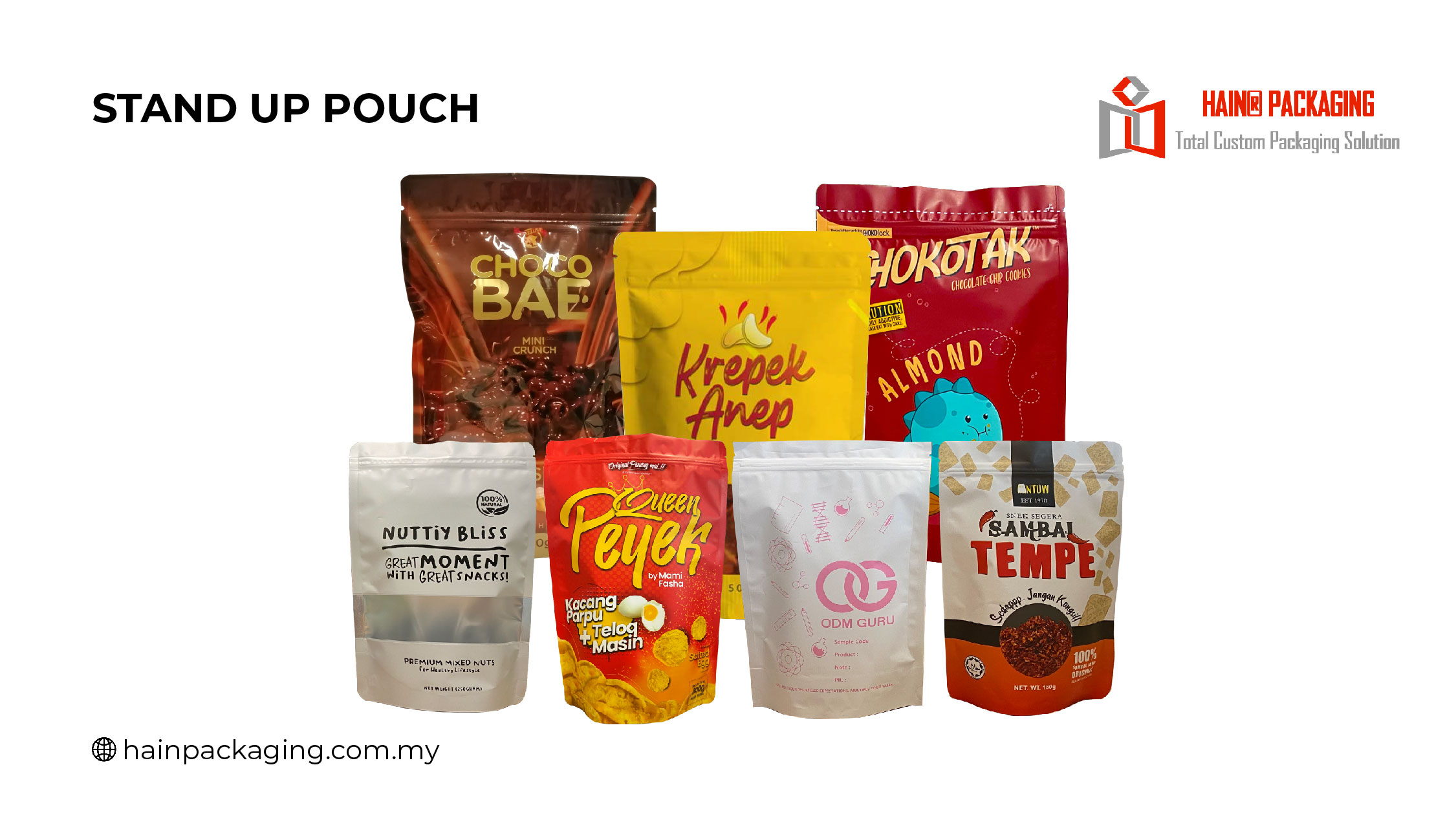
Best Structure: PET/AL/NY/PE (stand up pouch with zipper) — 110–120 microns. The aluminium layer provides complete barrier against light and oxygen. The nylon layer adds the puncture resistance critical for kibble packaging. For budget-conscious brands, a PET/MPET/PE structure offers good protection at 20–30% lower material cost, suitable for products with 6–9 month shelf life targets.
Wet Food & Retort Requirements
Wet pet food undergoes retort sterilisation — a high-temperature, high-pressure process that kills all microorganisms to achieve shelf stability without refrigeration. This places extreme demands on the packaging:
- Retort capability: Withstands 121°C at 15–20 PSI for 30–60 minute cycles without delamination or seal failure
- Corrosion resistance: Acidic formulations (pH 4.5–6.5) require corrosion-resistant inner layers to prevent metal leaching and off-flavours
- Easy-open feature: Peelable seal that opens cleanly without tearing, tested for consumer convenience
- Single-serve: Portion-controlled 85g–200g formats matching typical serving sizes
- Abrasion resistance: Packaging must survive retort basket loading without surface damage
Best Structure: PET/NY/RCPP — 130–160 microns, retort-grade lamination. RCPP (Retort Cast Polypropylene) provides the heat resistance and chemical inertness needed for retort processing.
Agriculture & Fertiliser Packaging Solutions

Agriculture contributes 8% of Malaysia’s GDP and employs over 1.5 million people. From seed distributors supporting palm oil plantations to fertiliser manufacturers supplying padi farmers, this sector demands robust, regulatory-compliant packaging that can withstand the rigours of farm-to-field logistics.
Seed Packaging: A Biological Imperative
Seeds are living biological products. Each seed contains an embryo, stored energy reserves, and a protective seed coat — all dependent on proper moisture conditions for viability. Improper packaging can destroy an entire season’s seed stock within weeks, representing significant financial loss for distributors and farmers alike.
Critical requirements include moisture control (WVTR < 0.5 g/m²/day), UV protection with aluminium foil layer or white pigmented film, oxygen barrier to prevent oxidation and discourage pest infestation, and tamper-evident seals for certified and hybrid seed varieties where seed purity is legally protected.
Recommended Formats by Volume:
• 500g–2kg: Stand up pouch with foil laminate (PET/AL/PE) for retail seed displays
• 2kg–10kg: Flat pouch with gusset (PET/AL/PE) for wholesale distribution
• 10kg–25kg: Heavy-duty laminated woven bag (PP woven + PE liner + foil layer) for bulk seed storage and transport
• Vacuum packs: For high-value hybrid seeds requiring low-oxygen storage
Fertiliser Packaging
Fertiliser compounds present some of the most demanding chemical compatibility challenges in packaging. Many fertiliser types — particularly urea, ammonium nitrate, and NPK blends — are hygroscopic, absorbing atmospheric moisture and forming rock-hard clumps that block application equipment. Others are corrosive to standard metal and plastic packaging materials.
| Fertiliser Type | Packaging Challenge | Recommended Solution |
|---|---|---|
| Urea prills | Hygroscopic, forms lumps above 30% RH | PE/PA co-extruded liner with moisture barrier |
| NPK compound | Corrosive, hygroscopic, heavy (25–50kg) | Burst-resistant PP woven + PE liner |
| Ammonium sulphate | Acidic (pH 5–6), corrosive to metal | Chemical-resistant PE inner layer |
| Liquid fertiliser | Leak risk, chemical reactivity | Multi-layer spout pouch or IBC liner |
| Organic fertiliser | Odour, biological activity | Odour-barrier laminate with micro-perforation |
Format Options: 25kg valve bag (self-closing) for high-speed automated filling lines using impeller packers; 25kg open mouth bag for manual or semi-automated lines; 50kg woven bag with PE liner for bulk fertiliser distribution. HAIN also supplies 1–5 litre stand up pouches with spout fitments for liquid fertiliser concentrates.
Cosmetics & Beauty Premium Packaging
Malaysia’s cosmetics market exceeds RM 2 billion, with halal beauty as a key growth segment projected to expand at 8–10% annually. For beauty brands, packaging is more than protection — it’s a critical brand asset that communicates quality, efficacy, and values at the point of sale.
Format Breakdown by Product Category
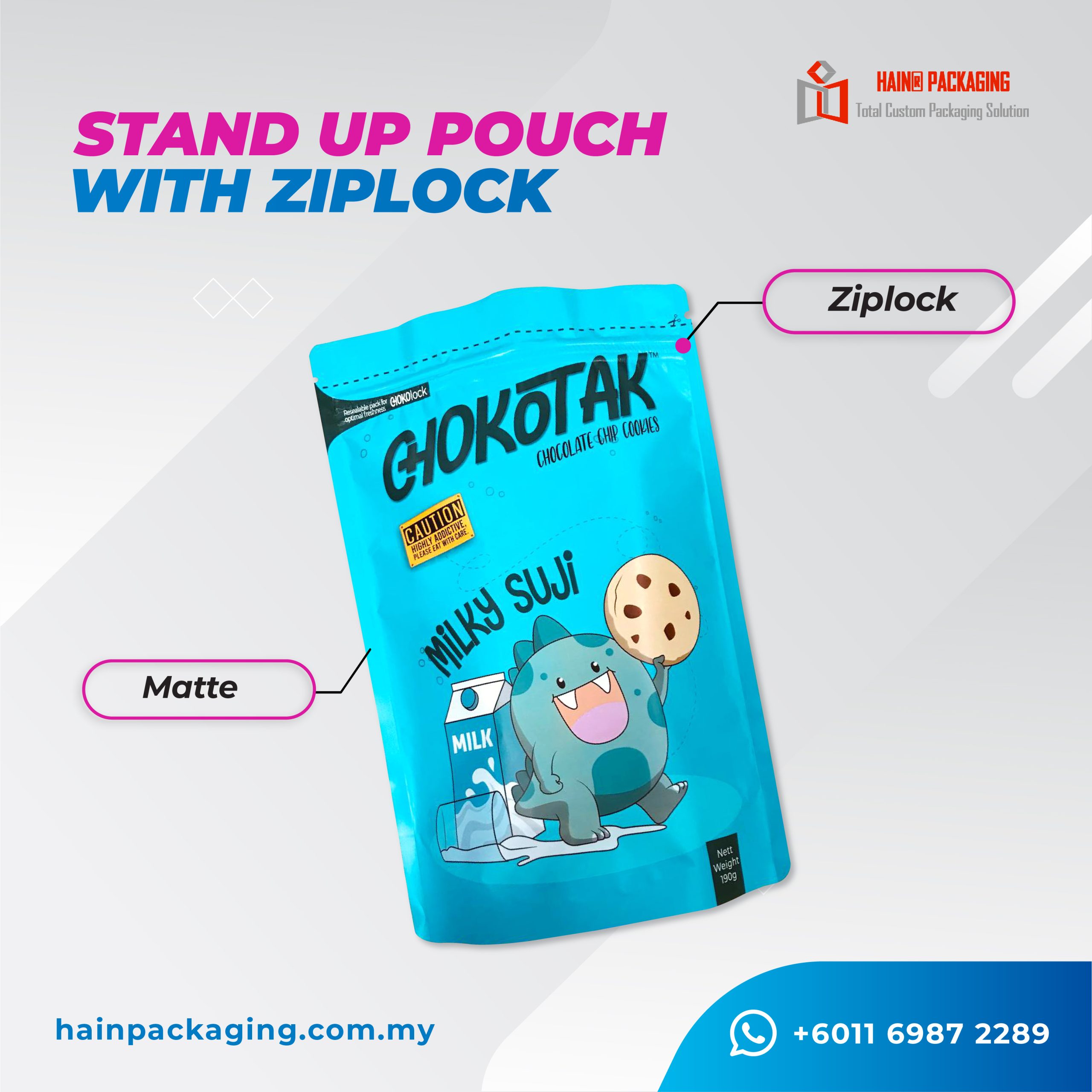
Stand Up Pouches (Premium Matte Finish): MATTE PET/AL/PE with soft-touch lamination, zipper reseal, and transparent window option. Ideal for refill pouches for lotions (200–500ml), serums (30–100ml), shampoos (200–1000ml), and body washes. The matte finish delivers a luxury feel at 60–70% lower cost than rigid bottles, plus significantly lower shipping weight and storage footprint.
Sachet Sampling (2–15ml): PET/AL/PE or PET/MPET/PE, dimensions from 30×50mm to 70×100mm. The most cost-effective format for product sampling campaigns. Features include notch tear, high-gloss printing for maximum brand impact, and easy-open peel seal. Popular for halal beauty brands launching new product variants.
Transparent Window Pouches: PET/PE with clear window for soap bars, bath salts, and scrubs. Customers can see product texture and colour, building trust and driving impulse purchases at retail.
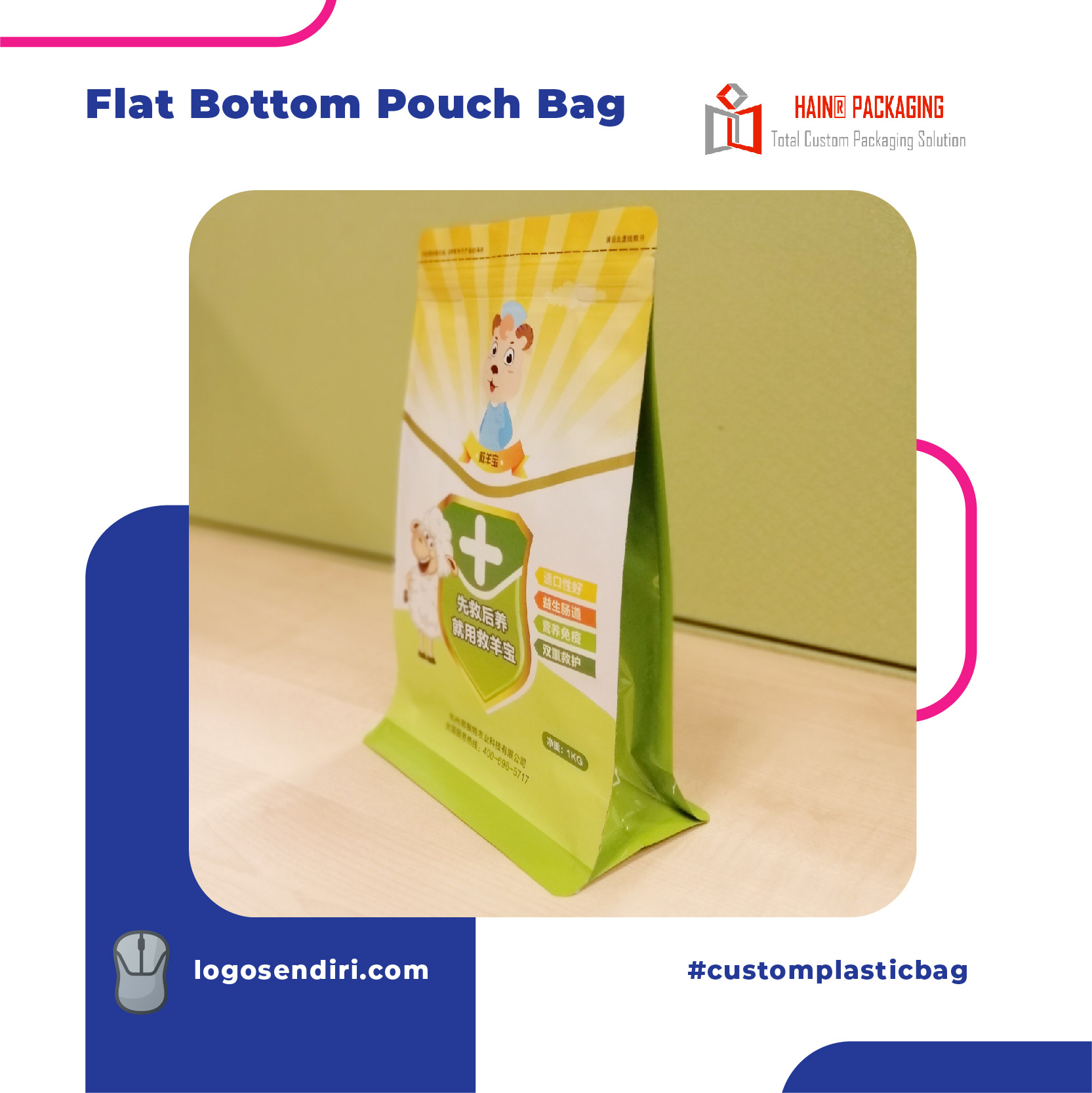
Flat Bottom Pouches: PET/AL/PE with gusseted bottom that stands upright for premium retail display. Excellent for powder-based products like face masks, bath salts, and body scrubs. The wide base provides ample space for product branding and usage instructions.
Sustainability Options for Beauty Brands
- PCR content: Up to 50% post-consumer recycled materials integrated into laminate structures, reducing virgin plastic usage
- Compostable laminates: PLA/PBAT-based structures for natural and organic beauty brands targeting zero-waste positioning
- Lightweighting: 15–25% material reduction achieved through advanced film engineering without compromising barrier performance
- Refill formats: Stand up pouch refills for premium rigid bottles — the fastest-growing sustainable packaging trend in Malaysia’s beauty sector
- Water-based inks and solvent-free lamination: Environmentally friendly production processes for sustainability-certified brands
All packaging materials from HAIN are produced on GMP-compliant lines with non-animal-derived adhesives and inks, making them suitable for JAKIM halal certification requirements.
Pharmaceutical & Healthcare Packaging
Pharmaceutical packaging demands the highest standards of material purity, barrier performance, and regulatory compliance. Key requirements include child-resistant (CR) features with zipper sliders requiring coordinated motion to open; moisture barrier desiccant-compatible laminates for hygroscopic medications; aluminium foil barrier for light-sensitive drugs; tamper-evident induction seals or shrink bands; and gamma/E-beam sterilisation compatibility for medical device packaging.
HAIN supplies pharmaceutical-grade ziplock bags and pouches with GMP-compliant manufacturing processes, documented material traceability, and clean-room compatible production environments.
Pharmaceutical packaging must also comply with Good Manufacturing Practice (GMP) guidelines enforced by Malaysia’s National Pharmaceutical Regulatory Agency (NPRA). This requires documented material traceability from raw material receipt through production to final delivery, clean-room compatible production environments for sterile applications, validated sealing processes with documented temperature and pressure parameters, and stability testing data demonstrating that packaging maintains its barrier properties throughout the stated shelf life.
Common pharmaceutical packaging formats from HAIN include press-to-close ziplock bags with tamper-evident features for oral solid dosage forms, multi-layer foil pouches for moisture-sensitive medications, desiccant-compatible packaging for hygroscopic drug formulations, and child-resistant slider zipper bags for products requiring CR compliance under Malaysian poison regulations.
Industrial & VCI Anti-Corrosion Packaging
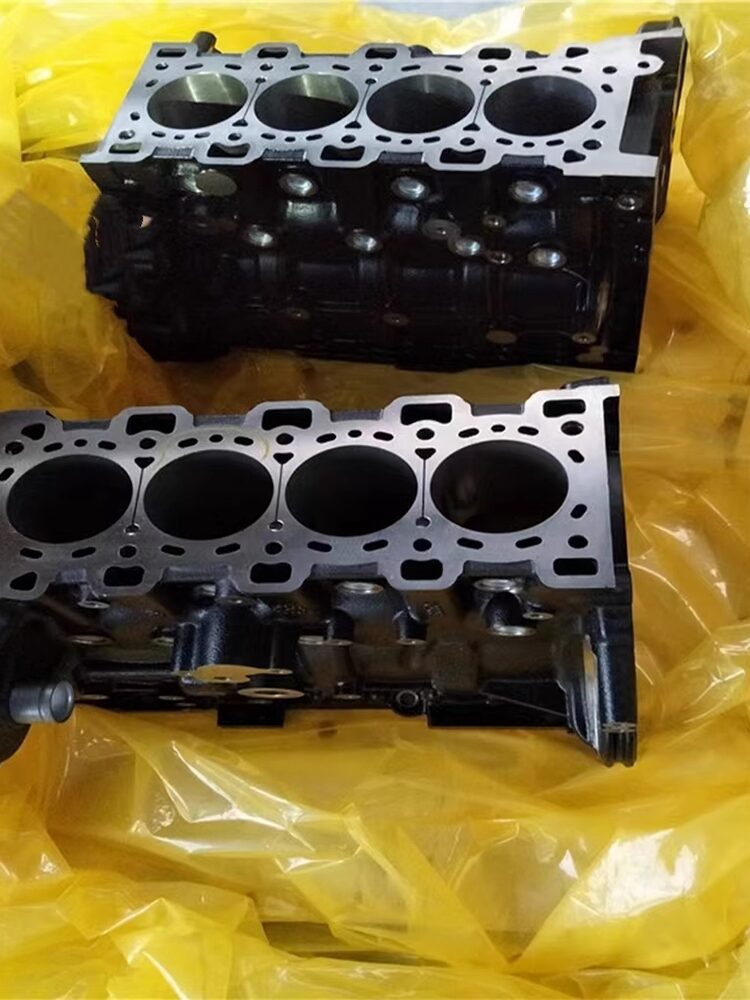
Malaysia’s tropical climate — 80%+ average humidity year-round with temperatures reaching 35°C — poses severe corrosion risks for metal parts, automotive components, and electronics. A steel component stored unprotected in Malaysia will develop visible rust within 2–3 months, compared to 12+ months in temperate climates.
VCI (Vapor Corrosion Inhibitor) packaging technology releases vapour-phase molecules that form a microscopic protective layer on metal surfaces, preventing electrochemical oxidation. Key advantages over traditional rust protection methods include no oil or grease residue, no need for degreasing before use, protection of internal cavities and complex geometries, and suitability for mixed metal assemblies.
| Metal Type | Protection Duration | VCI Product |
|---|---|---|
| Steel/Cast iron | 12–24 months | VCI Polyethylene Film |
| Copper/Brass | 12–24 months | VCI Multi-metal bags |
| Aluminium | 6–12 months | VCI Low-density film |
| Mixed assemblies | 12 months | VCI Stand Up Pouches |
HAIN supplies VCI Polyethylene Roll Film for wrapping large machinery, VCI Stand Up Pouches for electronic components and spare parts, VCI Zip Bags for sensitive instruments and tools, and VCI Shrink Film for pallet-level protection during export shipping.
Material Selection Comparison
Choosing the right film structure is the most important packaging decision you’ll make. Here’s a comprehensive comparison of the most common structures:
| Structure | WVTR (g/m²/day) | OTR (cc/m²/day) | Puncture Resistance | Best For | Cost | Shelf Life |
|---|---|---|---|---|---|---|
| PET/AL/PE | < 0.1 | < 0.5 | High | Pet food, seeds, VCI, cosmetics | $$$ | 12–24 months |
| PET/MPET/PE | < 1.5 | < 5.0 | Medium | Snacks, cosmetics, treats | $$ | 6–12 months |
| PET/NY/PE | < 3.0 | < 10 | Very High | Retort, wet pet food, frozen | $$$ | 12–24 months |
| PET/PE | < 5.0 | < 50 | Low | Dry retail goods, non-perishable | $ | 3–6 months |
| PET/AL/NY/PE | < 0.05 | < 0.1 | Maximum | Premium, long shelf life, high-value | $$$$ | 18–30 months |
Regulatory Compliance Across Industries
Each industry vertical has its own regulatory framework that affects packaging design, material selection, and labelling. Understanding these requirements upfront prevents costly redesigns and regulatory delays.
| Industry | Regulatory Body | Key Requirements |
|---|---|---|
| Food (incl. pet food) | MOH / Food Safety & Quality Div. | Food-grade certification, BPA-free, migration testing |
| Agriculture (seeds/pesticides) | MESTI / DOA | Registration number, GHS labels, BM + English text |
| Cosmetics (halal) | JAKIM / NPRA | Halal-certified materials, non-animal adhesives |
| Pharmaceutical | NPRA / MDA | GMP manufacturing, material traceability, child-resistance |
| Industrial (export) | MATRADE / Customs | ISPM 15 for wood packaging, IMDG for dangerous goods |
E-Commerce & Courier Packaging Solutions
The courier packaging sector is the fastest-growing vertical in Malaysia’s packaging industry, expanding alongside the nation’s e-commerce market which surpassed RM 100 billion in gross merchandise value. From poly mailers for apparel and documents to bubble mailers for electronics and fragile items, the right courier packaging protects products while minimising dimensional weight charges.
Key considerations for e-commerce packaging include product protection during last-mile delivery (where packages may be stacked, dropped, or exposed to rain), dimensional weight optimisation (lighter packaging reduces shipping costs), brand presentation (unboxing experience drives repeat purchases), and sustainable materials (eco-conscious consumers increasingly factor packaging into purchasing decisions).
Popular e-commerce packaging formats include poly mailers for lightweight non-fragile items, bubble mailers for electronics and cosmetics, flat mailers for documents and thin products, and custom-printed shipping bags for branded unboxing experiences. HAIN supplies all these formats with custom printing options.
For a complete guide to e-commerce shipping solutions including size recommendations and material options, see our dedicated courier bag guide.
Decision Framework: How to Choose Your Industry-Specific Packaging
Selecting the right packaging for your industry can feel overwhelming given the number of variables — material structure, format, barrier performance, regulatory compliance, and budget constraints. Use this step-by-step decision framework to narrow down your options systematically:
Step 1: Define Your Product Profile
Start by answering these questions about your product:
- What is your product form? (Solid, powder, liquid, semi-solid, gas)
- What is your target shelf life? (3 months, 6 months, 12 months, 18+ months)
- Is your product sensitive to: Moisture? Oxygen? Light? Temperature? Odour?
- What is your product pH? (Neutral, acidic, alkaline — affects inner layer selection)
- What is your packaging volume? (Single serve: 3g–50g | Retail: 100g–1kg | Wholesale: 5kg–25kg)
Step 2: Identify Your Industry Regulatory Requirements
| If Your Industry Is… | You Need… | Key Certifications |
|---|---|---|
| Pet Food | Food-grade BPA-free film + DVS registration | SIRIM, DVS, food-grade migration test |
| Agriculture / Seeds | UV-resistant moisture barrier + MESTI labels | MESTI, GHS, DOA seed certification |
| Cosmetics / Beauty | Premium print + halal-compatible materials | NPRA notification, JAKIM, GMP |
| Pharmaceutical | Child-resistant + tamper-evident + GMP | NPRA, GMP, material traceability |
| Frozen Food | Low-temp crack resistance + moisture barrier | Food-grade, SIRIM, halal (if applicable) |
| Beverages | Liquid-tight seal + chemical resistance | Food Act 1983, BPA-free, migration test |
| Industrial / Export | VCI protection + export documentation | IMDG, ISPM 15, MATRADE |
Step 3: Select Film Structure Based on Barrier Needs
Use this decision tree approach:
- Need 12+ months shelf life + UV protection? → PET/AL/PE or PET/AL/NY/PE (maximum barrier)
- Need 6–12 months shelf life + moderate barrier? → PET/MPET/PE (cost-effective barrier)
- Need retort sterilisation capability? → PET/NY/RCPP (heat-resistant laminate)
- Need cold-chain resistance? → PET/NY/PE (nylon for low-temp flexibility)
- Need premium feel + barrier? → MATTE PET/AL/PE (luxury finish)
- Need short shelf life at lowest cost? → PET/PE (basic barrier, lowest cost)
Step 4: Choose Your Packaging Format
- Retail shelf display: Stand up pouch with zipper or Flat bottom bag (box pouch)
- Single-serve / sampling: Sachet or Stick pack
- Bulk / wholesale: Side gusset bag or Heavy-duty valve bag
- Liquids / concentrates: Spout pouch (stand up with spout fitment)
- E-commerce shipping: Poly mailer or Bubble mailer
- Industrial protection: VCI bag or Shrink wrap
Step 5: Verify with Sample Testing
Before committing to full production, HAIN recommends the following validation steps:
- Chemical compatibility test: Fill sample pouches with your actual product and store at ambient temperature for 30 days. Check for delamination, seal weakening, odour absorption, or inner layer degradation.
- Accelerated shelf life test: Store filled samples at 40°C / 75% RH for 30 days (equivalent to 12 months ambient storage). Compare product quality against control sample.
- Seal integrity test: Verify seal strength across the temperature range your product will experience during distribution.
- Distribution simulation: Ship filled samples through your actual logistics chain and inspect for damage on arrival.
HAIN’s technical team guides you through each step with documented procedures and test protocols tailored to your specific industry requirements.
Why Choose HAIN® Packaging for Industry-Specific Solutions?
- SIRIM-certified manufacturing — All facilities meet ISO quality standards
- Custom film structures — 2-ply to 6-ply laminations for any barrier requirement
- Rotogravure printing — Up to 10 colours with precise registration and consistent brand colour reproduction
- Industry-specific compliance — MESTI, JAKIM, food-grade, GMP-ready
- Local manufacturing in Selangor — Faster turnaround, lower MOQ (starting from 5,000 pieces), better pricing than imported alternatives
- End-to-end support — From structural design consultation to print approval to delivery logistics
- Technical expertise — Over 10 years serving Malaysian manufacturers across multiple industries
Frequently Asked Questions
Can I get custom printed packaging for my pet food brand?
Yes. We provide full-colour rotogravure printing on stand up pouches with zipper reseal. MOQ starts at 5,000 pieces for standard structures, with artwork setup and sample approval included.
What packaging do you recommend for liquid fertiliser?
Liquid fertiliser requires chemical-resistant liner bags inside rigid outer packaging, or specialised stand up pouches with spout fitments. We recommend conducting a chemical compatibility test with your specific formulation before finalising material selection.
Does HAIN offer small quantities for startup beauty brands?
Yes. We work with emerging beauty brands through our standard format program — pre-designed matte pouches with custom print, offering lower MOQ than fully custom structures while maintaining professional quality.
How do I choose between PET/AL/PE and PET/MPET/PE?
If your product needs 12+ months shelf life, is moisture-sensitive, requires complete UV protection, or needs odour containment — choose PET/AL/PE (foil laminate). For 6–9 months shelf life with significant cost savings (20–30% less) — choose PET/MPET/PE (metallised laminate).
What certifications do your packaging materials carry?
All food-contact materials are SIRIM-certified and BPA-free. Pharma-grade materials follow GMP guidelines with full material traceability. Agro packaging meets MESTI labelling requirements. Cosmetics packaging uses non-animal-derived adhesives suitable for halal certification.
Can you match specific Pantone colours for my brand packaging?
Yes. Our rotogravure printing process supports full PMS (Pantone Matching System) colour matching. We maintain colour consistency across production runs using spectrophotometer verification at every stage.
What is the typical turnaround time for custom packaging orders?
Standard custom orders typically take 3–5 weeks from final artwork approval. This includes cylinder engraving (7–10 days), sample production and approval (3–5 days), mass production (7–14 days), and delivery (1–2 days within Peninsular Malaysia). Rush orders may be possible for established customers.
For more detailed information, explore our Packaging Printing Malaysia guide for rotogravure and flexographic printing capabilities, our Plastic Packaging Supplier guide for comprehensive sourcing insights, and our Ziplock Bag Malaysia guide for rescable packaging solutions across all industries.
Does HAIN supply packaging for frozen food brands?
Yes. We manufacture frozen food packaging with nylon-based laminates for low-temperature flexibility (no cracking at −20°C), moisture barrier to prevent freezer burn, and odour barrier to prevent cross-contamination in shared storage. Available in flat pouches, stand up pouches, and bulk formats for wholesale distribution.
Can I get spout pouches for my beverage brand?
Yes. Stand up pouches with spout fitment are available in sizes from 200ml to 2L. Structures include PET/AL/PE for full barrier protection with injection-moulded spout and screw cap. We supply both standard spout types (sports cap, flip-top, screw cap) and custom colours to match your brand identity.
How do I validate my packaging before full production?
HAIN provides sample production for fit testing and product compatibility. We recommend chemical compatibility testing (30-day fill test), accelerated shelf life testing (40°C / 75% RH for 30 days), seal integrity testing, and distribution simulation before committing to full production. Our technical team provides documented test protocols for each step.
Ready to Order Your Industry-Specific Packaging?
Don’t settle for generic packaging. Choose HAIN® Packaging as your trusted industry-specific packaging supplier in Malaysia.
Contact us today via WhatsApp or email [email protected] for a free consultation and quotation. Our technical team has experience across pet food, agriculture, cosmetics, pharmaceutical, and industrial packaging verticals.
If you’re looking for a reliable packaging supplier, we at HAIN® Packaging are ready to help. Reach out to our sales representative for a consultation, or share your branding ideas with us.
You can reach us on WhatsApp, or find us on Facebook, Instagram, and Telegram!
Explore more: Discover our complete range at HAIN® Packaging — custom flexible packaging, industrial solutions, and premium printing services for Malaysian businesses.
Frozen Food Packaging: Withstanding Sub-Zero Conditions
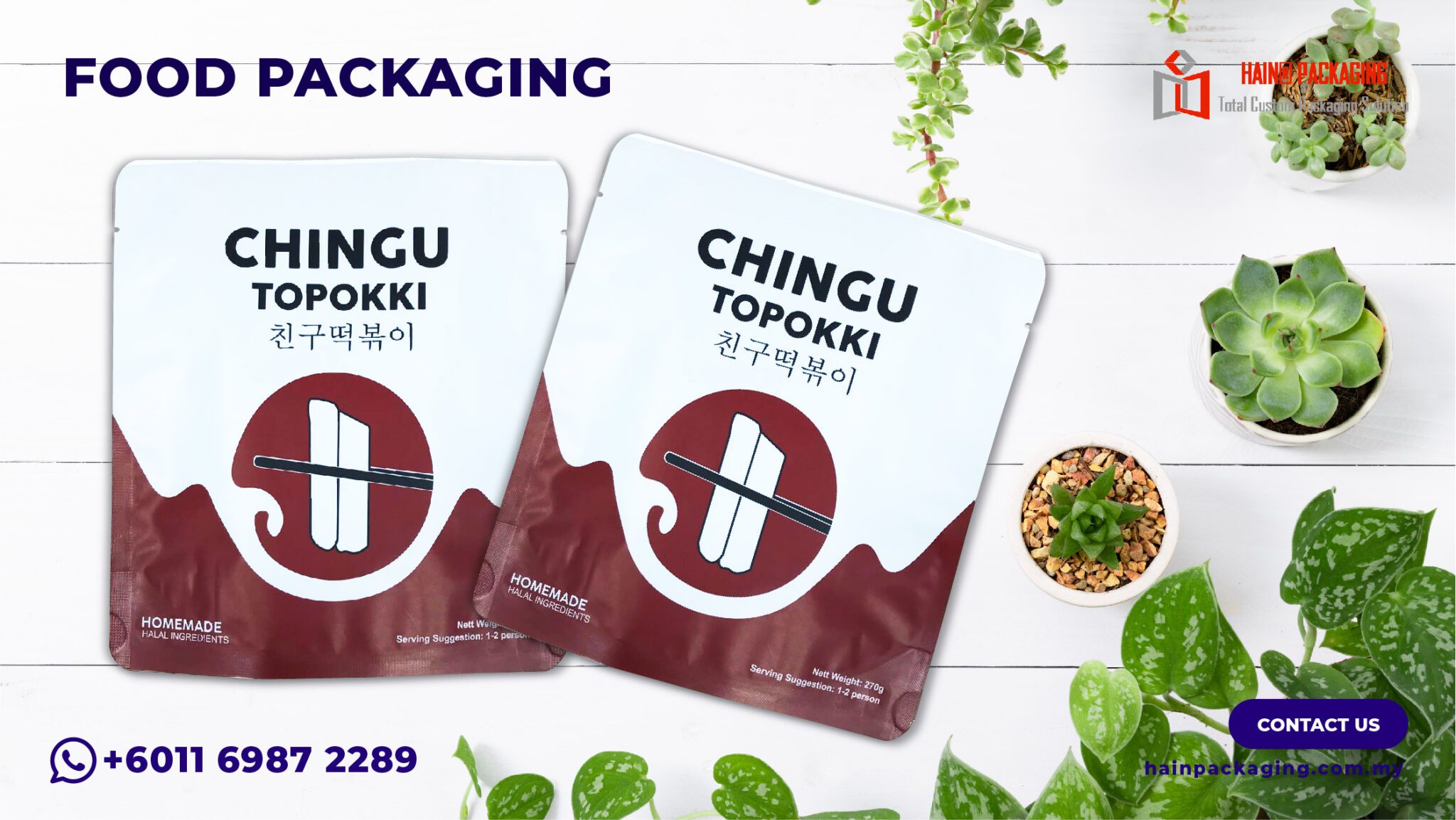
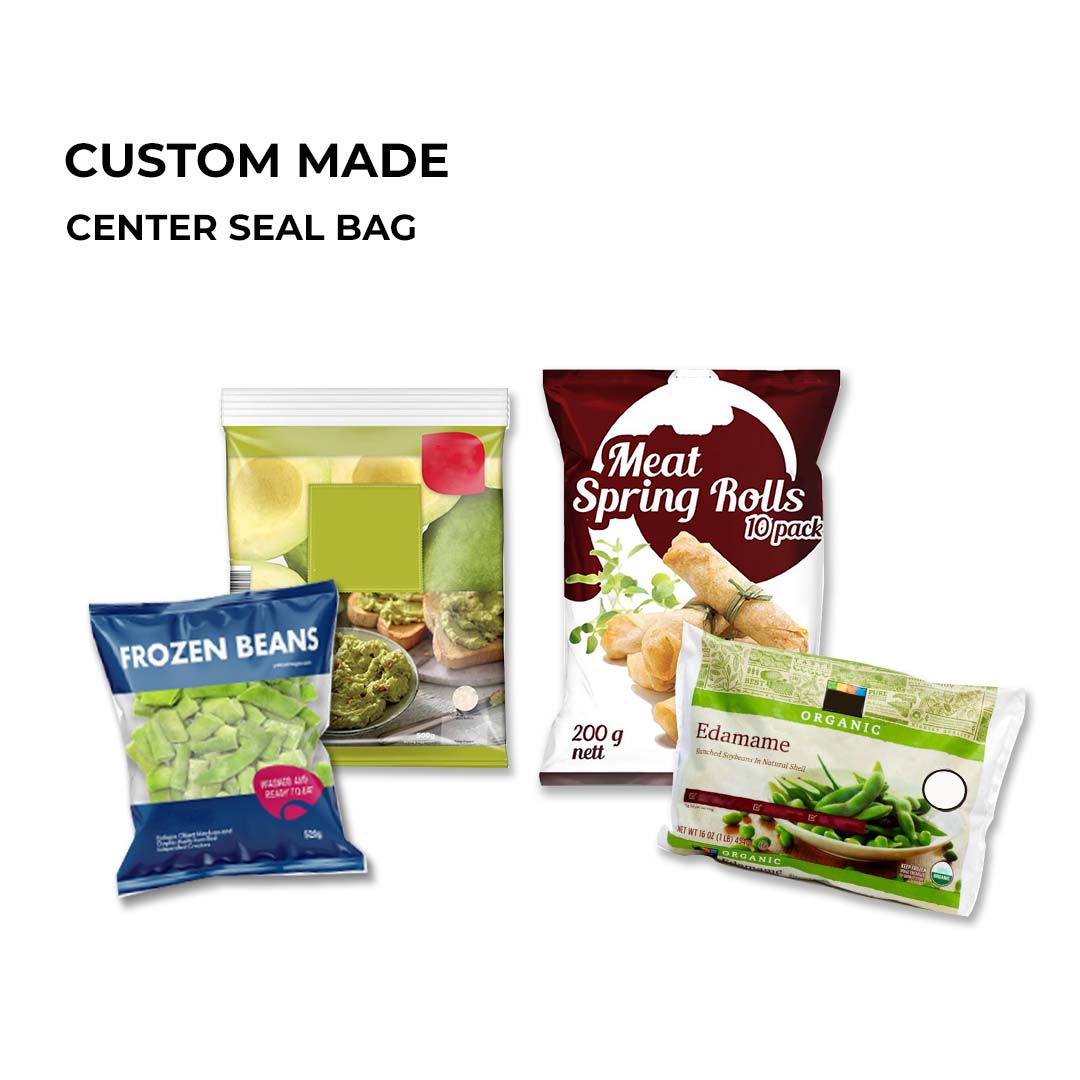
Malaysia’s frozen food market is projected to reach RM 2.5 billion by 2027, driven by changing consumer lifestyles, rising freezer ownership, and demand for convenient meal solutions. From frozen seafood in Terengganu to ready-to-cook roti canai for export, frozen food packaging faces unique challenges that generic packaging cannot address.
Critical Requirements for Frozen Food Packaging
| Requirement | Specification | Why It Matters |
|---|---|---|
| Low-temperature flexibility | No cracking at −20°C | Standard films become brittle at freezing temperatures, causing cracks and leaks |
| Moisture barrier (WVTR) | < 5 g/m²/day | Prevents freezer burn — dehydration of food surface leading to texture and flavour loss |
| Odour barrier (OTR) | < 50 cc/m²/day | Strong food odours (seafood, curry) must not transfer to other products in shared freezers |
| Puncture resistance | > 40N | Sharp frozen edges (fish bones, frozen vegetable pieces) can pierce standard films |
| Seal integrity | −20°C to 90°C range | Seals must survive freezing and microwave/boil-in-bag reheating without failure |
| Print adhesion | Resists cold-temperature peeling | Ink and lamination must not delaminate in sub-zero storage |
Recommended Structures by Product Type:
Frozen Seafood & Meat: PET/NY/PE or PET/NY/RCPP — 100–130 microns. The nylon layer provides low-temperature crack resistance and puncture protection against sharp bones and shells. PE inner layer maintains seal integrity at freezing temperatures. Available as flat pouches for single portions (250g–500g) and stand up pouches for family packs (1kg–2kg).
Frozen Ready Meals & Vegetables: PET/MPET/PE — 80–100 microns. The metallised layer provides adequate moisture barrier to prevent freezer burn at a lower cost than full aluminium foil. Suitable for boil-in-bag formats where the consumer heats the package directly in boiling water.
Frozen Pastry & Bakery (Roti Canai, Paratha, Curry Puffs): OPP/PE or PET/PE with micro-perforation — 60–80 microns. These products require moderate barrier with controlled moisture release to prevent condensation inside the pack (which causes sogginess). Micro-perforations allow steam escape while maintaining enough barrier to prevent freezer burn during storage.
Frozen Bags for Industrial Distribution (10kg–20kg): Heavy-duty PE or PP woven bags with PE liner — 150–200 microns. For bulk frozen ingredients supplied to hotels, restaurants, and catering (HORECA) businesses. Reinforced seals and UV-resistant outer layer for cold-chain logistics.
Frozen Food Compliance in Malaysia
Frozen food packaging in Malaysia falls under the Food Hygiene Regulations 2009 and the Malaysian Standard MS 1500:2019 for halal food management. Key packaging requirements include:
- Food-grade certification for all contact materials — SIRIM or equivalent
- Clear storage instructions (keep frozen at −18°C or below)
- Microwave/oven reheating instructions clearly printed if applicable
- Best-before and freeze-by dates clearly legible after cold storage
- Halal certification logo for halal-certified frozen products (mandatory for export to Muslim-majority markets)
Beverage Packaging: From Premix Drinks to Liquid Concentrates
Malaysia’s beverage market is the largest segment within the packaged food sector, valued at over RM 15 billion. Flexible packaging plays an increasingly important role in reducing packaging weight, extending shelf life, and enabling convenient formats for modern consumers.
Key Beverage Packaging Formats
Stand Up Pouches with Spout Fitment (200ml–2L): Structure: PET/AL/PE with injection-moulded spout and screw cap. The spout fitment transforms a simple stand up pouch into a resealable liquid container. Ideal for drinking water, juices, cordials, concentrate syrups, sauces, and liquid coffee premixes. Advantages over rigid bottles include 50–70% lower unit cost, 80% reduction in shipping weight (empty pouches ship flat), and reduced plastic usage per unit. Available with sports cap, flip-top cap, or screw cap closure options.
Doy Style Stand Up Pouch (250ml–1L): Structure: PET/AL/PE with gusseted bottom. The classic stand up pouch format for beverage powders and premixes — 3-in-1 coffee, chocolate malt drinks, powdered juices, and protein shakes. Features include resealable zipper for moisture protection and tear notch for easy opening. The high barrier aluminium layer is critical for preserving flavour volatiles in powdered beverage concentrates.
Sachet / Stick Pack (Single Serve — 10g–40g): Structure: PET/AL/PE or PET/MPET/PE. The dominant format for instant coffee 3-in-1, tea mix, chocolate drinks, and energy drink powders. Malaysia consumes over 2 billion beverage sachets annually. Key requirements include strong seal integrity for single-serve convenience, moisture barrier to prevent clumping in tropical humidity, and high-speed form-fill-seal compatibility for mass production. For businesses exploring industry-specific packaging malaysia, finding the right packaging partner is essential.
Liquid Concentrate Pouch (Refill Format — 500ml–5L): Structure: Multi-layer PE/PA/PE co-extrusion with spout fitment. For syrups, cordials, fruit juice concentrates, and liquid sweeteners supplied to foodservice and HORECA channels. The co-extruded structure provides chemical resistance for acidic formulations (pH 2.5–4.5) without layer delamination during extended storage. For businesses exploring industry-specific packaging malaysia, finding the right packaging partner is essential.
Beverage-Specific Regulatory Compliance
Beverage packaging in Malaysia falls under the Food Act 1983 and Food Regulations 1985, enforced by the Ministry of Health. Key considerations include migration testing for acidic beverages (low pH accelerates migration of plastic additives), nutrition panel and ingredient declaration per MOH guidelines, BPA-free certification for all liquid contact materials, and halal certification for beverages sold in the Muslim market. For businesses exploring industry-specific packaging malaysia, finding the right packaging partner is essential. We go deeper on this in Confectionery, Nut & Trail Mix Packaging: 6 Buying Checks.