Flexible Packaging MOQ & Pricing Malaysia: Complete Guide for Businesses
May 22, 2026
E-Commerce & Small Business Packaging Malaysia: Complete Buying Guide
May 22, 2026Halal & Food Safe Packaging packaging supplier Malaysia Malaysia: Complete Compliance Guide 2026
Introduction
Malaysia stands at a unique crossroads in the global packaging industry. As a majority-Muslim nation with a thriving halal ecosystem and one of the world’s most stringent food safety regulatory frameworks, the country demands packaging that satisfies both spiritual and scientific requirements. For food manufacturers, F&B brands, and packaging buyers, understanding the intersection of halal compliance and food safety standards isn’t optional—it’s a licence to operate.
In 2026, the stakes are higher than ever. Malaysia’s halal industry is projected to contribute over RM50 billion to the national economy, with packaging playing a critical role in maintaining halal integrity from production line to consumer hands. Meanwhile, the Food Safety and Quality Division (FSQD) under the Ministry of Health continues to tighten regulations around food contact materials, leaching limits, and chemical migration.
This guide walks you through everything you need to know about halal certified packaging malaysia—from JAKIM certification pathways to food-safe material selection, BPA-free requirements, and budget-conscious options for startups. Whether you’re a food manufacturer expanding your product line or a startup founder launching your first F&B brand, this is your compliance roadmap for 2026.
For reference, visit JAKIM Halal Malaysia official portal.What Is Halal Certified Packaging?
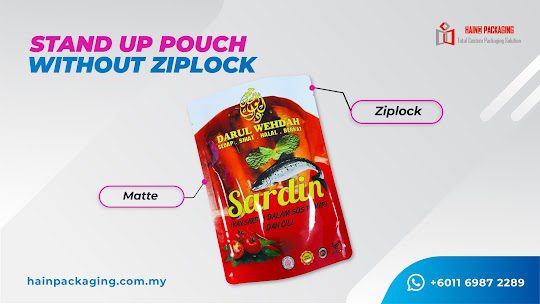
Halal certified packaging refers to packaging materials and production processes that have been verified as compliant with Islamic dietary laws and manufacturing standards. It goes far beyond simply slapping a halal logo on a box.
What Makes Packaging Halal?
For packaging to qualify as halal certified, three key areas must be verified:
1. Raw Materials — All components of the packaging (plastic resins, adhesives, inks, coatings, and additives) must be free from non-halal substances. This includes pork-derived gelatin, stearates, glycerine, and certain animal-based plasticisers.
2. Manufacturing Process — The production equipment must not be contaminated by non-halal materials. Dedicated production lines or thorough cleaning (sertu) between runs is required.
3. Supply Chain Integrity — The entire supply chain, from raw material sourcing to finished goods storage and transportation, must maintain halal integrity without cross-contamination.
Why It Matters in Malaysia
Malaysia’s halal certification is internationally recognised as one of the most rigorous systems in the world. The Department of Islamic Development Malaysia (JAKIM) sets the benchmark, and its halal logo carries weight across global markets including the Middle East, Southeast Asia, and parts of Europe.
For food manufacturers, using halal packaging malaysia certified materials isn’t just about religious compliance. It’s a competitive advantage. Halal certification signals quality, cleanliness, and ethical manufacturing—values that resonate with Muslim and non-Muslim consumers alike.
JAKIM Halal Certification for Packaging: The Process
Obtaining JAKIM halal certification for packaging involves a structured multi-step process. While the exact timeline varies, most applicants should budget 3 to 6 months from application to certification.
Step 1: Determine Eligibility
Not all packaging requires halal certification. JAKIM categories packaging into three tiers:
- Critical — Direct food contact packaging (pouches, films, trays, bottles, cups)
- Semi-critical — Secondary packaging with potential contact (boxes with inner liners, cartons)
- Non-critical — Tertiary/transport packaging (shipping cartons, pallet wrap)
Only critical and semi-critical packaging typically need certification, though many brands certify everything for consistency.
Step 2: Prepare Documentation
Applicants must submit:
- Company profile and business registration (SSM)
- Product specification sheets for all packaging materials
- Material Safety Data Sheets (MSDS) for raw materials
- Factory layout and production flow diagram
- Halal Assurance Manual (HAM)
- List of raw material suppliers with their halal certificates
Step 3: Internal Audit & Halal Committee
JAKIM requires every certified company to establish an internal Halal Committee comprising at least three members, including one Muslim executive. This committee oversees halal compliance, conducts internal audits, and reports any non-compliance.
Step 4: On-Site Inspection
JAKIM officers (or appointed halal certifying bodies) conduct a physical inspection of the manufacturing facility. They examine:
- Raw material storage and segregation
- Production line cleanliness and dedicated equipment
- Warehousing and pest control measures
- Employee hygiene and training records
- Waste disposal practices
Step 5: Laboratory Testing
Samples may be sent to JAKIM-approved laboratories for chemical analysis. Tests typically screen for:
- Porcine DNA or derivatives
- Heavy metal migration
- Overall migration limits
- Specific migration of restricted substances
Step 6: Certification & Renewal
Once approved, the halal certificate is valid for two years. Renewal involves a similar review process, including updated documentation and on-site inspection. Annual surveillance audits are also conducted.
Cost Considerations
JAKIM certification fees for packaging manufacturers range from approximately RM3,000 to RM15,000 depending on company size, product range, and complexity. Additional costs include third-party lab testing (RM500–RM2,000 per sample) and halal training for staff.
Food Safe Packaging Malaysia: Regulations & Standards

Food safety in packaging is governed by multiple regulatory bodies in Malaysia. Understanding who regulates what is the first step toward compliance.
Key Regulatory Bodies
| Agency | Responsibility |
|---|---|
| **Ministry of Health (MOH) — Food Safety & Quality Division** | Food contact material regulations, migration limits |
| **Department of Standards Malaysia** | Malaysian Standards (MS) for packaging materials |
| **SIRIM Berhad** | Product testing, certification, and quality assurance |
| **National Pharmaceutical Regulatory Agency (NPRA)** | Packaging for food supplements and health products |
Food Contact Material Regulations
Malaysia adopts a risk-based approach to food contact materials. Regulation 28 of the Food Regulations 1985 governs the use of packaging materials, specifying that:
- Materials must not transfer their constituents to food in quantities that could endanger human health
- Packaging must not cause unacceptable changes in food composition
- Materials must not deteriorate the organoleptic properties of food
For plastic packaging, Malaysia aligns closely with EU Regulation 10/2011 on plastic materials and articles intended to come into contact with food. This means overall migration limits (OML) of 10 mg/dm² and specific migration limits (SML) for individual substances.
Food Grade vs Food Safe: What’s the Difference?
This distinction trips up many packaging buyers.
Food Grade refers to a material that is suitable for contact with food. It’s a material-level designation — the plastic resin, coating, or additive has been tested and deemed safe for food contact under specified conditions.
Food Safe goes a step further. It describes the entire packaged product — material, manufacturing process, storage conditions, and intended use — being safe for food contact. A material can be food grade but if it’s processed on contaminated equipment or stored improperly, the final packaging may not be food safe.
Think of it this way: all food safe packaging uses food grade materials, but not all food grade materials result in food safe packaging.
In Malaysia, SIRIM offers a Food Contact Safety certification scheme that verifies both material compliance and manufacturing hygiene. This is the closest equivalent to a “food safe” certification for packaging.
BPA-Free Plastic Packaging Requirements
Bisphenol A (BPA) is a chemical compound used in polycarbonate plastics and epoxy resins. Its potential endocrine-disrupting effects have made it a primary target for regulatory action worldwide.
#### Malaysia’s Position on BPA
As of 2026, Malaysia has not imposed a nationwide ban on BPA in food packaging, but the landscape is shifting:
- Pregnant women and children — The Ministry of Health advises against using polycarbonate feeding bottles for infants (guidance issued since 2012)
- Industry movement — Major retailers and food brands increasingly mandate BPA-free packaging as part of their supplier requirements
- Export considerations — If you export to the EU (BPA banned in food contact materials since 2018), Canada (banned in baby bottles), or the US (several state-level bans), BPA-free certification is mandatory
#### BPA-Free Alternatives
Modern BPA free plastic packaging options for Malaysian food manufacturers include:
| Alternative | Application | Advantages |
|---|---|---|
| **PET (Polyethylene Terephthalate)** | Bottles, jars, trays | Clear, lightweight, recyclable recyclable stand up pouches |
| **PP (Polypropylene)** | Hot-fill containers, microwave-safe packaging | Heat resistant up to 130°C |
| **PE (Polyethylene)** | Films, pouches, squeeze bottles | Flexible, good sealability |
| **Tritan™ Copolyester** | Premium bottles, reusable containers | Glass-like clarity, dishwasher safe |
| **PLA (Polylactic Acid)** | Compostable cold-service packaging | Bio-based, biodegradable |
Always request a BPA-free declaration from your packaging supplier and ask for third-party lab test results to verify compliance.
Muslim-Owned Packaging Suppliers in Malaysia
For businesses that prioritise halal integrity throughout the supply chain, working with a muslim owned packaging supplier offers distinct advantages.
Why Choose Muslim-Owned?
While JAKIM certification applies to the product, not the company ownership, Muslim-owned suppliers often provide:
- Deeper halal awareness — Internal teams understand halal requirements implicitly, reducing oversight burden
- Transparent sourcing — Greater willingness to disclose raw material origins and supply chain details
- Halal-first culture — Halal compliance is embedded in company culture, not just a checkbox for certification
- Community trust — Muslim-owned suppliers resonate with halal-conscious brands and their end consumers
What to Look For
When evaluating Muslim-owned packaging suppliers, vet these factors:
1. JAKIM Halal Certification — Verify current, valid certification (check JAKIM’s online directory)
2. GMP (Good Manufacturing Practice) certification — SIRIM or equivalent
3. HACCP or ISO 22000 — Food safety management certification
4. Production capacity — Can they scale with your volumes?
5. Material expertise — Do they specialise in the packaging type you need?
6. Location — Proximity reduces logistics costs and carbon footprint
Malaysia’s Landscape
The Malaysian packaging industry includes a growing number of Muslim-owned and Bumiputera-status manufacturers. These range from small-to-medium enterprises specialising in flexible packaging to larger players offering full-service packaging solutions. Many are concentrated in industrial areas such as Shah Alam, Klang, Johor Bahru, Penang, and Seri Kembangan.
Halal Packaging for Export Markets
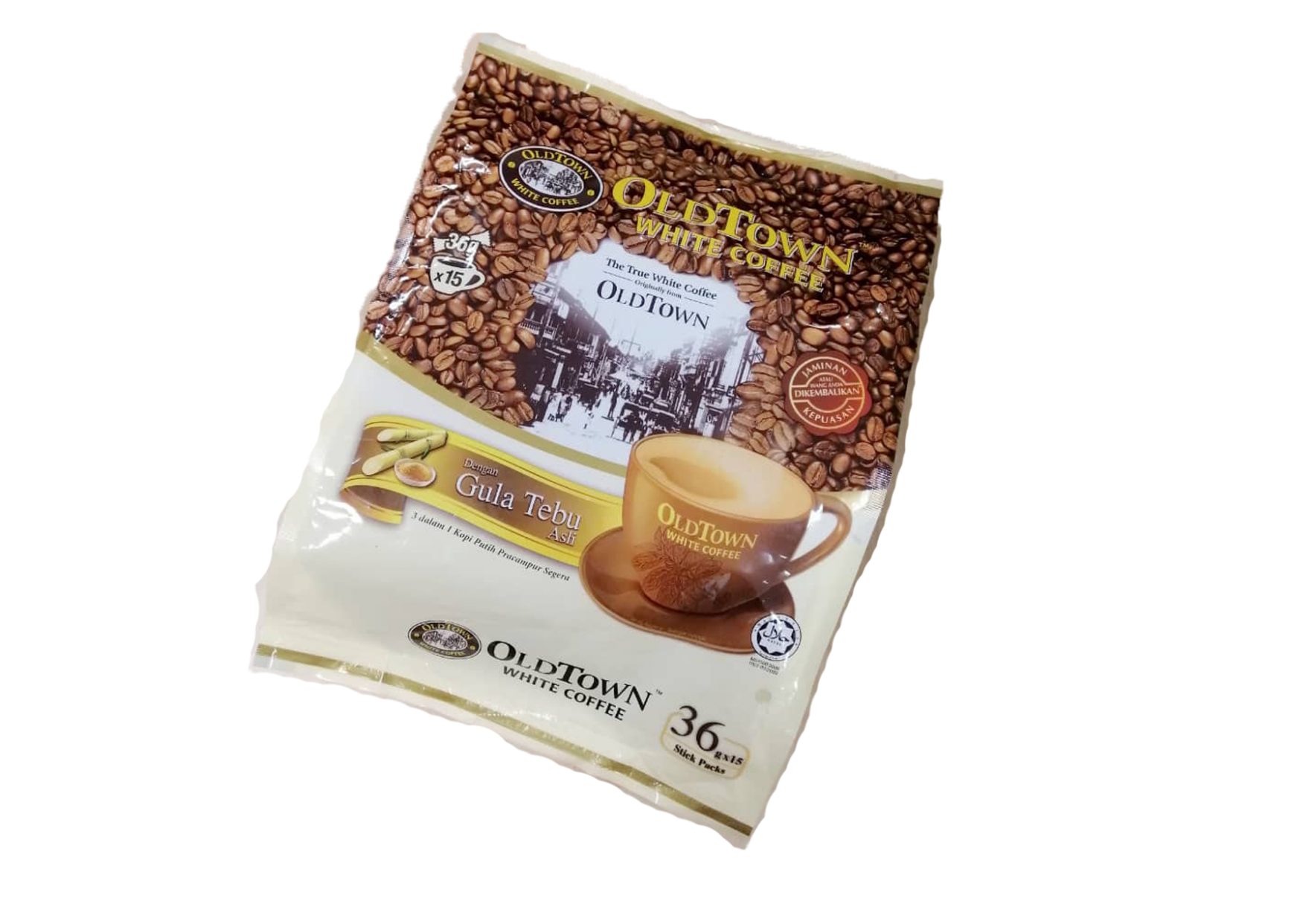
If you’re manufacturing for export, halal packaging isn’t just nice to have—it’s often a contractual requirement.
Key Export Markets Requiring Halal Packaging
| Market | Halal Body | Requirements |
|---|---|---|
| **Middle East (GCC)** | Various (ESMA, SASO, GSO) | Often requires halal certification from JAKIM or MUIS |
| **Indonesia** | BPJPH, MUI | Mandatory halal for food packaging (Law No. 33/2014 enforcement ongoing) |
| **Singapore** | MUIS | Halal cert required for export; annual audits |
| **Brunei** | KHEU, Kementerian Hal Ehwal Ugama | Strict halal requirements for all food-related products |
| **OIC Member Countries** | Various | Mutual recognition agreements making JAKIM certification widely accepted |
Mutual Recognition & JAKIM’s Global Standing
JAKIM halal certificates are recognised by more than 40 countries worldwide. This makes Malaysia an ideal base for halal packaging manufacturing aimed at export markets. When your packaging carries JAKIM halal certification, it significantly simplifies the certification process in destination countries through mutual recognition agreements (MRAs).
Documentation for Export
Export-ready halal packaging requires:
- JAKIM halal certificate (valid, with English translation)
- Halal Assurance Manual (HAM)
- Laboratory test reports for raw materials
- Certificate of Analysis (COA) for each batch
- Country-specific declarations (e.g., GSO conformity for GCC)
Materials Used in Halal & Food Safe Packaging
The material you choose directly impacts both halal compliance and food safety. Here’s a breakdown of common packaging materials used in Malaysia’s food industry.
Plastic Packaging
Plastic dominates the Malaysian packaging market due to its versatility, cost-effectiveness, and barrier properties.
- Polypropylene (PP) — Ideal for hot-fill, microwaveable, and dairy packaging. Generally halal-compliant when sourced from certified suppliers. Commonly used for yogurt cups, sauce bottles, and noodle cups.
- Polyethylene (PE) — LDPE for flexible films and squeeze bottles; HDPE for rigid containers like milk bottles and shampoo bottles. Widely available as halal certified.
- PET (Polyethylene Terephthalate) — The go-to for beverage bottles, clear jars, and blister packs. Excellent barrier properties. BPA-free by nature.
- Nylon (Polyamide) — Used in high-barrier films for vacuum packaging. Must verify slip additives and plasticisers are halal-compliant.
- EVOH (Ethylene Vinyl Alcohol) — Oxygen barrier layer in multilayer films. Generally halal-compliant.
Flexible Packaging (Pouches & Films)
Flexible packaging—stand-up pouches, flat pouches, shrink films, and stretch films—represents the fastest-growing segment in Malaysia’s packaging industry. Key halal/food safe considerations:
- Lamination adhesives — Must be food grade and free from non-halal solvents
- Printing inks — Must be low-migration, food safe inks (EU-compliant)
- Sealant layers — Must meet food contact regulations for the specific food type
- Recyclability — Increasingly important for brand sustainability goals
Paper & Board
- Kraft paper — Generally halal-compliant. Used for dry food packaging, flour bags, and sugar packets.
- Paperboard cartons — For dry foods, frozen foods, and aseptic packaging. Ensure adhesives are synthetic (halal) rather than animal-based.
- Corrugated boxes — Secondary/tertiary packaging. Less critical for direct food contact.
Aluminium
- Aluminium foil — Excellent barrier. Used for sachets, blister packs, and lidding foil. Generally halal-compliant.
- Aluminium trays — For ready-to-eat meals and baking. Ensure lacquer coating is food safe.
Biodegradable & Compostable Options
Sustainability is driving demand for biodegradable packaging. Common options:
- PLA (Polylactic Acid) — Cornstarch-based, compostable. Halal-compliant. Suitable for cold foods.
- Bagasse — Sugarcane fibre, compostable. Used for food trays and clamshells.
- Bamboo fibre — Increasingly popular for premium packaging.
- Starch-based loose fill — Alternative to polystyrene foam peanuts.
Startup Packaging Malaysia: Getting Certified on a Budget
If you’re launching a food brand in Malaysia, packaging costs can eat into your startup capital faster than almost anything else. Here’s how to get halal and food safe packaging without breaking the bank.
Strategy 1: Start with Pre-Certified Stock Packaging
Many packaging suppliers offer stock designs with existing halal certification. These are pre-manufactured pouches, boxes, and containers that are ready to use with standard branding labels. Benefits:
- No minimum order quantity (MOQ) as low as 500 units
- Existing JAKIM halal certification covers the packaging
- Fast turnaround (1–2 weeks vs 8–12 weeks for custom)
- Lower per-unit cost for small quantities
Strategy 2: Partner with a Muslim-Owned Supplier
Working with a muslim owned packaging supplier can reduce your certification burden. Since their manufacturing processes already follow halal protocols, you can focus your certification budget on your food product rather than the packaging.
Strategy 3: Choose BPA-Free by Default
Specify BPA free plastic packaging from the outset. This avoids expensive reformulation or repurchasing later when retail buyers or export opportunities demand it. Many standard PET and PP packaging options are naturally BPA-free.
Strategy 4: Simplify Your Packaging Range
Start with 2–3 packaging formats instead of a full range. For example:
- One stand-up pouch size for your hero product
- One sachet format for samples or trial packs
- One carton option for multi-packs or wholesale
This keeps certification costs manageable and simplifies inventory management.
Estimated Startup Budget
| Item | Estimated Cost (RM) |
|---|---|
| Stock packaging (500–1,000 units) | 500 – 3,000 |
| Custom flexible packaging (3,000–5,000 units) | 3,000 – 8,000 |
| JAKIM halal certification (if product requires) | 3,000 – 15,000 |
| Lab testing for migration compliance | 500 – 2,000 |
| SIRIM food contact testing | 1,000 – 3,000 |
| **Total (estimated)** | **5,000 – 31,000** |
Frequently Asked Questions
1. Is all plastic packaging used in Malaysia halal certified?
No. While many packaging manufacturers in Malaysia produce halal-certified packaging, not all do. Always request proof of certification from your supplier. JAKIM maintains an online directory of halal-certified companies that you can verify.
2. What’s the difference between JAKIM halal and food safe certification?
JAKIM halal certification focuses on compliance with Islamic dietary laws—checking raw materials, production processes, and supply chain for non-halal elements. Food safe certification (such as SIRIM’s scheme) focuses on chemical safety, migration limits, and hygiene standards. Ideally, your packaging should carry both.
3. Does BPA-free packaging cost significantly more?
Not necessarily. PET, PP, and PE are naturally BPA-free and are among the most cost-effective packaging materials available. Premium BPA-free alternatives like Tritan™ cost more, but standard plastics offer excellent BPA-free performance at a minimal premium.
4. Can I use the same packaging for halal and non-halal products?
No. Halal-certified packaging lines and materials must be kept segregated from non-halal production. Using the same packaging for both would compromise the halal integrity and invalidate the certification.
5. How long does JAKIM halal certification take for packaging?
The typical timeline is 3–6 months from application submission to certificate issuance. Factors affecting the timeline include documentation completeness, factory readiness, and JAKIM’s inspection schedule. Plan ahead.
6. Do I need halal packaging if my product is already halal certified?
Yes. JAKIM requires that the packaging itself be halal certified when used for halal-certified products. The entire value chain—including packaging—must maintain halal integrity for the final product to carry the JAKIM halal logo.
7. What are the penalties for using non-halal packaging materials?
Using non-halal packaging without disclosure can result in JAKIM certification suspension or revocation, fines under the Trade Descriptions Act 2011 (Halal Definition), product recall orders, and reputational damage that can irreparably harm a food brand.
Conclusion
Navigating halal and food safe packaging requirements in Malaysia doesn’t have to be overwhelming. By understanding the regulatory landscape—from JAKIM certification pathways to food contact material standards and BPA-free requirements—you can make informed decisions that protect your brand, satisfy your customers, and open doors to export markets.
The key takeaways are simple:
1. Start with certification-ready packaging — Work with suppliers who already hold JAKIM halal and food safety certifications
2. Choose BPA-free by default — It protects your future options and aligns with global regulatory trends
3. Budget for compliance upfront — Certification costs are an investment in market access, not an expense
4. Verify everything — Request certificates, lab reports, and declarations of compliance from your suppliers
At our facility in Seri Kembangan, we produce a full range of halal-certified, food safe flexible packaging—from stand-up pouches and vacuum bags to sachets and shrink films. Every material we use is halal-certified, BPA-free, and tested for food contact compliance. We’re a Muslim-owned packaging manufacturer committed to helping Malaysian food brands succeed.
Need halal certified packaging for your food products?
Click here to explore our flexible packaging range →
Contact us: [email protected] | WhatsApp: +60 11-6987 2289 | Office: One South, Street Mall, Seri Kembangan
Published: May 2026 | Last updated: May 2026
Word count: ~2,800 words