Retort Pouch With Zipper: A Buyer’s Spec Checklist
November 21, 2026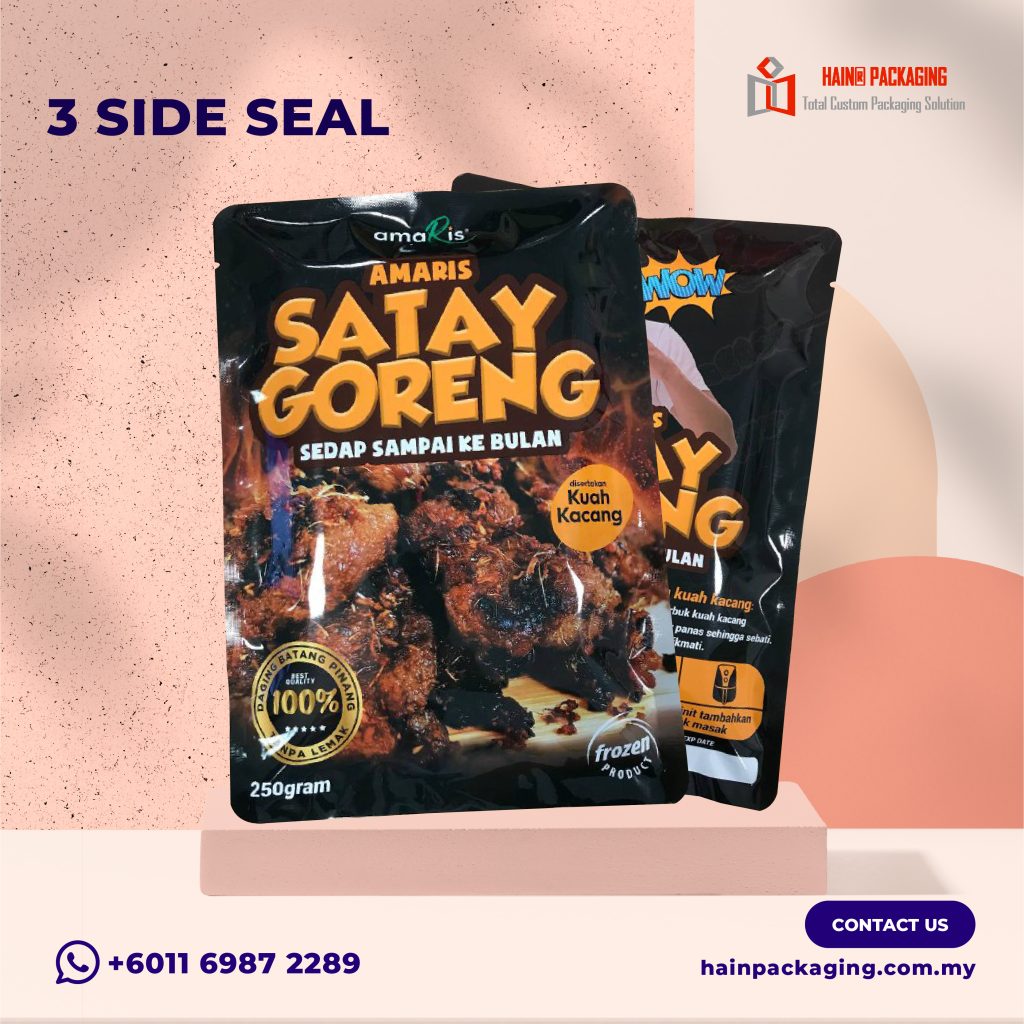
Before you place a bulk order for satay sauce packaging, check nine things in this order: fill weight, particle size, oil behaviour, film structure, seal window, barrier tier, format, print finish and batch traceability. That is the whole answer in one line, and it is exactly the sequence this guide follows. Miss any one of the nine and a perfectly good sauce can reach the customer as a leaking, oil-stained, dented pouch.
You probably already sense this. You have seen a batch that looked fine on the filling line and then sweated oil in the carton, or a seal that held in the factory and split somewhere on the highway. You are not imagining it, and it is not bad luck. Satay sauce is an awkward product to pack: ground nuts, chilli fibre and a free oil phase that separates from the water phase the moment the pouch goes still. The container has to cope with all three at once.
In this guide you will get a nine-point pre-order checklist built for satay and sambal producers in Malaysia, not a generic liquid-pouch article. Each check is written as a question you can put to a supplier, together with the evidence you should keep. We start with why the pouch usually fails first, walk the checks in groups, show a format comparison, then finish with a line-trial method and a short FAQ. By the end you will have something better than a preference: you will have a supplier brief.
Key takeaways – Satay sauce packaging fails at the seal and the oil phase long before the recipe spoils; check both before you order. – Fill weight, particle size and oil behaviour (checks 1–2) decide the film and seal window you can realistically use. – Film structure, seal window and barrier tier (checks 3–5) must be matched to your heat step and shelf conditions, not guessed. – A format comparison keeps stand-up, flat and spouted pouches honest about their real failure risks. – Run a small line trial with retained samples, then turn the results into a written supplier brief.
Why satay sauce packaging fails before the sauce does
The first thing to understand about satay sauce packaging is that the sauce rarely fails on its own. The recipe is stable, the customer likes it, and the batch that stayed in the factory store is perfect. What fails is the interface between the product and the pouch: the seal line, the film face, the corner that rubbed against the carton for two days. Once you see packaging as a system rather than a container, the nine checks stop feeling like paperwork and start feeling like insurance.
Three failure patterns show up again and again in satay and sambal lines. The first is seal contamination. Ground peanut and chilli particles are small enough to ride the product film up to the seal jaw, where even a thin film of solids prevents a clean weld. The pouch leaves the line looking sealed and then weeps oil from a weak spot four days later. The second is oil wicking. The free oil phase creeps along the inside of the film, reaches the seal and softens it, especially when the pouch is stored warm. The third is pressure and vibration in transit: a pouch with too much headspace or a weak gusset flexes, the seal fatigues, and the leak appears at the destination rather than at the factory.
None of this means satay sauce is impossible to pack. It means the pouch has to be chosen around the product, not around a price list. A line that works beautifully for a water-thin chilli sauce can fail with a nut-heavy satay paste because the solids and the oil behave differently under heat and movement. That is why the checklist starts with what is actually in the pouch before it says anything about film or format.
A useful mindset is to treat every check as a question with a retained sample as the answer. “Does the seal hold after warm storage?” is not a question you settle with a nod. It is a question you settle with a pouch you kept, weighed and photographed. Throughout this guide we keep coming back to that habit, because it is the difference between a supplier conversation and a supplier argument. Good satay sauce packaging is decided by evidence, not by adjectives.
The 9-point satay sauce packaging pre-order checklist
Here is the checklist in full, before we unpack each point. Keep it beside you when you speak to a converter or a sales engineer, and ask for the evidence rather than the reassurance.
- Fill weight and headspace — confirm the net weight and the empty volume left for expansion.
- Particle size of the solids — measure the largest ground-nut or chilli fragment that can reach the seal.
- Oil behaviour at fill temperature — record how much free oil separates and how fast.
- Film structure — match layers and thickness to fat content and heat step.
- Seal window — find the temperature, dwell and pressure range that tolerates contamination.
- Barrier tier — choose oxygen and light protection to suit the shelf life you promise.
- Format and retail handling — stand-up, flat or spouted, and how it sits on a shelf.
- Artwork and print finish — keep oil-resistant inks and scuff-prone areas in mind.
- Batch traceability — make sure each pouch can be traced to a production run.
Items one to five are product and process questions; items six to nine are commercial and handling questions. Both halves matter. A brilliant film choice cannot rescue a pouch whose artwork rubs off in a chilled cabinet, and perfect print cannot rescue a seal that weeps. We take the checks in the order above, in three groups, so you can work through them with a sample pouch in your hand and a pen in the other.
Check 1–2: fill weight, particle size and oil behaviour
The first two checks are cheap, and they remove more risk than any other pair on the list. Start with fill weight and headspace. Net weight is a legal and commercial number, but headspace is a packaging number, and buyers rarely write it down. Leave too little and the pouch bulges when the product warms in a truck; leave too much and the loose product slams into the seal every time the carton changes direction. For satay sauce packaging, the useful question is not “how much does it weigh” but “how much empty space travels with it”. Ask your filler to produce three samples at the target weight, then squeeze and gently shake them. A pouch that sloshes with a loud gap needs a format change or a tighter fill, not a stronger film.
Particle size is the second check, and it is the one that surprises new producers. Satay sauce is not smooth. Ground nuts, shallot and chilli fibre vary with the grinder and the batch. A fragment that is fine enough to pass a pump can still be coarse enough to sit on the seal jaw. Measure the largest particles by sieving a sample, then watch the filling line at the moment the jaw closes. If solids are visible at the seal area, you need a wider seal window, a longer settling time, or a film with a sealant layer that tolerates contamination. Any of those is cheaper than a returned carton.
The third part of this group is oil behaviour. Satay sauce separates: oil rises, solids sink, and the ratio changes with temperature and rest time. Record how much free oil you see after a set rest at fill temperature, and note whether it forms a film or distinct droplets. Free oil is not a defect in the recipe, but it is a demand on the pouch. A sauce that throws a visible oil layer needs a sealant and an inner film that resist oil wicking, and it needs a fill process that does not smear oil near the seal. If you are still choosing between pouch styles, the sauce and sambal packaging guide explains the base formats, but the oil and particle numbers above are what make satay different.
Run the three measurements side by side and write them on one sheet. Weight, particle size and oil ratio belong together, because a change to one often forces a change to another. A coarser grind may need a wider seal; a wider seal may need a longer dwell; a longer dwell may slow the line. Seeing them on one page stops a supplier from solving your problem in isolation.
Check 3–5: film structure, seal window and barrier tier
With the product described on paper, the next three checks turn that description into the film specification your satay sauce packaging needs. Film structure comes first. A pouch for satay sauce is almost always a laminate, because no single layer gives you print surface, strength, sealability and fat resistance at once. Ask the supplier which layer does which job: a printable outer, a barrier middle, and a sealant inner that tolerates oil and small particles. The point is not to memorise resin names. The point is to make the supplier state the function of each layer, so that a change in one layer can be understood before it reaches your line.
The seal window is the second of the group and the most practical. It is the range of temperature, dwell time and pressure over which the seal is strong and clean. A narrow window is fragile: a slightly dirty seal area or a warm day produces a weak weld. A wide window forgives the reality of a nut-heavy sauce. Ask to see a seal window study, or run one yourself by sealing a series of samples across a range and testing them. Keep the peeled strips. They tell you more than a datasheet, because they show whether failure happens in the seal or in the film.
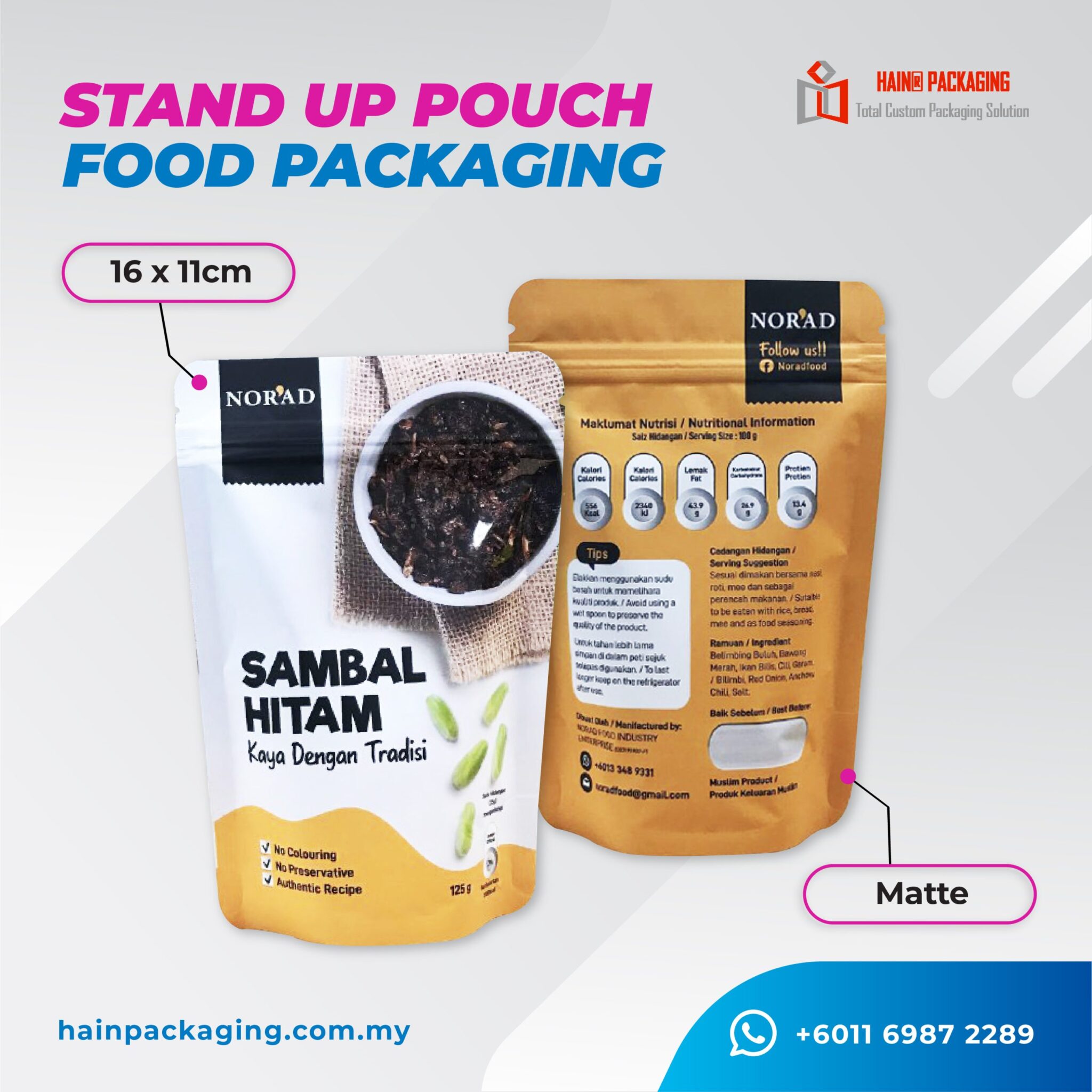
Barrier tier is the third check and it is where cost often creeps in. Satay sauce is fatty, and fat oxidises; light and oxygen accelerate the process. Decide the shelf life you actually need for your route to market, then choose a barrier that meets it rather than the highest tier on the shelf. Over-specifying is as wasteful as under-specifying, especially at scale. If your product is pasteurised or retorted, the film also has to survive that heat step without distorting or losing seal integrity; the discussion around retort pouch with zipper specifications is useful background for that decision. For background on how fats and packaging interact, the technical library at the Food Packaging Forum is a useful starting point, and Packaging World carries practical case material.
One caution belongs here. A supplier may offer a film that worked in another sauce category and suggest it will work here. It might, but “worked elsewhere” is not evidence for a product with this much free oil and this much particulate. Ask for a test on your sauce, at your fill temperature, with your particles. The barrier and seal answers only count when they are attached to your recipe. If your sauce will move through stricter retail channels, the notes on food packaging migration testing explain what a test report actually shows.
Check 6–7: format choice and retail handling
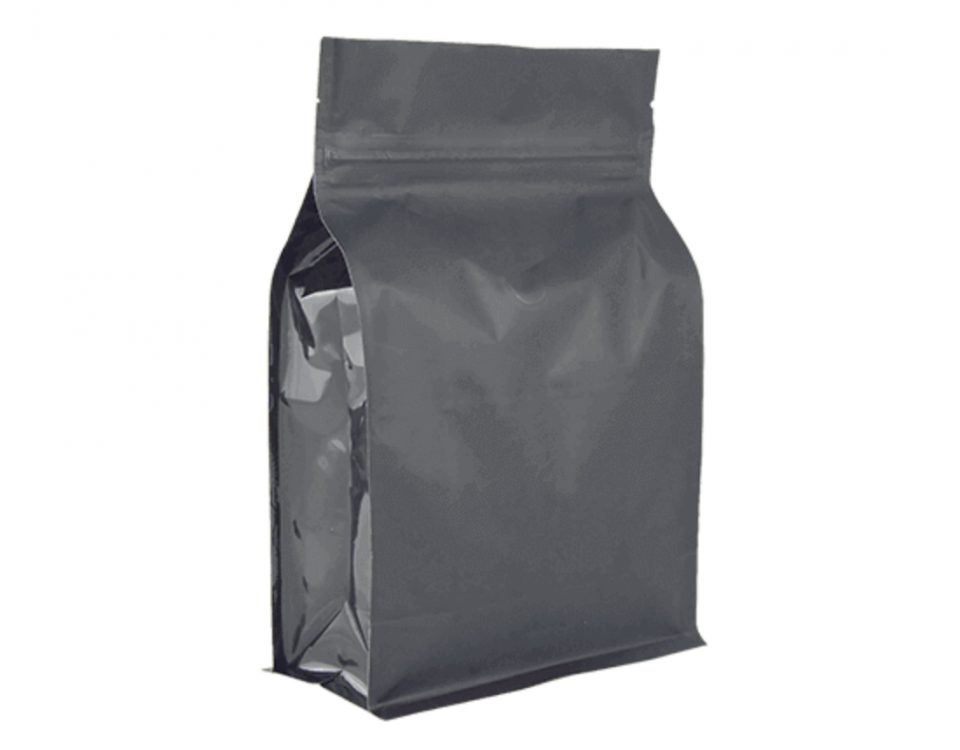
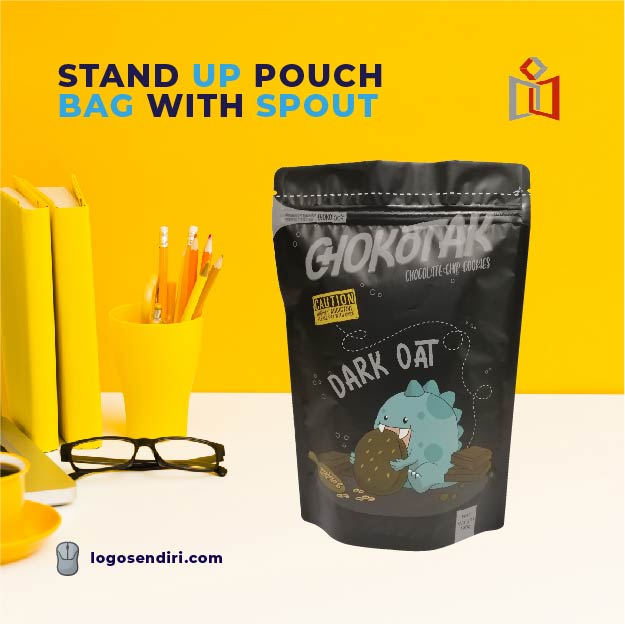
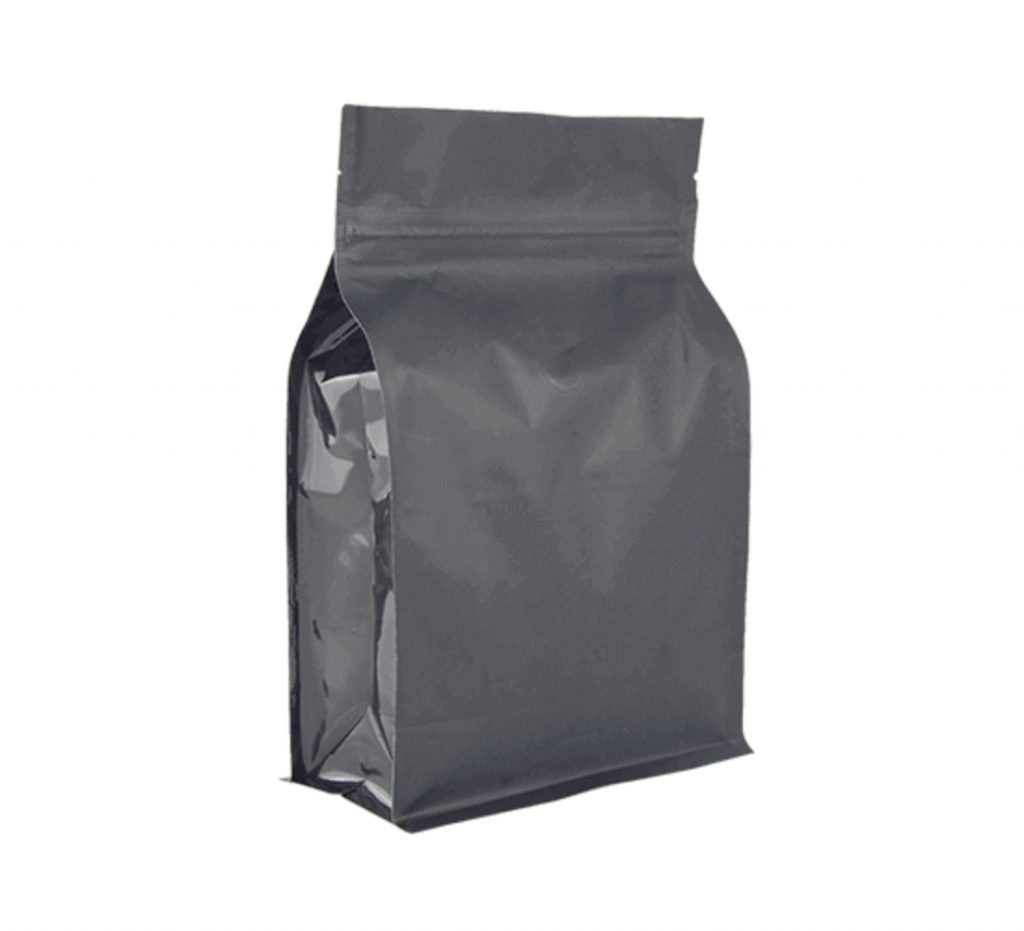
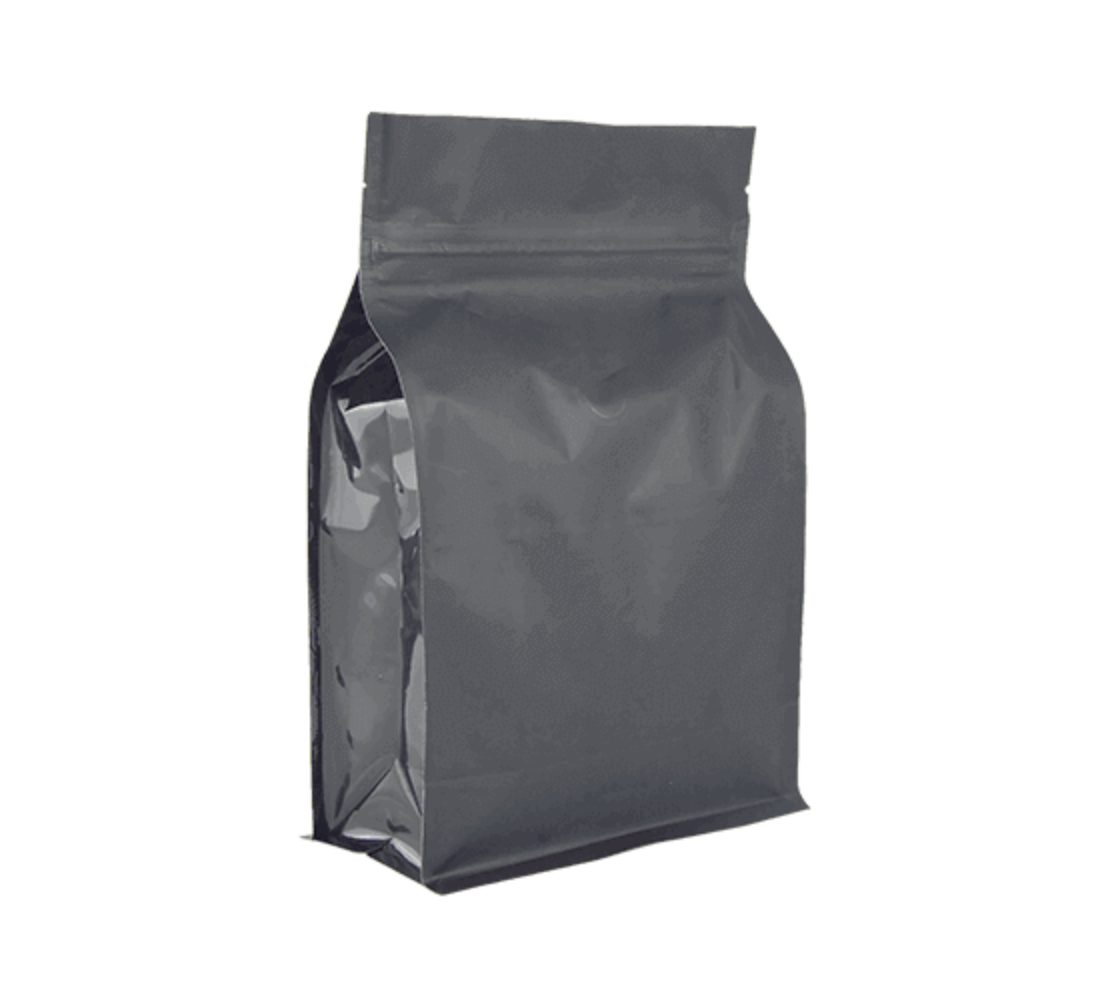
Checks six and seven move from the material to the shape. Format is not a matter of taste; it is a consequence of the product, the fill line and the shelf. A flat pouch is economical and ships well but stands poorly. A stand-up pouch commands shelf presence and needs a gusset that survives a fatty product and a warm store. A spouted format suits a sauce meant to be poured, but adds a component that can fail. For satay sauce packaging, the choice usually comes down to how the customer uses the product and how rough the route to the shelf is.
Retail handling is the partner question. A pouch that looks excellent in a photograph can scuff, dent or leak when twelve cartons are stacked on a pallet. Ask how the format behaves when it is cold, when it is warm, and when a corner is rubbed. Check whether the print area survives a chilled cabinet or a greasy kitchen counter. If your product is sold beside fresh items, ask what happens when condensation forms on the film. These are handling questions, and they belong in the same conversation as format.
The table below is a working comparator. The failure risk column is deliberately blunt: every format has one, and pretending otherwise is how rework happens. Use it to shortlist, then confirm with a sample.
| Format | Best use | Failure risk to watch | Evidence to keep |
|---|---|---|---|
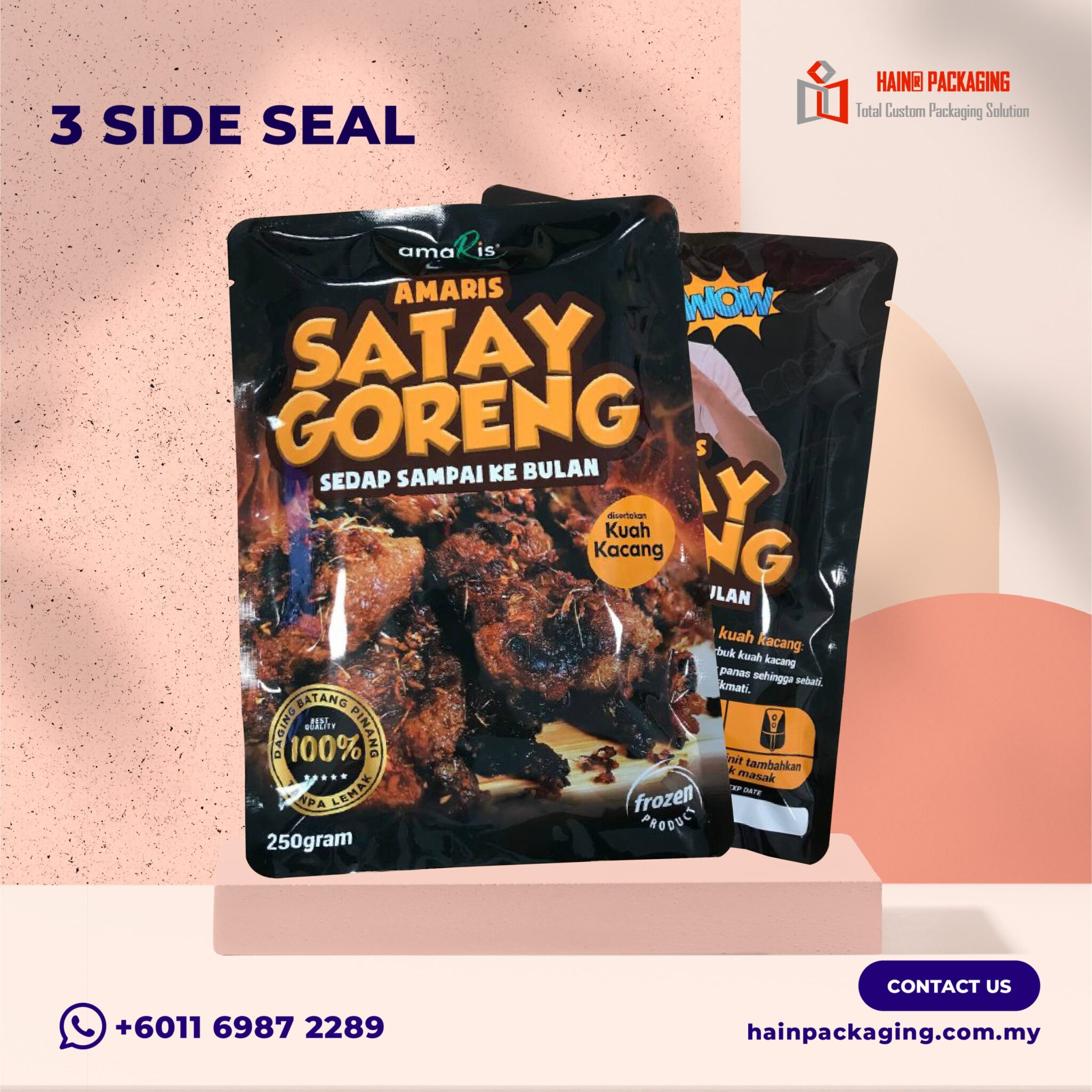
| Flat three-side seal | Sachets, single serve, tight cost | Seal contamination from particles; poor shelf stance | Peel test strips, filled sample photos |
| Stand-up pouch with gusset | Retail replacement for jars, shelf presence | Gusset flex and corner leaks in transit | Drop and stack test notes |
| Spouted stand-up pouch | Pourable sauce, repeat use | Spout seal and cap torque issues | Torque readings, leak check after warm rest |
| Retort-capable pouch | Heat-treated sauce needing ambient shelf | Seal stress after the heat step | Post-heat seal test records |
For neighbouring paste products, the barrier and format comparison for pastes covers the sambal and rendang cases in more depth; the same logic applies here with the added oil and particle load.
Check 8–9: artwork, print finish and batch traceability
Artwork and print finish are where a technically sound pouch can still disappoint. Satay sauce is oily and strongly coloured, so the ink and finish have to cope with fat at the seal and with abrasion in the carton. Ask which inks are used and how the printed surface is protected. A glossy finish looks premium but shows every scuff; a matt or varnish choice can hide handling marks. If your design uses a dark field, remember that an oil stain reads differently on dark ink than on light. Print a small run and rub it, fold it and wipe it with a damp cloth before you approve the whole order.
Artwork also carries information that must stay legible: net weight, ingredients, storage notes and the details buyers rely on. Keep critical text away from the seal area and the gusset crease, where print distorts. Ask the supplier for a die-line and place text against it rather than against a picture. This is the least glamorous of the nine checks and one of the most common sources of rework, because artwork errors are only visible once a full run is printed.
Batch traceability closes the list. You want to be able to take a pouch from a customer complaint back to the film lot, the print run and the filling shift. Agree in advance what code will be printed, where it sits, and how it is read. A simple lot code tied to your own records is enough for most small producers; a more elaborate system may be warranted as you grow. What matters is that the code exists and that someone can read it a year later. When you review a supplier’s capability, ask to see a recent code in situ rather than a promise on a slide.
Handled together, checks eight and nine protect the commercial side of satay sauce packaging: your brand on the shelf and your ability to answer a question when something goes wrong. They are cheap to settle before an order and expensive to retrofit after one.
How to run a line trial without wasting a full batch
A checklist is only as good as the trial that tests it. You do not need to commit a full batch to learn whether a pouch works. A short, structured trial with a few hundred units can expose most failure modes if you set it up properly.
Start by agreeing the trial conditions with the supplier: the fill temperature, the target weight, the seal settings and the number of pouches. Use the same sauce you intend to sell, including the real particle size and oil content. Substitute water or a thin simulant and you will learn almost nothing about the problems this checklist is designed to catch. Fill a small run, then divide it into groups. Test one group straight from the line, store one warm, chill one, and put one through a short transport simulation. The point is not to destroy pouches for sport; it is to reproduce the conditions the product will meet.
Record what you see in a simple sheet: seal appearance, any oil at the seal, gusset shape, scuffing, and whether the code is readable. Weigh a few pouches before and after the warm store to see if anything is losing mass. Peel a few seals and note where they fail. Photograph everything with a date. This record becomes the evidence you keep, and it is what turns a vague feeling that “the pouch felt weak” into a decision the supplier can act on.
Use the trial to settle open questions from the nine checks. If the seal window is narrow, ask the supplier to adjust and run again. If the oil wicking is visible, revisit the film structure rather than blaming the operator. If the format scuffs, change the finish or the carton. Each iteration should change one variable so you know what fixed the problem. A supplier who is willing to run a small trial and discuss the results is telling you something useful about how the relationship will work; the wider discussion of oil and fat behaviour in the sauce and sambal packaging guide gives more background on the product side.
Cost is the usual objection, but a few hundred pouches is a small price against a rejected container. Treat the trial as part of the tooling of satay sauce packaging, not as an optional extra.
FAQ: questions buyers ask before approving artwork
What is the most common cause of leaks in a satay sauce pouch? Seal contamination and oil wicking account for more leaks than film failure. Particles or free oil at the seal jaw stop a clean weld, so check particle size and oil behaviour before you change the film or the supplier.
Do I need the highest barrier film available? Not necessarily. Choose the barrier that meets the shelf life you actually promise for your route to market, then test it with your own sauce. Paying for a tier you do not use is a common source of waste at scale.
How wide should the seal window be? Wider is safer for a nut-heavy sauce. Ask for a seal window study and keep the peel strips. A narrow window turns normal variation in fill and temperature into a weak pouch that only fails later in transit.
Can I reuse a film that worked for chilli sauce? Only after testing it with satay sauce. The solids and free oil behave differently, so a film that passed on a thinner sauce may weep or scuff on this one. A short trial answers the question quickly.
Conclusion: turn the checklist into a supplier brief
The nine checks are not a test you pass once and forget; they are the structure of a conversation you can repeat with any supplier. Start with what is in the pouch — fill weight, particle size and oil behaviour — because those three numbers drive everything downstream. Then settle film structure, seal window and barrier tier against your own sauce rather than a generic datasheet. Choose format and finish for the shelf your product actually sits on, and make sure a lot code can take a complaint back to its run. Finally, run a small trial and keep the samples.
Do that and satay sauce packaging stops being a gamble. You will be able to compare two quotes on the same basis, spot the supplier who tests rather than promises, and catch the failure modes — seal contamination, oil wicking, transit flex — before they reach a customer. The goal is not the cheapest pouch. It is the pouch that arrives as good as the sauce you put in it.
Take the checklist from this page into your next supplier meeting, and for the product and process background behind the checks, read the sauce and sambal packaging guide before you sign anything.
Ready to put the checklist on a real spec sheet? Share the sauce, fill weight and target shelf life through our contact page and we will quote the pouch and the print.