
Four Side Seal Pouch Compared With Three Other Seals
October 19, 2026
The enquiry usually arrives by phone and it usually names a product rather than a pack. A buyer in Shah Alam wants pouches for a new coffee blend, a buyer in Johor Bahru wants something for a fertiliser line, and both say gusset pouch. What they mean by it differs, and the difference only becomes visible when the conversation reaches size, quantity and finish. Gusset pouch malaysia orders cluster into recognisable bands, and knowing which band an enquiry belongs to is most of the work.
This page is about what is on the market here rather than how to calculate a dimension. The geometry of a gusset, how depth relates to bottom width and how a volume is derived from a flat sample, is a separate exercise. What follows instead is the commercial shape of the category, the size bands that get quoted repeatedly, how a minimum order is assembled, and which band suits which product.
The local plastics industry body publishes background on the sector at mpma.org.my, and where the question is whether a gusset construction is right at all rather than which band to buy, the comparison against flat bottom construction is the better read.
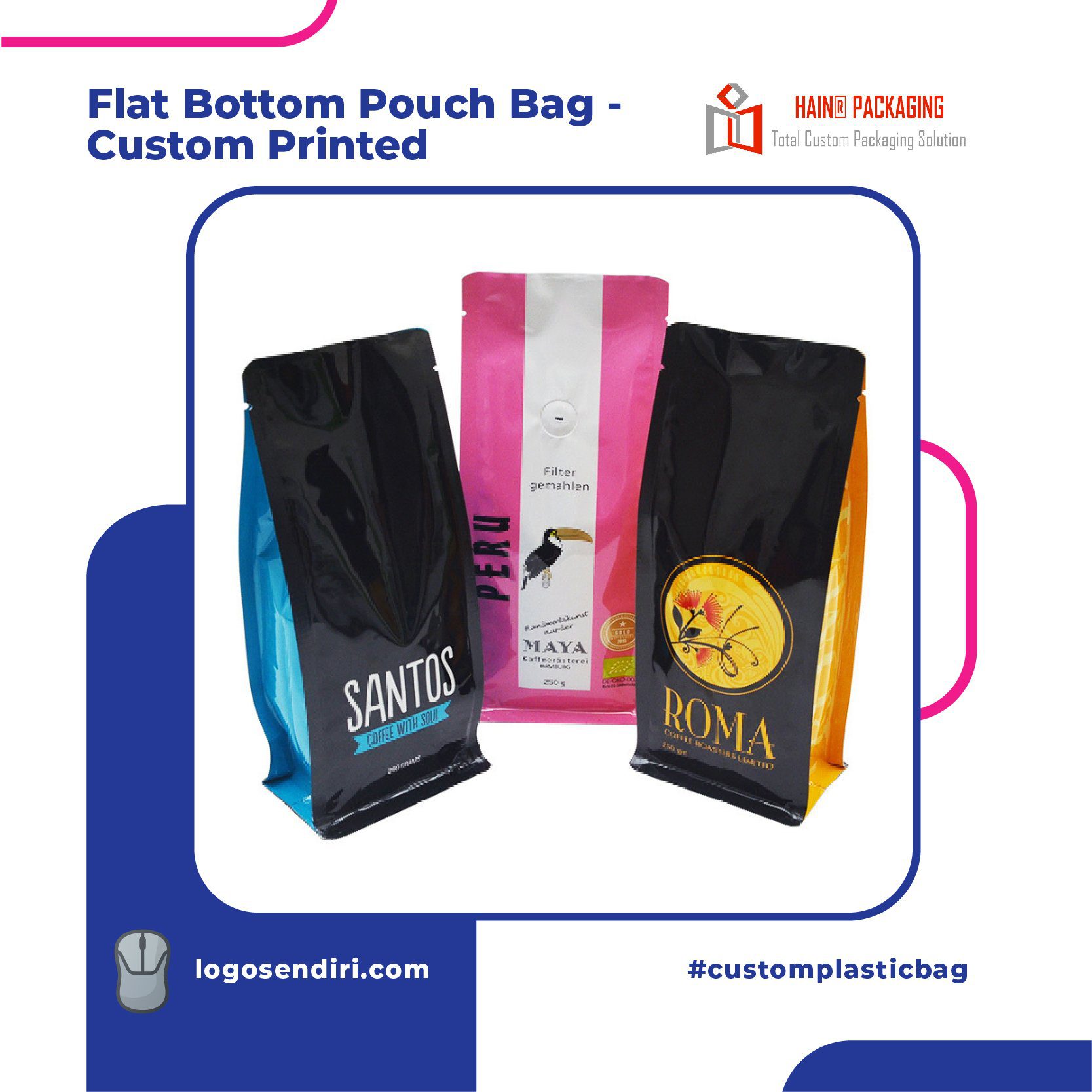
What a Gusset Pouch Malaysia Buyer Usually Means
In this market the phrase covers two constructions that behave differently. A side gusset pouch has folds running up each side edge and a rectangular base that opens when filled. A bottom gusset pouch has the fold across the base, and the body stays closer to a flat tube. Both are called gusset pouches in conversation, and both are stocked and quoted here.
The distinction matters commercially because the two sit in different bands. Side gusset construction is the standard for coffee, for snack lines that want a rectangular footprint, and for the mid range sizes. Bottom gusset construction is common at the smaller end and for products that are packed flat.
A buyer who names the construction gets a quotation in one exchange. A buyer who only names the product gets a question back, and the answer usually reveals that the product sits in a band the buyer had not considered. Naming the band, or at least the fill weight, shortens this considerably.
The Size Bands That Get Quoted Most Often Here
Four bands account for most of what moves. The smallest covers single serve and sample portions, the pack that fits in a hand and holds well under 100 grams. The second covers the retail grocery range, roughly 250 grams to 1 kilogram, and it is the band with the widest variety of finishes because it is the band that competes for shelf attention. The third covers the large household and food service sizes, 2 to 5 kilograms, where the pack is carried by a handle and the print is simpler. The fourth covers industrial and agricultural fills at 10 kilograms and above, where film strength dominates and print is often a single colour.
These bands are not arbitrary. Each one corresponds to a different converting setup, a different film gauge range, and a different set of filling equipment on the buyer’s side. A supplier quoting across all four is effectively quoting four different products, and a buyer comparing quotations across bands without realising it is comparing unrelated figures.
Within a band, sizes are not continuous. Suppliers hold tooling and film widths in steps, and a requested size between two steps is either quoted at the next step up or quoted with a setup charge for a new width. Asking whether a requested size is a standard step is the single most useful question in the category, and it is rarely asked.
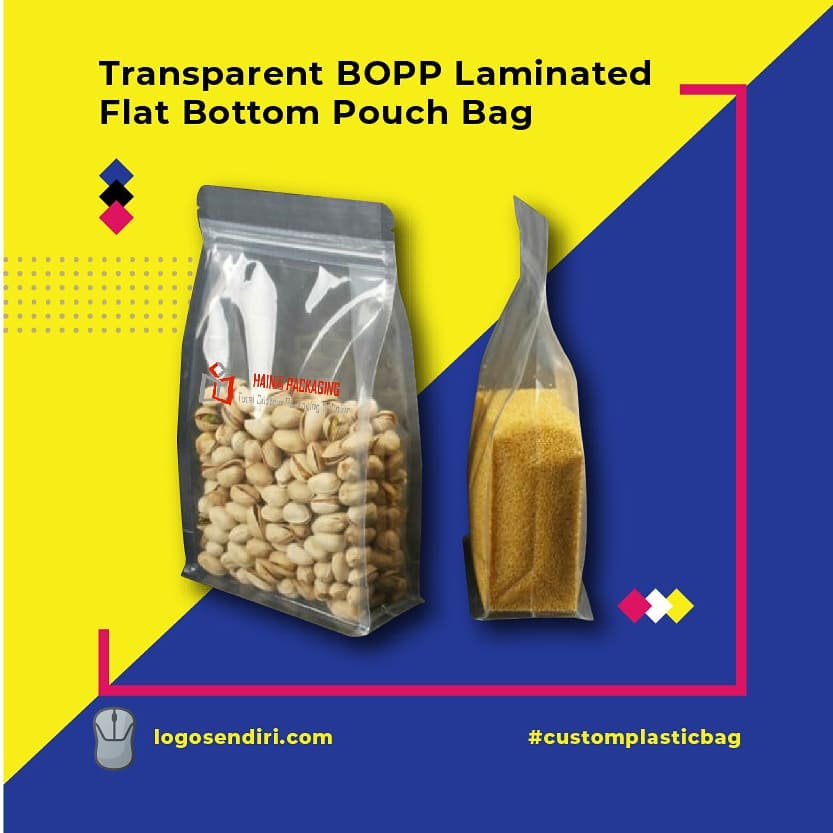
How a Minimum Order Quantity Is Actually Built Up
A minimum order is not one number. It is the highest of several smaller minimums, and understanding which one binds tells a buyer what to change to bring an order into reach.
The first component is the material minimum. Film is made in a run, and a short run of a custom structure is uneconomic for the film maker, so there is a floor on how little of a given laminate can be ordered. The second is the printing minimum, which is driven by plate or cylinder setup and by the make-ready waste at the start of a run. The third is the converting minimum, the point at which setting up a pouch line for one specification becomes worth the machine time.
For a plain pouch in a standard size, the material minimum usually binds and it is the lowest of the three. For a printed pouch, the printing minimum binds and it is higher. For a printed pouch in a non-standard size with a special finish, all three bind and the total is the sum rather than the maximum. This is why two pouches that look similar on a drawing carry very different order floors. The mechanics are set out in more detail in the flexible packaging minimum order guide, and the low minimum order options cover what is available when the floor is out of reach.
Matching Each Band to the Product It Suits
The smallest band suits samples, single portion condiments, and anything handed out rather than sold off a shelf. Print quality matters less than unit cost, and closures are frequently omitted.
The retail grocery band suits coffee, snacks, dried fruit, pet treats and confectionery. This is where a zipper, a degassing valve, a matt finish or a metallic layer earns its cost, because the pack is competing for attention and is reopened repeatedly after purchase. Where the product is sensitive to oxygen or moisture, this is also the band where barrier structure starts to drive the specification rather than following it.
The large household band suits rice, flour, sugar, detergent and food service ingredients. The pack is carried, so handle strength and seal integrity dominate. Print is usually one to three colours and the artwork is a brand mark rather than a photograph. Barrier requirements appear here too, mostly for products that cake or clump.
The industrial band suits fertiliser, animal feed, soil conditioner and resin. Film strength, puncture resistance and UV stability matter more than anything visual, and a single colour print on a heavy gauge is the norm. Buyers in this band usually know their specification precisely, and the conversation is about consistency rather than design.
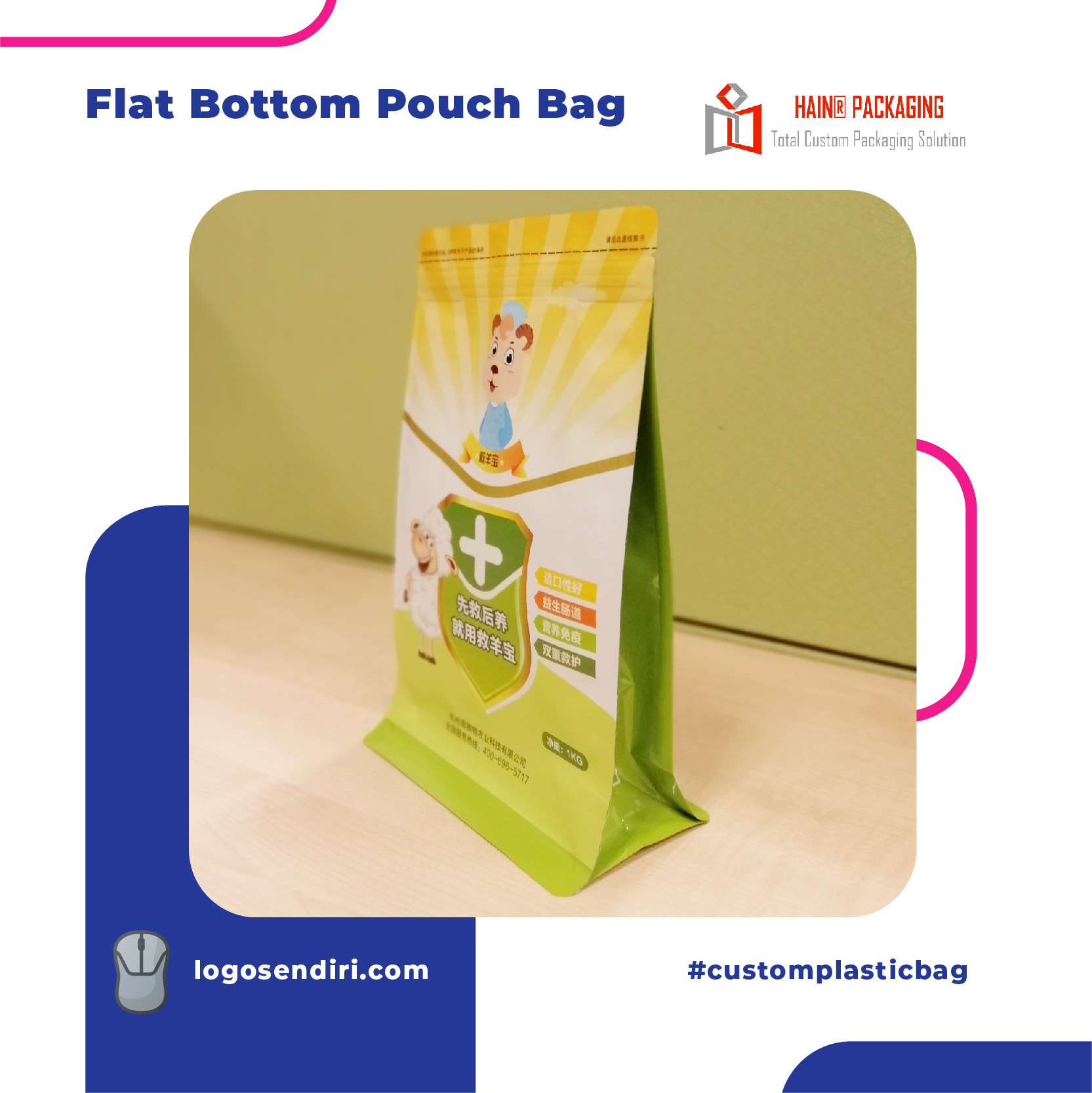
Printing and Finish Choices Inside Each Band
Finish options are not evenly distributed across the bands, and assuming they are leads to disappointment. Digital and short run printing is available at the small end and suits the sample band well. Flexographic printing dominates the retail band, where the run justifies plates and the artwork is complex. The industrial band is usually printed in one or two colours on the same press that makes the pouch, with the print treated as a marking rather than a brand exercise.
Additions behave the same way. A zipper is common in the retail band, rare in the large household band and absent in the industrial band. A degassing valve belongs to coffee and to nothing else. A metallic layer appears almost entirely in the retail band, where it is doing visual work. Asking for a finish that belongs to a different band is possible and usually expensive, because it pulls the job onto a different line.
Carton Packing and Storage at the Buyer End
Pouches arrive in cartons, and the carton quantity is part of the specification even though it rarely appears in an enquiry. A band that fills a carton efficiently is cheaper to ship and easier to store than one that does not, and the difference shows up as a partly filled carton that has to be handled like a full one.
Storage matters more here than buyers expect. Film is sensitive to heat and to sustained pressure, and a pallet of filled cartons left in a hot warehouse will show blocking, where pouches stick together, and print transfer, where ink moves from one pouch to the next. Both are storage problems rather than manufacturing defects, and both are worth raising before a large order is scheduled rather than after.
The practical check is to ask how many pouches ship per carton, how many cartons per pallet, and whether the pallet is stretch wrapped. Three questions, and each one has an answer that affects what happens after delivery.
What to Confirm in Writing Before a Gusset Pouch Malaysia Order
Six items belong in writing. The band and the fill weight it corresponds to. The construction, side gusset or bottom gusset, stated by name. The material structure, or an explicit request for a proposal. The print, as colours per side rather than a total. The quantity per design, since a minimum applies per design and not per order. And the carton quantity.
The fifth catches buyers out. An order of three designs at a third of the minimum each does not meet the minimum, because plates and setup are per design. Splitting an order across designs looks like it reduces risk and in practice it raises the floor. The minimum order guide walks through how this is calculated.
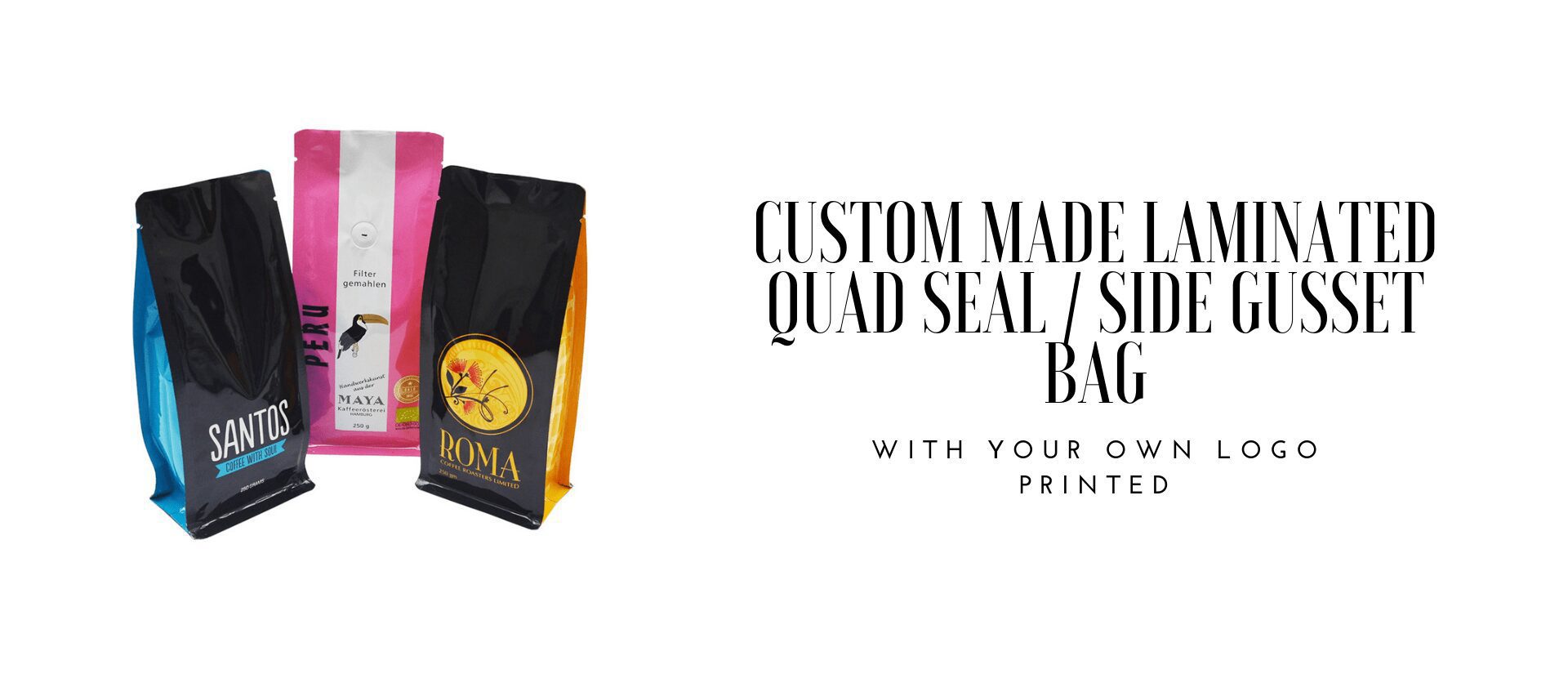
Gusset pouch malaysia orders are quoted in bands rather than in individual sizes. Name the band, name the fill weight, name the gusset construction and give the quantity per design, and most of the order is settled. Sampling, scheduling and carriage should be raised with the sales team, as each depends on the specification and how large the order is.