Branded Shipping Packaging for Malaysian Online Sellers
October 13, 2026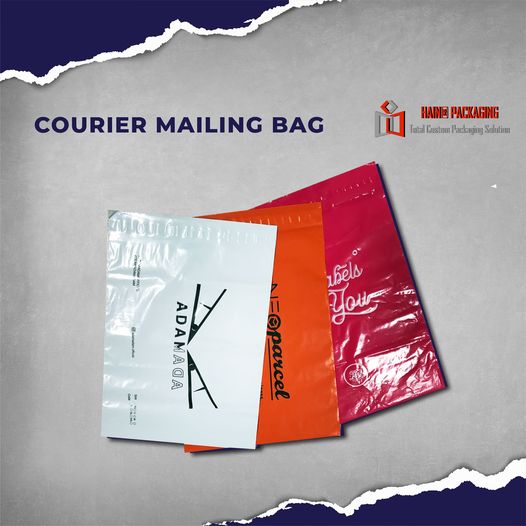
Pull up any Malaysian consignment note and look at what it asks for. Service type, actual weight, volumetric weight, declared value, origin and destination postcode. What it does not ask for, anywhere on the form, is what the parcel is packed in. That omission is the reason the same seller can be perfectly happy with their packaging on one sales channel and quietly losing money on another. Custom courier packaging is not one specification that gets bought once. It is four different specifications that happen to be made from the same material, and the differences are produced by the channel the parcel travels through, not by the product inside it.
Channel determines four things that a spec sheet cannot guess at: who prints the label and where it lands, who pays the freight and therefore who cares about volumetric weight, who opens the bag and what they need to see when they do, and how many hands the parcel passes through before it gets there. Sorting the problem by channel rather than by product type produces a shorter specification list, because each channel eliminates most of the options rather than adding to them.
What Marketplace Fulfilment Demands From Custom Courier Packaging
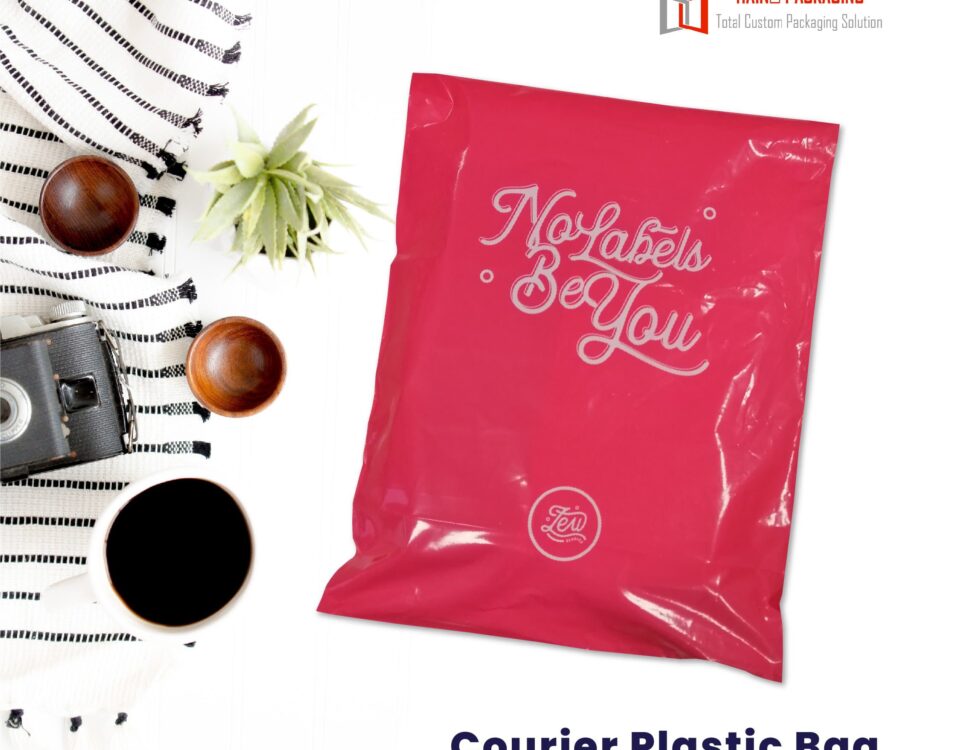
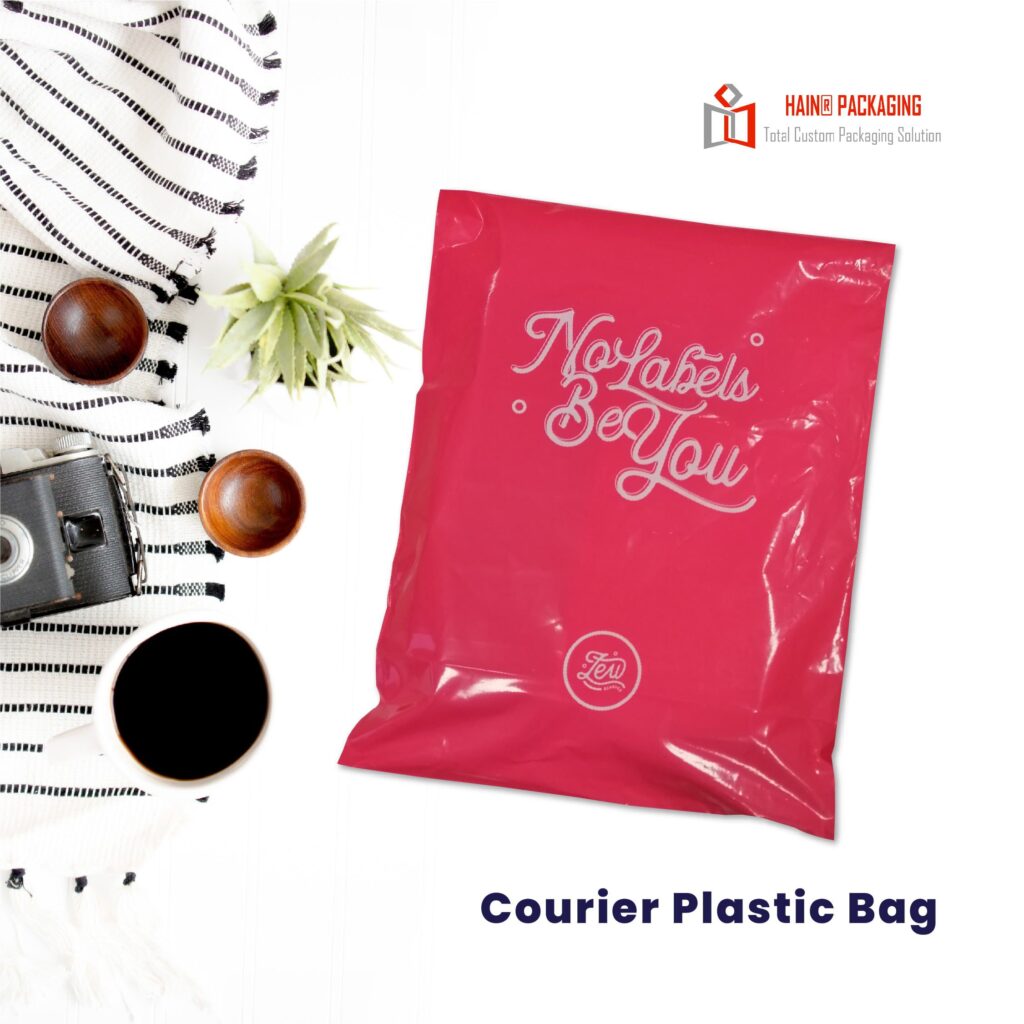
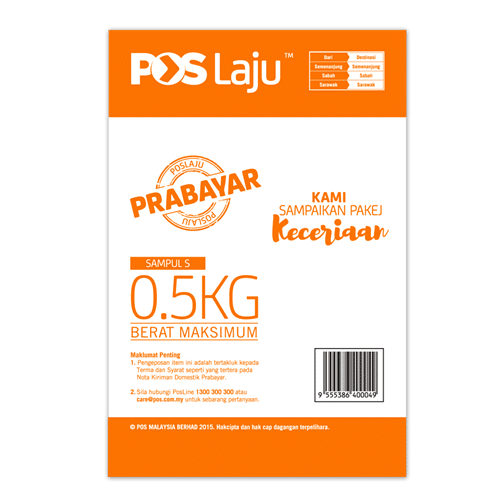
On the marketplace channels, the seller prints a platform label and sticks it on whatever bag is on the bench. That single fact dictates most of the specification. The label is typically a thermal self-adhesive rectangle around 100 × 150 mm, it has to land on a flat uninterrupted surface, and it carries a barcode that a scanner has to read at speed and, increasingly, from an angle. A bag with a side gusset that puts a fold line under the label is a bag whose barcode will fail to scan in the hub, and a failed scan is a parcel that sits.
The second constraint is the returns path. Marketplace returns travel back to the seller in the same bag, which means either the customer needs a second adhesive strip to reseal it or the seller needs to accept that the original tamper evidence is gone. A dual-strip closure costs slightly more per bag and saves a measurable number of disputes. Marketplace parcels also tend to be small and numerous, so a size ladder of two or three sizes covers most catalogues, and the run quantity per size is high enough that printed artwork becomes economical earlier than sellers expect. The full sizing discussion is laid out in our courier bag Malaysia guide.
Where Own Webstore Parcels Change the Specification
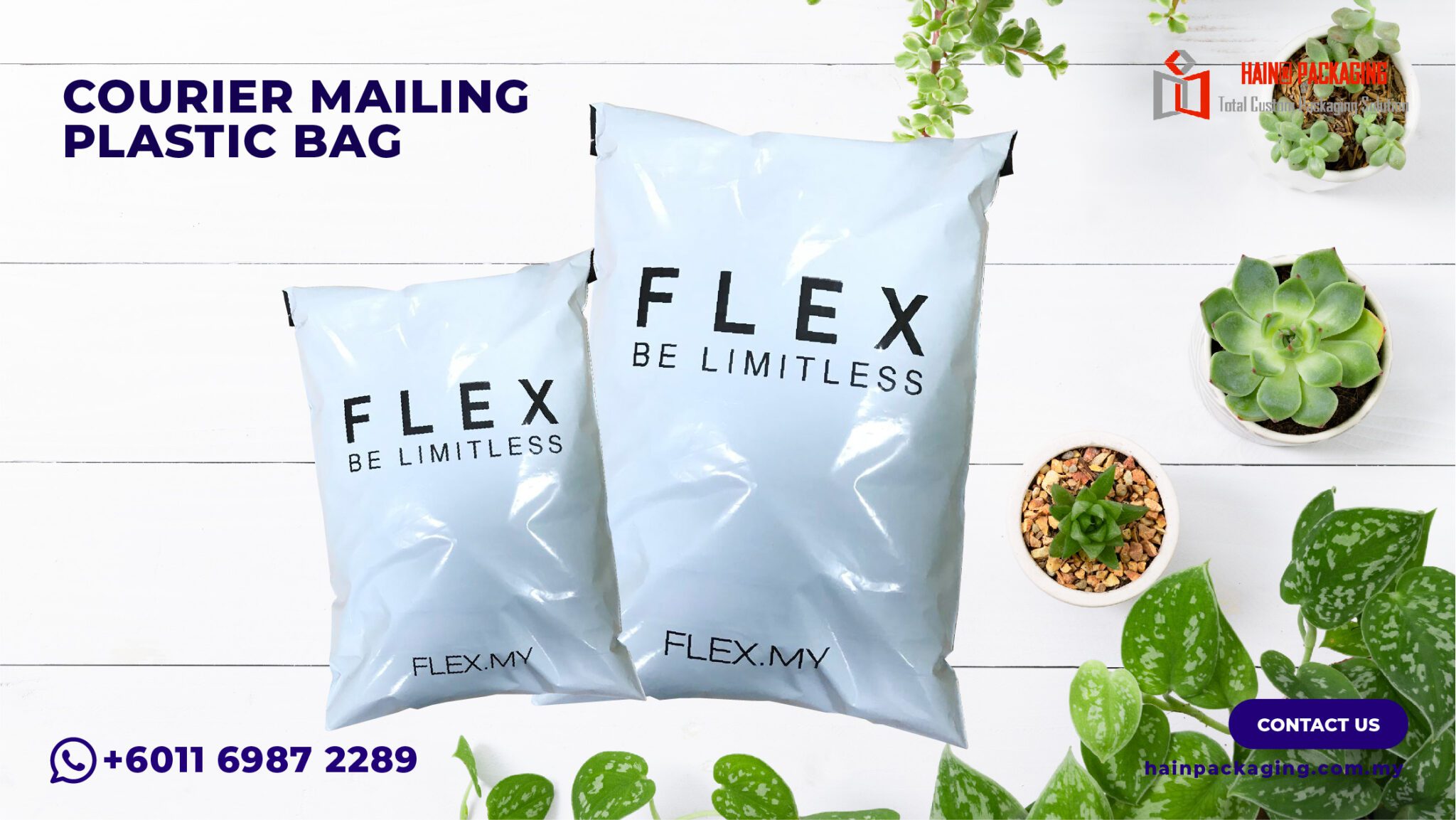
Take the same seller off the marketplace and onto her own webstore, and three constraints change at once. She picks the courier, so she pays the full freight and volumetric weight becomes her problem rather than a platform’s flat rate. There is no platform label, so the whole surface is hers to design. And the parcel lands on a customer who chose her brand directly, which turns the bag into the first physical thing that customer touches.
That combination pushes the specification in a specific direction. Freight sensitivity means the bag should be sized tightly to the contents, because every centimetre of unused space is billed at the courier’s volumetric divisor — a 350 × 280 × 120 mm parcel and a 300 × 250 × 40 mm parcel are billed very differently for identical contents. Brand exposure means the print quality matters more here than on any other channel. And a directly acquired customer is worth more, so the protection level should be set against the cost of losing that customer rather than against the cost of the bag. Current service tiers and size limits published by Pos Malaysia are worth reading against your own product dimensions before you fix a size.
There is a second cost on this channel that never appears on the marketplace one. When a marketplace parcel is lost, the platform’s dispute process decides who carries the loss, and the seller usually has some protection. When a direct parcel is lost, the seller carries the whole thing and negotiates with the carrier alone. That asymmetry is a good reason to specify tamper evidence and a documented seal on webstore parcels even when the contents are not especially valuable, because the seal is what turns a disputed claim into a documented one.
How Store-to-Store Transfers Get Counted
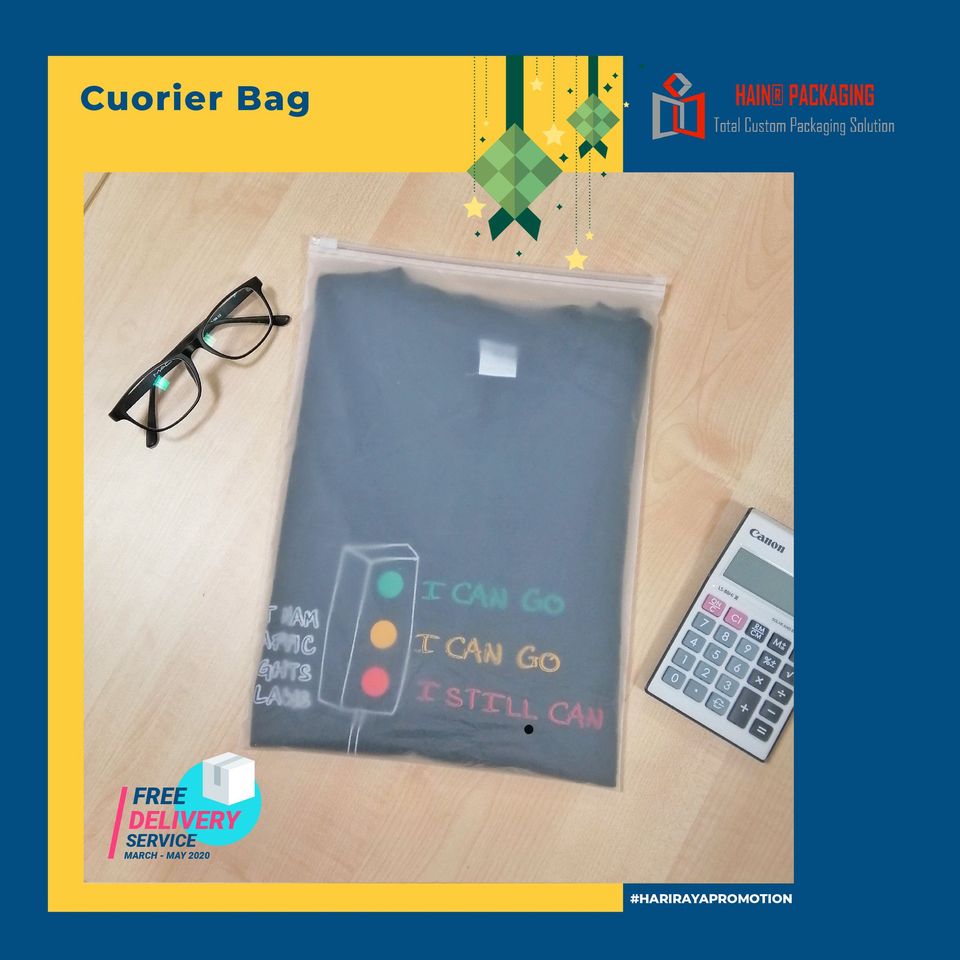
The third channel does not involve a consumer at all, and it is where most businesses go wrong by reusing their customer-facing bag. A stock transfer between outlets, a replenishment run to a reseller, or a delivery to a corporate canteen has one job: the receiver has to be able to verify the count without opening everything. That pushes the specification towards transparency or a clear window, towards a writable or printable surface for a contents list, and towards sequential numbering if the transfer is high value.
Tamper evidence also means something different here. On a consumer parcel, tamper evidence protects the buyer against the seller. On a transfer, it protects the receiving branch against the sending one, and against anyone along the route. That makes a documented seal — a numbered or signed closure — worth more than a decorative printed pattern, even though the pattern looks more professional on a quote. Transfers also tend to run in larger sizes and lower quantities, which changes the economics of printing entirely; artwork is often better replaced by a pre-printed contents grid and a space for a signature. Sizing for this channel is covered in the consignment packaging formats we run for transfer work.
Once you know which of these channels carries most of your volume, the specification gets much easier to write down. The custom courier bag Malaysia page sets out the size ladder and closure options side by side, which is usually where the final choice gets made. Questions about sampling, or about how fast a run can be turned around, get answered against your specification, your print route and your quantity, and sales settle them per order.
Why Cross-Border Parcels Carry Their Own Paperwork
The fourth channel adds a document to the parcel, and the document has to travel on the outside. A cross-border shipment needs a customs declaration and often a commercial invoice, and a declaration that has been folded into a bag or taped to the outside with packing tape gets separated from the parcel with surprising regularity. This is the one channel where a document pouch is not a convenience but a requirement, and the pouch has to be large enough for an unfolded A5 sheet.
Transit length is the other change. A cross-border parcel passes through more hubs, sits longer, and is more likely to be handled in the rain. That argues for a heavier film, a closure that does not depend on an adhesive that has been through a temperature cycle, and a printed surface that will still be legible after the label has been stuck over part of it. It is also worth noting that the value threshold at which import duty and taxes apply on goods entering Malaysia has been revised more than once since 2023, so the current figure should be confirmed with the carrier or the authority before you print any duty information onto the bag itself.
What Custom Courier Packaging Specs All Four Channels Share
Three specifications survive across every channel, and they are the ones worth locking down first because they determine the quote. Film gauge, set by the heaviest and sharpest thing you ship rather than the average one. Closure type, set by whether the bag has to be opened and resealed, or opened once and shown to be opened. And size ladder, set by your bulkiest product across all channels, not by each channel separately, because splitting the ladder across channels multiplies your minimum order quantity for no benefit.
Everything else — print coverage, colour count, special closures, document pouches — is a channel decision layered on top of those three. A business that ships on two channels can usually run one base bag and one variant, which keeps both quantities high enough for printing to make sense.
The order in which these three are decided matters more than it looks, because each one constrains the next. Gauge limits which closures can be reliably sealed to the film. Closure type limits where artwork can sit, since a hot-melt band needs clean film on both sides. And the size ladder is the only one of the three that should be revisited every time your catalogue changes, because a new product in a new size is the most common reason a perfectly good bag specification stops working.
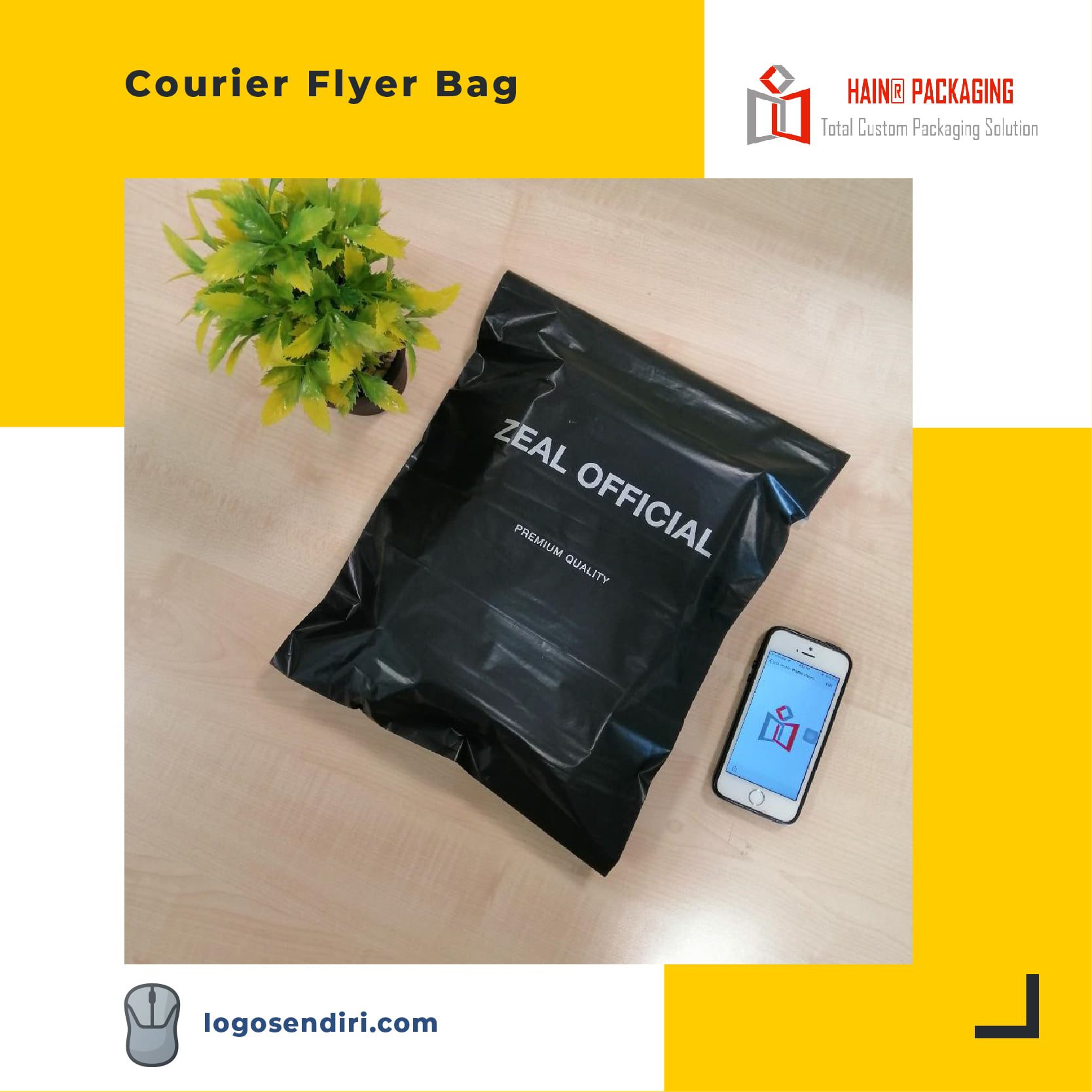
Send us your monthly parcel count, your bulkiest folded product dimensions, and which of the four channels carries most of your volume. That is enough for us to put a custom courier packaging size ladder and closure in front of you.