Low Minimum Order Packaging Malaysia: How to Start Small
September 30, 2026
Contract Packaging Malaysia: When to Outsource Filling & Packing
September 30, 2026White label packaging is the fastest route from product idea to shelf-ready brand, because the packaging is manufactured with your design while the factory handles production, printing, and quality control. For a Malaysian entrepreneur launching a coffee blend, supplement line, or skincare range, white label packaging Malaysia removes the need to build a factory relationship from zero: you bring the brand, the manufacturer brings the film, the print line, and the compliance paperwork. This guide walks through the seven decisions that separate a smooth white label launch from a costly one.
What White Label Packaging Malaysia Actually Means
The word “white” refers to the blank or unbranded base that your design gets applied to. You are not buying an off-the-shelf bag; you are commissioning a run of packaging that carries your logo, colours, and claims, produced to your specification. This is different from buying stock packaging and slapping a sticker on it: white label packaging is manufactured to your artwork, so the brand impression is controlled from the film layer up.
For Malaysian F&B and personal care brands, white label is particularly attractive because the domestic packaging industry has mature digital and gravure printing. You can go from artwork to a branded pouch in a matter of weeks, with options at almost any volume tier. What decides success is how you manage the process — and that is what the seven decisions below cover.
1. Choose the Right Format for Your Product
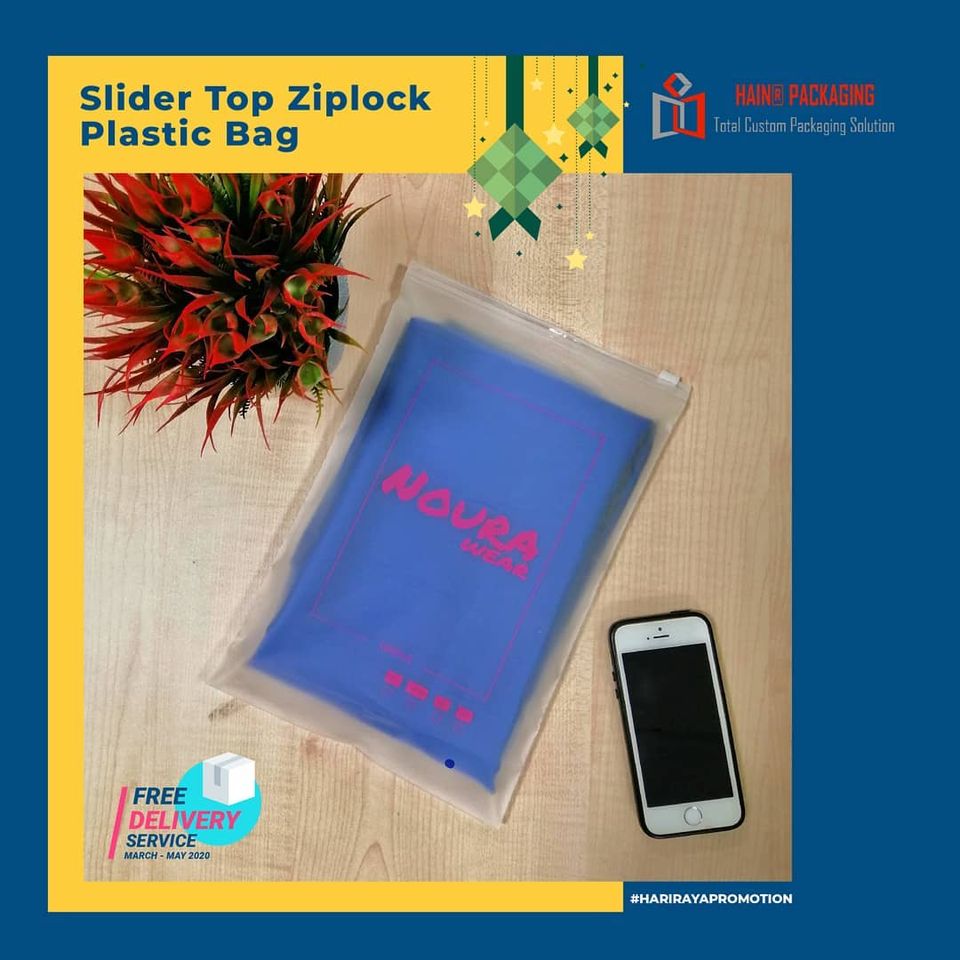
The format must match how the customer uses the product, not what looks nicest on a mock-up. A coffee brand typically needs a stand-up pouch with a one-way valve so aroma escapes without letting oxygen in. A supplement brand usually wants a ziplock stand-up pouch for repeated opening and closing. A sauce or sambal producer needs a spout or a pouch with a strong seal that survives pouring and storage.
Each format changes the film structure, the print area, and the cost per unit. Before asking for a quote, define your product’s weight, packed dimensions, monthly volume, and how the customer will open and re-close the pack. That specification is the shortest path to an accurate price.
2. Own Your Artwork From Day One
White label only works if you control the design files. Insist on receiving print-ready artwork specifications from the factory — bleed, colour profile (CMYK), font outlines, and minimum line thickness — before you commission any design. A designer who understands flexographic or digital printing constraints will save you from expensive surprises when the first proof comes back.
If you do not have design capability, a factory with an in-house design and artwork service can prepare the files for you, but keep the master files on your side so switching suppliers later is your choice, not theirs. This also protects you if the factory’s design tool changes or the designer you worked with moves on — the brand asset stays with you.
3. Verify Food-Grade and Halal Compliance Up Front
For food and beverage products, the packaging is part of the compliance story. Confirm that the film, inks, and lamination are food-contact safe, and that the documentation — material certificates, batch records, halal where applicable — is available before you commit. Retail buyers and export partners increasingly request this paperwork, and having it in the folder at launch saves months of scrambling later.
Malaysian food brands should also check whether their target market expects halal certification for the packaging facility itself, not just the product. A supplier whose production meets recognised halal requirements (see JAKIM’s halal portal for what halal compliance entails) removes that audit risk from your side. The same logic applies to any claim you print on the pack: if you say “food-grade”, the material statement must support it.
4. Lock a Colour Proof as the Re-Order Reference
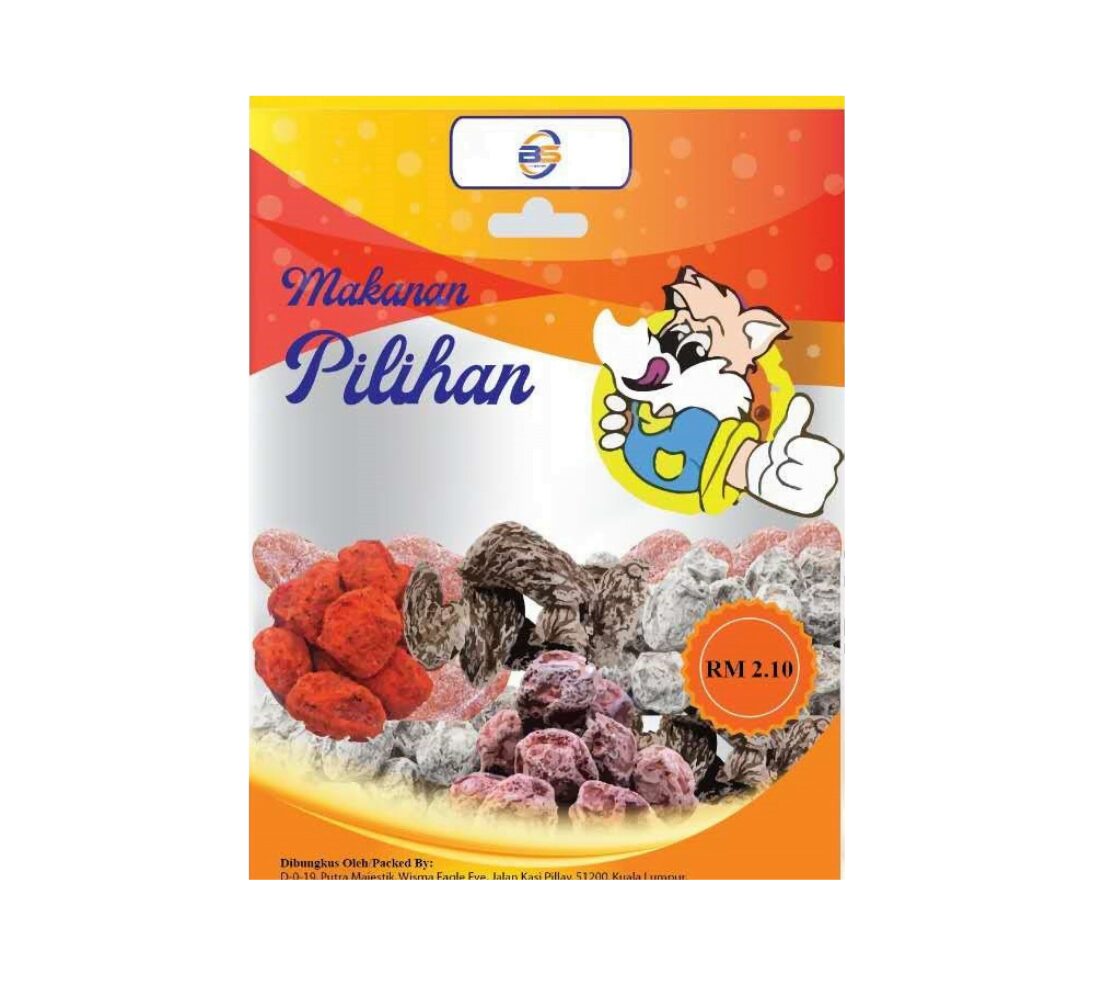
Brand consistency across re-orders is the difference between packaging that looks like a brand and packaging that looks like a series of accidents. Ask for a physical colour proof before production, approve it carefully, and keep the approved proof as the reference for every future order. When you re-order the same artwork, the factory matches the retained proof, so the pouch you ship in month six matches the one you approved in month one.
This discipline matters most for white label brands because the entire brand impression sits on the pack. A colour shift between batches reads as a quality problem, even when the product is identical. Keep the proof physically and digitally archived, and name it clearly so it survives personnel changes.
5. Plan MOQ and Cash Flow Together
White label packaging usually involves custom printing, which means a higher MOQ than plain stock. Budget for the full first order — packaging, design, samples, and a buffer for the second batch — not just the per-unit price. If your launch volume is small, ask about digital printing and low-MOQ options to keep the first cash outlay manageable; the same pricing logic is explained in our flexible packaging MOQ guide.
A common mistake is ordering the minimum MOQ, selling out quickly, and then discovering the re-order price at the next tier is much better — but you already missed the window. Model two order sizes before you start, and ask the factory for the price ladder across 1,000 / 5,000 / 10,000 pieces so growth is predictable.
6. Test Samples Against Your Own Line
Before the full run, request samples and run them through your actual packing process. Check how the pouch seals with your product’s weight, how the print looks on film rather than on screen, and whether the format survives transport to your premises. Samples cost little; a bad bulk order costs a lot.
Test the re-order consistency too: order the same artwork twice in a row and compare the print. Two consecutive matching batches are the strongest signal a white label supplier can give you. Ask for samples cut from actual stock, not a hand-made mock-up that flatters the run.
7. Build the Launch Around Your Distribution
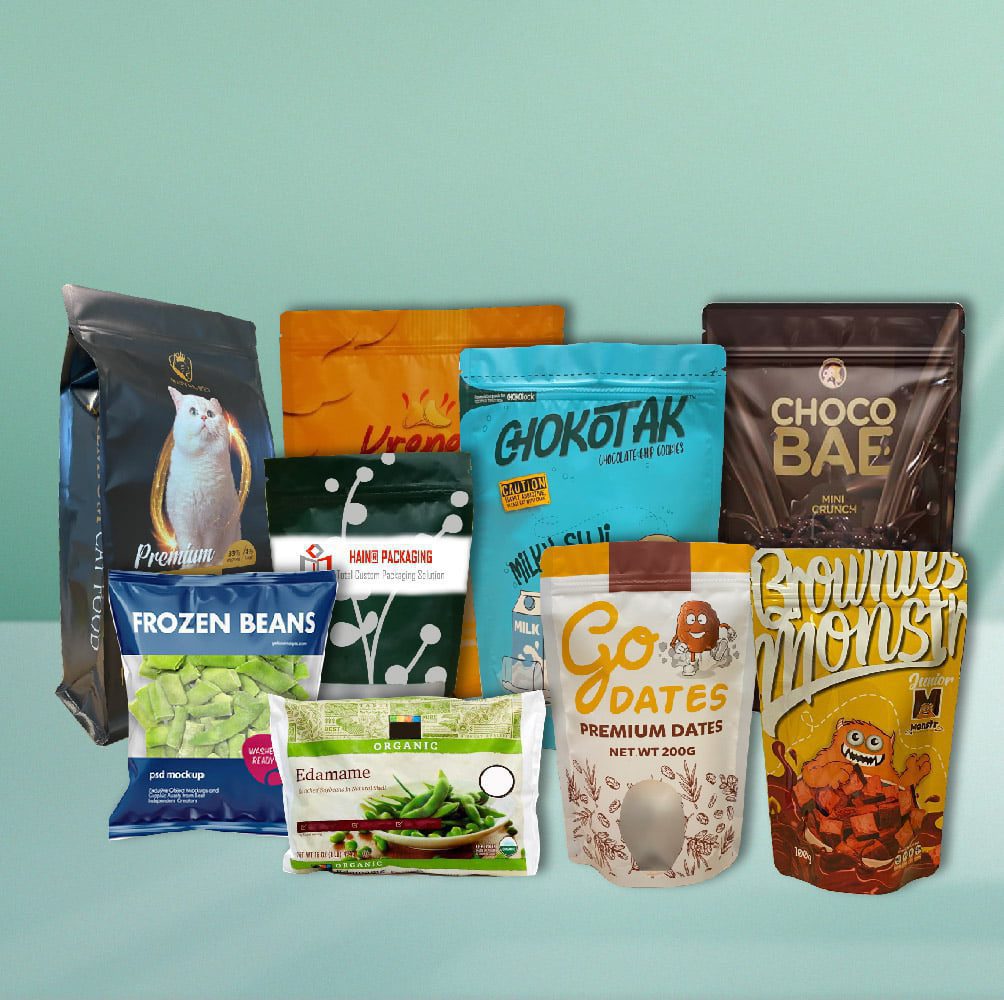
White label packaging is part of a go-to-market plan, not the plan itself. Design the pack for the channel where you will actually sell: retail shelves need a hang hole or a shape that stands upright; e-commerce needs pouches that survive courier handling; export needs bilingual labelling space and barrier data for customs. Align the packaging decision with the channel before committing to a format.
For a worked example of how a new brand navigates custom ziplock and pouch options at launch, our custom ziplock bags guide covers sizes, films, and printing. For the wider launch picture, see our custom food packaging guide.
White Label Packaging Malaysia: FAQ
How is white label different from private label? In practice the terms overlap. White label usually means the manufacturer produces the same base product or packaging for multiple brands, while private label implies exclusivity for one retailer or brand. The packaging process is similar.
Can a small brand afford white label packaging? Yes, with digital printing the MOQ can be as low as a few hundred pieces. Per-unit cost is higher, but the launch risk is low and re-orders can step up the ladder.
Who owns the artwork in white label packaging? You do. Keep print-ready master files on your side and confirm the factory’s design service, if used, transfers full rights to you.
Is halal certification required for white label food packaging? It depends on your market and retailer requirements. For food-contact packaging sold to halal-certified brands, a halal-certified facility removes audit friction.
How long does a white label packaging order take? Typically 14–21 working days after artwork approval for printed pouches, plus sample time if you test first.
Launching a white label brand? Contact HAIN® Packaging via WhatsApp for a consultation. See the full range on the brand site.